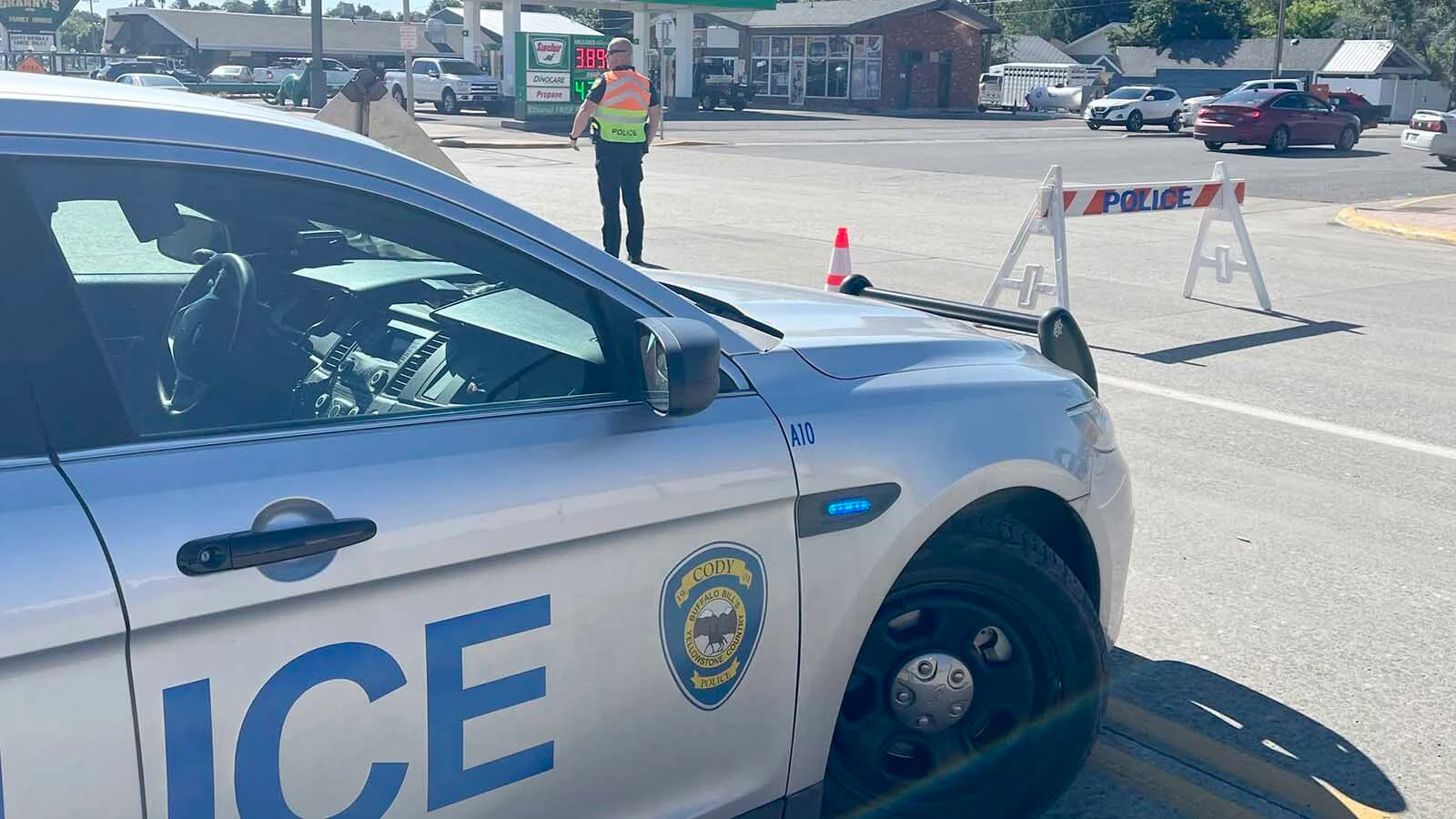
Wyoming knife enthusiasts have it good. Knife regulations here essentially mirror the state’s firearms statutes.
For instance, law-abiding adults over age 21 who qualify to carry a concealed firearm also qualify to carry a concealed blade, including such knives as switchblades.
That might not be the case in other states. Knife regulations vary not only by state but also by city, county and town jurisdiction, Doug Ritter, the founder, chairman and CEO of the national Knife Rights organization, told Cowboy State Daily.
Generally speaking, if a state has permissive firearms regulations, it likely also has broad knife freedoms, he said. And if a state restricts firearms, it likely restricts knives.
So, Wyomingites shouldn’t take for granted that their favorite knife will be legal everywhere they travel, Ritter said. He recommends using Knife Rights’ LegalBlade app to check state, county and local regulations when taking knives on the road.
‘I Open Carry It Everywhere’
Dylan Sparks of Buffalo told Cowboy State Daily that he appreciates Wyoming’s knife freedom.
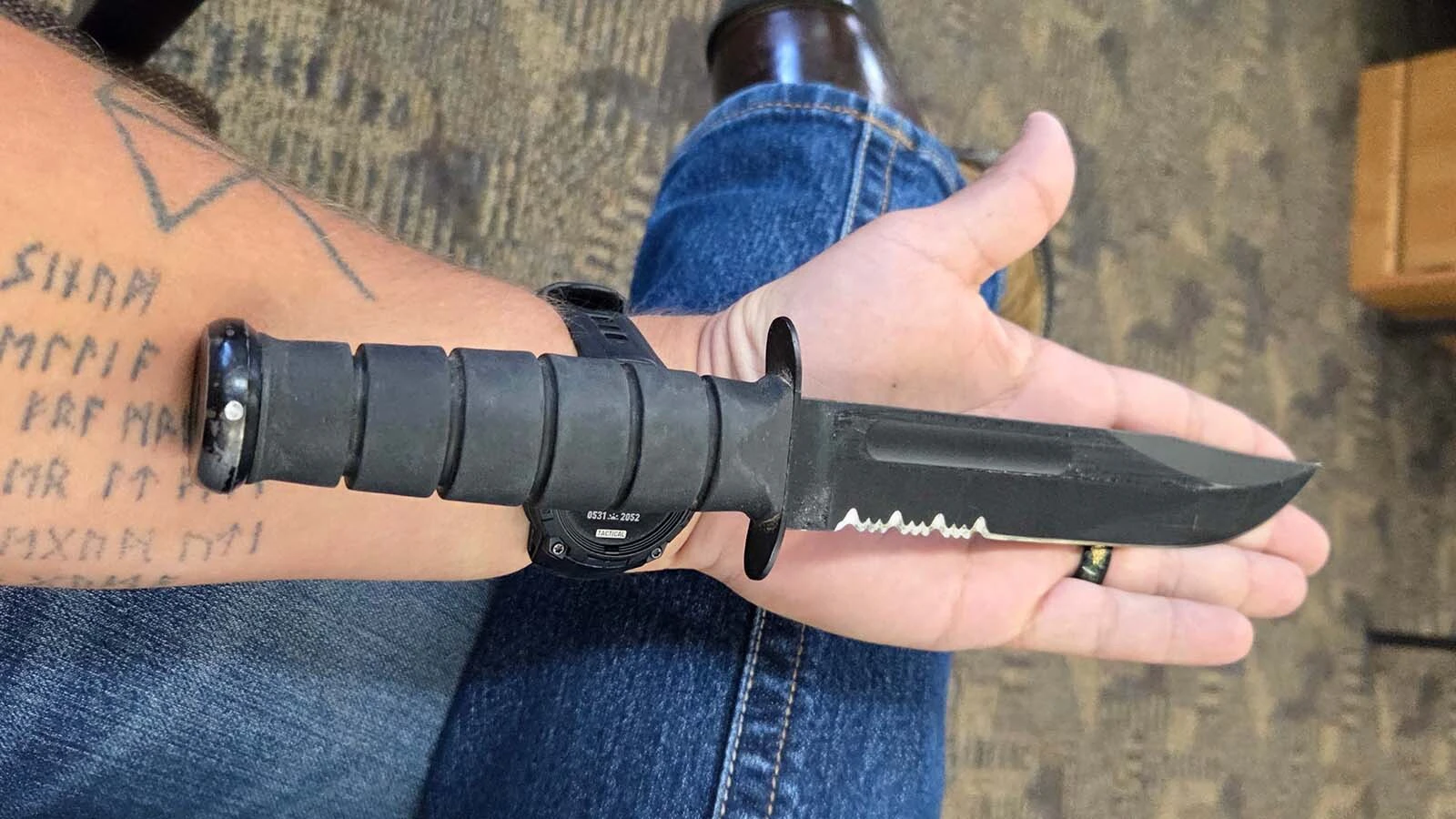
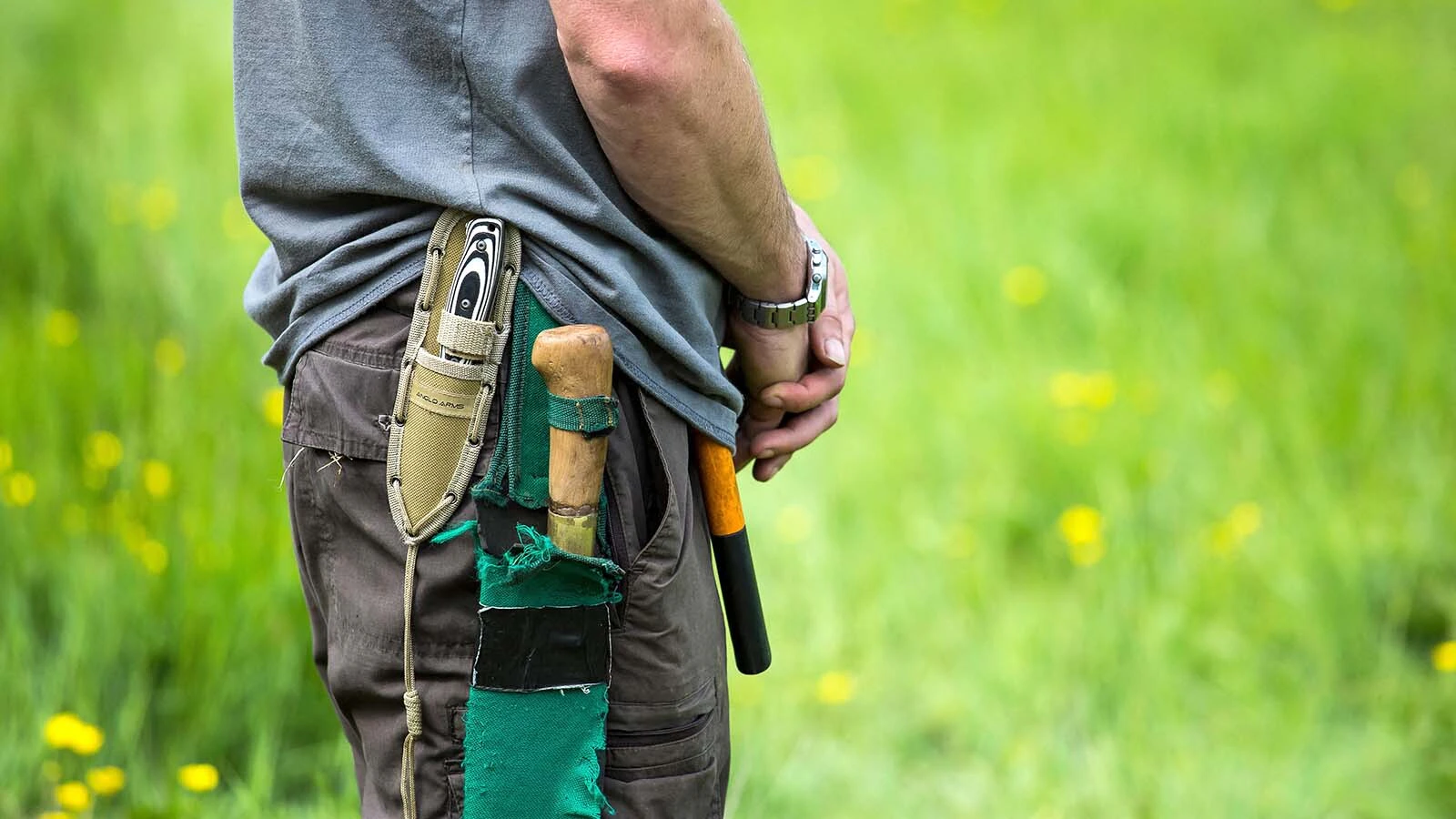
“I carry about a 9- or 10-inch Ka-Bar. And I open carry it wherever I go,” he said.
A Ka-Bar (sometimes spelled K-Bar) is a fixed-blade fighting and utility knife. It was officially adopted by the Maine Corps in 1942 as the Mark 2.
“It’s primary purpose for it is that it’s a tool,” although it could be used for self-defense, said Sparks, a Marine Corps veteran who is running for mayor of Buffalo.
Sparks said his Ka-Bar has raised some eyebrows when he’s traveled outside Wyoming.
“I’ve been approached by police officers” and sometimes “quizzed” about why he had the knife clearly visible in a sheath on his hip, he said.
However, none of those encounters have resulted him in being cited for breaking any regulations, Sparks said.
“I’ll open carry it until somebody says, ‘Hey, you can’t do that',” he said.
Right To Bear Arms
Knife rights should be protected under the Second Amendment, as firearms rights are, Sparks said.
“It should be a universal freedom,” he said. “It’s a matter of freedom, to keep and bear arms.”
As he sees it, law-abiding citizens shouldn’t lose knife freedoms over what criminals might do with knives.
“A criminal can hurt you with whatever they want to hurt you with. It can be a gun, it could be a knife, it could be a stapler, or anything,” Sparks said.
Firearms policy expert George Mocsary stated in a text message to Cowboy State Daily that, according to its wording, the Second Amendment covers knives.
“The Second Amendment doesn't say ‘firearms.’ It says ‘arms’,” wrote Mocsary, a professor of law at the University of Wyoming and director of UW’s Firearms Research Center.
“That includes knives, swords, and other edged weapons. Sabres, for example, were common cavalry weapons in the Founding era,” he stated.
“Stun guns came up in the 2016 Supreme Court case of Caetano v. Massachusetts, in which Justice Alito's concurrence strongly suggested that they were, or at least could be, protected.”
Double-Edged Blades
Master bladesmith Audra Draper of Riverton told Cowboy State Daily that most of her customers order hunting knives or kitchen cutlery.
“I very rarely get people who want fighting knives or anything like that,” she said.
She added that she hasn’t run into legal snags making knives for customers in other states.
“I have had customers from overseas whose knives could not get to them” because they were banned in those countries, Draper said.
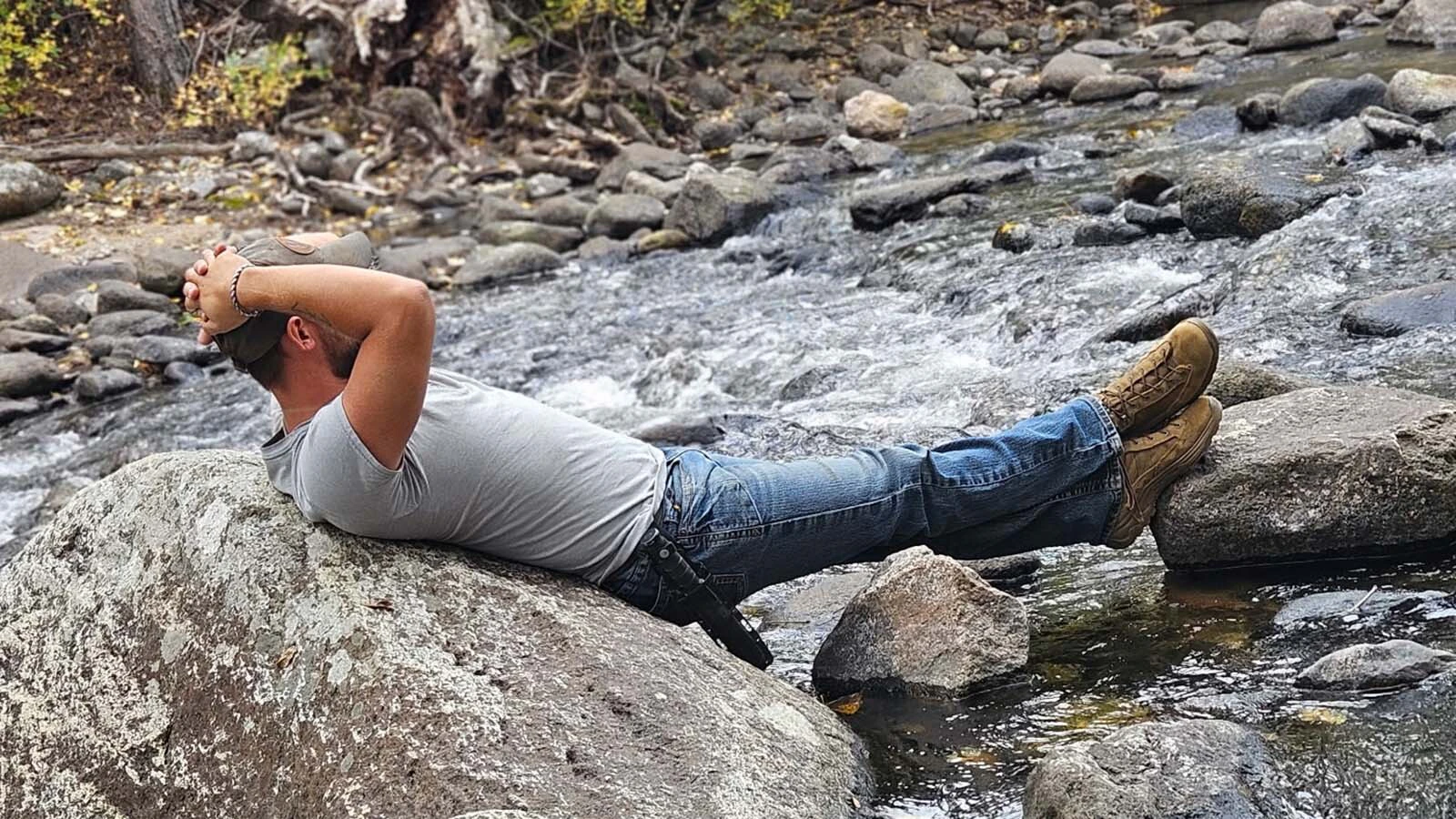
She noted that people who own “doubled-edged” blades, such as daggers, should be mindful of regulations against such knives when they travel.
Length Restrictions
Ritter said many of the people who reach out to his organization for help and advice regarding alleged knife restriction violations weren’t directly busted for having the knife.
Instead, the trouble frequently starts with a traffic stop, during which an officer notices a knife, he said, mentioning hunters traveling with large, fix-bladed hunting knives.
“There are many cities and towns that have blade length restrictions,” he said.
“If you’re carrying a big old 7-inch cold steel blade, that might be a problem, even it’s a folding knife, and you’ve got it clipped in your pocket,” Sparks said.
Knife Rights has lobbied for “knife law preemption” in several states, he said, meaning state regulations should preempt any further restrictions that local jurisdictions attempt to impose.
Knife Rights successfully litigated to overturn a restriction on switchblades in Massachusetts, and is litigating to have similar bans overturned in Minnesota and California, Ritter said.
“People need to be careful, because they have to (abide by knife restrictions). That’s why we’re trying to get rid of those restrictions. And hopefully, I’ll live long enough to see that happen,” he said.
Get Training
Firearms and self-defense trainer Bill Tallen of Cody told Cowboy State daily that people considering carrying a knife for self-defense should take the same approach as those looking to carry a firearm.
“If you think you would want to rely on a knife as a self-defense weapon, you better train with it. Find a qualified trainer,” he said.
On an historical note, Tallen said that as he understands it, knife restrictions might have resulted from past class prejudice.
Pistols were considered a “a gentleman’s weapon” whereas knives, clubs and the like were regarded as the weapons of common rabble, he said.
Former Sublette County Sheriff Hank Ruland told Cowboy State Daily he didn’t have to deal with much knife crime during his career.
However, law enforcement officers can’t take for granted how deadly knives can be, he added.
“Officers are trained according to the ’21-foot rule’,” he said.
“Meaning if a suspect comes at you with a knife, you have 1.5 seconds if he’s 21 feet away before he’s on you and stabs you,” Ruland said.
Mark Heinz can be reached at mark@cowboystatedaily.com.