At historic Fort Bridger, one of the site’s most reliable staffers doesn’t draw a paycheck, take vacations and has been on duty for more than a century.
“We just call him Mac,” Fort Bridger Historical Association board member Holli Beach told Cowboy State Daily. “And we actually have had him photographed. Several times, he’s been caught in pictures, and we have some pretty cool pictures of him.”
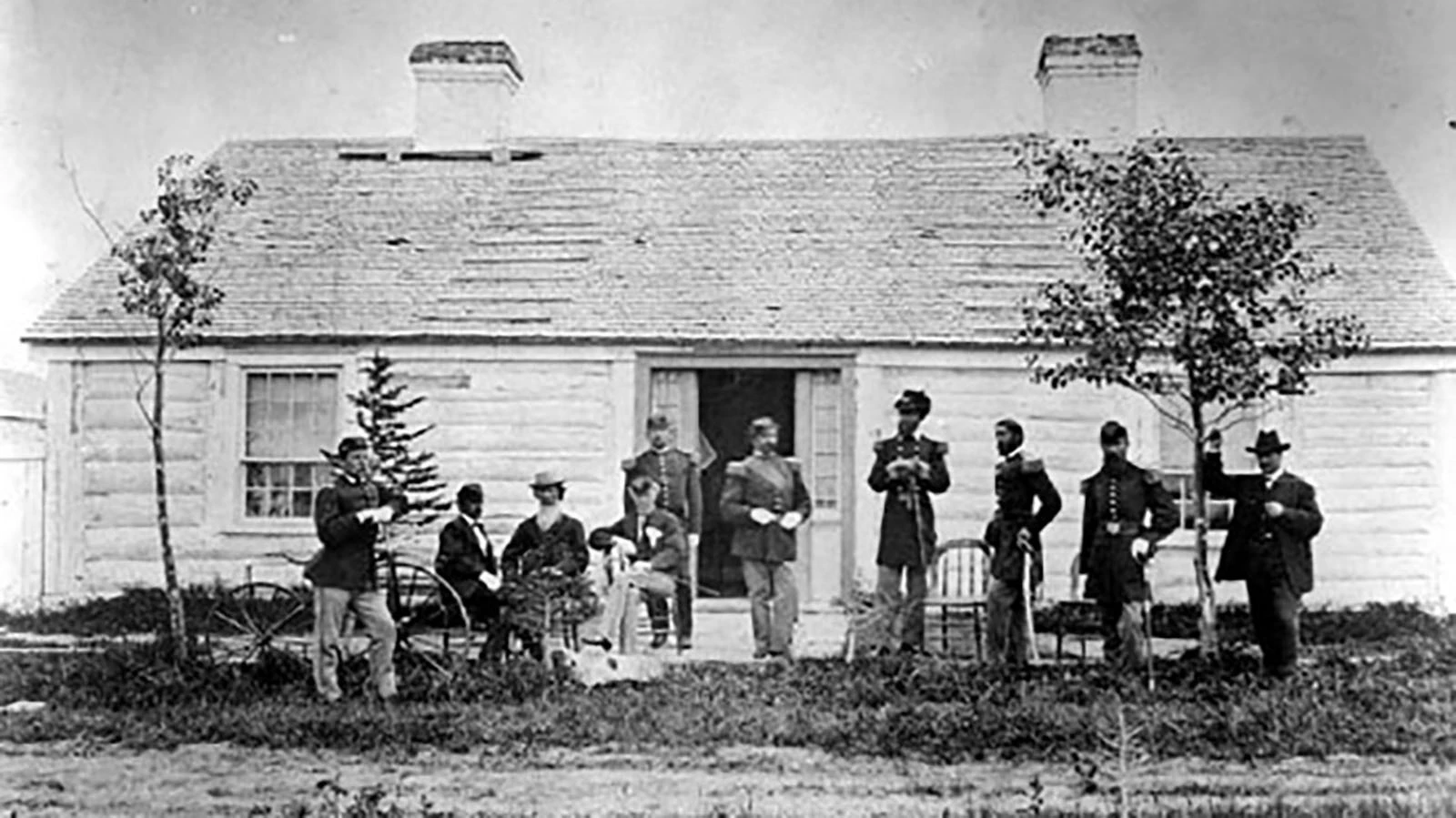
Mac is short for John McLaughlin, one of the soldiers who came to Fort Bridger with the Twenty-First Infantry in the spring of 1888.
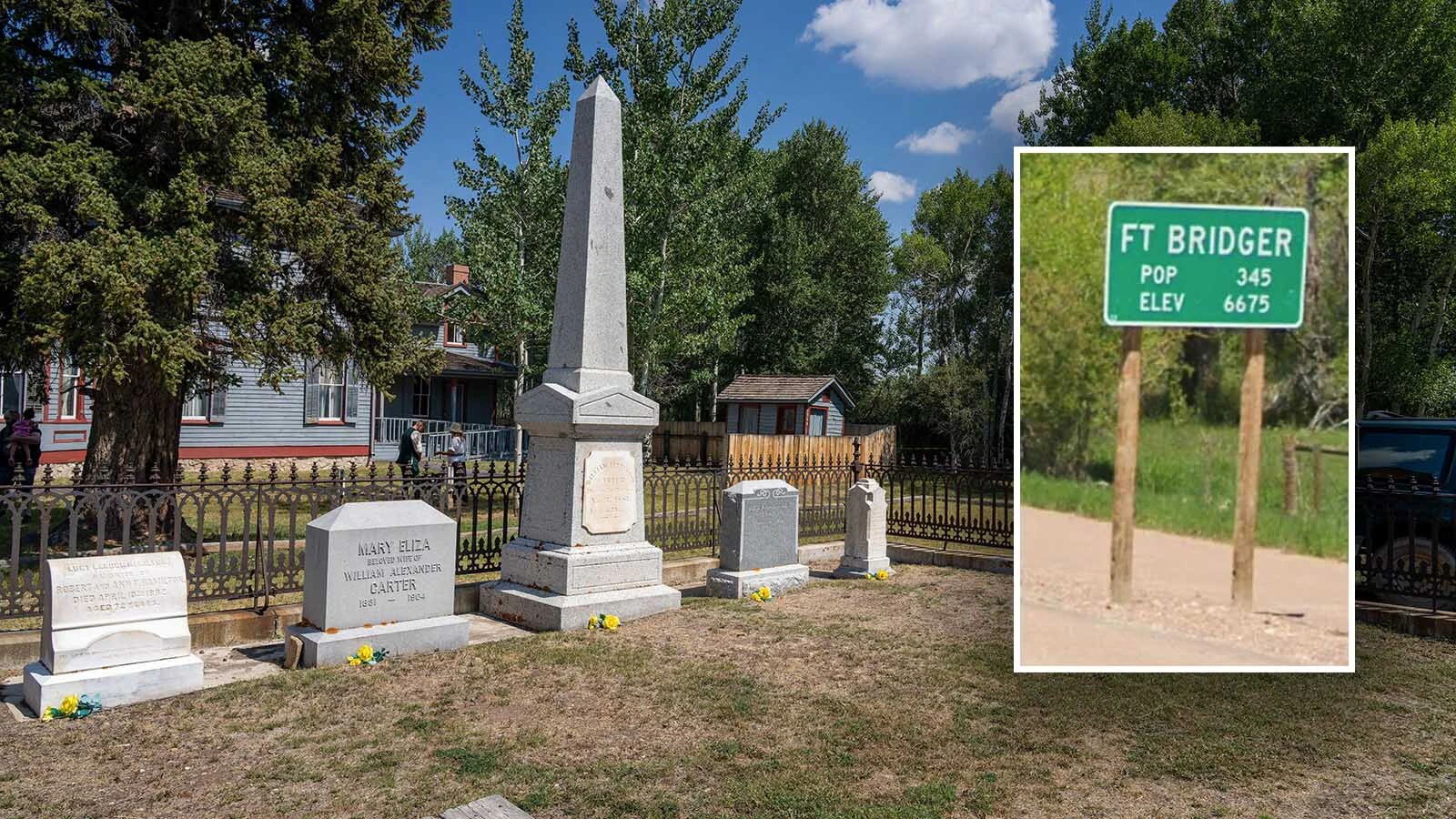
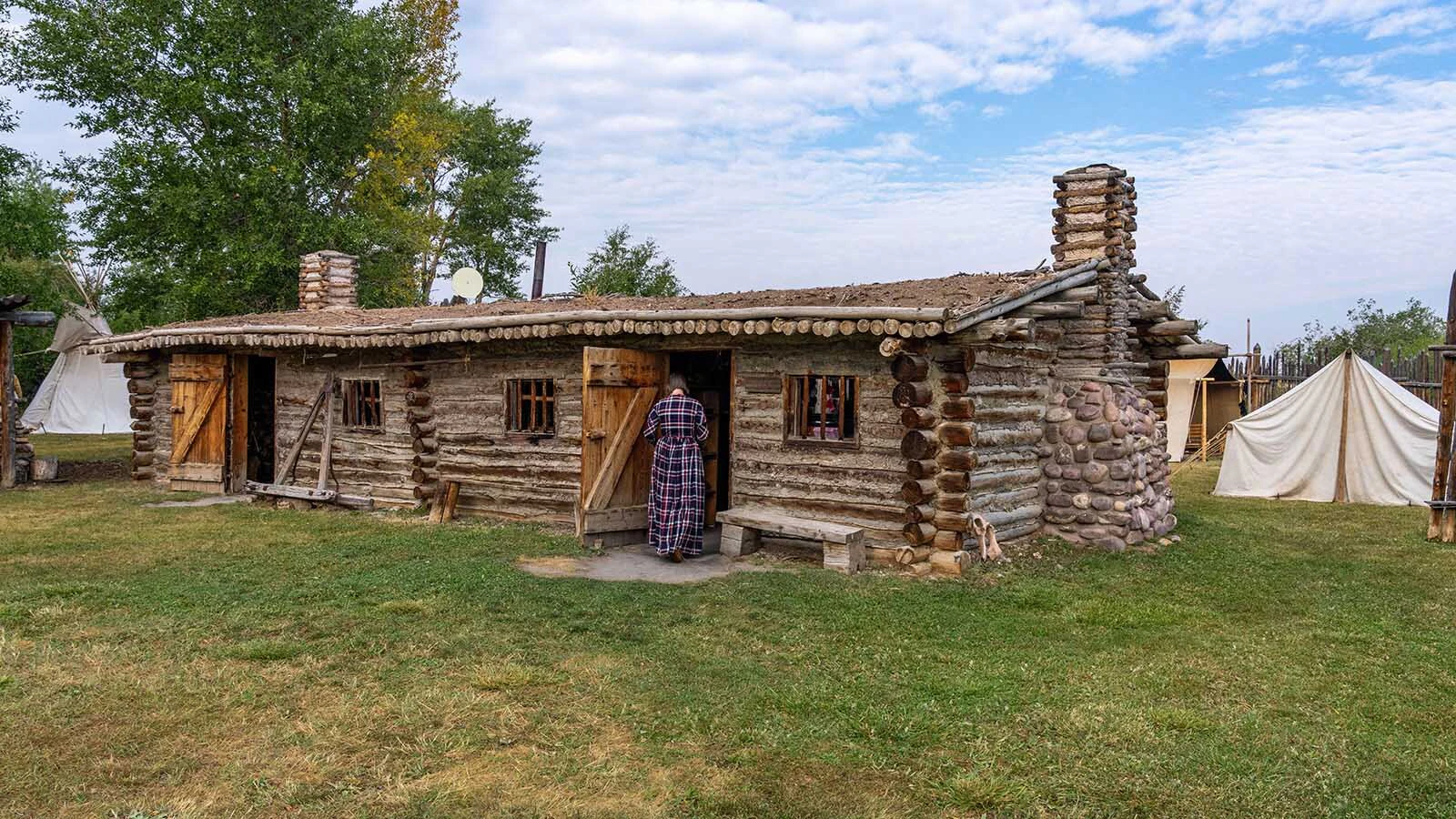
He was given the last of the fort’s remaining log officers' quarters, most of which had been sold to the local ranching community and moved off site. After his discharge he stayed in the area, watching over the remaining buildings and the small cemetery.
Eventually, old age forced him to move on to the Old Sailor’s and Soldier’s Home in Hot Springs, South Dakota, where he is buried.
But he always wanted to be buried in Fort Bridger’s cemetery, and many people feel that after his death Mac’s spirit returned to the Fort and has remained ever since.
“Mac’s pretty famous for locking people inside his house, for whatever reason,” Beach said. “If workers go in there alone, they tend to get locked in and have to call someone to come help them.”
Alarms also have gone off at night, forcing police to respond, Beach said — alarms that later can’t be explained.
“The sheriffs will come in, and we have quite a few funny stories about them coming onto the property and getting scared,” she said. “One of our mannequins was almost shot by one of the sheriffs.”
Fort Bridger also regularly gets reports from people thinking they have seen or heard a child drowning in the creek, Beach added.
“There are actually historical reports of that happening,” she said. “And so, people have been really taken aback by such experiences.”
Ghosts As Economic Development
Haunted stories like that might once have been downplayed by a serious historic site. But with “dark tourism” now a $34.2 billion global market — nearly 80% of it in North America, according to analyst firm, Grand View Research — ghosts and paranormal phenomena have become an undeniable selling point.
One doesn’t have to look far from Wyoming for a famous example of the power of haunted tourism.
Colorado’s Stanley Hotel in Estes Park is a favorite vacation spot for many in Wyoming. It’s also the real-life inspiration for Stephen King’s cult classic novel “The Shining.”
The hotel was on its last legs when John Cullen bought it out of bankruptcy court and many at the time believed it was headed for a date with a wrecking ball. But it found new life thanks to Cullen’s decision to lean into its spooky history.
Before Cullen, hotel managers feared admitting there were any unusual happenings, especially in the Stephen King suite. They feared ghost stories would drive guests away — like tales of suitcases somehow winding up in the hallway with no logical explanation, or ghostly children laughing and playing on the third floor.
Cullen, though, actively marketed such tales, and turned the hotel’s unexplained phenomena into a year-round theme that now draws nearly 200,000 visitors annually — about half of its overall visitor total.
The move saved the hotel and has created a premier destination in the Rockies that blends luxury with a history that “still walks the halls.”
In more recent times, as haunted tourism’s popularity has grown, the Stanley has doubled down on its horror pedigree. It’s working with Blumhouse Productions on a planned horror-film center and it has become home base for the “Frozen Dead Guy Days” festival, after that event outgrew its original site in Nederland.
History First, Ghosts Second
Reports like Mac’s pranks and the drowning child have attracted attention from paranormal groups wanting to investigate the Fort, but the site’s board has usually turned them down, fearing such activities could detract from the core mission of preserving and sharing the site’s rich, 19th century history.
This year, though, it’s leaning into a select number of paranormal events in hopes it can help boost its visitation stats, which range from 75,000 to 90,000 annually. The figures feed directly into its funding through state allocations tied to attendance.
“First and foremost, I am a historian, and I run a historic site,” Fort Bridger Superintendent Josh Camp told Cowboy State Daily.
“But really, we are a state park, and we’re meant to be a good amenity to the people of Wyoming," he said. "That’s a huge part of what we do here. So there’s more than one way to skin a cat, as the saying goes, and I see ghost stories as another way to do just that.”
Camp is a skeptic when it comes to ghost stories in general, but it’s not lost on him that haunted tourism has become enormously popular. He sees it as a new avenue for sharing history with an audience that might not typically turn up at a historic site.
“When I hear a ghost story talking about someone going through the old Victorian commanding officers quarters and a young girl will have her hair pulled or something like that, for example,” he said.
“That’s not an uncommon story. Well, that gives me the perfect opportunity to say, ‘Well perhaps this is the spirit of a Victorian lady who has just realized your hair is not done in a way that’s appropriate for a young lady to be in public'.”
Messy buns of today, Camp added, would have been a Victorian nightmare.
“So, for me, it’s an opportunity to talk about the cultures of the time,” he said. “It becomes an interesting way to teach history, particularly to a crowd who doesn’t necessarily usually want to come learn about history.”
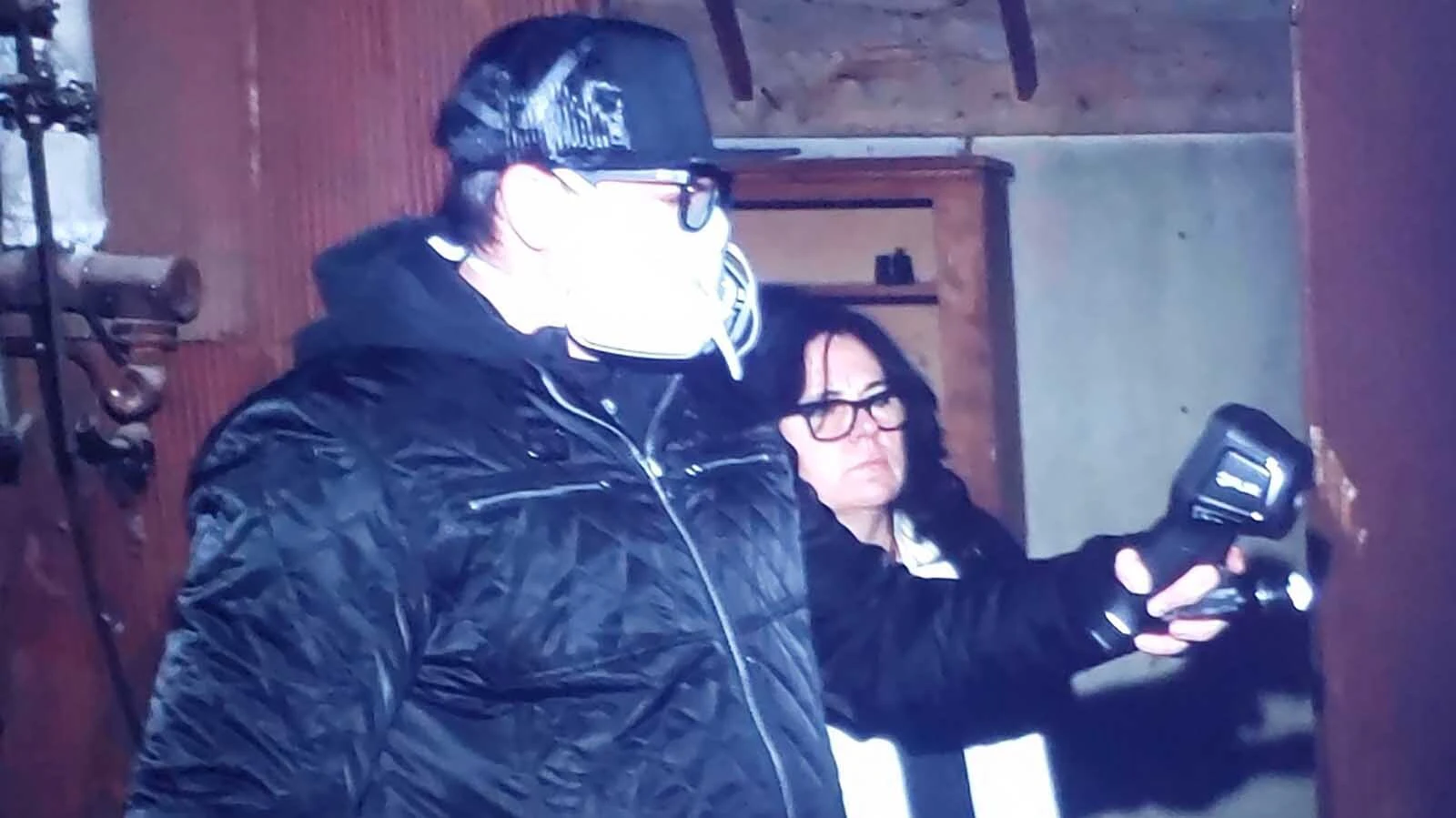
Paranormal investigator Marie Mason will host a three-day exploration of Fort Bridger. (Marie Mason) 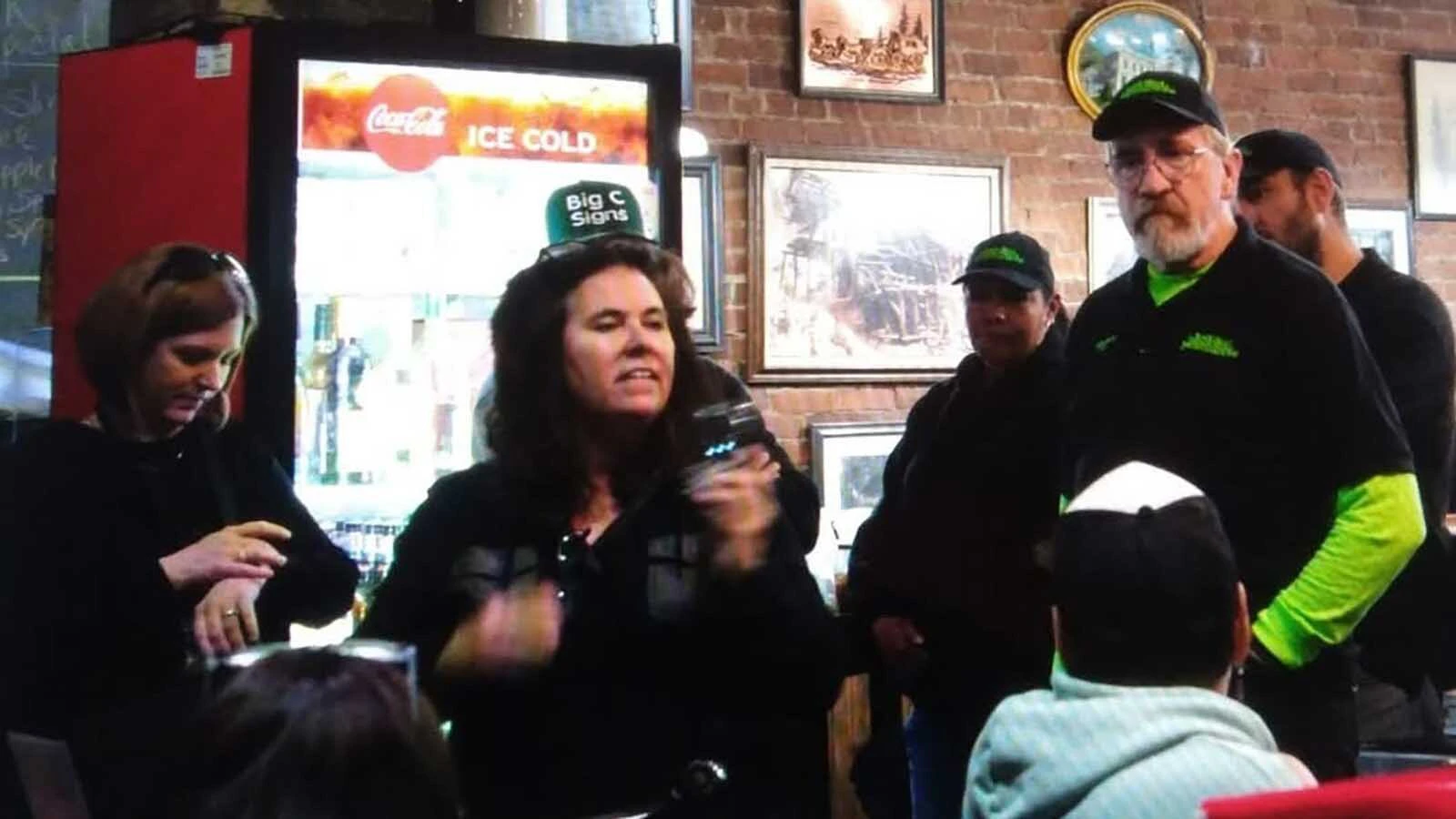
Paranormal investigator Marie Mason will host a three-day exploration of Fort Bridger. (Marie Mason)
Not A YouTube Screamer
Fort Bridger’s three-day paranormal experience July 30 through Aug. 1 will be a rare opportunity, investigator Marie Mason told Cowboy State Daily.
Mason bills herself as a real ghost hunter, not a “screaming YouTuber.”
“On television and YouTube, they completely sensationalize these things,” she said. “The public is aware that’s all BS for the most part.”
Her approach is different. Guests themselves will become the investigators, using professional-grade equipment she’s spent years acquiring and in some cases building.
Her events have drawn hundreds of people in places such as Deadwood, South Dakota, as well as to historic hotels in Wyoming such as the Occidental in Buffalo.
“These events are great business for the historical locations,” Mason added. “People will come for three days and stay, and now they’re going to buy food, they’re going to spend money … families will literally plan their vacations around paranormal events like this.”
Where Tragedy Lingers
To Mason, most hauntings are simply people, or fragments of people, lingering where something powerful happened. And Fort Bridger is a place with no shortage of powerful moments.
For one, it was the last major stop for the Donner Party, a group of 87 American pioneers, before they turned onto the ill-fated Hastings Cutoff, where they became snowbound. Nearly half the group died of starvation, disease and freezing, with survivors eventually resorting to cannibalism.
Mason is in the camp of historians who believes their route had been endorsed by Jim Bridger himself, who she sees as something of a scoundrel.
“(Bridger) got a piece of every guide (map) that was sold,” she said. “And this guy named Hastings, who wrote the guide map, told them it’s a shortcut.”
But Hastings had never actually done the route he was selling at all, Mason said, and it was actually longer than the way they had planned. Hastings’ “shortcut” sent the party into the Sierra Nevada mountains, where they would become synonymous with unspeakable tragedy.
Fort Bridger is also where a teen-aged Calamity Jane landed after losing both parents on the trail. She returned to Fort Bridger with her younger siblings and worked in the “laundry,” a euphemism, Mason said, for prostitution.
“So 14-year-old Calamity Jane,” Mason said. “If you just think about high school, all of that stuff is so clear to us, right? You can remember the first boy you kissed. It’s a very special time in your life.
“So, for me, if her spirit lingers anywhere, that’s got to be a place. It’s where something traumatic happened to her.”
Reinvention Nothing New At Fort Bridger
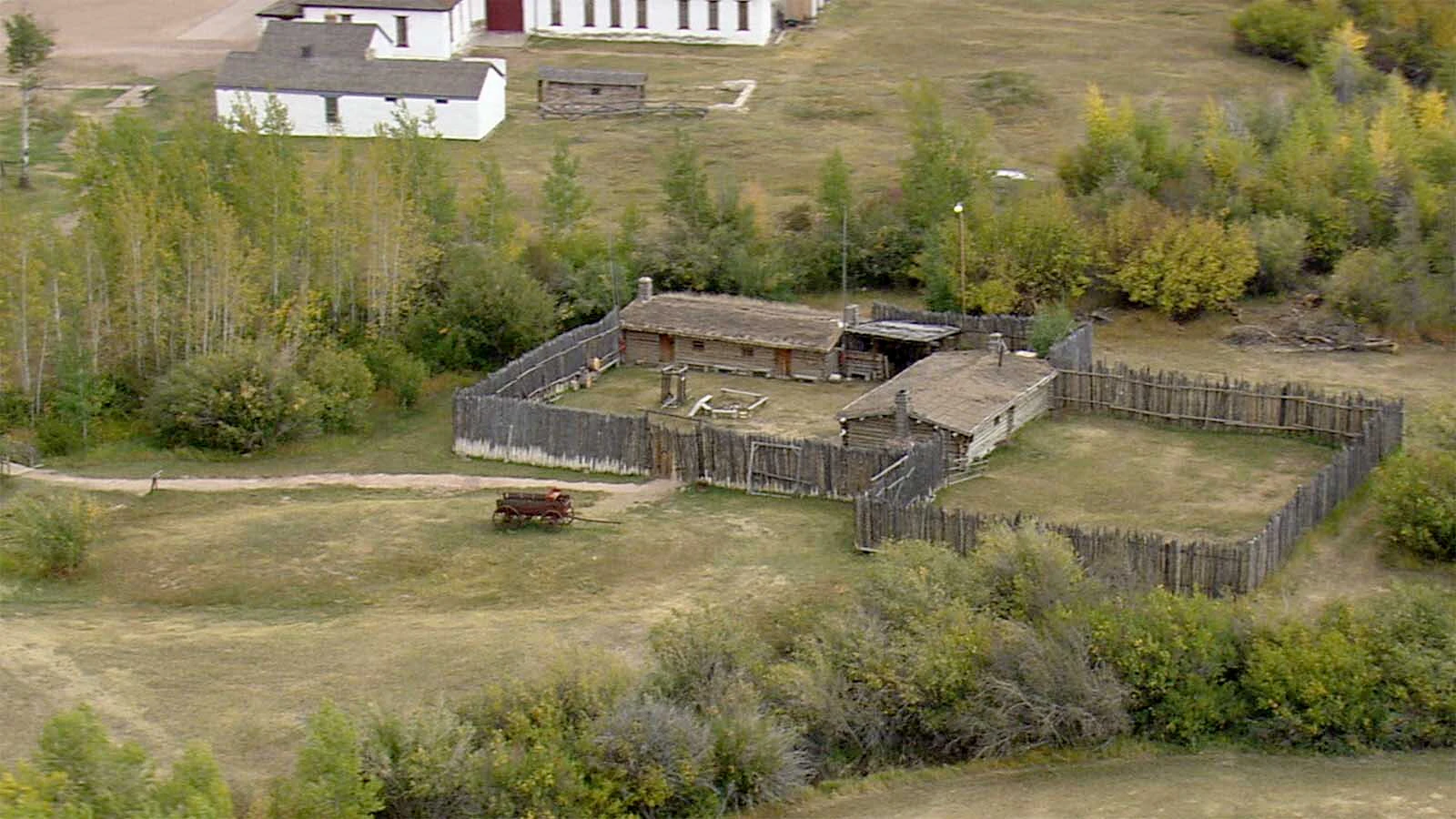
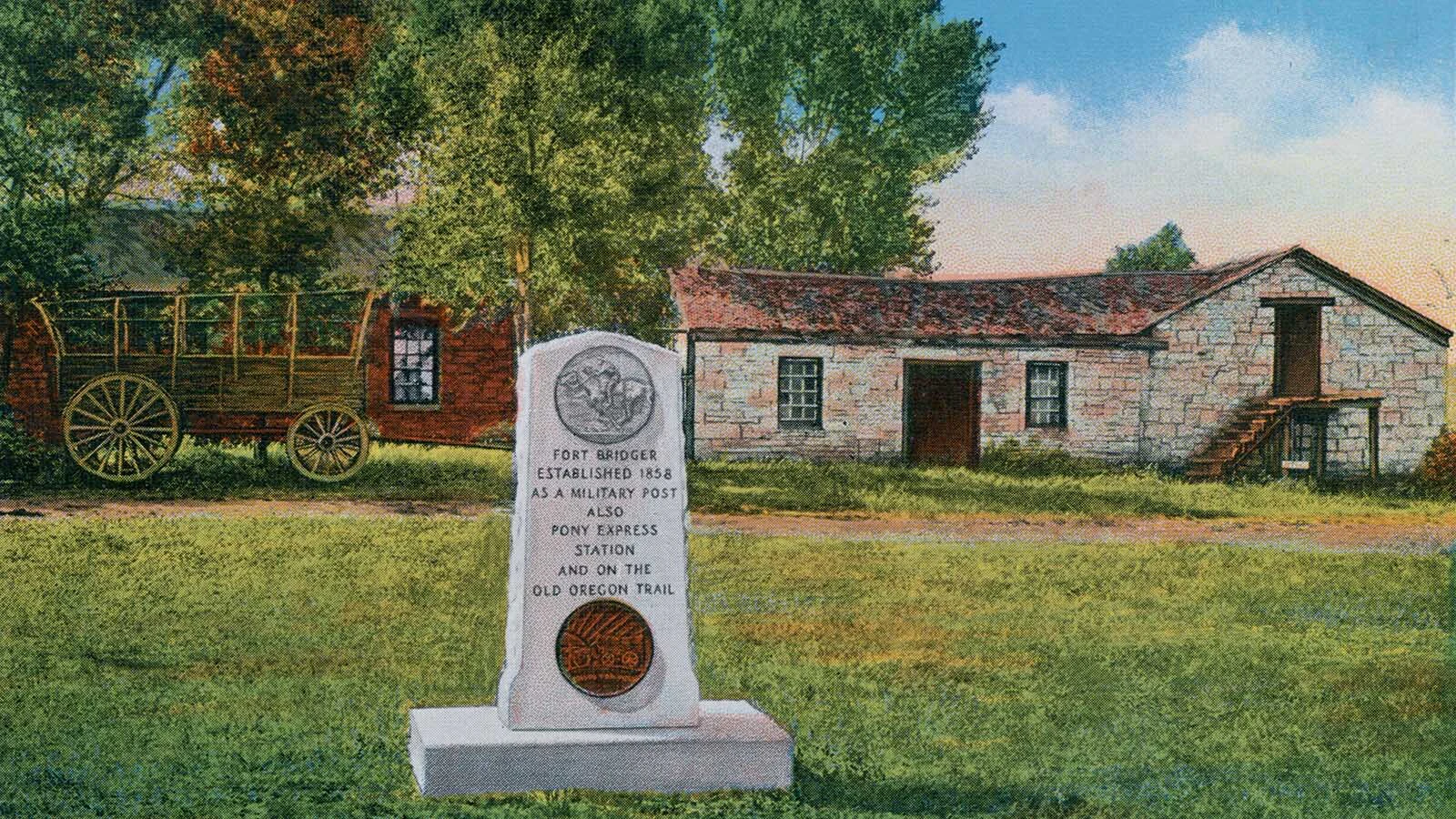
This won’t be the first time Fort Bridger has reinvented itself. The 37-acre site was started in the 1840s by Mountain Man Jim Bridger as a trading post for Native Americans.
The fur trade had collapsed at the time and Bridger needed a new career.
“Many people, especially if you look at early historians, feel like Fort Bridger was built kind of out in the middle of nowhere, which, by today’s standards, would be accurate,” Camp said. “But these guys who’d been trapping in the mountains for decades at this point knew about the Native American trade network gained through here. So they certainly knew what they were doing.”
When Bridger’s plan to trade with Native Americans didn’t pan out, he pivoted to serving pioneers on the Oregon and California trails.
“That was something they hadn’t necessarily planned on,” Camp said. “But they were, of course, more than happy to take advantage.”
By the time pioneers hit Fort Bridger, they were usually short on supplies but had cash available to buy more.
“Bridger was more than happy to be selling them goods,” Camp said. “And seeing as they were one of the few places you could stop, and it was a couple hundred miles to the closest competition, they were certainly able to get their own prices and certainly took advantage of that opportunity.”
Using Ghost Stories To Keep History Alive
Highlighting all that rich history in ways that make it accessible to new audiences is the main play Fort Bridger is after.
“We’re not trying to claim there’s a portal to hell,” Beach said, poking a little fun at more sensational ghost-hunting shows. “First and foremost, we’re a historic site. The history is what matters to us.”
For Camp, if a few haunted tales around the campfire can help turn more people onto history, the shift will be more than worthwhile.
“Everyone needs to learn their history,” he said. “That doesn’t mean we all need to learn it the same way.”
If a spooky cry along the creek or an unexplained shadow on an SLS camera is what it takes to draw people through Fort Bridger’s gates and into its complicated, sometimes uncomfortable history, Camp believes the gambit will have been well worth the risk.
Renée Jean can be reached at renee@cowboystatedaily.com.