Somewhere around mile 80, strange things start happening in the mountains.
Trees become people.
Shadows turn into horses.
Voices seem to drift through the darkness.
One runner spent miles convinced mice were scurrying across her feet.
Another knows that if he's awake long enough, he'll start hearing conversations that aren't really there.
That's before the stomach problems, swollen feet and the little voice that starts begging runners to quit.
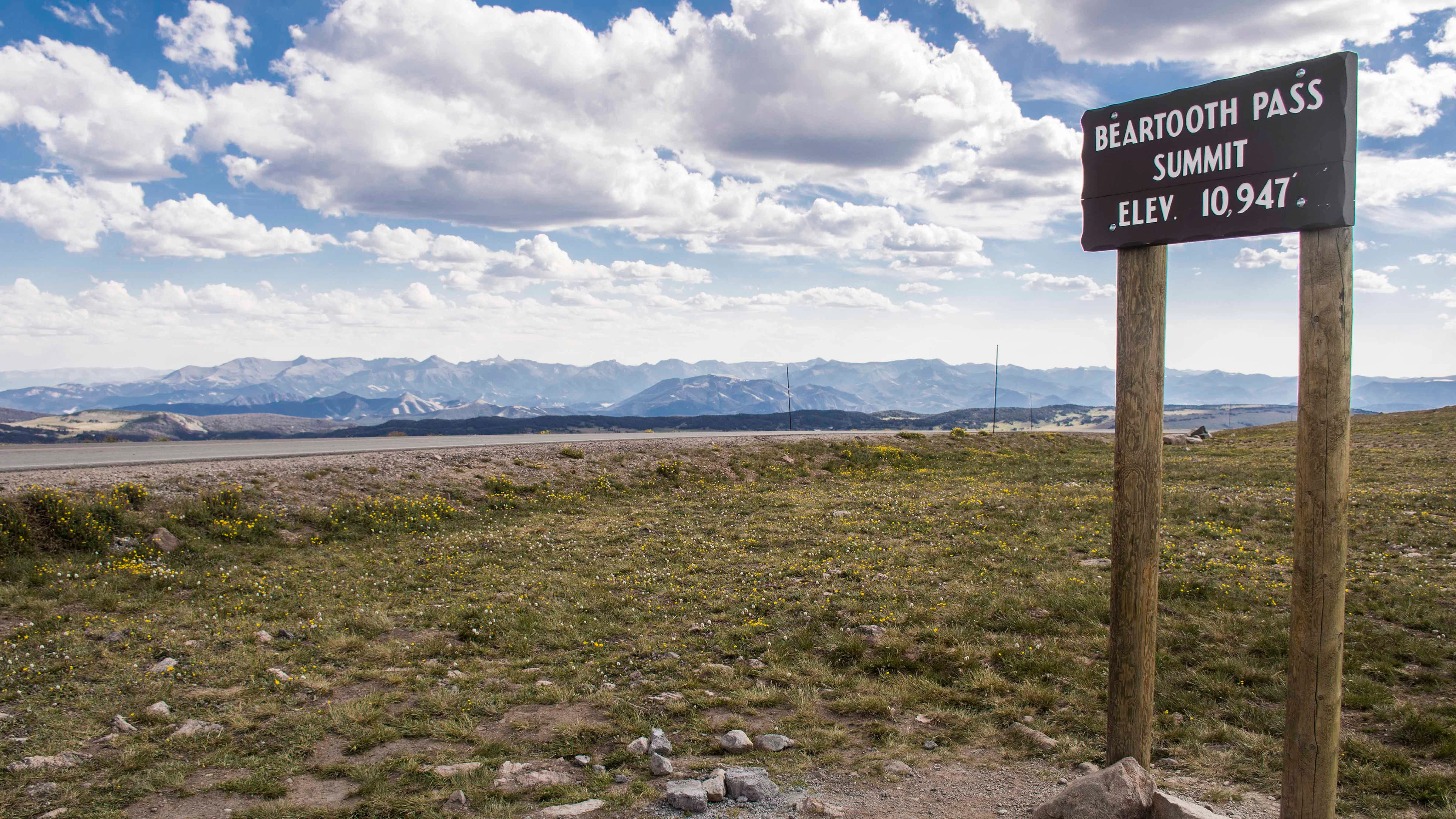
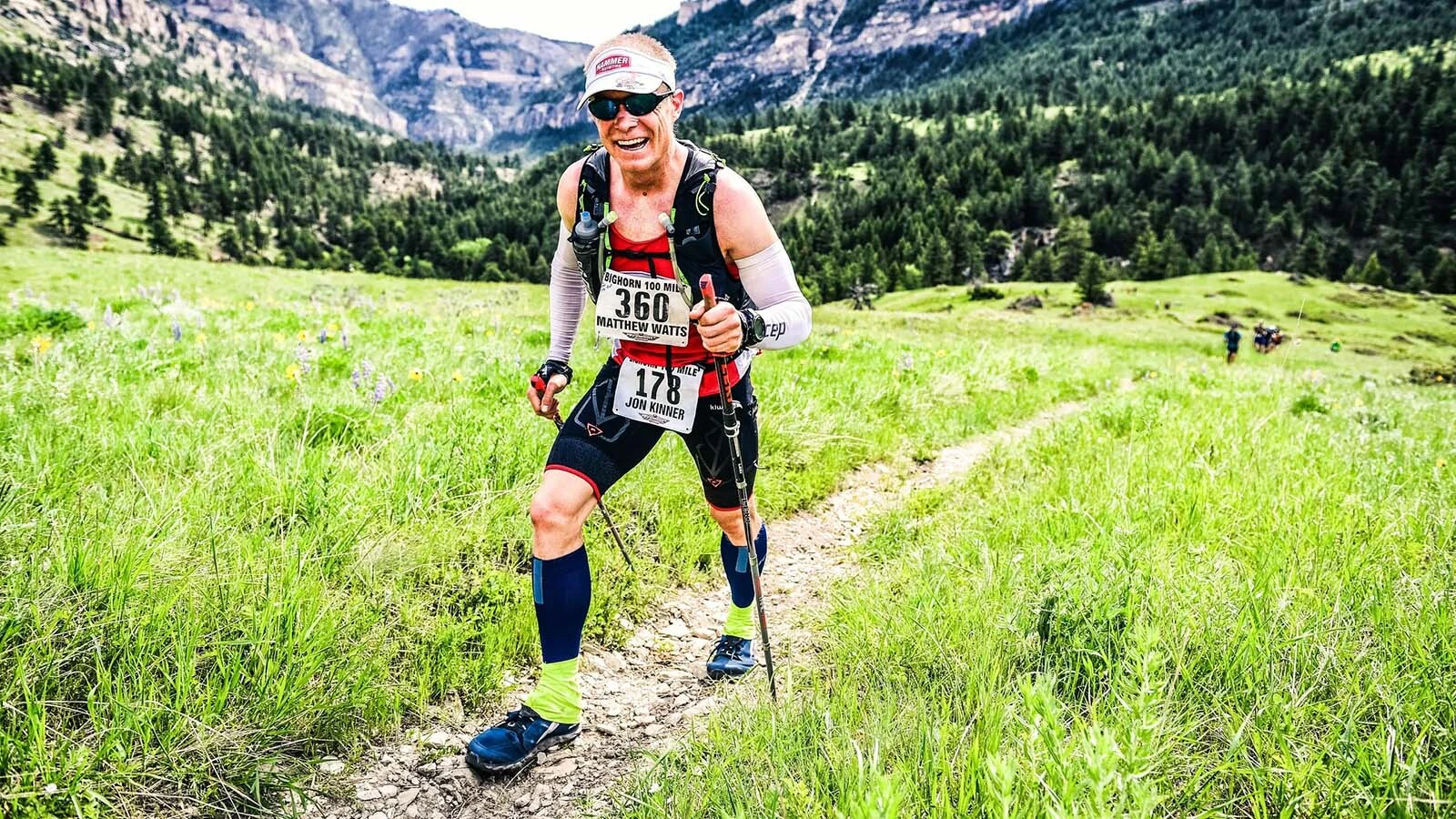
This weekend, hundreds of runners descended on Sheridan for the annual Bighorn Trail Run, one of the West's most respected ultramarathons.
Some tackle 18 miles. Others run 32 or 52. A smaller group attempts the full 100-mile course — a physical and mental journey that keeps many of them moving through Wyoming's backcountry for more than 24 hours.
For people who have never run farther than a half or even full marathon — or perhaps never wanted to — the obvious question for these ultrarunners remains:
Why?
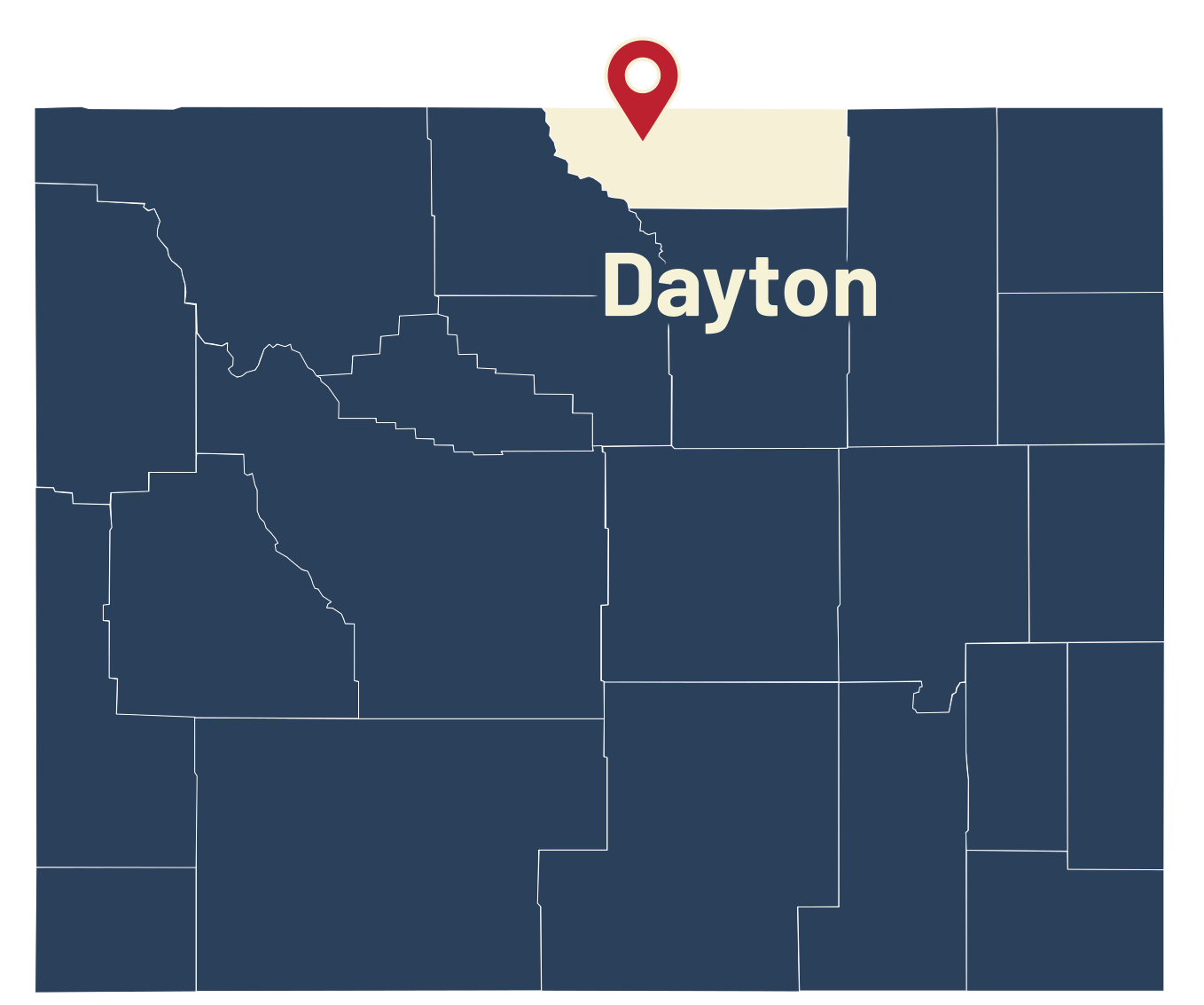
The Bighorn 100 is one of the nation's most challenging ultramarathons, crossing the mountains of northern Wyoming starting and finishing in Dayton. (Bighorn Trail Run) 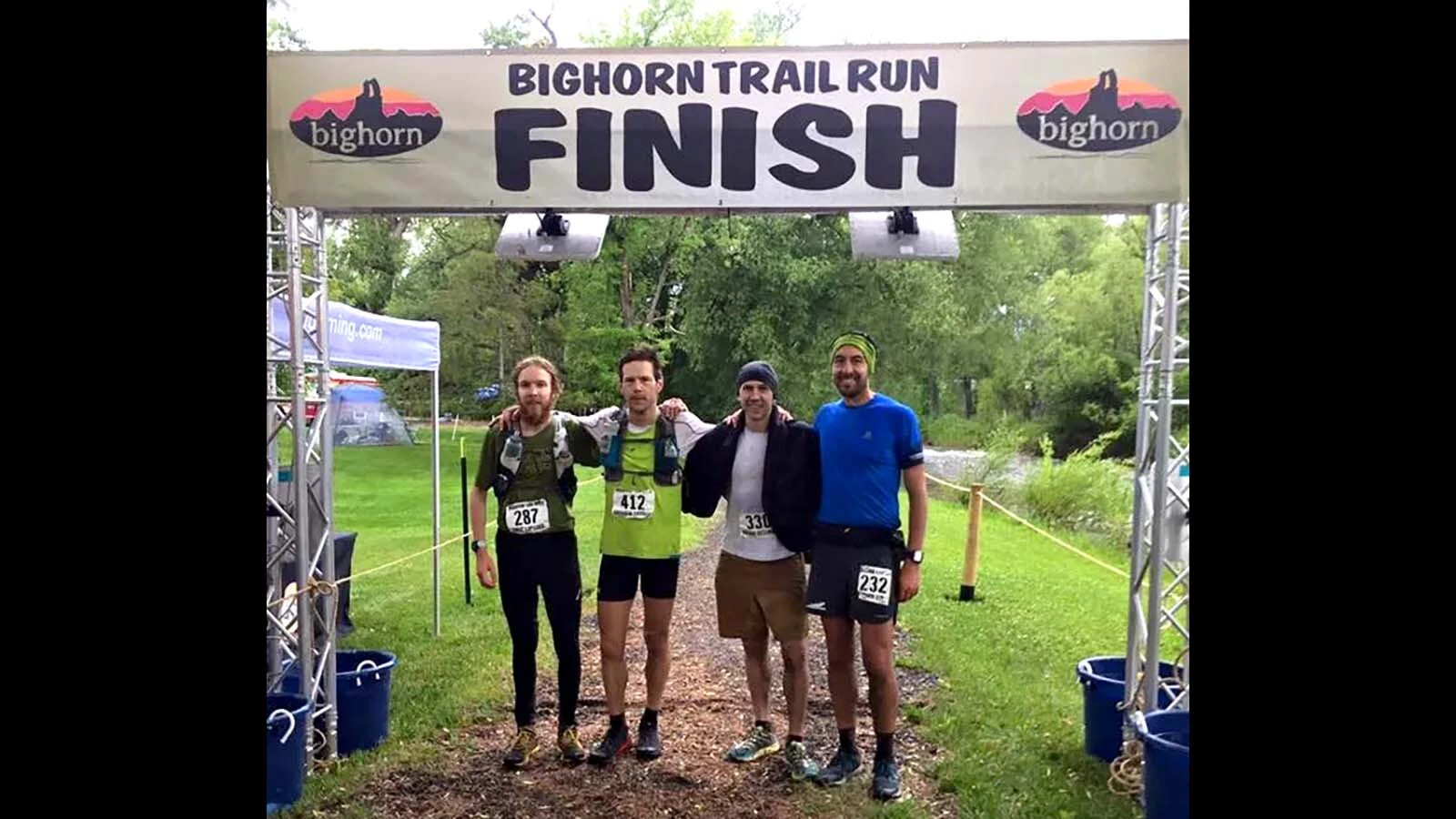
The Bighorn 100 is one of the nation's most challenging ultramarathons, crossing the mountains of northern Wyoming starting and finishing in Dayton. (Bighorn Trail Run) 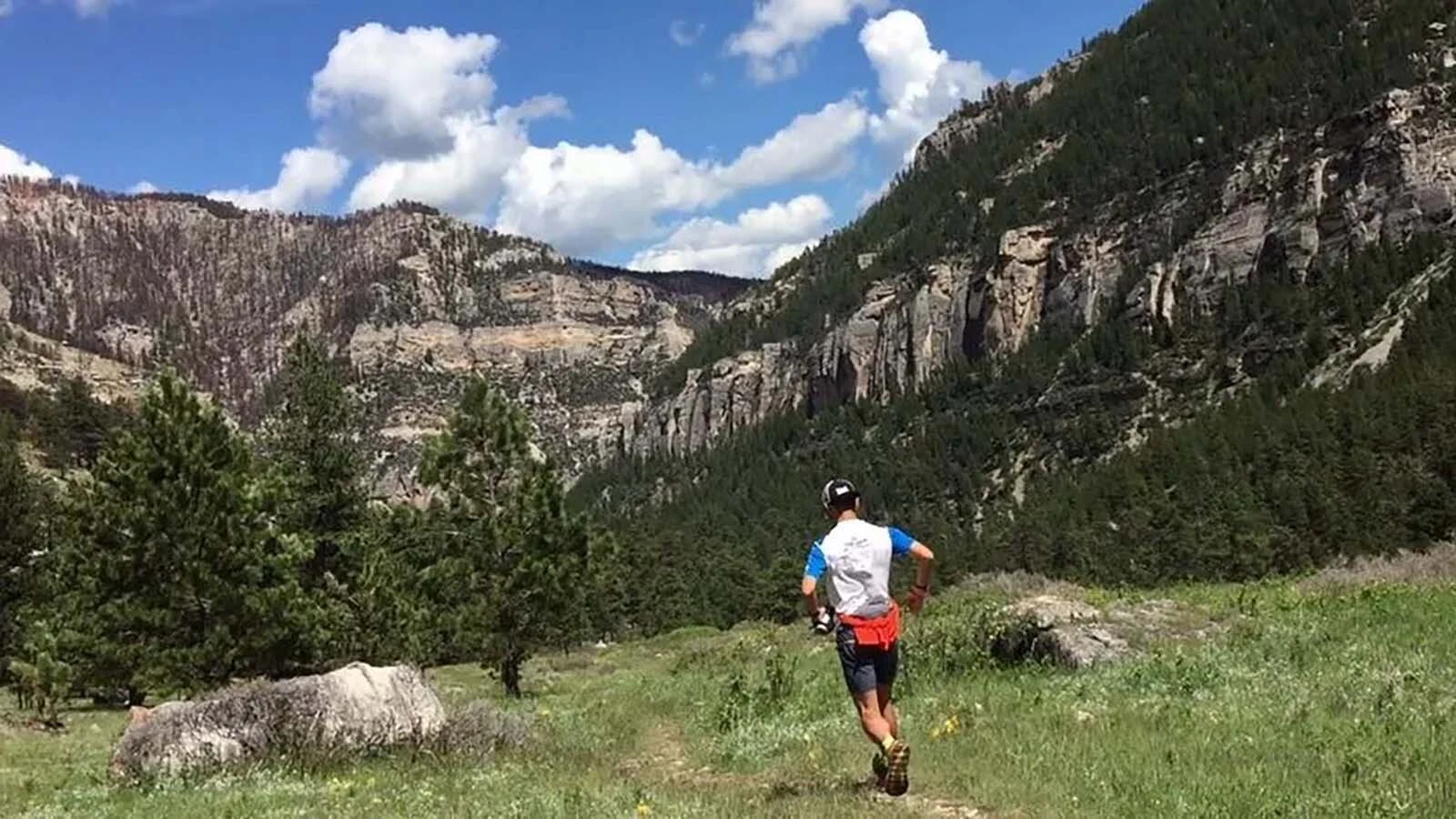
The Bighorn 100 is one of the nation's most challenging ultramarathons, crossing the mountains of northern Wyoming starting and finishing in Dayton. (Bighorn Trail Run) 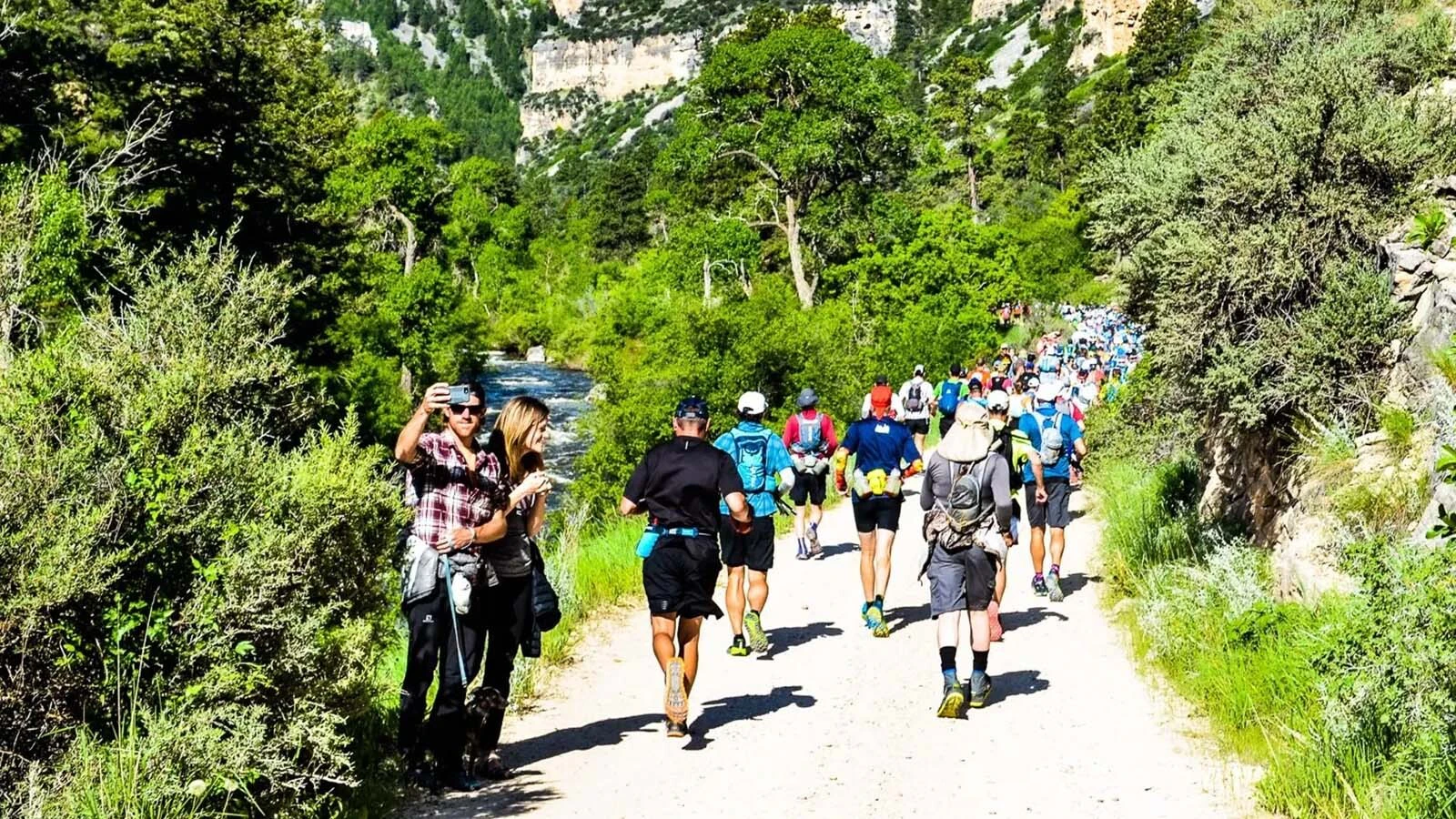
The Bighorn 100 is one of the nation's most challenging ultramarathons, crossing the mountains of northern Wyoming starting and finishing in Dayton. (Bighorn Trail Run)
The Drive
Ask 40-year-old Daniel Orr and he'll tell you every runner has one.
The Wyoming native grew up in Cody and Powell before eventually settling in Maine, where he now works as a freelance photojournalist for The Wall Street Journal.
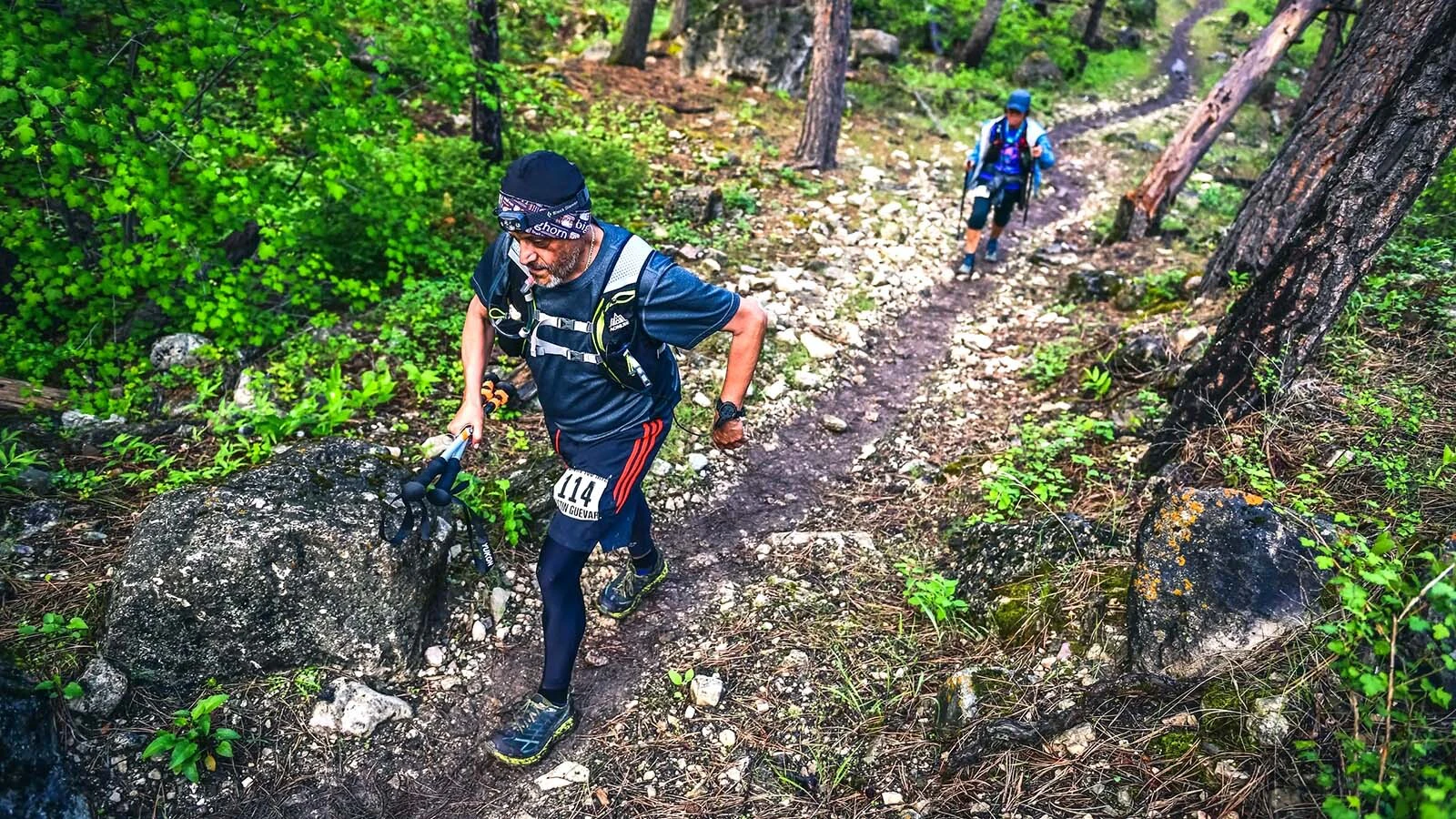
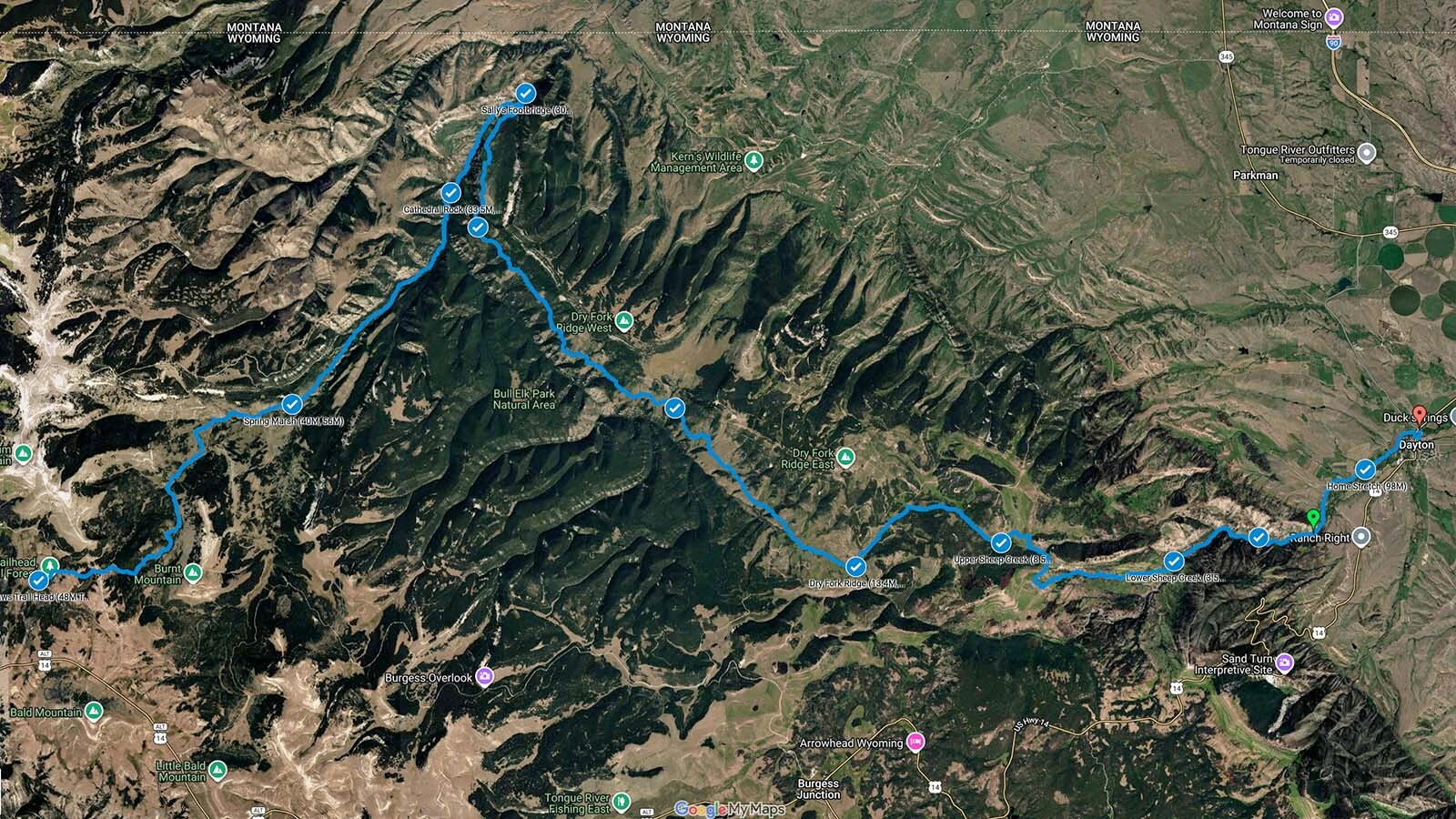
This year, he returned to the West to take on the Bighorn 100, an ultrarunning event that starts near Dayton in northern Wyoming and travels over the Bighorn mountains. It’s considered one of the most challenging ultramarathons in the United States.
Orr's answer to why anyone would want to run extreme distances in extreme conditions isn't about competition.
It's about grief.
"A lot of it is dealing with childhood stuff," Orr said. "I lost my mom in 2023, and that was a huge jump start to me seeking out endurance sports."
The races, he said, provided something unexpected for such an individual sport: community. Spending a day and a night suffering alongside strangers has a way of creating connections.
"This isn't my story, but there's a lot of people who come from addiction recovery and stuff," Orr said. "The community aspect is a really unexpected but very tangible thing you find in these races."
For Anne Hinman, the answer is different.
A former University of Wyoming soccer player who now works as a marketing director and recently moved from Wyoming to Montana, Hinman ran her first ultramarathon at Bighorn in 2021. She's now completed the race five times.
Her motivation is overcoming fear.
Hinman describes herself as naturally cautious and anxious. Moving to Wyoming forced her outside her comfort zone.
"There are moose and bear in Wyoming," she said with a laugh. "I was so afraid. So, the only reason I'm able to do what I do is because I push past my fear."
Digestive Mutiny
Running 100 miles requires a shocking amount of fuel.
Forget energy bars. Ultrarunners often survive on all the things that would raise a mother's eyebrows.
Hinman's race menu includes Nerds Gummy Clusters, Rice Krispies Treats, potato chips and liquid sugar.
"Pretty much any junk food that you can think of is something that someone would eat during ultramarathons," she said.
Orr has his own nutritional strategy.
The goal is consuming at least 80 grams of carbohydrates every hour while taking in fluids consistently throughout the race.
At aid stations, however, dignity often disappears.
"You'll mix quesadilla with some Sour Patch Kids or something," Orr said. "Just kind of muscle through it."
The digestive system doesn't always cooperate. Both runners described stomach issues as one of the most common challenges in ultrarunning.
Another offered perhaps the most concise summary of the sport ever recorded: "Never trust a fart."
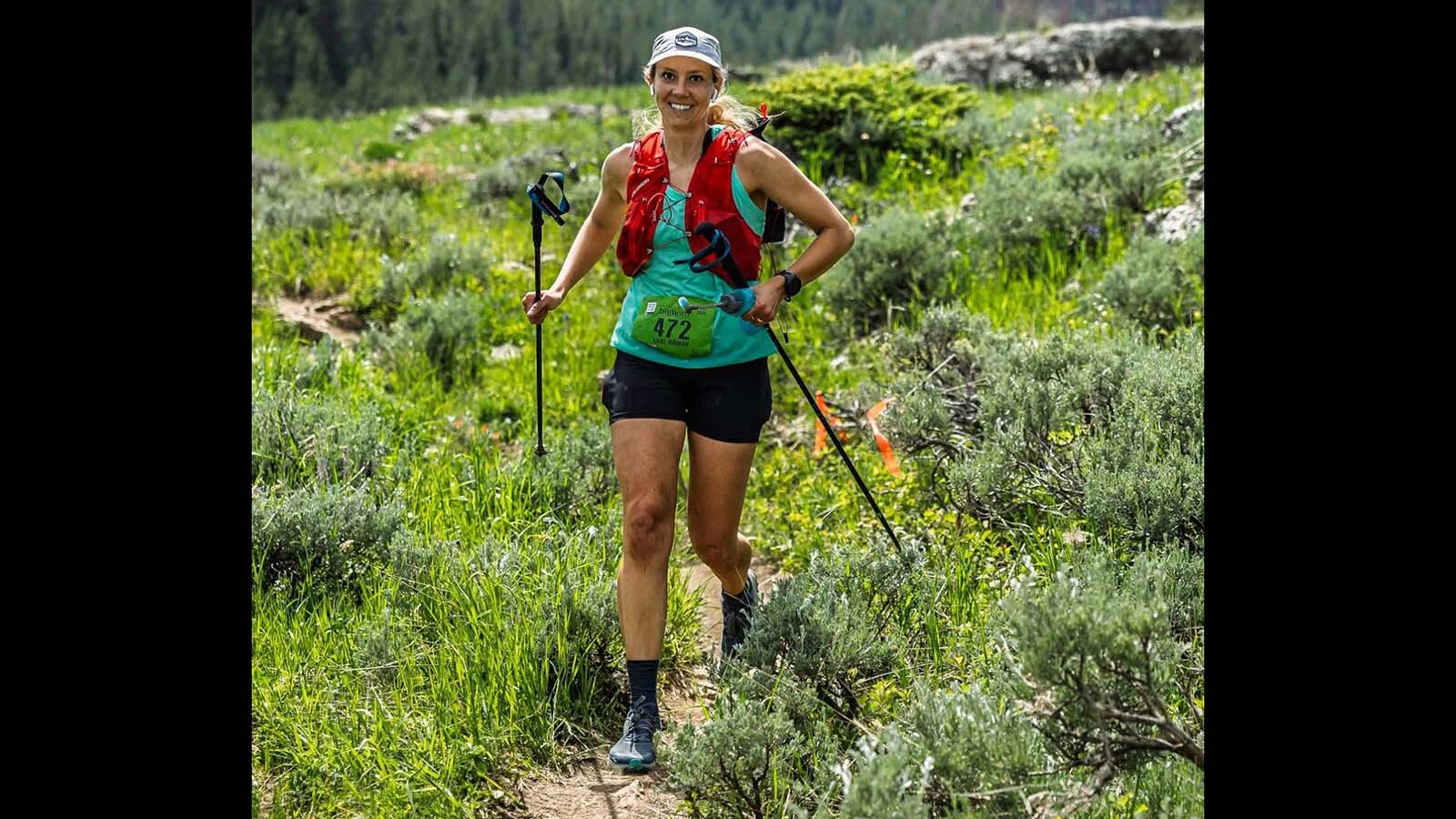
Anne Hinman navigates a stretch of mountain trail during the Bighorn Trail Run. Hinman has completed the race five times and says the steep climbs and long hours test runners physically and mentally. (Anne Hinman) 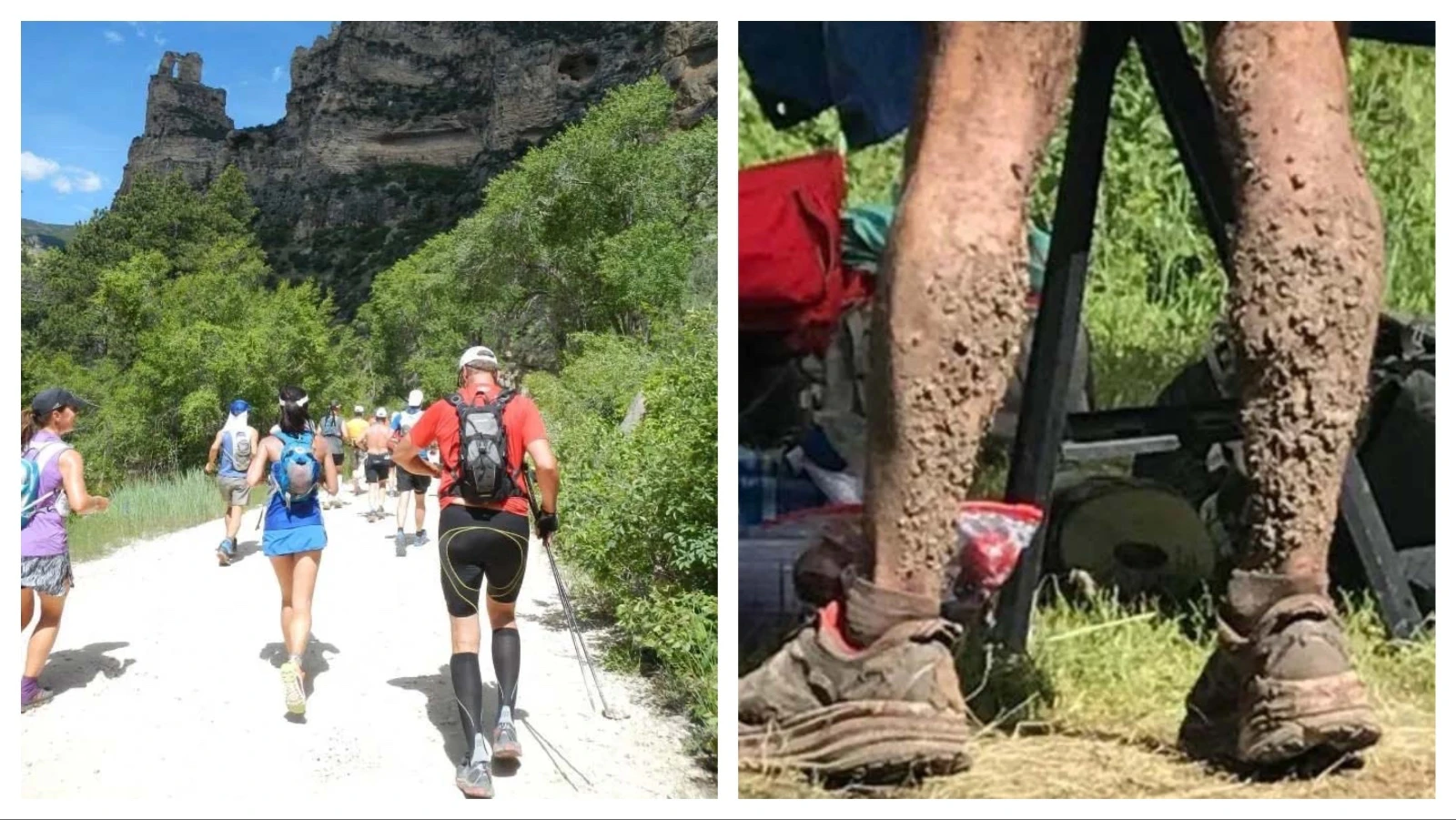
The Bighorn 100 is one of the nation's most challenging ultramarathons, crossing the mountains of northern Wyoming starting and finishing in Dayton. (Bighorn Trail Run) 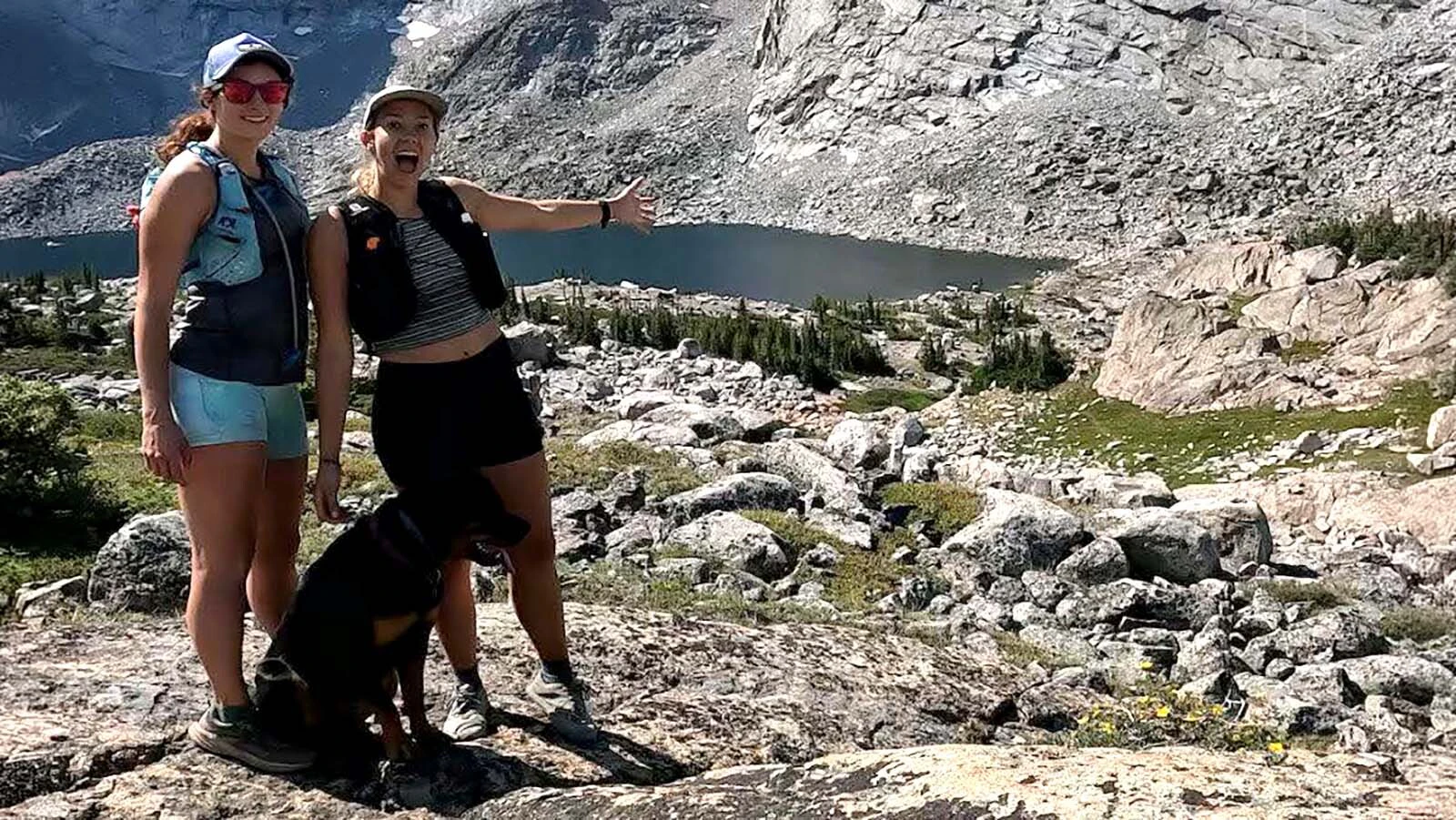
Anne Hinman, right, poses near Wyoming's Cloud Peak during a mountain adventure. Hinman says Wyoming's rugged landscapes helped inspire her love of trail running and endurance sports. (Anne Hinman) 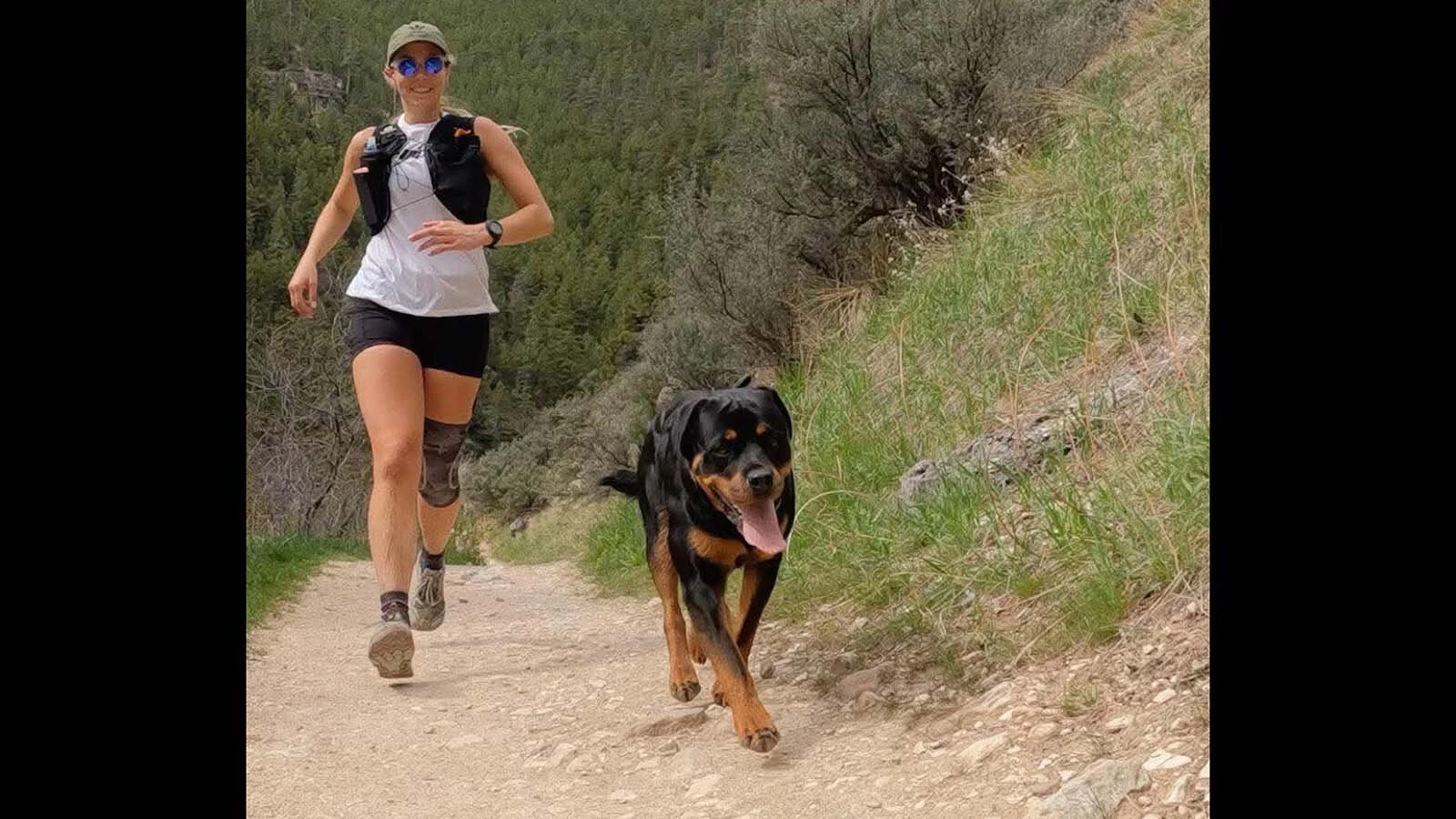
Anne Hinman trains on a Wyoming trail alongside her dog. Weekend long runs are a key part of preparing for ultramarathons like the Bighorn 100. (Anne Hinman) 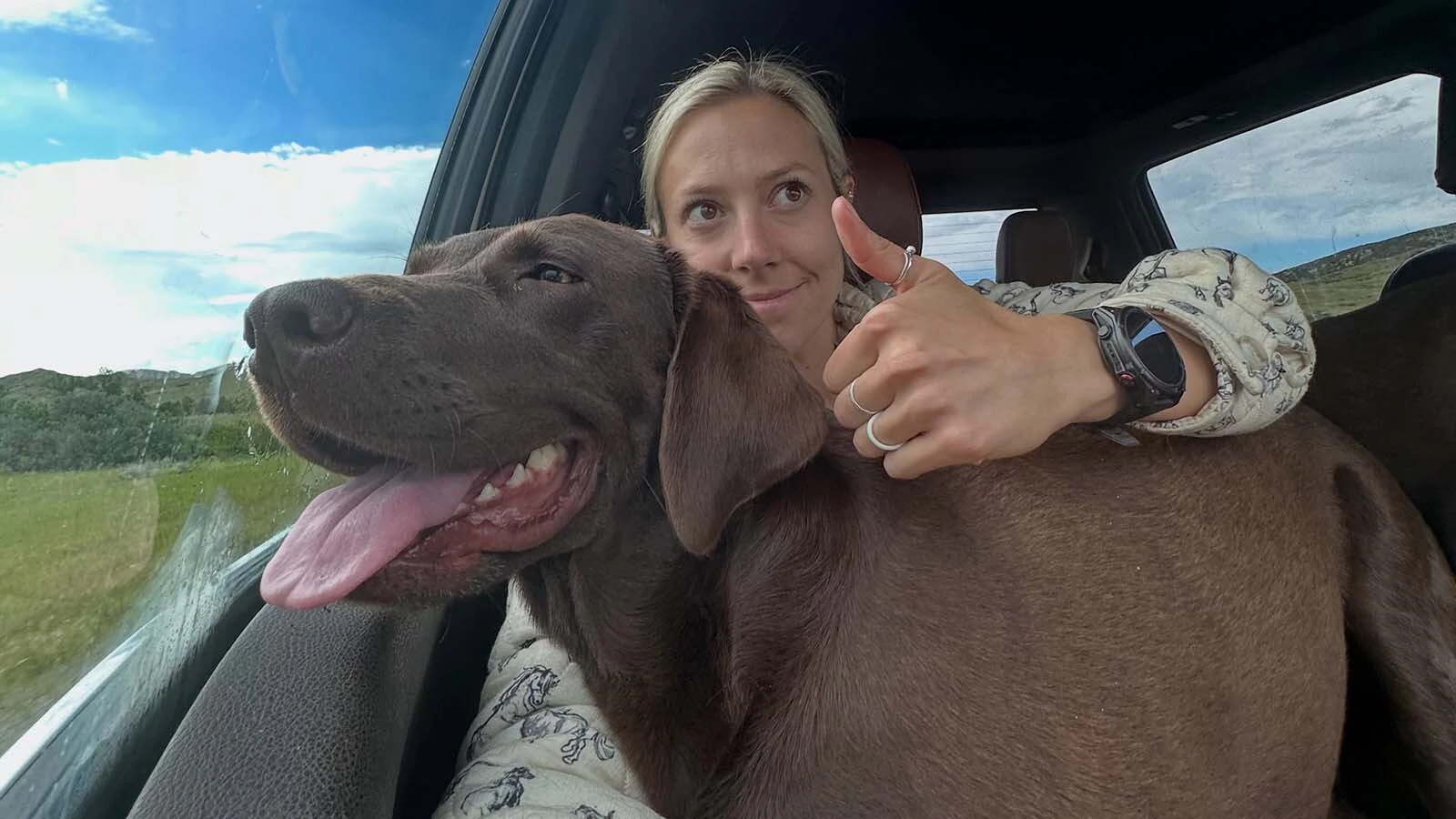
When she's not training for ultramarathons, Anne Hinman spends time exploring the West with her dog. Hinman balances a full-time marketing career with the demanding training required for long-distance trail races. (Anne Hinman)
Hallucinations
The strangest part of ultrarunning often arrives after dark. By then, runners have been awake for nearly a full day.
They're exhausted, alone and deep in the mountains. Sleep deprivation begins to distort reality.
For Orr, the hallucinations are subtle.
"You'll think you're seeing a human figure, or hearing voices," he said.
For Hinman, they're harder to ignore.
During one nighttime section of a race, she became convinced mice were running across the trail and over her feet for nearly two miles.
"All of the trees became people," she said. "Or horses."
Orr says the experience of how your mind deals with those ultimate challenges can be unsettling at first.
When he completed an overnight crossing of California's Joshua Tree National Park, he said the isolation became overwhelming.
"It's truly terrifying when you realize how alone you are," he said.
Eventually, however, something changes.
"The mind just kind of accepts it after a while," Orr said. "And it's really quite peaceful after that acceptance."
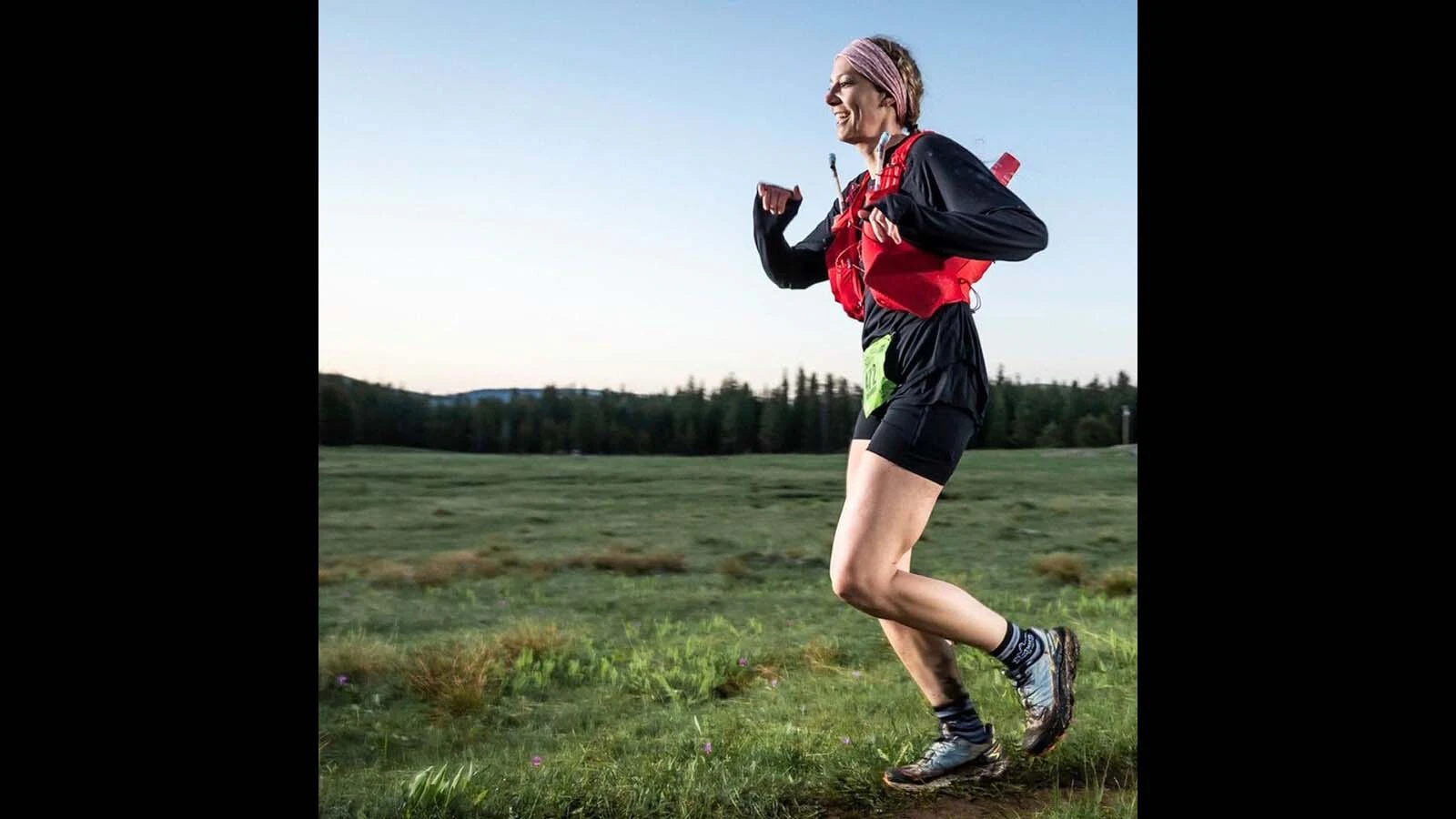
Anne Hinman runs through Wyoming's high country during a previous Bighorn Trail Run. The former University of Wyoming soccer player says ultrarunning has taught her to push past fear and embrace discomfort. (Anne Hinman) The Bighorn 100 is one of the nation's most challenging ultramarathons, crossing the mountains of northern Wyoming starting and finishing in Dayton. (Bighorn Trail Run) 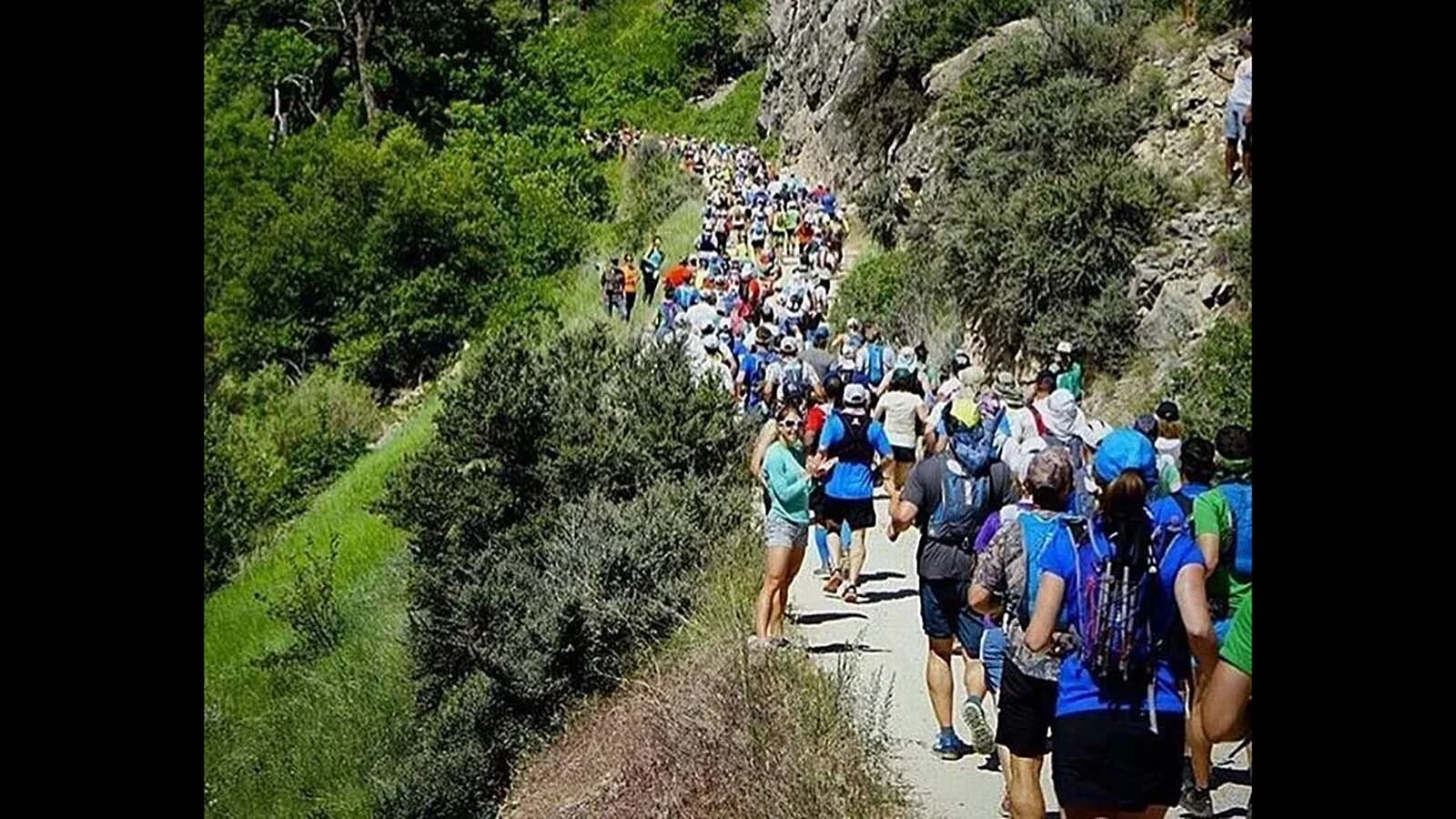
The Bighorn 100 is one of the nation's most challenging ultramarathons, crossing the mountains of northern Wyoming starting and finishing in Dayton. (Bighorn Trail Run)
The Voice
At some point, every ultrarunner hears a voice that says “stop."
It’s the voice that says you've gone far enough and starts pointing out the absurdity of voluntarily running 100 miles through the mountains.
Hinman hears it every race.
"Please stop," she remembers the voice telling her. "This is dumb. You shouldn't be out here."
Her solution is simple — make it to the next aid station, then reassess.
Nine times out of 10, she keeps going.
The physical pain, though, is impossible to avoid.
"Every step hurts," she said.
Orr broke a toe during a 47-mile Grand Canyon effort and severely damaged a hamstring tendon during his first 100-mile race. He finished anyway.
That's part of the bargain, he said.
"It's not a matter of if," Orr said of injuries. "It's a matter of when."
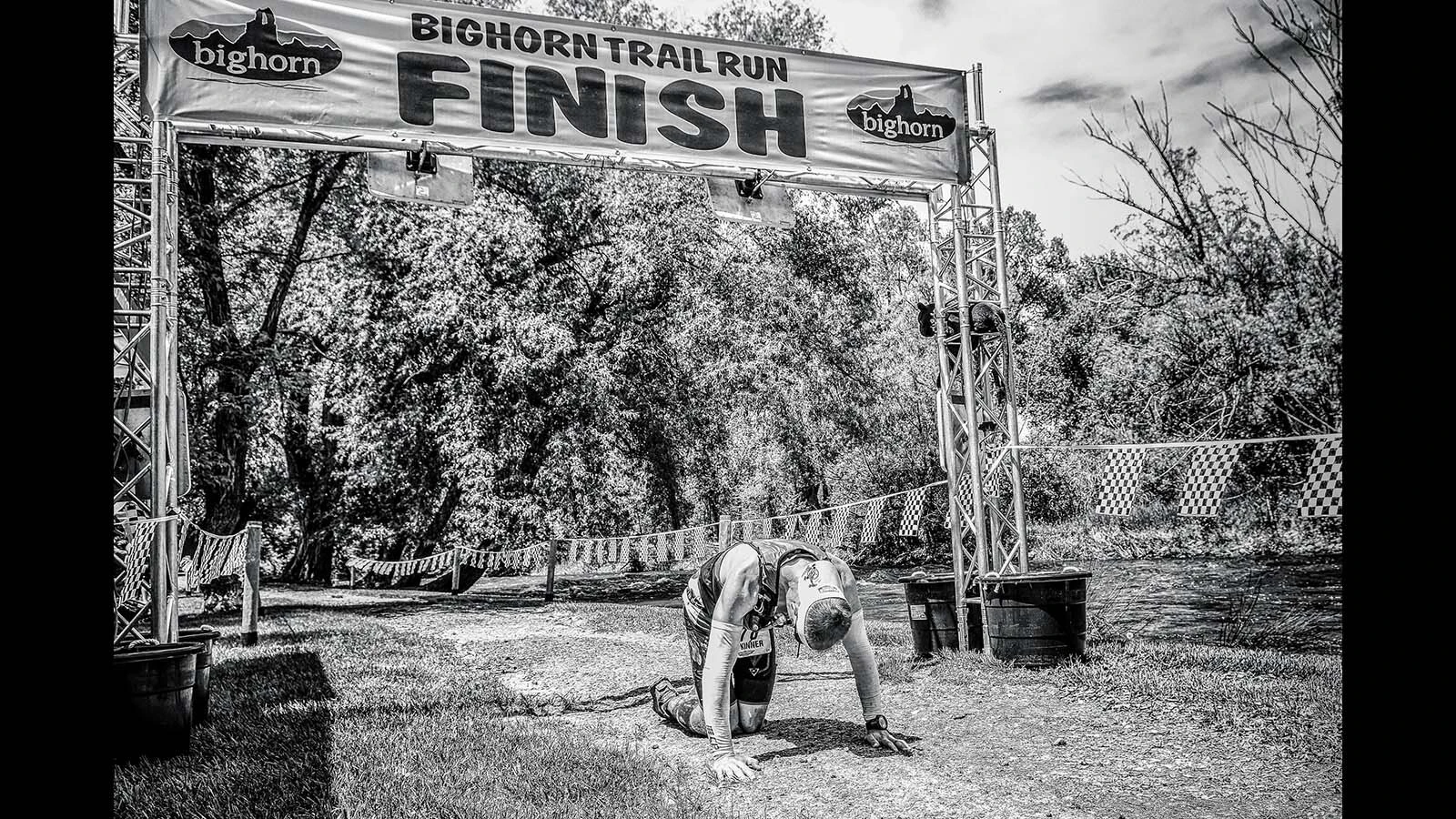
Finish Line
Despite the image of solitary runners disappearing into the wilderness, ultrarunning is rarely a solo effort.
Orr's girlfriend flew from Maine to crew for him while studying for her nurse practitioner certification exam. His brother drove from Powell to help at later aid stations. A pacer he'd never met before joined him for the final 32 miles.
"It's a good way to get to know somebody," Orr joked.
For many runners, the support crew becomes just as important as the training. They hand over fresh shoes, refill water bottles, offer encouragement and, when things get dark, help convince exhausted runners to keep moving.
Eventually, a 100-mile race stops being about running.
It becomes a test of what a person can endure through a sleepless night in remote terrain — through aching muscles, stomach troubles, phantom voices and trees that suddenly look like people.
For reasons even many runners struggle to explain, they keep coming back.
One painful step at a time.
Kolby Fedore can be reached at kolby@cowboystatedaily.com.