
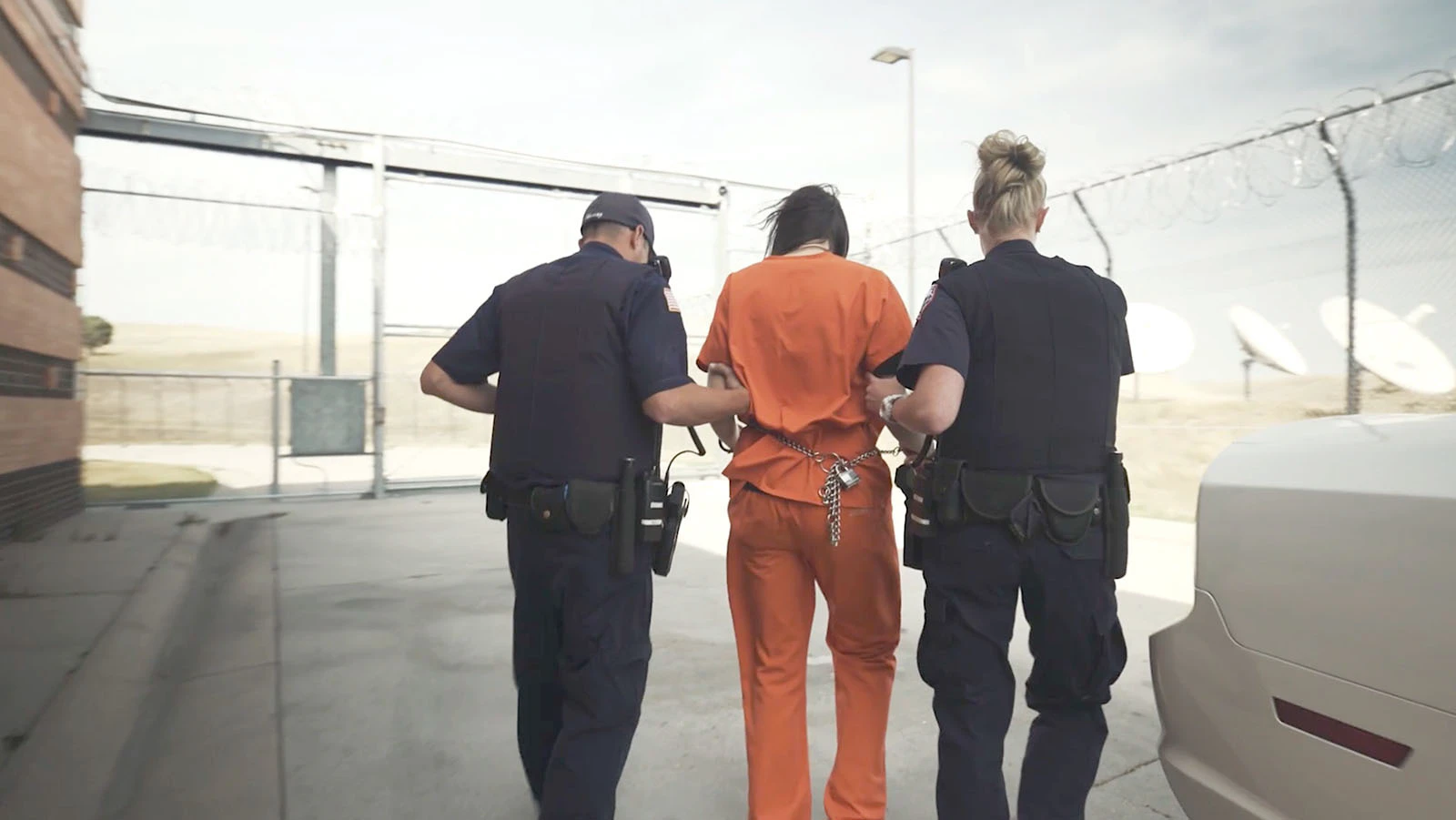
The Wyoming Department of Corrections (WDOC) has been chronically understaffed for years, and despite multiple recruiting efforts still has 109 vacant positions across the state, including 66 uniformed corrections officers.
That's only three fewer vacancies than the agency had a year ago, yet prison officials say they're making progress.
Employee retention has climbed from 79% in fiscal year 2022 to 88% in fiscal year 2025. The number of Wyoming inmates housed in a private Mississippi prison has been cut in half.
And now the department is trying something new: recruiting military service veterans before they even leave the armed forces to take advantage of training that meshes well with transitioning to being corrections officers.
Through a new partnership with the U.S. Department of Defense's SkillBridge program, transitioning service members can train with the Wyoming Department of Corrections before separating from active duty, creating what officials hope will become a new pipeline into correctional careers.
Whether that pipeline can help solve one of Wyoming government's most stubborn workforce challenges remains to be seen.
A Problem Years In The Making
The staffing shortage facing Wyoming's prison system didn't appear overnight.
Current WDOC officials and former leaders have spent years warning lawmakers about recruitment and retention struggles inside Wyoming prisons.
Among them was former WDOC Director Bob Lampert, who led Wyoming's prison system for nearly 17 years before retiring in 2023. At the time, he was the longest-serving state corrections director in the nation.
Looking at the current vacancy numbers, Lampert sees a familiar challenge.
"The total number of vacancies I don't think has changed a whole lot," he told Cowboy State Daily. "Corrections has been working hard on recruitment and retention, but at the same time there's either not been any ground gained, or there's been some loss."
Current WDOC Director Dan Shannon was unavailable for an interview for this story because of travel commitments. Questions were answered through department spokeswoman Stephanie Dack.
"Staff retention has always been, and remains, a top priority for the Wyoming Department of Corrections," Dack said.
The department reports overall employee retention reached 88% during fiscal year 2025, up from 79% in fiscal year 2022. Despite that, it’s gained almost no ground in making up the vacancy gap.
Dack said retention efforts have focused on leadership development, workplace culture, employee wellness programs, and compensation improvements.
The work appears to be helping, but filling prison jobs remains difficult.
Why Nobody Has Solved It
Correctional staffing shortages aren't unique to Wyoming.
Eric Wodahl, associate dean and professor of criminal justice at the University of Wyoming, said corrections agencies across the country have struggled to recruit workers for years.
Part of the challenge is simple economics.
Historically, correctional jobs have often paid less than other criminal justice professions, particularly law enforcement.
Money isn't the only issue, however.
The work frequently involves nights, weekends, and holidays. Employees face stress, potential danger and the challenges of working with incarcerated populations that often include people with significant mental health, behavioral and substance abuse issues.
"You're kind of incarcerated yourself," Wodahl said, describing the reality of spending long shifts inside secure facilities.
Location can make things harder.
Many prisons are located in rural communities where labor pools are smaller and where spouses or partners may struggle to find employment.
Lampert said Wyoming has long faced that challenge.
Rawlins, for example, has historically been both a prison town and a railroad town. Not everyone who grows up there wants to work in corrections, and prisons must compete for workers against energy companies, transportation jobs, retailers and other employers.
"History has shown that pay alone isn't necessarily going to fill the gaps," Lampert said.
Retaining staff also requires quality training, strong supervision, opportunities for advancement and support for employees dealing with the stresses of the job, he said.
Allison Escobedo, a criminal justice professor joining the University of Wyoming this fall, said corrections work can also be uniquely isolating.
Not only are many facilities geographically remote, she said, the profession itself can be difficult for outsiders to understand.
"It's such a unique job," Escobedo said. "Others in what would be considered criminal justice positions — social workers, police officers, etc. — still can't even really relate to corrections work because it's so different."
More Than Just Guards
One of the biggest misconceptions about corrections is that the public often sees correctional officers as little more than guards, Lampert said.
The reality is much more complicated.
"There's not too many people in prison that are there for singing too loud in church," Lampert said.
The work involves managing difficult populations, maintaining safety, and responding to crises.
Beyond security duties, corrections officers help reinforce positive behaviors, model productive habits and encourage inmates to address the problems that landed them in prison.
"It's a lot more than guarding," he said. "It's basically helping individuals in a way that's not visible to the public."
That mission, academics say, may be part of what attracts certain people to the profession despite its challenges.
Wodahl said correctional work offers an opportunity to contribute to public safety while also helping people improve their lives before returning to their communities.
"There is a strong community that develops among people who work in the profession together," he said.
Mississippi And Back Again
The staffing crisis became impossible to ignore when Wyoming began sending inmates out of state.
At one point, the department housed 240 Wyoming inmates in a private Mississippi prison because staffing shortages limited its ability to safely operate facilities at home.
That number has been reduced to 120.
Dack said staffing improvements at the Wyoming State Penitentiary have allowed the department to bring back 125 male inmates while also returning female inmates to the Wyoming Women's Center after temporary operational adjustments.
The remaining inmates, however, cannot return until staffing improves further.
Lampert is familiar with that situation.
When he first arrived in Wyoming, inmates were also housed out of state. During his tenure, the department expanded facilities and eventually brought them all back.
While private prisons can sometimes provide short-term relief, Lampert said Wyoming's own facilities generally offer stronger training, continuity and services.
"I was always very proud of the staff that we did have," he said.
Looking To Veterans
Now the WDOC is turning to military veterans.
Through SkillBridge, service members in the final months of military service can work with civilian employers while still receiving military pay and benefits.
Participants approved by their commanders can train with the WDOC, gaining experience in facility operations, security procedures, de-escalation techniques and correctional law before potentially moving into full-time employment.
The appeal is obvious.
"Military service and correctional work align in several important ways, including discipline, physical readiness, mental resilience, adaptability and teamwork," Dack said.
Lampert agrees. During his years leading Wyoming corrections, veterans consistently performed well.
"All of the veterans that we recruited, without exception, in my opinion, were excellent correctional officers," he said.
A Familiar Mission
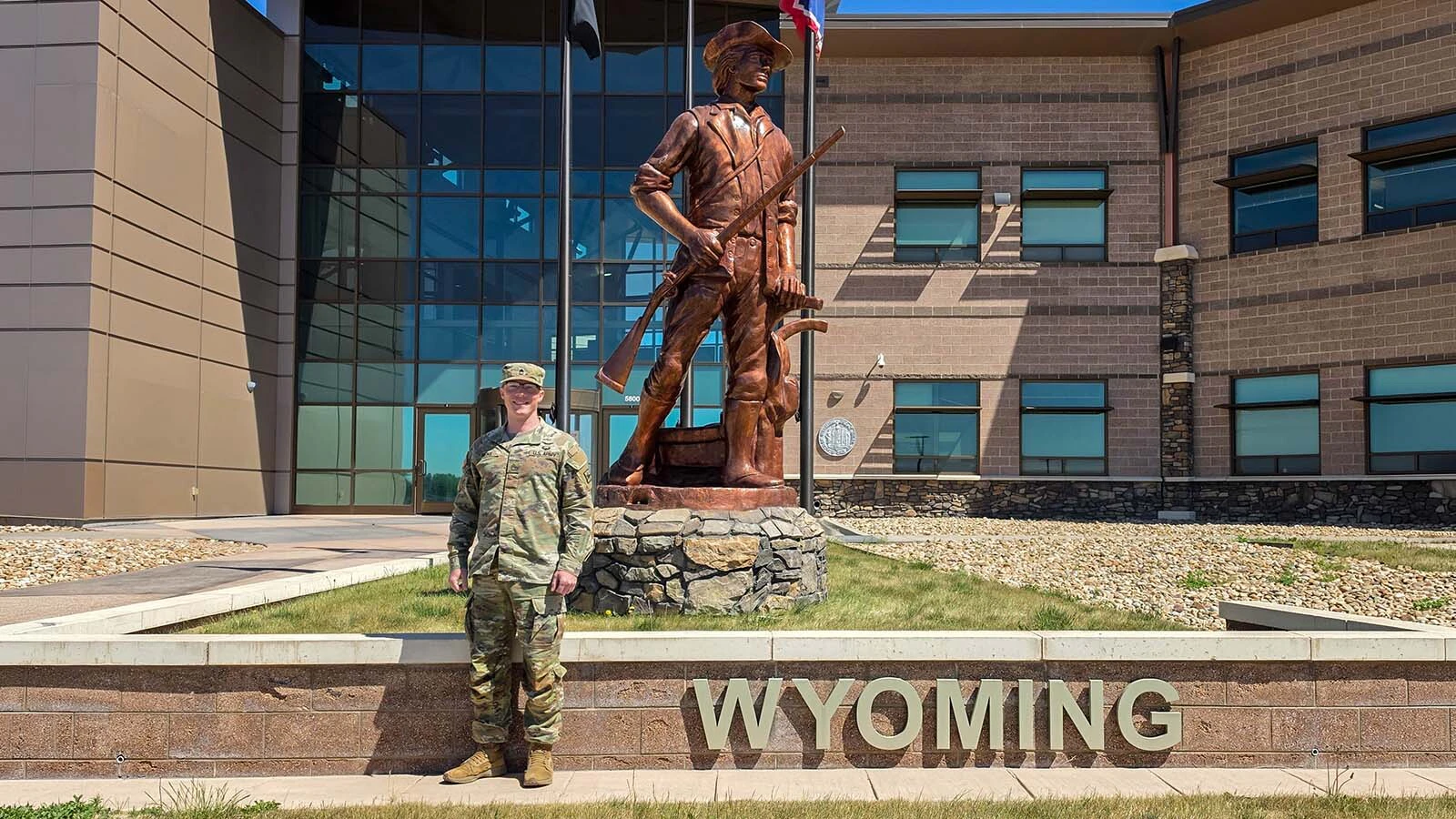
Sgt. 1st Class Clive Rieke, the Wyoming Army National Guard's AGR branch NCOIC, helps service members navigate the transition from military life to civilian careers.
One of the biggest challenges is culture shock, he said.
Military members spend years immersed in a world with its own language, structure and expectations.
"In the military, your unit is kind of like your family and you have a clear-cut mission," Rieke said.
That sense of purpose doesn't always exist in civilian workplaces.
Many veterans also struggle to translate military experience into terms civilian employers understand. Programs like SkillBridge are designed to close that gap by allowing service members to explore careers before fully leaving the military.
Research suggests veterans may bring skills that naturally fit correctional work.
Escobedo said a recent study found veterans entering corrections careers reported greater confidence in their leadership abilities, teamwork skills and interpersonal effectiveness than their non-veteran counterparts.
Those are exactly the qualities corrections agencies are seeking.
Although no Wyoming service member has yet entered WDOC through SkillBridge, Rieke said the department is a relatively new participant in the program.
Nationally, however, interest in law enforcement and corrections careers has increased among transitioning service members.
Because SkillBridge operates through the Department of Defense, Wyoming's potential recruiting pool extends far beyond its borders.
A soldier preparing to leave military service in New York, Texas or North Carolina can see the same Wyoming opportunities as a service member stationed in Cheyenne.
"Wyoming sells itself," Dack said.
Progress, Not A Cure
For now, SkillBridge remains one piece of a much larger staffing puzzle.
The department's first-year goal is simply to establish the program and begin building a pipeline.
Wyoming's numbers suggest the department is making progress.
Retention is up.
The number of inmates being housed in Mississippi is down.
But more than 100 job vacancies remain.
Whether SkillBridge becomes a meaningful solution — or simply another tool in a long-running staffing battle — may ultimately depend on whether Wyoming can convince veterans that correctional work offers something many service members seek after leaving the military: another chance to serve.
Kolby Fedore can be reached at kolby@cowboystatedaily.com.


