
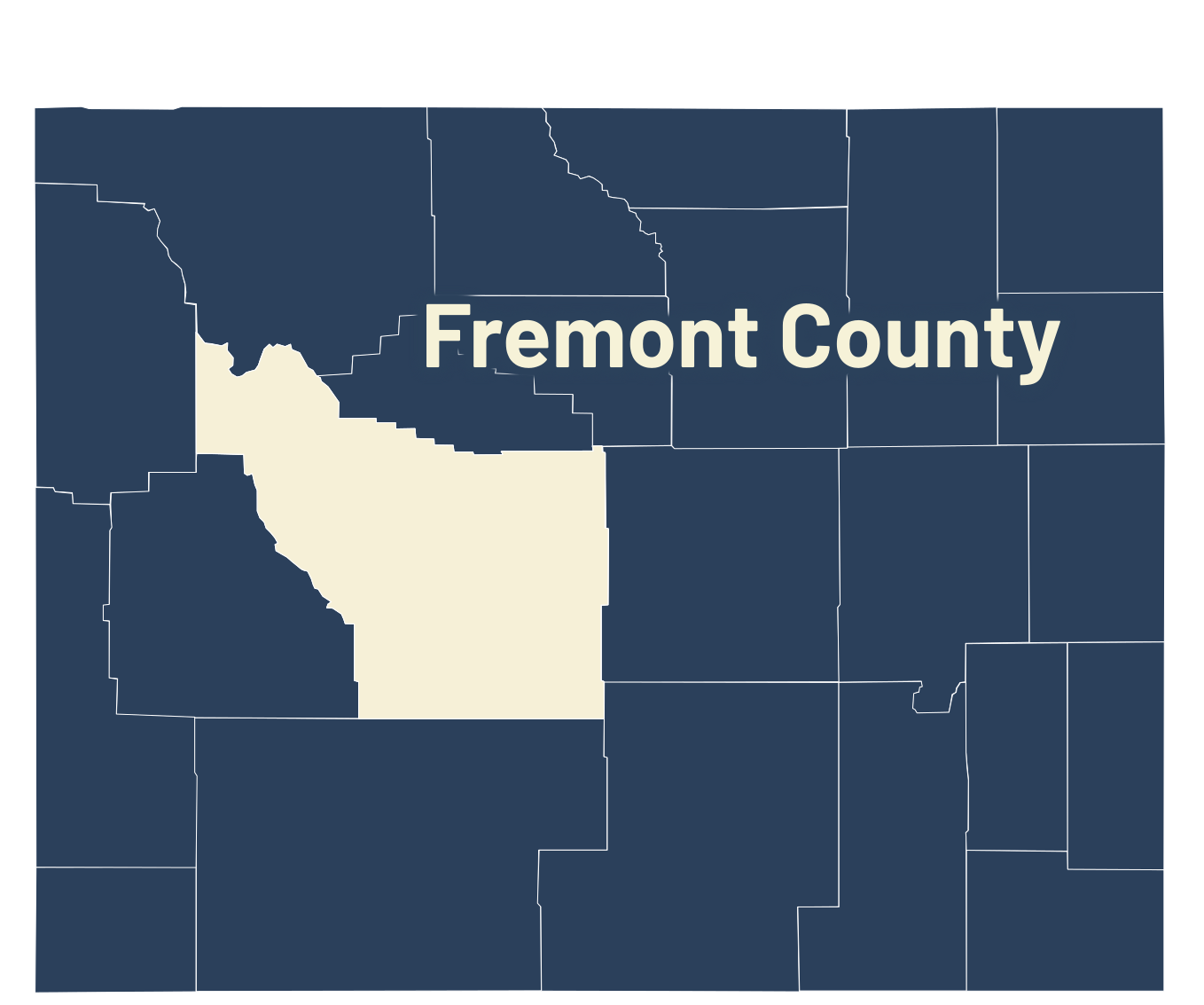
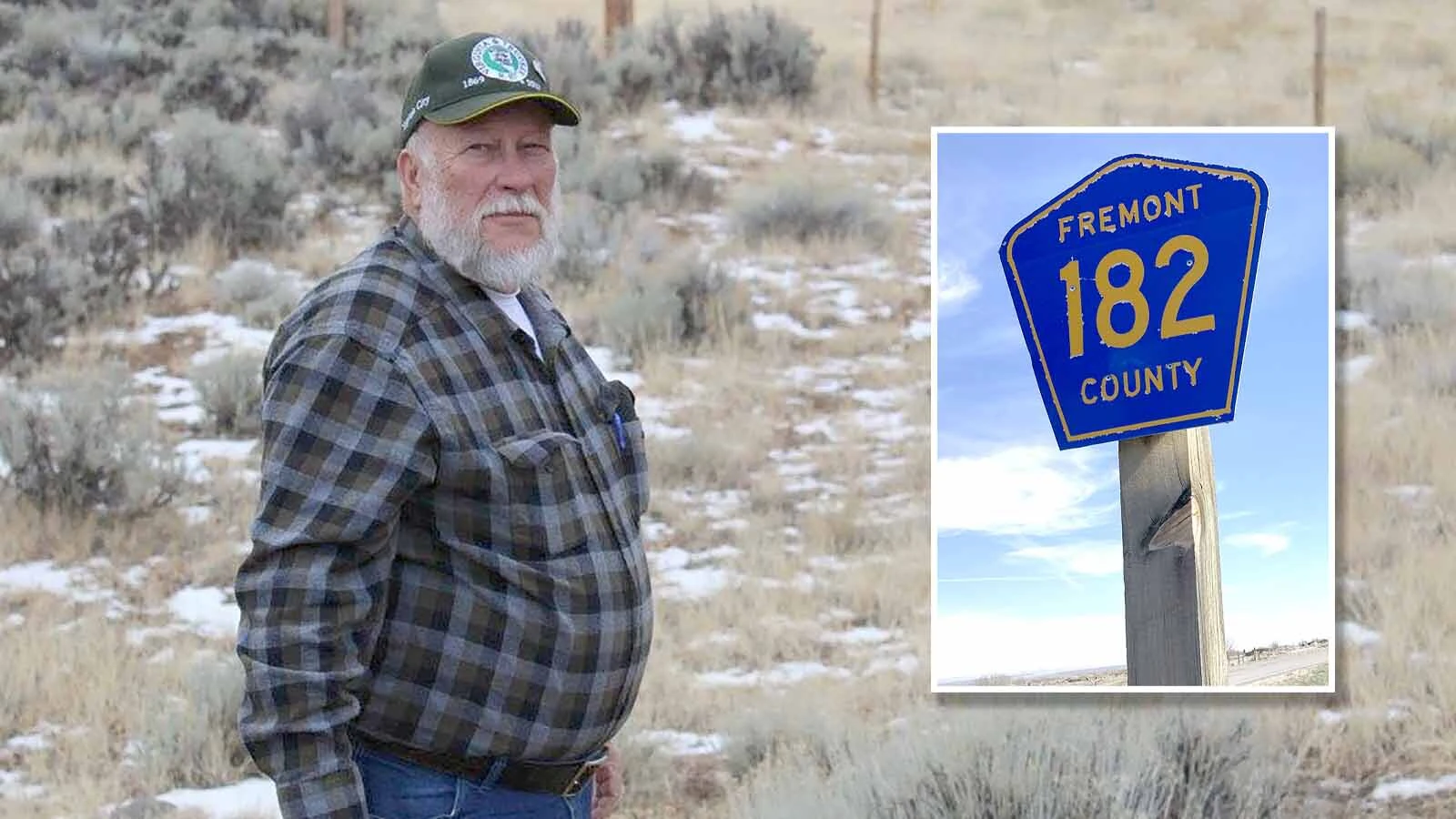
When former Fremont County coroner Ed McAuslan arrived in Riverton, Wyoming, as a young police officer in January 1973, the town was rougher than it is now.
“When I first came here, it was a little more wild,” McAuslan said. “There were bombings and just all kinds of things went on back then.”
McAuslan said that a bomb had been placed under the patrol car of Undersheriff Duel Price. The car was parked in his driveway at Price’s home when the explosion rocked the neighborhood.
No one was hurt, but McAuslan said that it was incidents like the bombing were the on-the-job training he and other rookie cops received.
There was no police academy in the 1970s and McAuslan learned the intricacies of his job on the streets of Riverton.
Much of the town's crime centered around the numerous bars in Riverton. McAuslan said that just at the intersection of Third and Main streets there were three bars on the street corners.
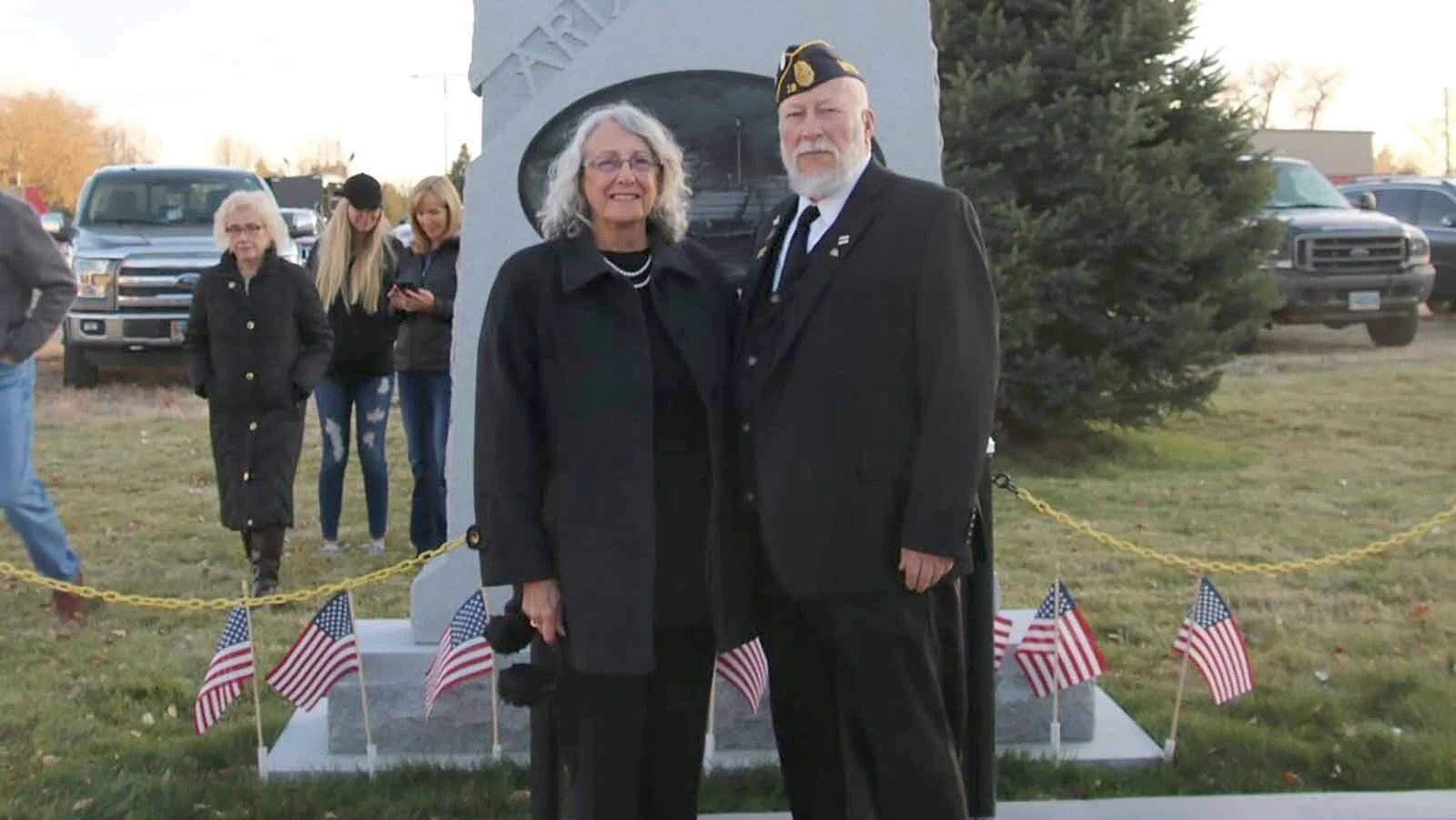
A Life Dedicated To Law Enforcement
McAuslan had gotten into law enforcement by chance.
In 1962, he had joined the military and spent his tour of duty at Vandenburg Air Force Base in California during the early days of missiles.
He said that the base test-fired missiles and for the next four years, he was a motion picture lab technician working with film of the missile launches, mostly to the South Pacific.
He left in 1966 and returned home to Wyoming where he earned a Bachelor of Science degree in Wildlife Management. After graduating, McAuslan was unable to find work in his chosen field.
“I was married with a young son to support,” McAuslan said. “There were only two openings with Wyoming Game and Fish and 75 applicants.”
The chief of Police in Glenrock encouraged him to apply for a job, and in May 1972, McAuslan was employed as a patrol officer.
He soon transferred to Riverton and hit the streets in January 1973 as a rookie cop, acquiring knowledge as he went.
His first lessons involved learning the city laws and statutes.
“Our job was to patrol and try to keep the crime down,” McAuslan said. “We also had the responsibility of working traffic and doing accident investigations. We covered the whole aspect of it.”
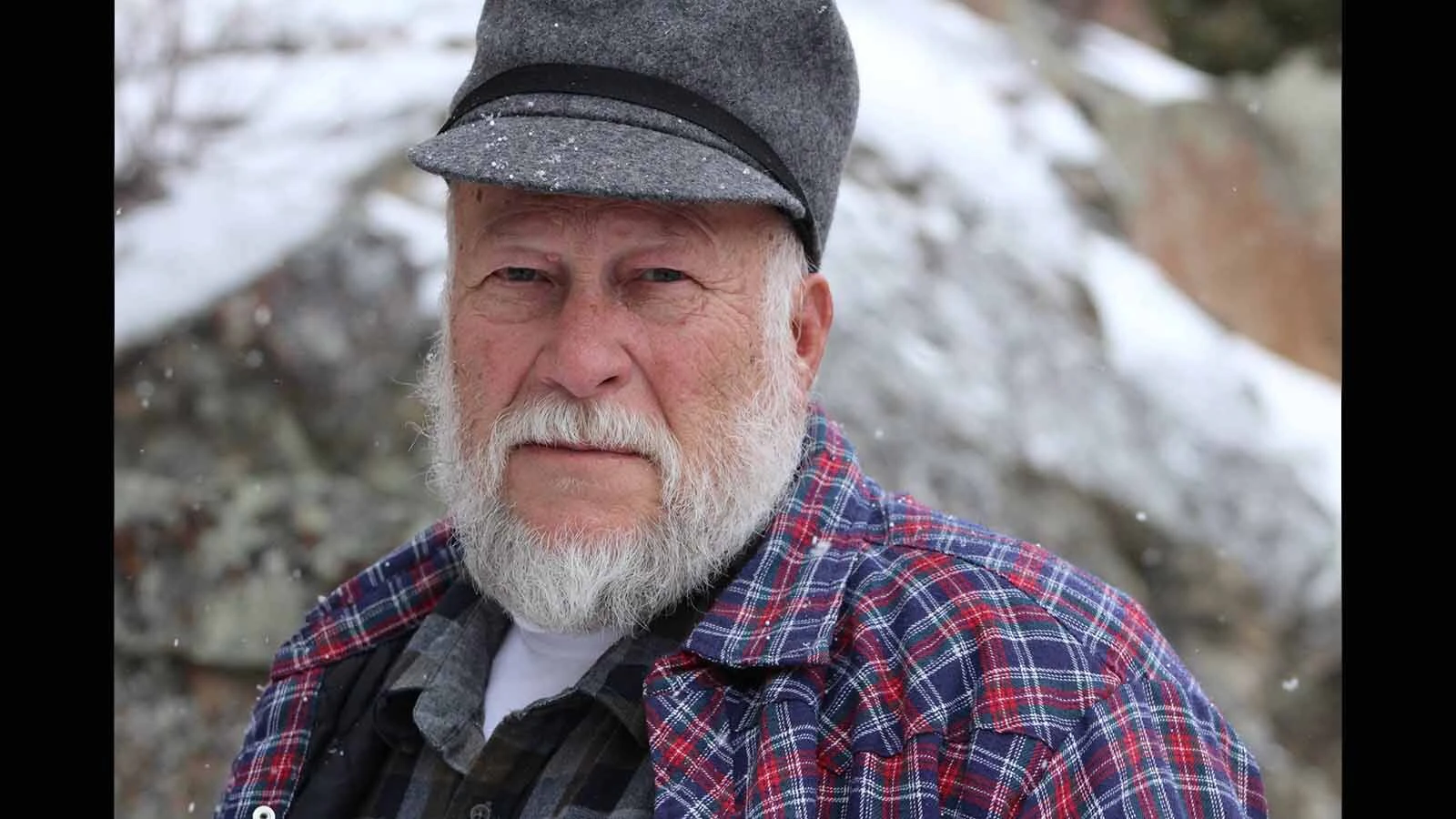
Investigator And Coroner
McAuslan was a patrol officer for only 10 months before being promoted into investigations.
It was there that the rookie learned how to investigate major crimes like burglaries and homicides. He was no longer a traffic cop, but it also meant long hours since McAuslan was always on call.
His duties increased when, in 1975, Fremont County Coroner Larry Lee asked Police Chief Dennis Horyza if McAuslan could assist with death investigations.
It was approved. The same year, McAuslan also became an EMT and worked with the Fremont County Ambulance until 1990.
“For a long time, the coroners of the state were just funeral directors,” McAuslan said. “But things got to the point where they did more investigations.”
Lee was a funeral director and fire chief when he asked McAuslan to help him with death investigations. Their jurisdiction covered all of Fremont County and the Wind River Reservation.
McAuslan worked in law enforcement and in the coroner’s office for the next 24 years.
When Lee retired in 1998, McAuslan was elected to the office in Lee’s place in 1999 and retired from the Riverton Police Department.
McAuslan became a coroner full-time and held the post until his own retirement in 2014.
“Working with families during a death, whether it is natural, accidental or a homicide, is the most difficult part,” McAuslan said.“My job was to determine the cause and manner of death, and to assist families however I could. Having compassion is the most important thing there is.”
McAuslan said that it was crucial to remember to always have respect for the people no matter how they treat you.
He related almost being attacked when he brought news of a husband’s death in a car crash to the victim’s wife. She reacted in a hate-filled rage and went after McAuslan.
McAuslan said that although he was just the messenger, he knew he could become the target of the loved ones' anger and learned not to take it personally.
That day, he was grateful he had taken a pastor with him who was able to calm the grief-stricken woman while McAuslan tactfully withdrew from her home.
“If you can't respect the people and what's going on with them, then you need to get another profession,” McAuslan said. “You can't react to how they treat you because it is a very difficult circumstance.”
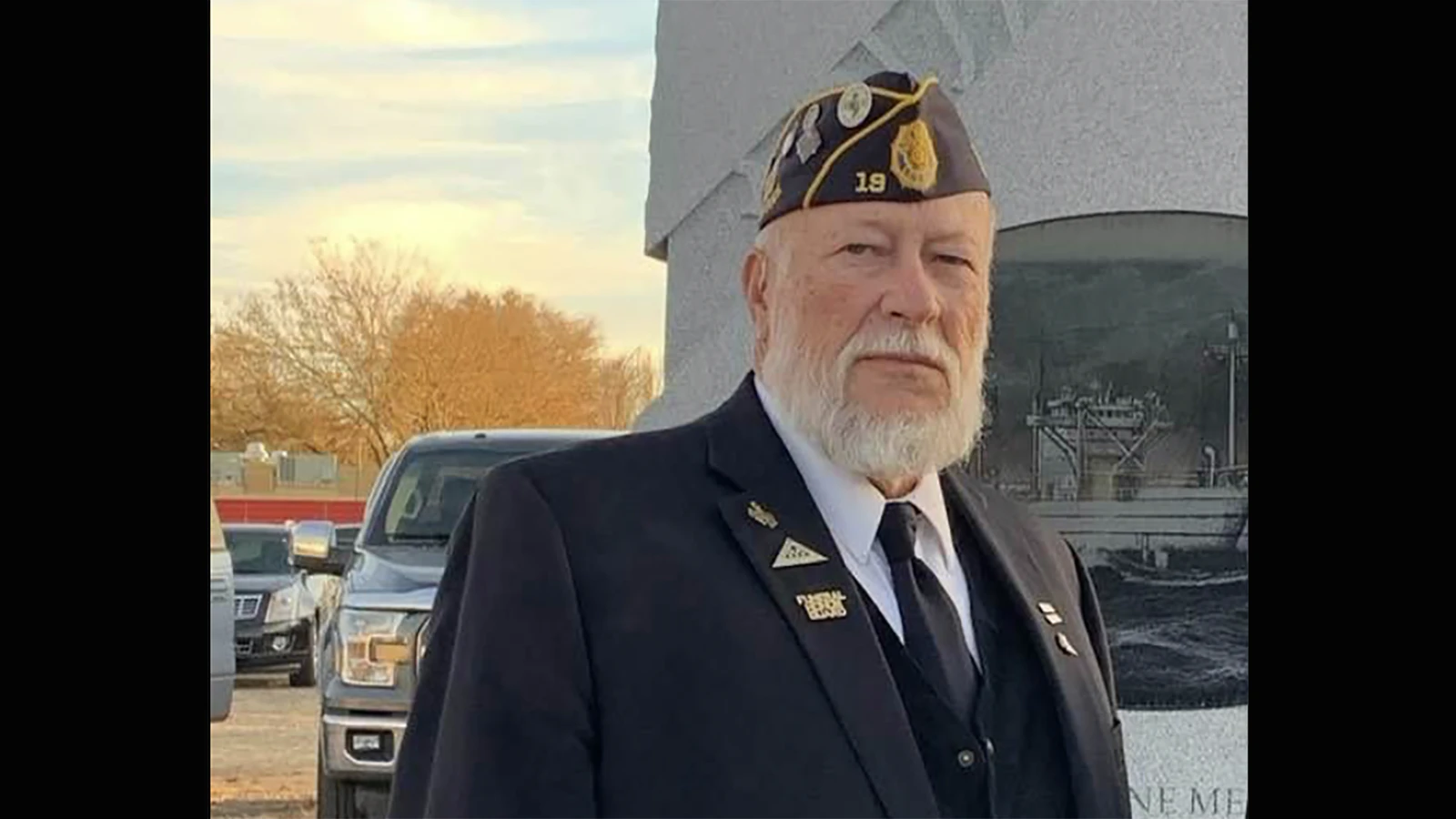
Bridging Cultures
Since McAuslan had jurisdiction over the reservation, he also had to learn to deal respectfully with two different cultures. He worked closely with several tribal members over the years, including Georgianna “Georgie” Crawford and Willie Le Clair.
One example he cited was when they were dealing with a hit-and-run homicide on the reservation and the family was not allowed to enter the scene.
They asked McAuslan to allow a tribal elder to bless the body, and he was able to convince the FBI and Indian Police that this could be could be done without disturbing the investigation.
“I made a habit of keeping a braid of sweet grass in each vehicle,” McAuslan said. “If the family wanted something like that, we always had it with us.”
Preventing Deaths
During McAuslan’s many years as coroner, suicide was a big issue and he became proactive in preventing them, especially with youth.
“Georgie and I spent a lot of time with the kids and we covered the entire county,” McAuslan said.
He was working for the coroner’s office when in 1985, a rash of suicides by hanging ultimately claimed the lives of 12 young men from the Wind River Indian Reservation, while 88 others fortunately failed in their attempts.
During this time McAuslan, Crawford and others doubled their efforts to reach the kids and stop the deaths.
Eventually, the hangings stopped following a Tribal Ceremony, but left behind grieving families.
McAuslan said that another aspect of suicide that is not considered is how no one talked about cleaning the scene following a suicide. This was left to family or friends.
It broke his heart as he witnessed the additional pain mothers especially were put through.
“At that time, I realized that an issue no one talked about was how messy it was when someone shoots themselves,” McAuslan said. “I was able to talk to some people and get some money to establish the fund to do cleanup so the families didn't have that responsibility.”
McAuslan said that it takes a special person to be willing to clean up a suicide scene and he finally had a young intern, Erin Ivie who took over the job.
After proving that she had the same compassion as McAuslan, Ivie is currently the Fremont County Coroner.
Compassion
McAuslan said that one of the hardest investigations as a coroner was when someone lost a child to SIDS.
There is usually no explanation for the death and so rather than prevention, he and Crawford set out to give as much support to the grieving families as possible.
In the early 2000s, their compassionate approach received national attention and they were invited to make a presentation at the National SIDS Conference in Orlando, Florida.
“We would have families who felt ostracized,” McAuslan said. “The only help we could give them was to support them as we did our investigation.”
McAuslan learned to not rush the families and to sit with them as they held their children for the last time.
“It's not natural for a parent to lose a child,” McAuslan said.
In dealing with so many deaths over the past decades, McAuslan said that he cannot dwell on the horrors he has witnessed but rather on the people he has helped.
“You can't focus on the deaths or you won't survive,” McAuslan said. “I still remember a few cases, like the couple who murdered their children in 1979 and the suicides in the 1980s, but for the most part, I don’t think about them.”
In his retirement, McAuslan has turned to photography and taking classes on petroglyphs at Central Wyoming College.
“It’s important to keep moving forward,” McAuslan said. “To focus on the good.”
Jackie Dorothy can be reached at jackie@cowboystatedaily.com.


