
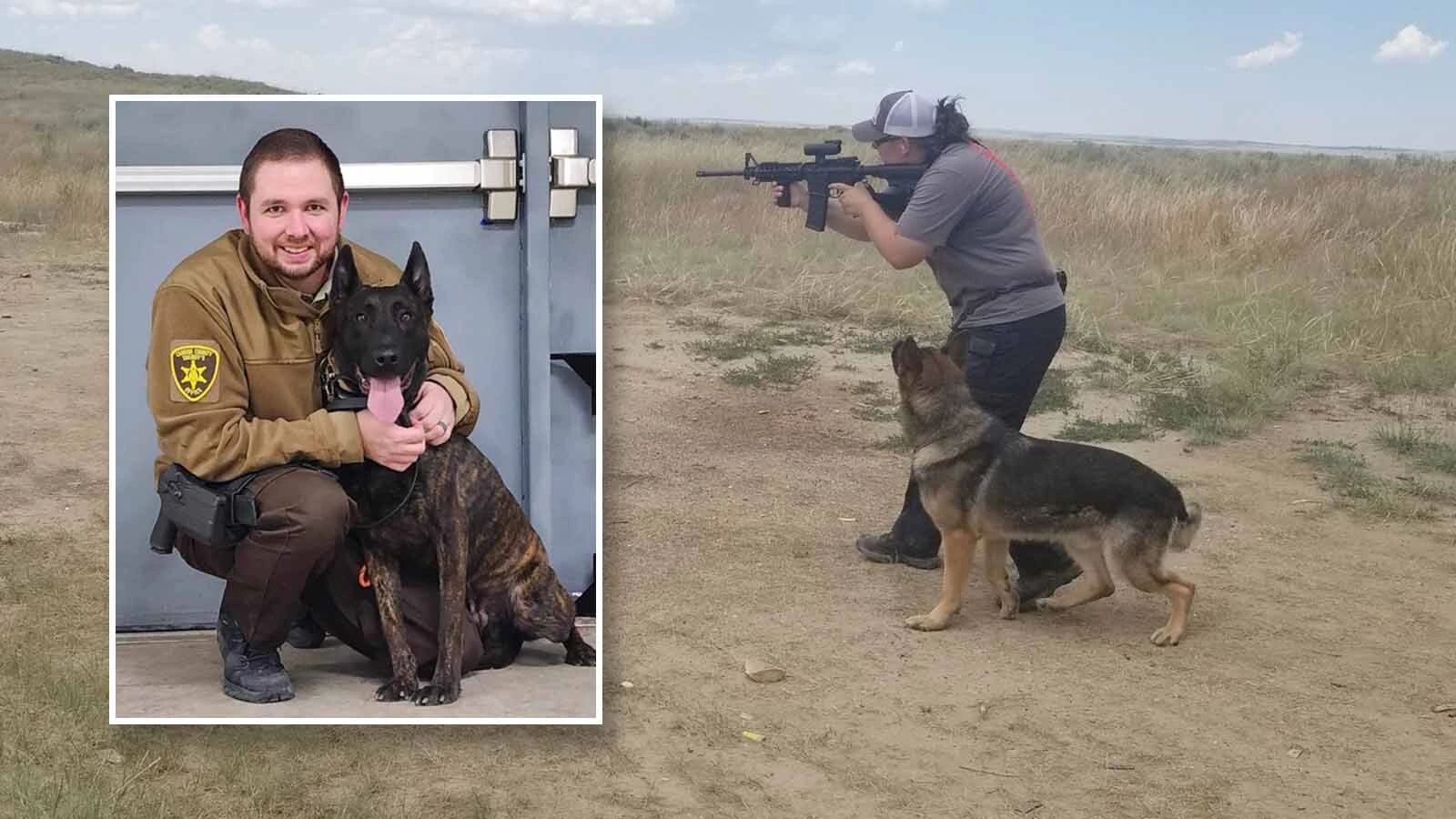
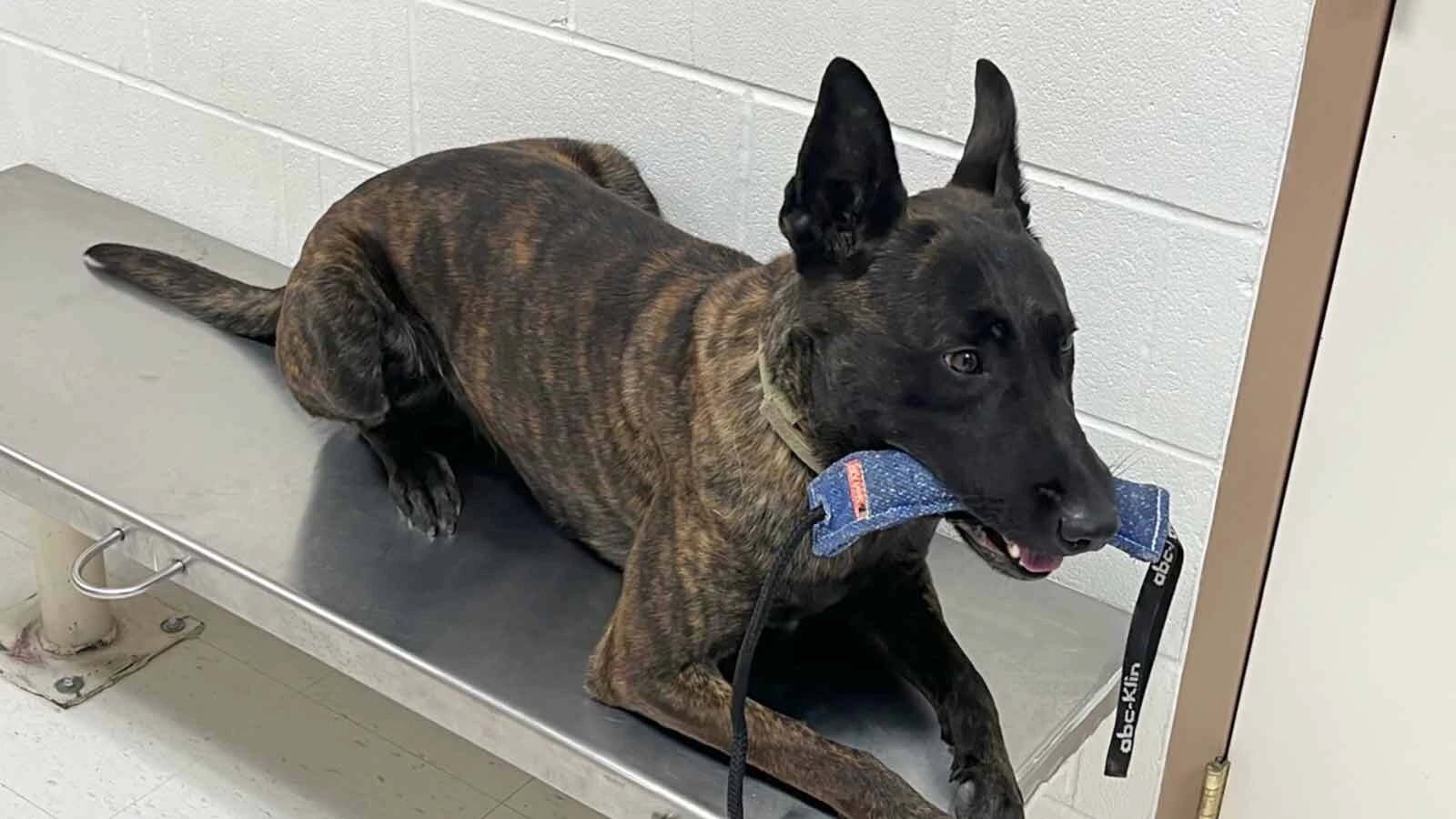
After years of sniffing out drugs, catching bad guys and riding shotgun on some of Wyoming's busiest drug-trafficking corridors, Carbon County Sheriff’s Office K-9 Mako is hanging up the leash.
The Belgian Malinois spent the past three years helping deputies patrol Interstate 80, intercepting narcotics moving through southern Wyoming and chasing suspects.
For police dogs, however, retirement isn't always a straightforward decision.
"These dogs will work as long as you ask them to work," Mills Police Officer Justin Buchholz said. "They are such a vital resource to the community because there's things that dogs can do that human officers can't."
That devotion to the job is exactly what makes retirement so difficult.
Unlike human officers, police dogs don't submit retirement paperwork or announce they're ready to slow down.
Handlers and departments have to decide when age, injuries, illness or declining performance make it time to end a career.
For Mako, Carbon County Sheriff Alex Bakken said the decision came down to a combination of health, quality of life and cost.
The dog is dealing with a severe sinus infection that limits his ability to detect narcotics and an exposed nerve in one of his canine teeth.
Repairing the damage would cost roughly $10,000, while potentially extending his working career only a few years.
"We don't want to just use them until they break down and then get rid of them," Bakken said.
There also are financial and time investments that go into training K-9 officers.
“The costs can vary wildly,” said Bakken. “For just the dog without any base training, you can expect roughly $2,500 to $5,000. That’s on the low end.”
A dog with base training can cost upward of $20,000 “ballpark,” he added.
Built To Work
Dual-certified dogs like Makko are trained in narcotics detection and bite apprehension, meaning they can both locate illegal drugs and physically assist deputies in taking suspects into custody.
The work is demanding. Training involves repeated jumping, biting, tracking and apprehension exercises designed to keep dogs sharp when real-world situations arise.
Buchholz said those physical demands are one reason retirement often comes earlier for dual-purpose dogs than many people realize.
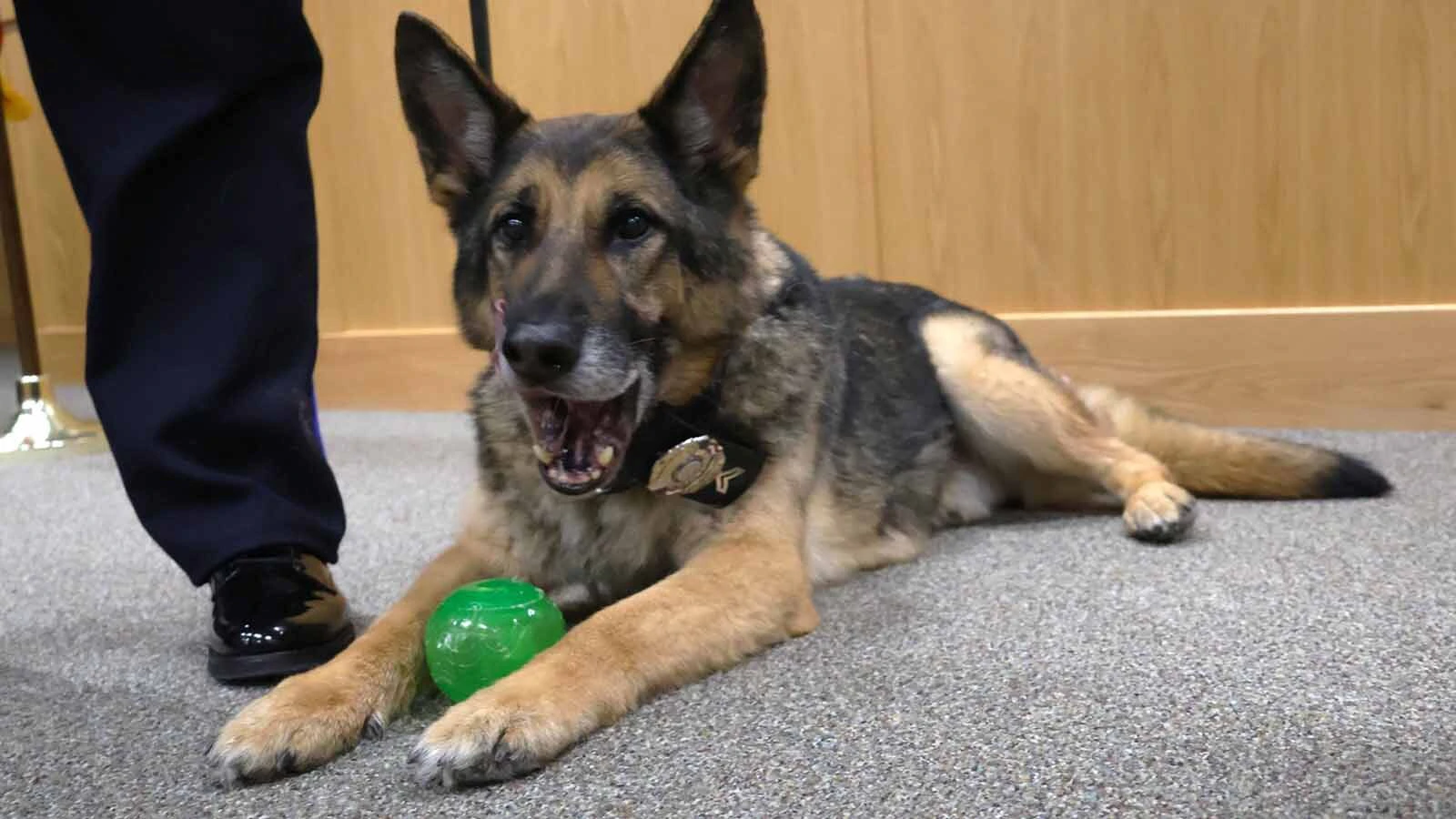
"It is a long career, especially for a dual-purpose dog, because their training is super intense," he said while discussing retired Mills Police K-9 Archer, who worked nearly nine years before leaving service.
"It's just like any professional athlete,” Buchholz said. "The harder your training routine, the more wear and tear you put on your joints."
Handler Kate Acord acquired the dog when he was about 2 years old and spent years working patrol, narcotics detection, tracking and evidence recovery.
Archer could locate suspects hiding after fleeing police, find missing people and even search for lost evidence like firearms tossed into fields.
Though commonly called a dual-purpose dog, Buchholz said Archer's skill set extended far beyond two specialties.
Knowing When It's Time
There is no universal retirement age.
Bakken said departments often see dual-purpose dogs retire around 8 to 10 years old; Buchholz estimated many agencies buy dogs expecting roughly five or six years of active street work.
Ultimately, "it depends on the dog," said the Carbon County sheriff.
Handlers monitor joint health, arthritis, illnesses, injuries, and overall enthusiasm for the work.
"We're watching for medical conditions," Buchholz said. "Anything that's physically affecting their ability to do the job."
The attitude of the dogs also matters.
"They love to work," Buchholz said. "That's their whole purpose in life."
A dog that suddenly loses enthusiasm for training or deployments can be showing signs that retirement should at least be considered.
Life After Patrol
For many police dogs, retirement doesn't mean saying goodbye to the person they worked beside every day.
In Carbon County, retiring K-9s stay with their handlers through a county-approved purchase process.
Mills operates similarly.
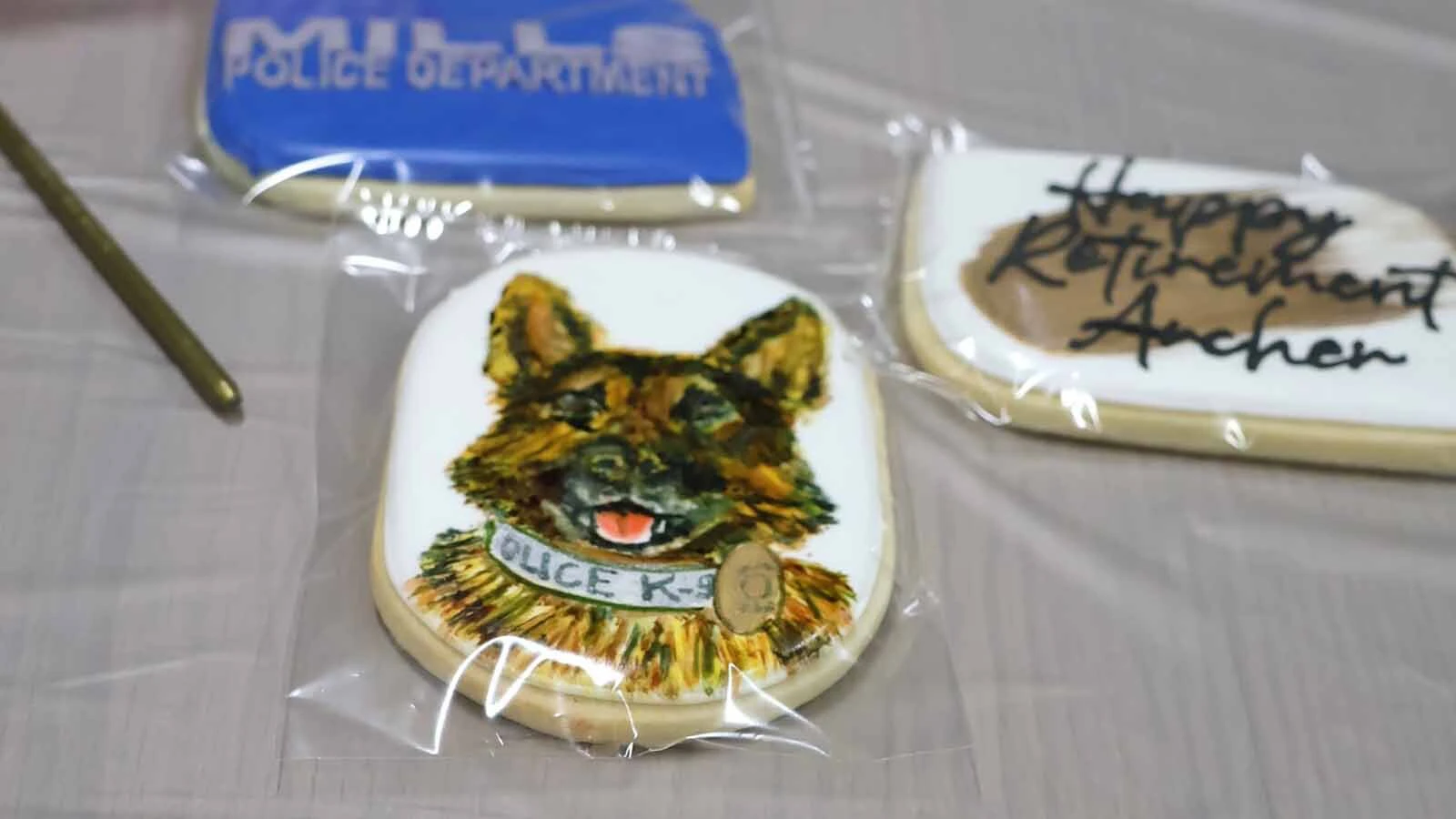
When Archer retired in 2025, Acord purchased him from the city for $1 and he spent the remainder of his life with her family. Archer died earlier this year.
Buchholz said retirement changes a dog's routine, but not its drive.
"I don't think that you ever really become just a house dog," he said.
That's why the decision can be so difficult. The dog would likely keep going.
The handler has to decide when it's time to stop asking.
For Mako, that time has arrived.
The next chapter won't include narcotics searches, traffic stops or bite sleeves. Instead, he'll spend it with the handler who spent years working beside him — a retirement well earned.
Kolby Fedore can be reached at kolby@cowboystatedaily.com.


