
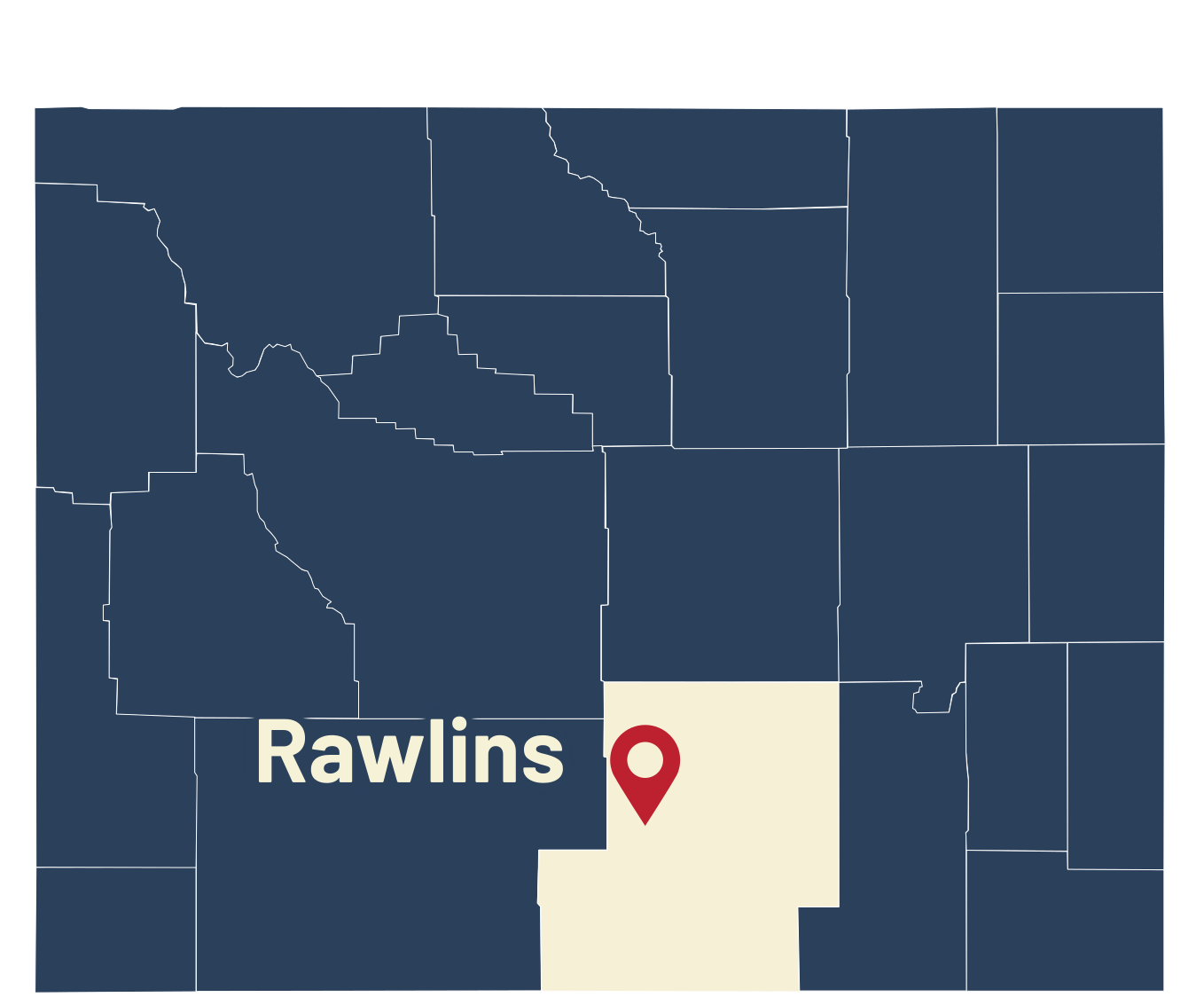
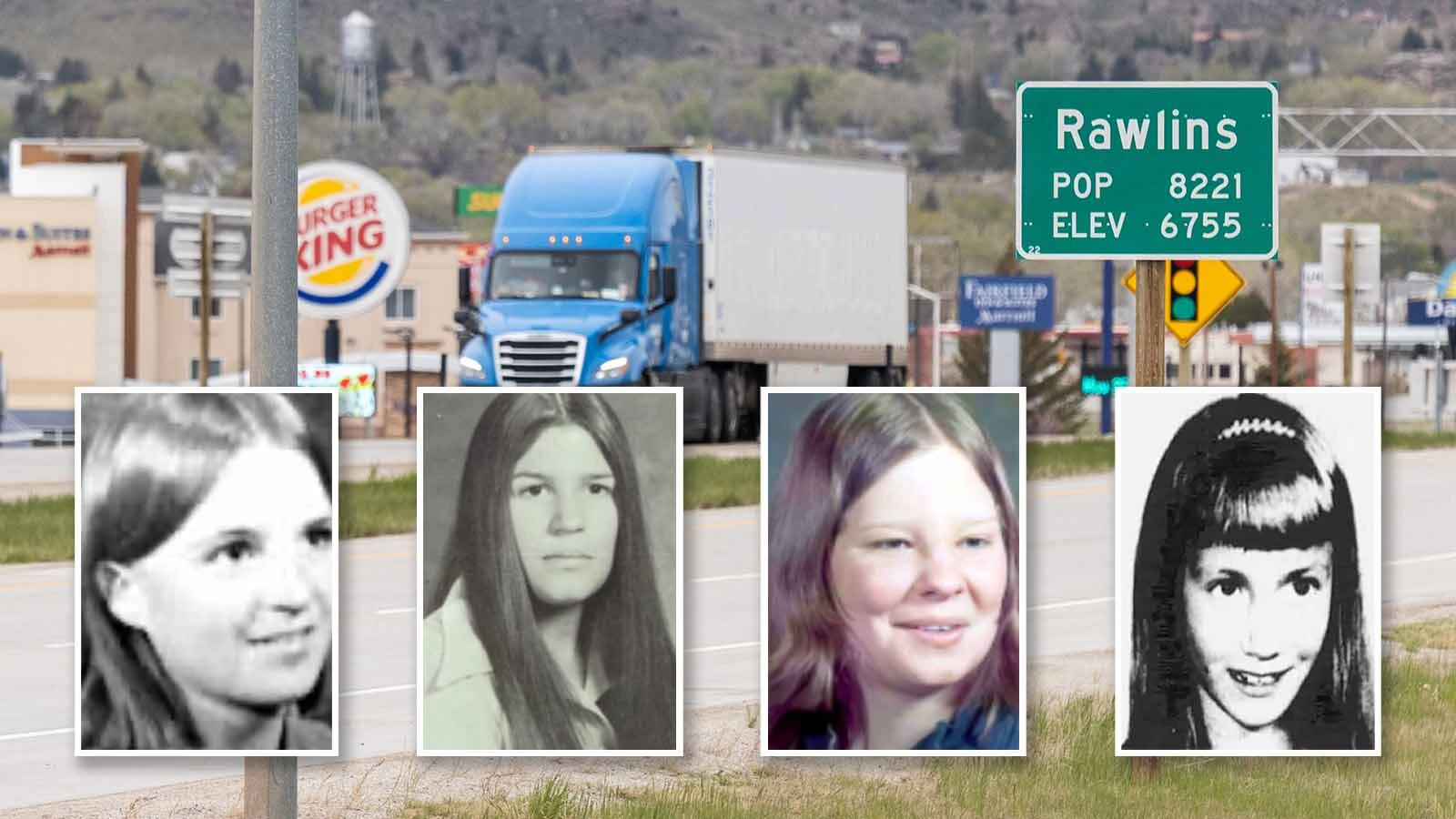
Editor's note: This is the first of a two-part series on the infamous "Rawlins Rodeo Murders." Part two is located here and focuses on the suspects that have cropped up over the last 52 years.
It was the early 1970s and Rawlins was at the dawn of an energy boom. Oil and gas rigs studded the high-desert plains while Union Pacific trains hauled out coal around the clock.
The population swelled to nearly 11,500 — many of those people transitory workers drawn to southwest Wyoming by high-paying jobs.
New houses cropped up in the formerly empty fields around the county faster than downtown businesses could absorb the growth. It was a prosperous time.
Then girls started to vanish before anyone could figure out what was going on.
The first two disappeared on Fourth of July weekend in 1974.
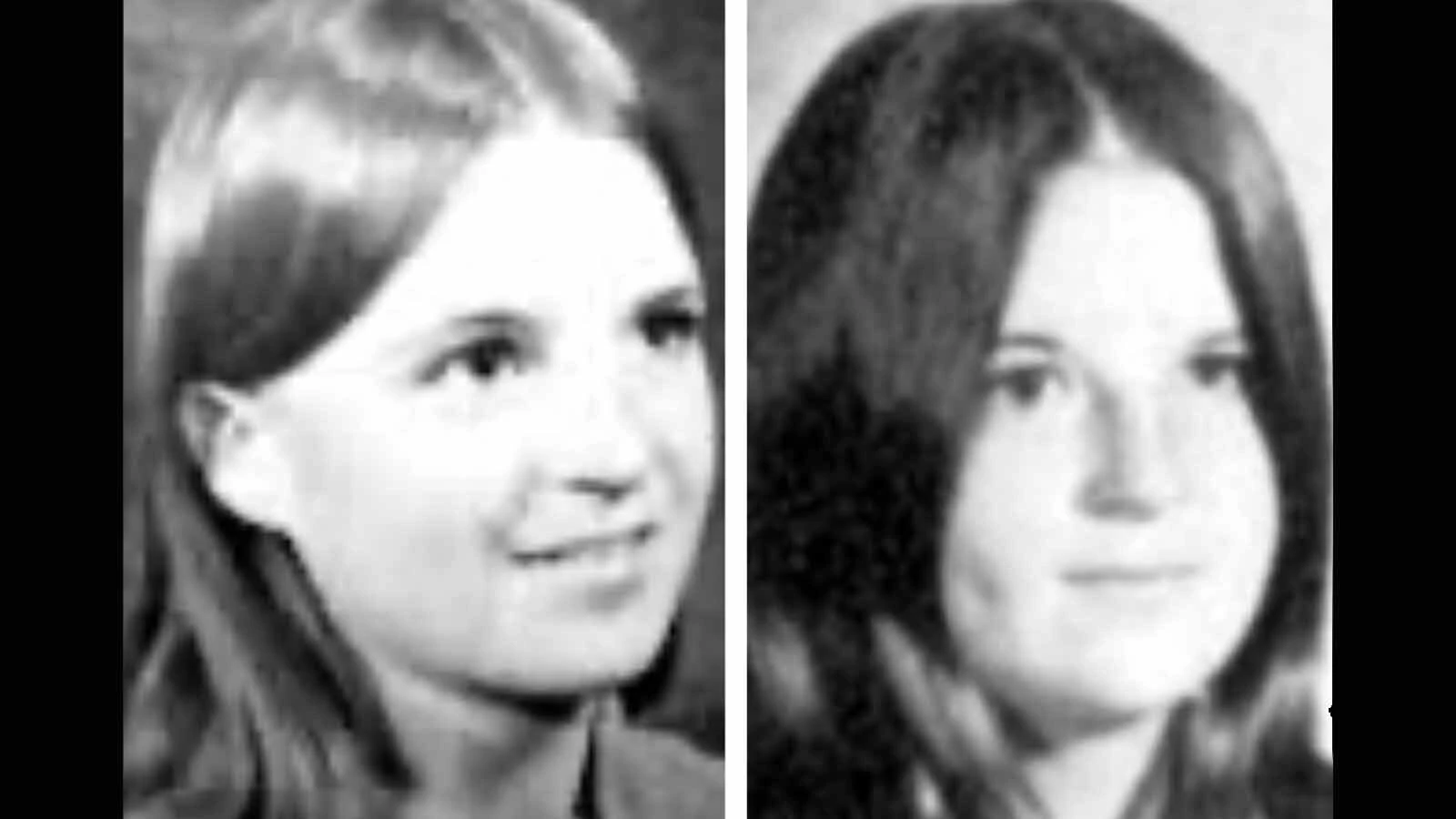
They were 19-year-olds Carlene Brown and Christine “Christy” Gross, who had been visiting Rawlins from South Dakota.
The pair had gone to the Little Britches Rodeo at the Carbon County fairgrounds, and just vanished.
Neither was seen again.
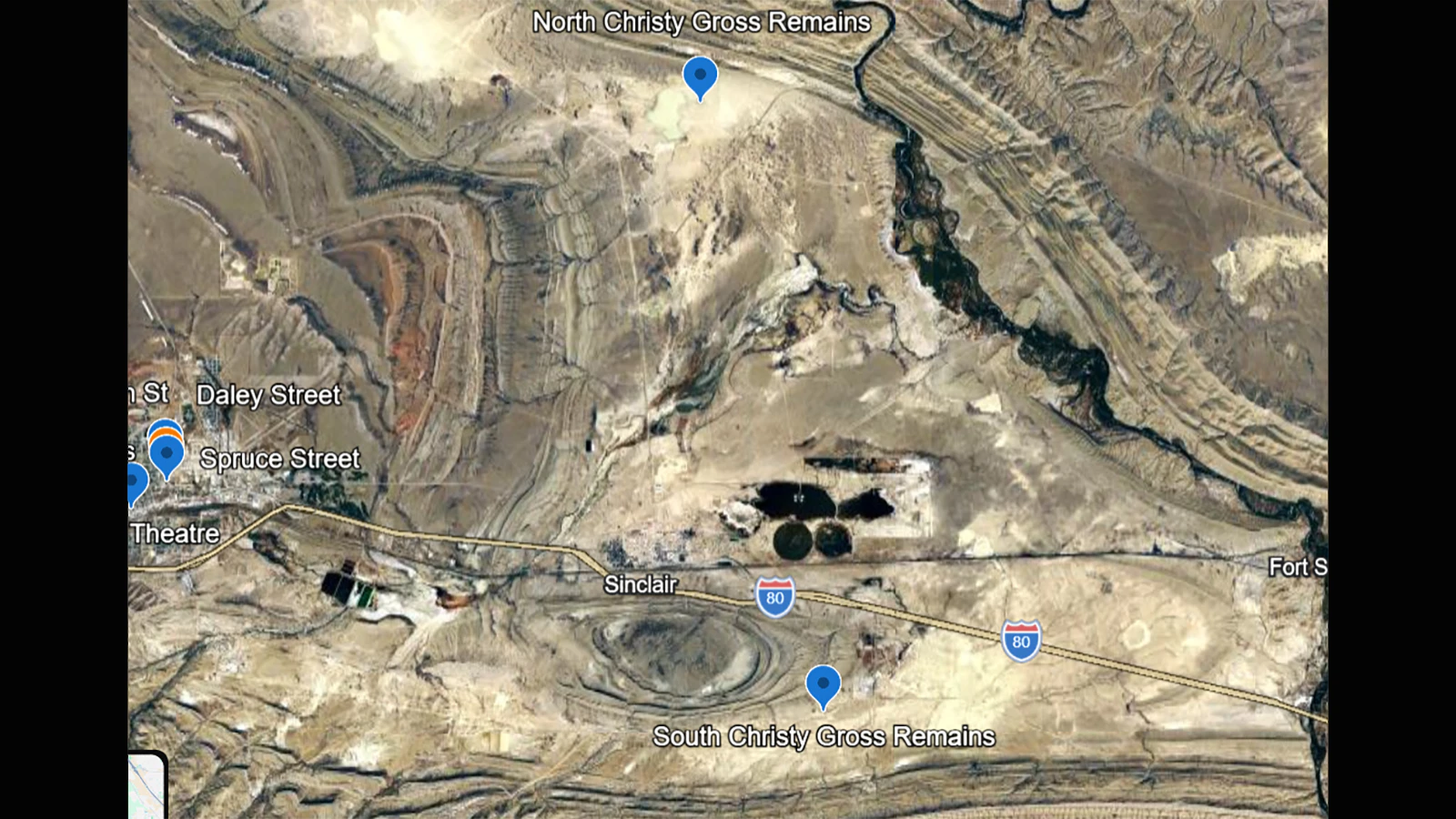
Nine years later, Gross’ remains were discovered in a field 3 miles outside the neighboring town of Sinclair.
Brown has never been found.
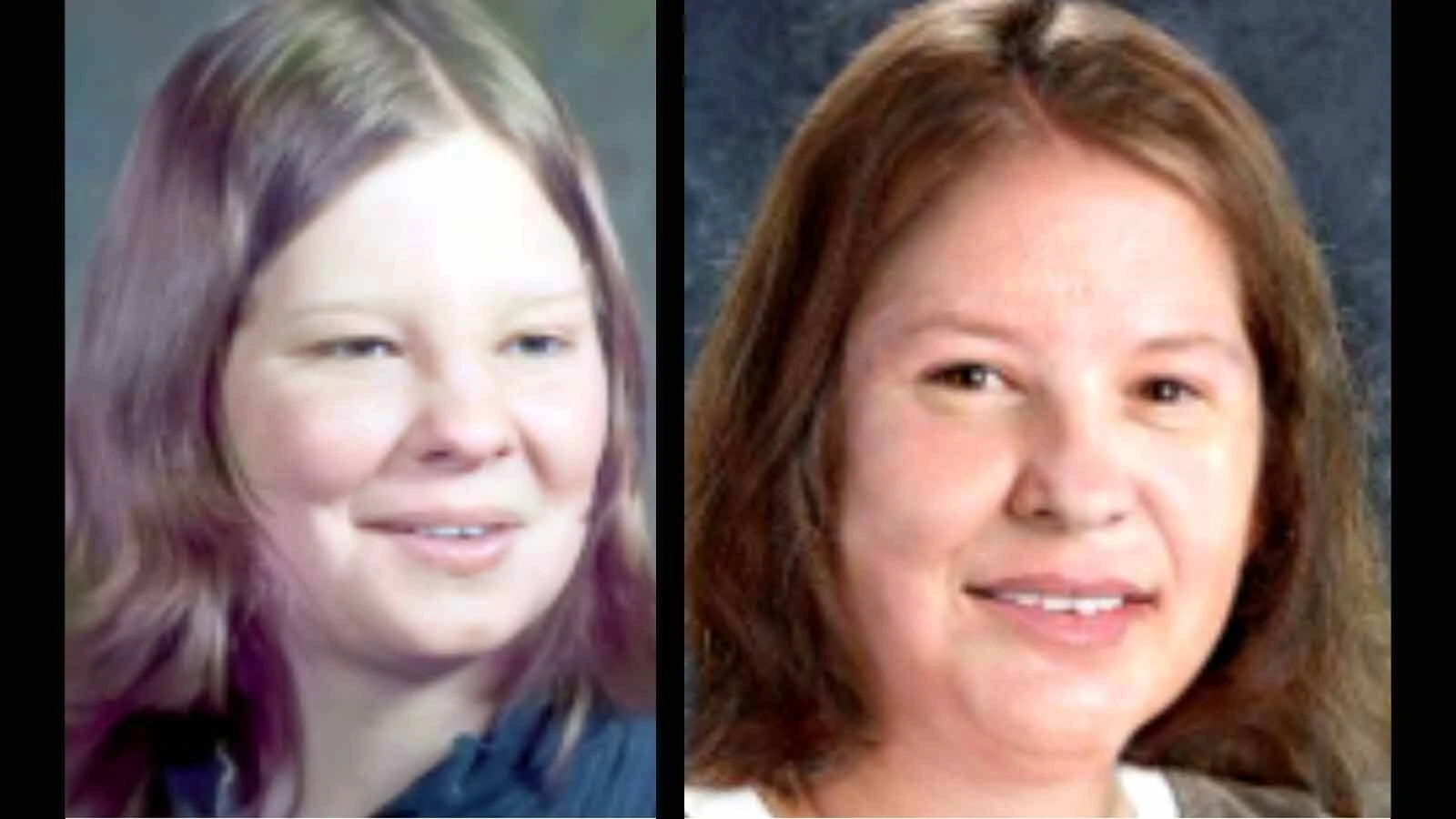
The third was 15-year-old Deborah Meyer, who disappeared on her way to the movie theater downtown. Meyer had been visiting her aunt from Red Lodge, Montana. She was last seen leaving her aunt’s house near Seventh and Spruce streets downtown.
She told her family she was off to see a movie, but never made it to the theater.
Meyer also remains missing to this day.
Then the disappearance and death of 10-year-old Jaylene Banker at the Carbon County Fair in late August brought the community to a breaking point — the last in a string of losses that summer that the city has never fully recovered from.
The culprit behind the disappearances and murders has never been identified, despite decades of investigation by law enforcement in what is now colloquially known as the “Rawlins Rodeo Murders.”
Terrible Summer
Ken Klouda, now 78, remembers this summer well. He was 25, fresh out of the Air Force and working in the mechanical department for Union Pacific Railroad.
“The town was booming,” he said.
Klouda, who has lived in Rawlins for most of his life and is now president of the Carbon County Museum board, remembers the whirl of activity in the gas and oil field on top of coal mines with upward of five mines in the Hanna Coal Basin alone.
The sudden 3,000-plus swell in population led to a bustling downtown that turned the once sleepy town into a thriving city. One friend fresh to town that summer told Klouda it reminded him of Las Vegas with all the blinking neon bar signs and active downtown.
Up until that summer, they were used to bar fights and petty crimes, but not the disappearance of two 19-year-old girls.
Klouda knew the Brown family and remembers people searching their yards and outbuildings when the teens vanished. People began paying careful attention to their surroundings, he said.
Everybody was talking about the missing girls.
‘Would Have Been Right Beside Her’
Details are vague about their disappearance. It’s not clear who last saw or spoke to them.
Their van was found parked at the fairgrounds, former Carbon County Deputy Sheriff Jeff Faycosh said in a November 1983 Casper-Star Tribune article.
Other unofficial accounts say the vehicle was found abandoned more than 200 miles north in Worland.
Initially, police believed the teens may have run away despite their parents' belief that something was terribly wrong.
Some thought Brown may have gone to her mother’s house in Colorado Springs. Her parents were divorced, with her father staying in Rawlins. Brown would float back and forth between the two houses.
After a week with no trace of her, however, the grim truth set in that she and Gross were really missing.
Mary Kay Albrechtson, now 71, was Brown’s close childhood friend who had planned to go with her that night to the rodeo and carnival.
“I was sick and so I didn’t go,” she said. “Otherwise, I would have been right beside her.”
It’s a guilt — and deep pain — she still carries more than five decades later.
“It brings great sadness to me,” Albrechtson said, as she continues to search for her friend.
‘Who Is Christy Gross’?
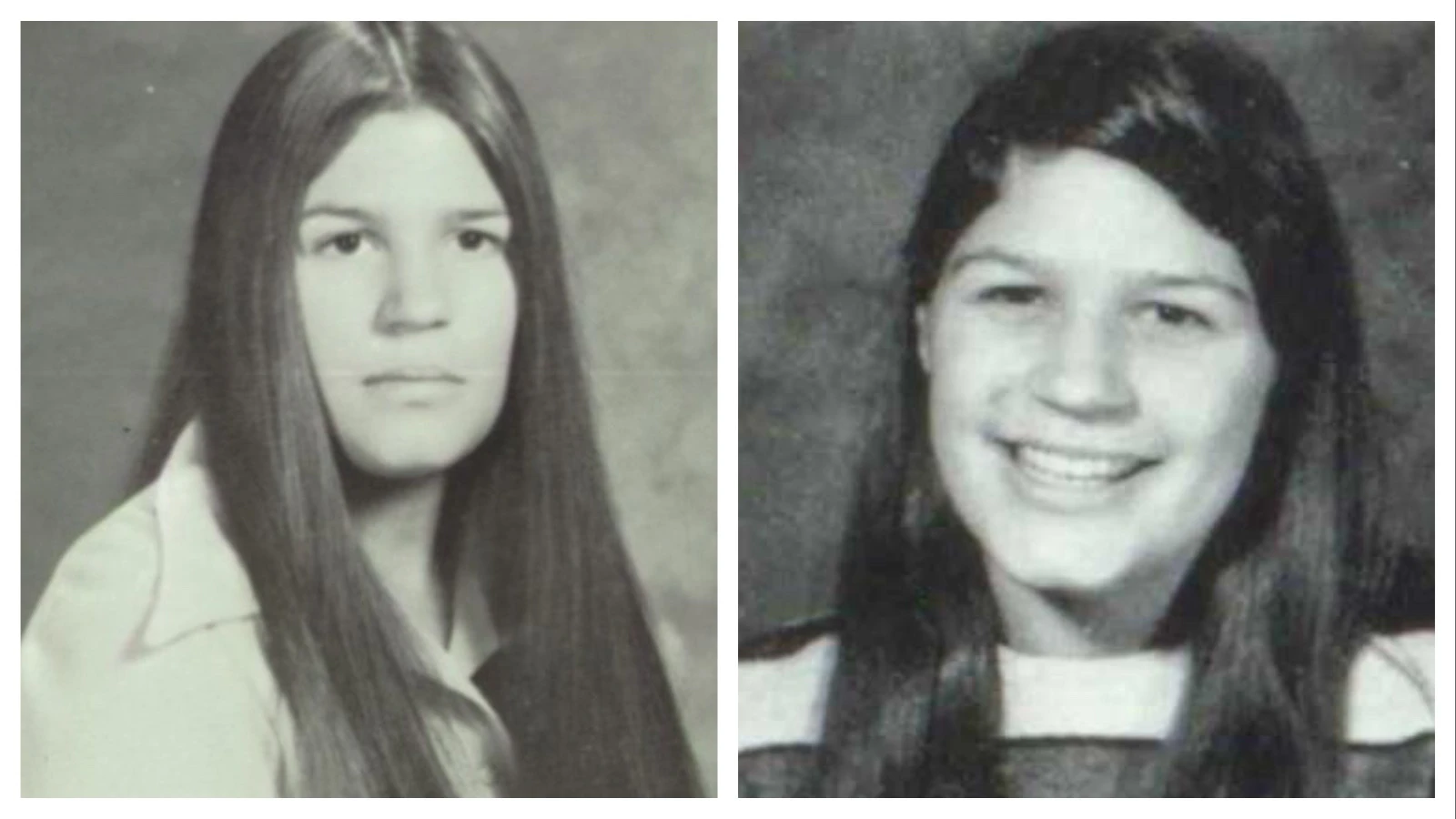
Oddly, Albrechtson said nobody knew Gross. That was the first question she and Brown’s friends asked after they vanished: “Who is Christy Gross?”
Amateur sleuth websites offer little more, noting only that Gross was from Bowdle, South Dakota, was visiting friends or family in Rawlins at the time, and had been an active participant in high school life — band, choir, track, cheerleading.
It’s not clear how Brown and Gross knew one another or who might have been driving that night. Albrechtson couldn’t recall if Brown had a vehicle and instead remembers her riding a motorcycle.
The disappearances remained a mystery for nine years until October 1983, when Gross’ body was found in a field 3 miles south of Sinclair off Interstate 80.
She’d been killed by at least two blunt blows to the head.
The official cause of death was trauma to the head with the manner of death “pending investigation,” according to a docket report from Brittany Nyman, Carbon County coroner.
Gross was identified through partial dental records and an “unusual ring” made by her uncle, stated news reports at the time.
After Gross was found, Sheriff Faycosh was quoted by news media as saying that they “do have new leads and at least one suspect.”
He further said that the suspect had been located but that a warrant would not be issued until more information had been gathered. He estimated it would take a month.
It’s not clear if that arrest ever came or whether that suspect was eventually cleared.
Not Afraid To Take Risks
Brown, too, is suspected to be deceased though not yet located.
Albrechtson still misses her friend.
After she vanished, Albrechtson had a reoccurring dream in which Brown turns up at her front door looking for her shoes.
She described Brown as having a wild spirit who liked adventure. Brown’s “shenanigans” sometimes led the friends to getting in trouble, she said.
“We were opposites in that aspect but maybe that’s also why I liked her,” she said. “She had the nerve to venture out.”
She also wasn’t afraid to take a risk, Albrechtson said.
“Unfortunately, that is also what took her life,” she said.
She believes that Brown willingly got into a car with a stranger the night she disappeared.

Lasting Pain
The next to disappear was 15-year-old Meyer, who vanished one month later on Aug. 4, 1974.
Meyer had been visiting her aunt in Rawlins from Red Lodge, Montana. She set out on foot to go to the downtown movie theater but never made it.
She has yet to be found.
Her disappearance sent shockwaves back home. Even today, her oldest friends find it too painful to drudge up the memories and declined to be interviewed.
Others who knew Meyer posted their thoughts about her life and disappearance on a January 2025 post on a Red Lodge Facebook page.
Her mother, Diane, had been a beloved teacher and her dad, Don, a crop duster pilot. Both have since died.
They were Finnish, one friend posted, sharing her fond memories of using their sauna with Meyer and friends.
Others expressed their shock upon learning she’d vanished and how terrifying and heartbreaking it was for all of them.
“She is missed by all of us and we have never stopped hoping her remains could be found and put to rest,” wrote Jean Anderson Loyning.
It’s not clear why Meyer was in Rawlins at that time.
One person posted that Meyer had been sent to her aunt’s while her mother was in the hospital for surgery. Another said that Meyer planned to spend the summer at her aunt’s to work at a restaurant her aunt either owned or worked at.
Rare for a girl her age, Meyer had upper and lower dentures, several noted, which will make it easier for her to be identified should her body be found.
Nobody back then, or today, thinks that Meyer willingly left on her own accord and suspect foul play.
Janet Franson, then a cold case investigator for the National Center for Missing and Exploited Children (NCMEC), interviewed Diane before her death. Diane was adamant that her daughter would not have run away and had no reason to do so.
Before their own deaths, Meyer’s parents had her legally declared dead with the date of her disappearance listed as the date of death.
Fourth Missing Girl
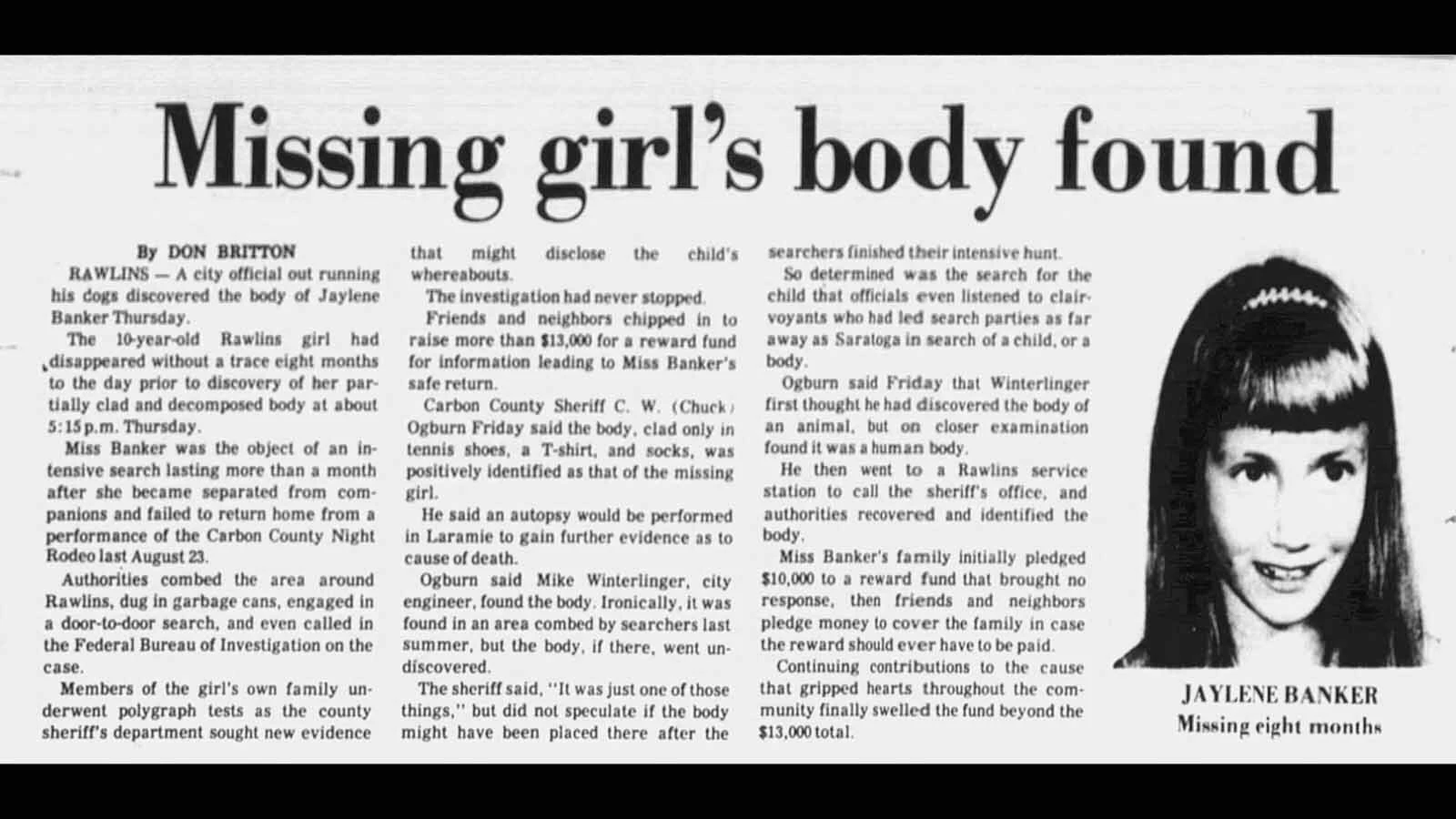
Jaylene Banker, 10, vanished on Aug. 23, 1974, from the Carbon County Fair after becoming separated from friends at the rodeo grounds. The fairgrounds were less than five blocks away from the Banker home in Rawlins.
The community instantly rallied around the family, pooling together nearly $14,000 — the equivalent of roughly $95,000 today — as a reward for information leading to her safe return. No one came forward.
Former Carbon County Sheriff C.W. “Chuck” Ogburn organized multiple searches and volunteers went door to door in search of the girl.
Desperate for answers, law enforcement even took tips from psychics all over the country.
One extrasensory perception specialist was brought from Omaha to join in on a search, according to local media reports from the period.
Another tip from an Arkansas psychic who offered a description of the perpetrator and a possible location prompted a search for a shallow grave south of Rawlins that also proved futile.
Meanwhile, Banker’s family held out hope that their “shy” girl would be found.
“It’s just as if she sprouted wings and flew away,” her mother told the Casper Star-Tribune in September 1974.
Mrs. William Swanson, a neighbor of the Banker family, said that several people had called in reporting “visions” of the 10-year-old alive and heading east in a black pickup.
Rawlins, home of the Wyoming State Penitentiary, is no stranger to violent crime, Swanson told the newspaper. But Banker’s disappearance, she said, had “clicked an emotional switch” in the community.
Swanson said the disappearance had drawn the town together, with residents turning out in force to help search. Among them was a group of young girls who went door to door collecting money, carrying a sign that read: “We Want Jaylene Back. Can You Help Us?”

Another Lead Gone
In September, a promising lead emerged when police detained two Salt Lake City men on public intoxication charges. Both carried lengthy criminal records, one of which included child molestation, United Press International reported.
A local detective determined the men had passed through Rawlins around the time of Banker’s disappearance, based on their travel route between Casper and Salt Lake City.
The FBI examined their vehicle and their fingerprints were submitted to the Carbon County Sheriff’s Office. The lead went nowhere.
The following month, Ogburn announced renewed efforts to “start from scratch,” the Casper Star-Tribune reported. This included giving polygraph test to five unidentified people, two adults and three teens.
By December and with no new leads, Banker’s mother, Alline, told the media that she hoped her daughter was still alive.
Soft Spot For Kids
Klouda remembers the fear and frenzy of those days, and a the community reeling from the loss and brutality while authorities scrambled to find whoever was responsible and bring them to justice.
He said then-Rawlins Police Chief Phil McGee and Sheriff Ogburn were working on overdrive, especially Ogburn, who had a “soft spot” for young people despite his otherwise stern demeanor.
“Chuck scared a lot of us straight, but he worried about kids,” Klouda said. “I know his department was really looking for these kids and trying to find out what happened.”
All hope dissipated when eight months later in April 1975 a city engineer running with his dog found Banker’s badly decomposed body in a field near local gravel pits about 2 miles outside town and approximately 5 miles from the fairgrounds in an area that had previously been searched.
Banker was found lying face down in a rocky area after being hit in the head. Her official cause of death is a fractured skull with the manner of death a homicide, according to the coroner’s docket report.
She was found with two red tennis shoes, two blue stockings and a pair of blue cotton slacks, the report states.
Never Forgotten
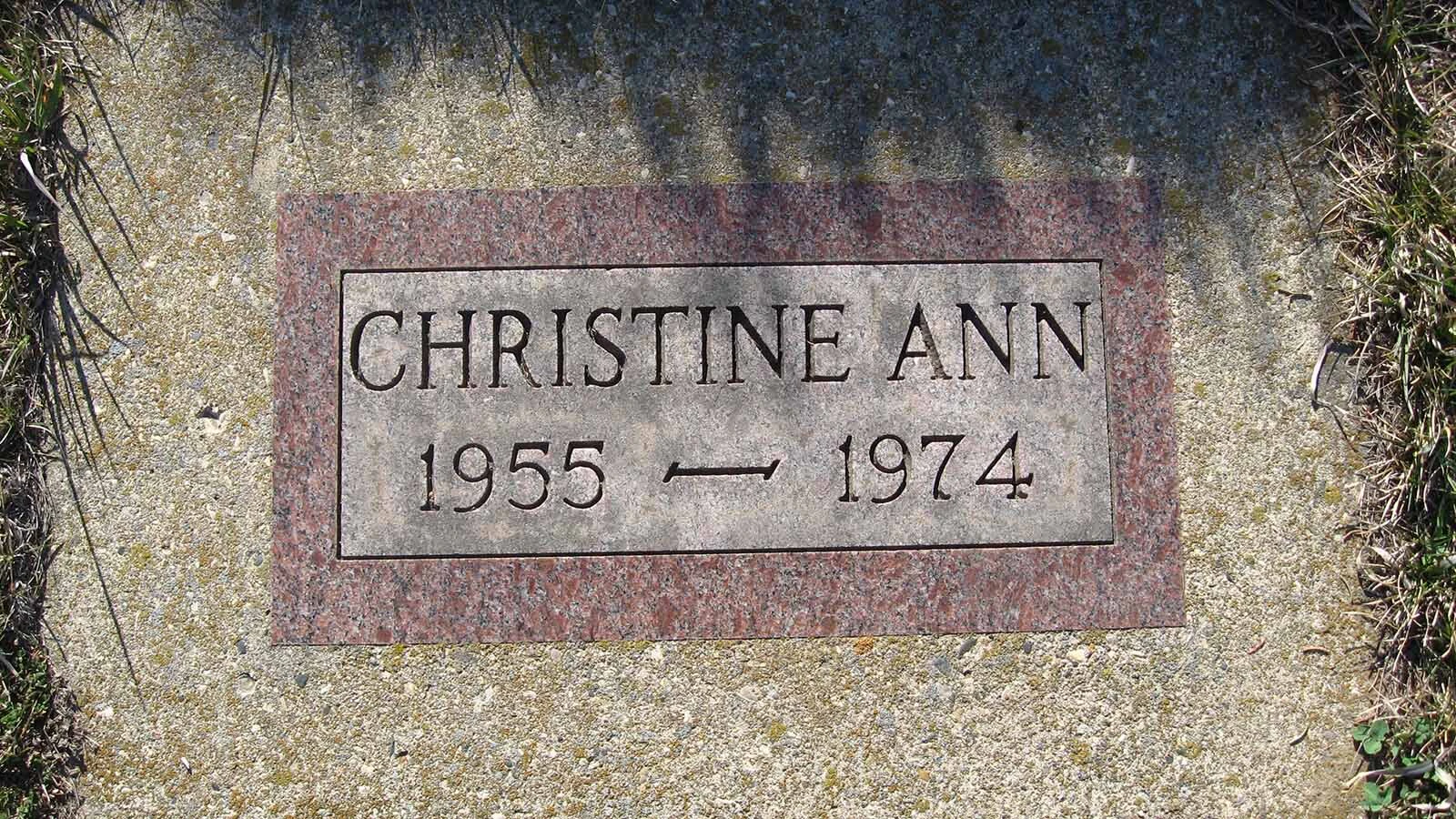
To date, the disappearances and murders remain unsolved, but the cases are still open, said Carbon County Sheriff Alex Bakken.
Klouda said that the community is still affected by the loss all these years later and many still wonder what happened to them.
He said the guys in his coffee group still talk about the missing and murdered girls. They knew the Brown and Banker families. It touched them all and still does to this day, he said.
Any time human remains are found out in the county, they wonder if it’s one of the missing girls.
That summer changed everything, he said. Not so much feeling fear as a sense that something from outside had gotten in.
"We lost our innocence," he said.
No longer could parents just drop their children off at the fair and not worry about them or let them play outside until the streetlights came on, he said.
"That summer we lost that," Klouda said. "We were never again the same."
Rawlins Rodeo Murders, Part 2: Did Ted Bundy Kill Four Wyoming Girls 52 Years Ago?
Jen Kocher can be reached at jen@cowboystatedaily.com.


