Last week ExxonMobil shareholders voted overwhelmingly to “redomicile,” or relocate the company’s legal headquarters to Texas. The decision marks an undeniable rebuke of the proxy advisor cartel and New Jersey’s corporate tax scheme, the highest in the US at 11.5%.
To be sure, the move is a smart, financially responsible decision for Exxon and its investors. The company has maintained its operational headquarters in the Lone Star State for nearly 40 years. About three quarters of its employees live and work there, including its executive leadership.
Then, of course, there is Texas’ business-friendly climate. Unlike New Jersey, where officials try to shake down companies for every penny they can, Texas has put out a welcome mat. It is no wonder the state has been voted the most pro-business state in the nation for over 20 years or that companies and workers are flocking there in droves.
Darren Woods, Exxon’s chairman and CEO, put it well: “Texas has made a noticeable effort to embrace the business community” and built “a policy and regulatory environment” that will allow the company to maximize shareholder value.
That Glass Lewis and Institutional Shareholder Services (ISS)—the proxy advisor duopoly that control 97 percent of the market—recommended against the move speaks volumes. Institutional investors hold approximately 70% of the outstanding shares of US publicly traded companies and often outsource corporate proxy decisions to the foreign owned duopoly.
These proxy advisors engage in a purposely opaque process with a powerful result. A recent study found that Glass Lewis and ISS recommendations can swing a shareholder vote by as much as 30 percent. Another study found that 175 asset managers controlling over $5 trillion in value voted with ISS more than 95 percent of the time.
These proxy advisors use their extraordinary power to peddle left wing dogma. In the Exxon shareholder vote, the devious duopoly supported a high tax state over investors’ interests.
A company’s top priority should be to maximize shareholders’ returns, not to push kumbaya policies that come at the expense of hard-working families.
Unlike corporations, which have a fiduciary obligation to investors, the proxy advisor cartel operates in a regulatory Wild West. They provide “consulting services” to coach companies on how to sell the policies they concoct to shareholders. In other words, they spoon-feed businesses progressive policies and then direct them how to spin it to investors.
What’s more, proxy advisors are not required to disclose conflicts of interest. They may be selling snake oil that’s good for their political agenda, even though it’s bad for investors.
During his first term, President Trump’s Securities and Exchange Commission introduced new regulations that would have required more transparency from proxy advisors. The U.S. Chamber of Commerce called the Trump administration’s “middle-ground” approach a “step in the right direction.”
Yet, the Biden administration gutted the rules, allowing proxy advisors to continue to run amok. And why not? These supposedly objective advisors hocked the left’s ideology and bullied businesses into adopting Democrats’ socialist agenda. Of course they were allowed to run amok.
It’s time the Trump administration and Congress finally rein in proxy advisors. Bills like the Protecting Americans’ Retirement Savings from Politics Act, which was introduced by Congressman Bryan Steil in April, would impose the kind of oversight that’s needed. This commonsense legislation should receive support from individual investors and institutional investors alike.
But the President shouldn’t wait for a legislative fix, which Democrats will undoubtedly fight tooth-and-nail. His SEC should revisit the regulatory framework introduced during Trump 1.0 to shine a light on this murky industry.
Exxon’s shrug-off of these proxy bullies’ recommendations is not only a prudent business decision, it’s proof that President Trump’s end to his predecessor’s culture wars is working. Companies are bailing off the sinking ship of wokeism and getting back to the business of doing business. And they are putting proxy advisors’ directives where they belong: in the trash bin.
Like New Jersey politicians and their liberal allies—who tried to block Exxon’s move over phony claims it would reduce shareholder rights—the Glass Lewis-ISS proxy duopoly does not care about individuals and families who invest hard-earned money with companies to see it grow. They only care about promoting the left’s progressive ideology, even if it costs ordinary people.
Exxon’s courage to do right for its shareholders is a major indicator that the proxy advisors’ power is cracking. We should all hope that it shatters entirely.
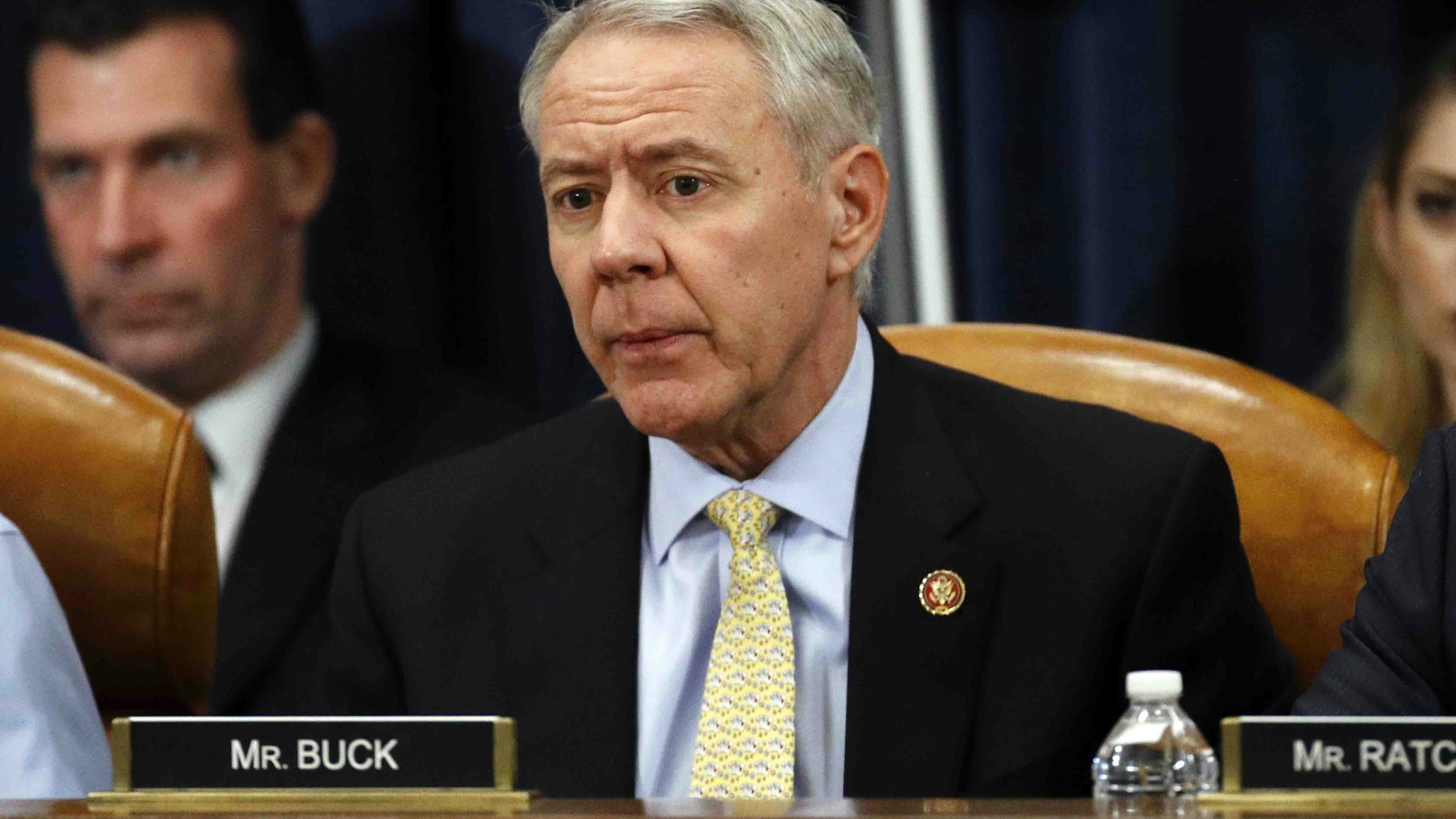
Ken Buck received his law degree from the University of Wyoming and served in the United States House of Representatives from 2015 - 2024 representing Colorado's 4th congressional district.