
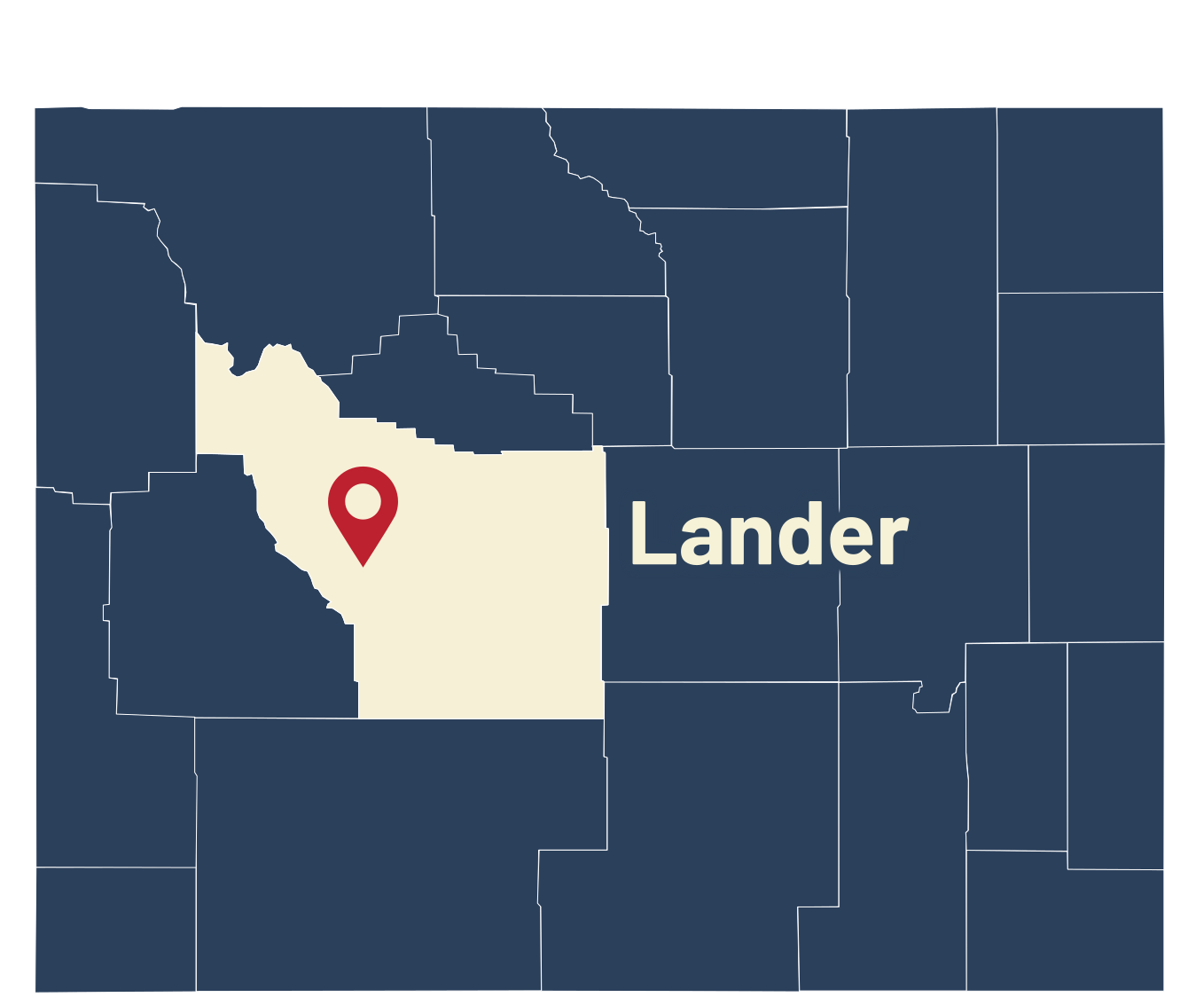
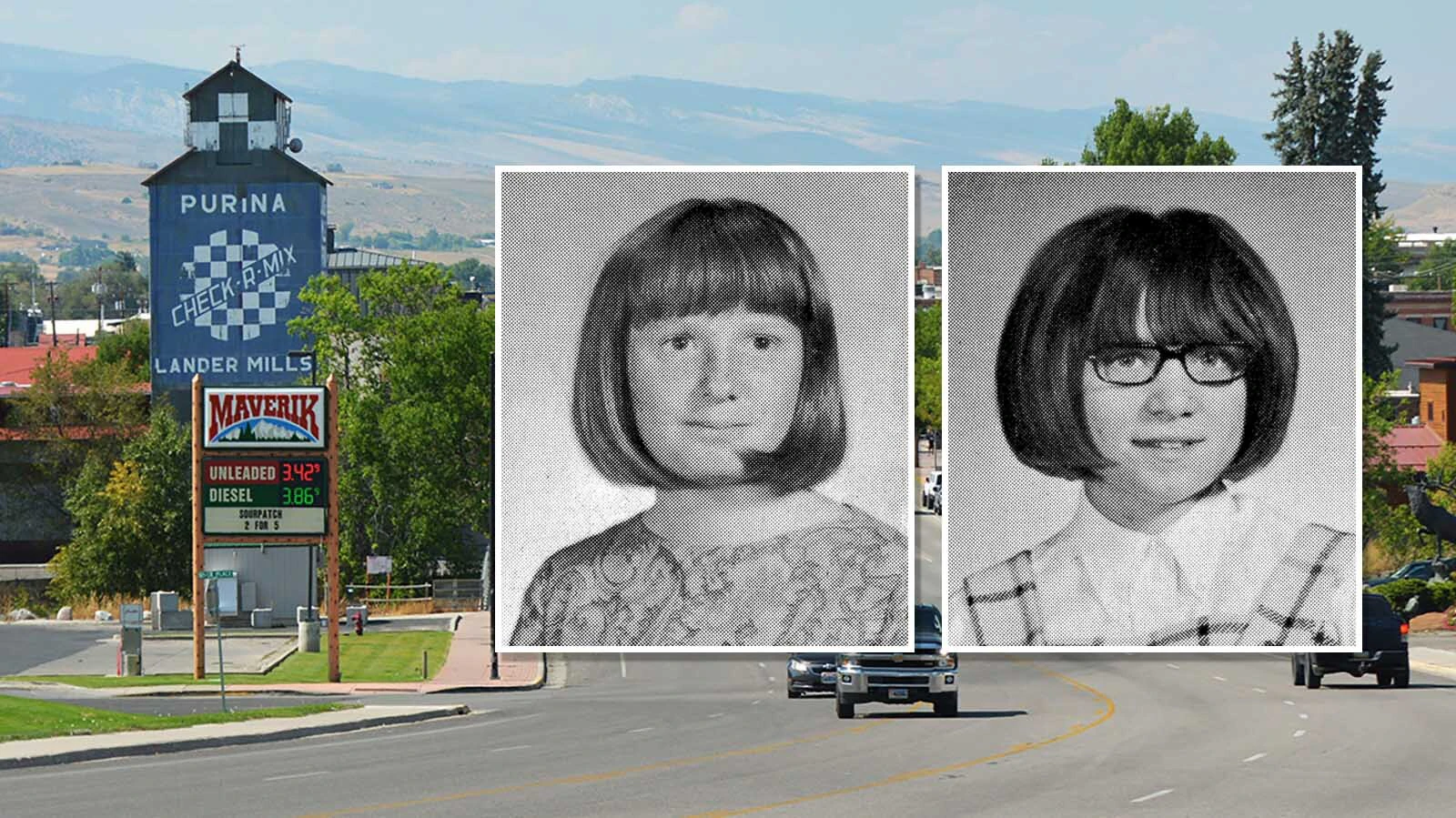
A former friend of the teen convicted for the stabbing deaths of two Lander girls recalls the drugs readily available in the city the night of the murders on Nov. 1, 1968.
The seeds of the wild 1960s were sown and growing in the little mountain community.
“There was a lot of drugs and drinking going on with the high school crowd,” said Buzz Thurber, a Las Vegas resident who in 1968 was president of the school's senior class. “Lander was well ahead of everyone else in the state of Wyoming, we were well known for drug possession.”
Richard Nixon was about to be elected president.
In January of that year, the Tet Offensive in Vietnam put American soldiers on their heels, and the public against the war.
News headlines revealed the assassinations of Martin Luther King in April and Robert Kennedy in June.
The No. 1 song on radio that month was “Hey Jude” by The Beatles.
As Fremont County Vocational High School celebrated its homecoming game with rival Riverton, there was a pep rally that featured a bonfire competition between the Lander high school classes.
Among those who went to town for the homecoming rally were Vicki Mather, 16, and Dee Ann Smith, 15.
“We had a big rally that night and that was the night they disappeared,” Thurber said, adding that, “I didn’t see them there that night.”
Thurber, now 75, remembers the girls who were two or three grades below him as young women with “a lot of personality” and “a little bit wilder” than the Mormon girls at the school.
“They liked to party, but so did most everybody else,” he said. “My thought when it first happened was that maybe they decided to hitchhike and go on a little trip somewhere and that was why they disappeared.”
Last Ride
Fremont County Prosecutor Richard Leedy at a trial two years later outlined that the pair had headed for the bonfire, were picked up by a carload of teens and taken to the cemetery instead.
When the boys turned off the lights at the cemetery, they became frightened and walked to town, the Casper Star-Tribune reported on Oct. 24, 1970.
They were picked up by another male student and drove Main Street until the girls decided to go to a dance, called their parents from the A&W Drive-in, and there got into Lander High School junior Craig Sims’ car.
That was the last time they were seen.
Sims, a friend of Thurber’s, was a 17-year-old athlete on the cross-country ski team, track team, and son of a prominent businessman in town.
According to later court records and news accounts, he took the girls for a ride in his car, stabbed them to death, and dumped their bodies in ditch locations along Tweed Lane north of the city.
The bodies were not found until the following spring. Whether they were sexually assaulted was never determined.
“It was a horrible way for two girls to have to die and such a blemish on Lander,” Thurber said.
Lander native and writer Sandra Miller Linhart said she was 6 or 7 years old when the girl vanished and four months later their bodies discovered.
“My cousins were the same age as Vicki and Dee Ann, and my mom was really shaken by it,” Linhart said. “And it was like a dread … whispers, you know. We really weren’t allowed to talk about it.”
Now the children’s book author and co-author of an award-winning book chronicling the January 1977 murder of four teens at a U.S. Army base in Missouri, Linhart is researching and writing a book about the Lander incident called “Never Coming Home.”
The title refers to the fact the girls never returned from the homecoming celebration that night.
The Search
Parents of the girls filed a report with the Lander Police Department. The search process grew as the days went by.
The Casper Star Tribune on Nov. 9, 1968, reported that DeeAnn Smith’s father issued a radio appeal to her asking his daughter to get in touch with her family.
The Fremont County Sheriff’s Office issued an all-points bulletin on the missing pair.
Efforts by law enforcement and volunteers to search the community turned up nothing. In December, the girls' parents posted a $100 reward for any information leading to the return of the girls, the Casper Star-Tribune reported on Dec. 6, 1968.
Law enforcement interviews with students and family led to dead ends.
According to an article on the case in Startling Detective Magazine’s September 1969 edition, Sims had been among the students interviewed and told police he had given the girls a ride from the root-beer stand and dropped them off along Main Street because he was in a hurry to go home.
After the disappearance and search for the girls went from days to months, Thurber remembers the arrival of spring in 1969 and preparation for the track season.
He said Sims would stop and pick him up before school and they would go to the track to run.
Thurber had been a friend of Sims since he was in eighth grade and Sims in seventh grade. They both were part of a record-setting 880-relay team, whose time would hold up for years.
After a couple of weeks of early morning runs at the track with Sims in spring 1969, he was arrested for the crime, Thurber said.
Thurber remembers distinctly a conversation with Sims about a week before the girls’ bodies were found where he admitted doing things he was not proud of.
“We were visiting in his car out at the track,” Thurber said. “He said he had made some mistakes in his life and wanted to make up for it and live a really good life. And I said, ‘Well, those are good goals, Craig.’”
Thurber said the girls’ bodies were found after a Sunday School class met at the home of another member of their award-winning junior high relay team, Jim Bell.
His mother, Muriel Bell, led the class.
After an Easter egg hunt, the mother asked the children to help do a cleanup along Tweed Lane. During that clean-up effort they discovered a body that was later identified as Vicki Mather.
Bodies Found
DeeAnn Smith’s younger sister was a member of the Sunday school class when Mather’s body was discovered.
Longtime Fremont County Sheriff Tim McKinney said he was working as a patrolman for the City of Lander in 1969 and among the volunteers who responded to help look for Smith after Mather’s body was found.
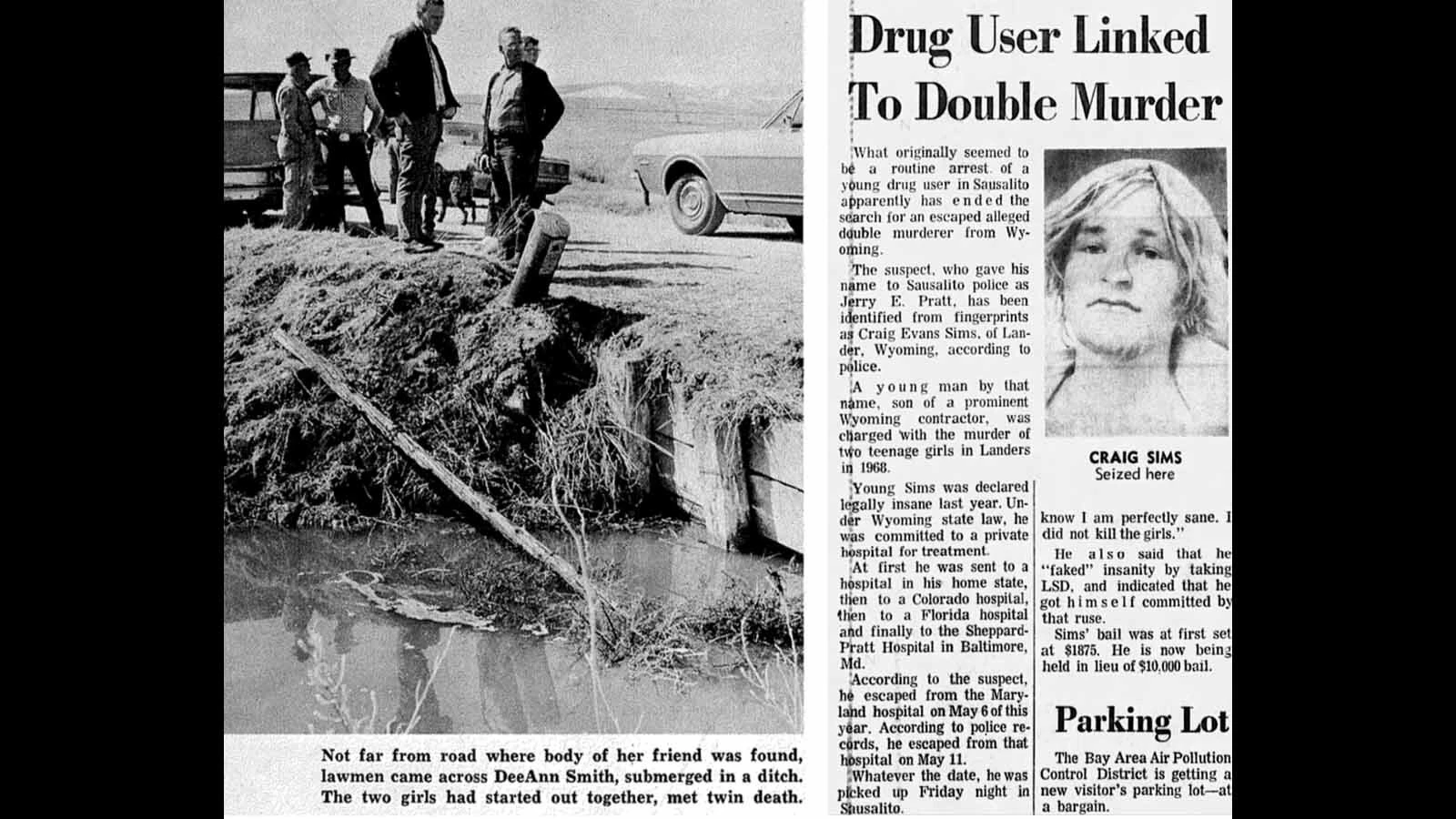
“As a result of them finding her, we started searching back towards Lander and we found the Smith girl in a ditch where a culvert goes under a road,” McKinney said. “As you are going north on Tweed Lane it goes over a hill and down at the bottom down there is where that culvert is.
"And she had been thrown off at the end of that culvert, it’s just a small culvert. As the county had plowed snow, it had plowed over the top of her.”
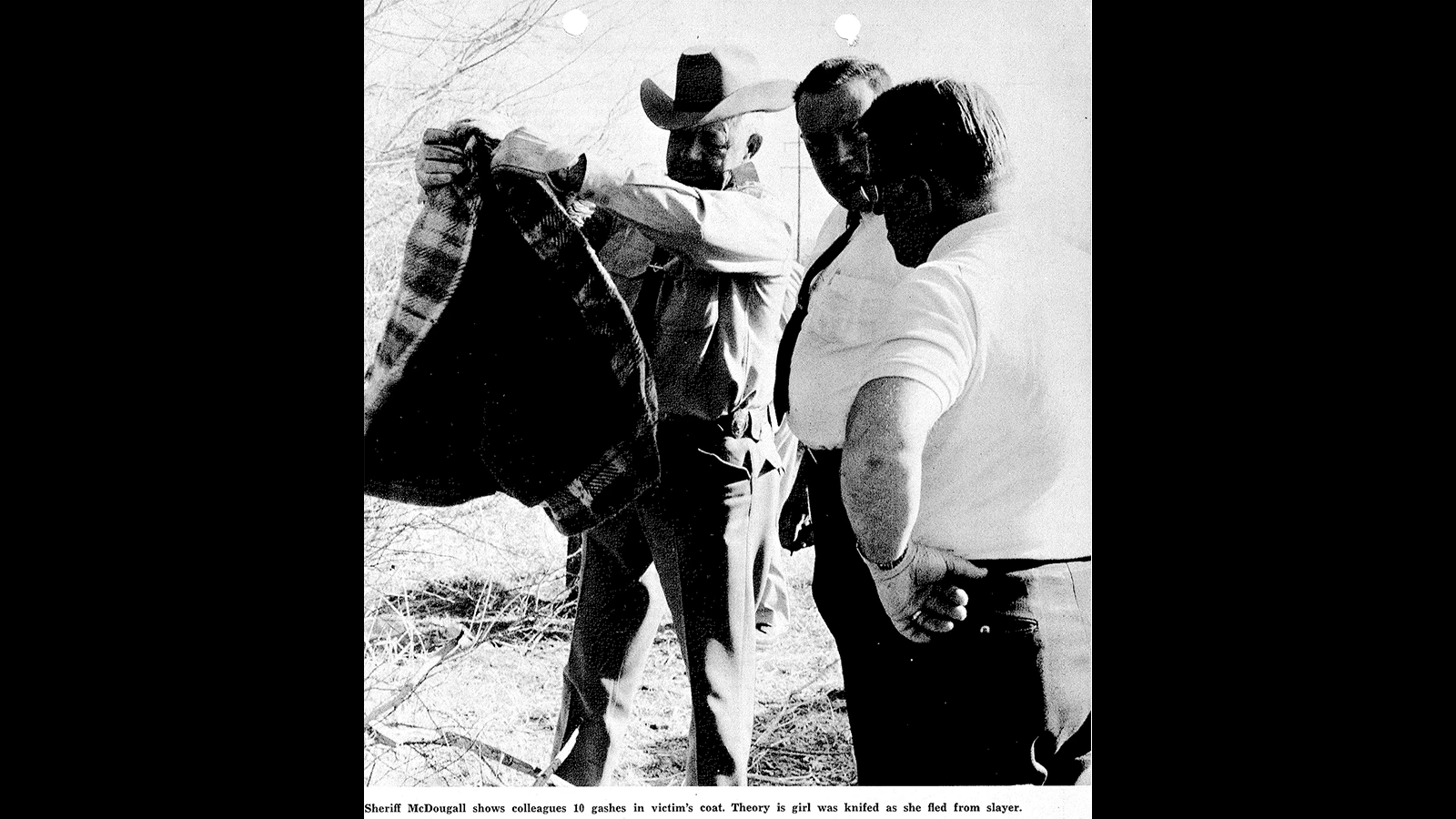
Mather’s body had several stab wounds into her jacket.
Her body was deteriorated. Smith’s body, which had lain in the water and under snow was more preserved. She had one stab wound.
Law enforcement then began to look for any vehicles that may have been sold by high school students and found that Craig Sims and his family had gotten rid of a vehicle at a Riverton car dealer.
They traced it to a car dealership in Utah.
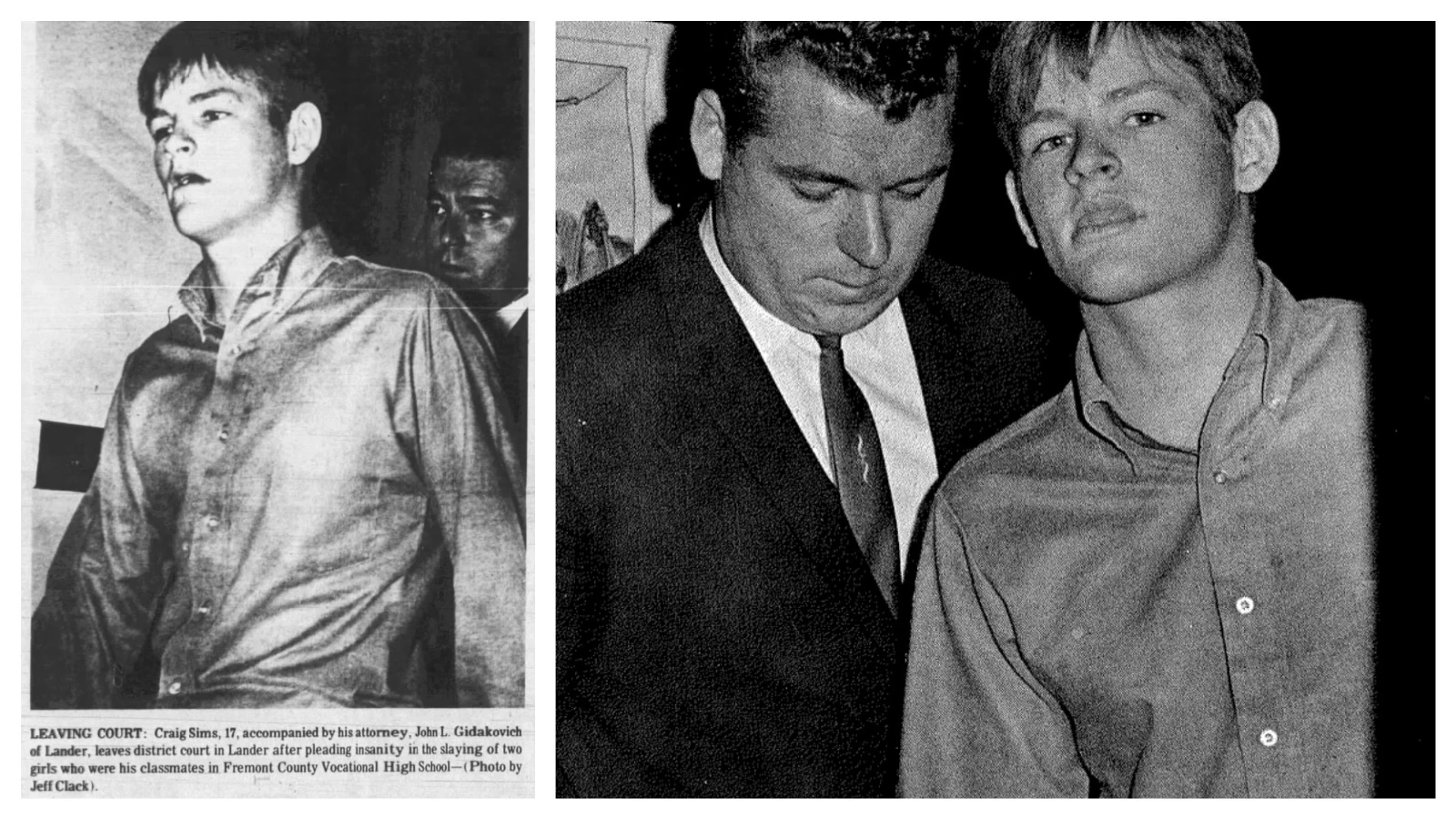
On April 9, 1969, Sims was arrested for the killings.
The Casper Star-Tribune reported on April 10 that Leedy stated Sims had been seen where the Mather body was discovered on Nov. 1 and that seats from a car once owned by Sims had blood stains and had been sent to a FBI crime lab for analysis.
At his arraignment in Fremont County District Court, Sims pleaded not guilty by reason of insanity.
Linhart, who has read the trial record in the case and the coroner’s report, said she believes the investigation into the murders was flawed.
She said Mather’s body was nearly totally decayed but it was her body that was tested for rape. Smith’s body was well preserved but they did not examine the body for a sexual assault.
Records she examined showed both girls had clothing out of place or missing that indicated a potential sexual assault, she said.
There were no drug tests performed on either body.
Drug ‘Suspicions’
“There were suspicions that the girls were high and he was high when it happened,” Linhart said. “Someone said he (Sims) didn’t want to blame it on LSD because he didn’t want to give LSD a bad name.”
Following his arrest, Sims was sent to Evanston for a psychiatric evaluation, and on May 21, 1969, a front-page Casper Star-Tribune article reported he was found “sane and triable.”
Sims’ attorney asked for another examination at the Menninger Clinic in Kansas.
He was sent there and returned on Aug. 18, 1969 to Fremont County. He would be sent back to Evanston and then to Mount Airy Hospital and Sanitarium in Denver.
He escaped from the hospital and returned on his own after one day.
Fremont County’s Leedy charged that the teen’s deterioration of mind was brought about by the “self-induced use of drugs.” Sims’ attorney, John Vidokavich, denied it.
Sims was sent to a Florida psychiatric hospital for treatment in April 1970 at his father’s expense after a judge ruled that the superintendent of the state hospital could send him to any private institution for treatment.
Sims then entered a Maryland treatment center where he escaped on May 11, 1970.
A nationwide alert was put out for his arrest.
Sims was arrested in Sausalito, California on July 17, 1970, after “creating a commotion” and then resisting arrest.
He was carrying a “quantity of LSD and hashish,” the San Francisco Examiner reported on July 22, 1970.
The Examiner article quoted Sims as stating that “I know I am perfectly sane. I did not kill those girls.” Sims also told the newspaper from his jail cell that he “faked” insanity by taking LSD and “indicated that he got himself committed using that ruse.”
Thurber told Cowboy State Daily that LSD was one of the drugs readily available to high school students at the time of the killings.
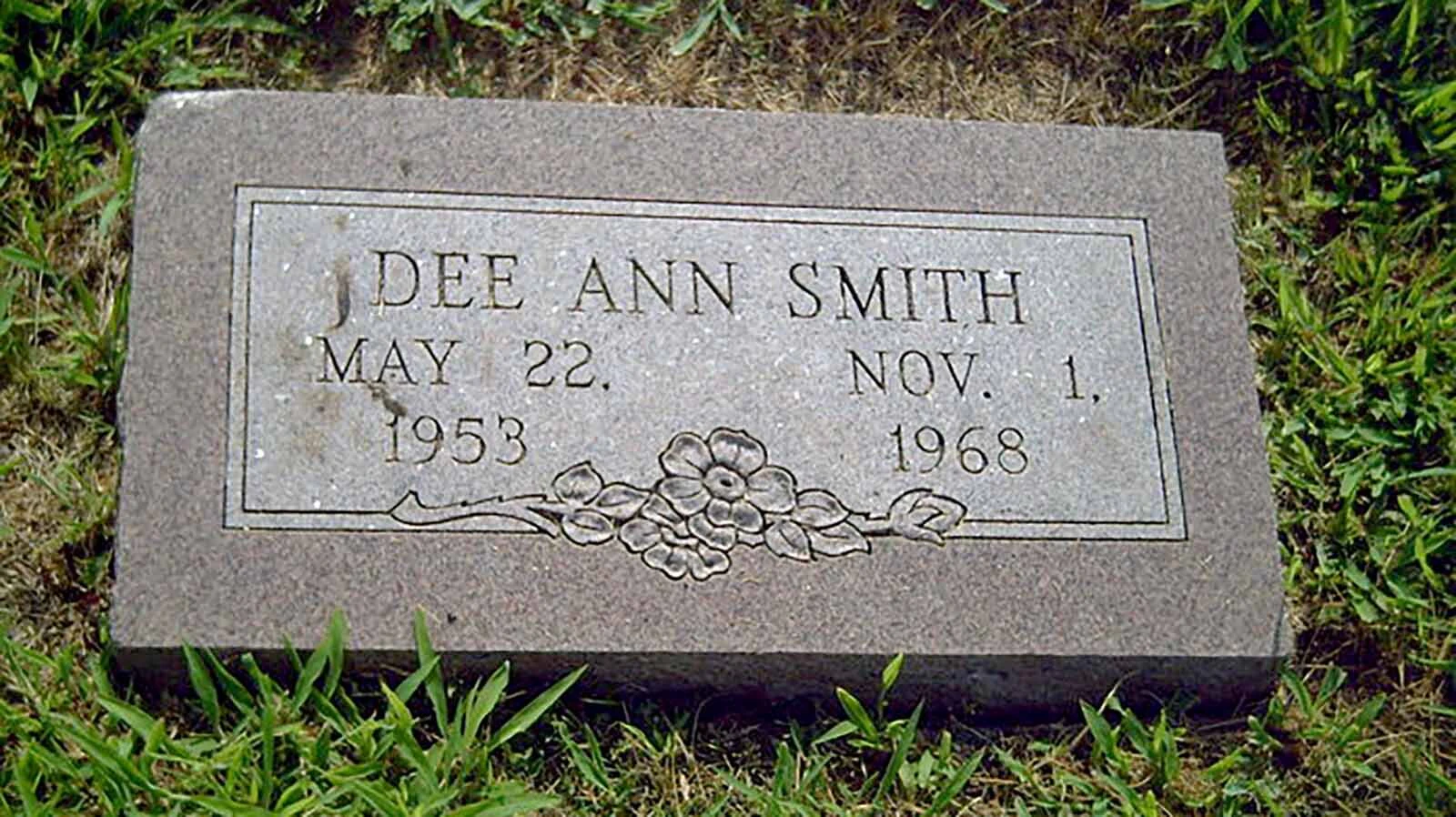
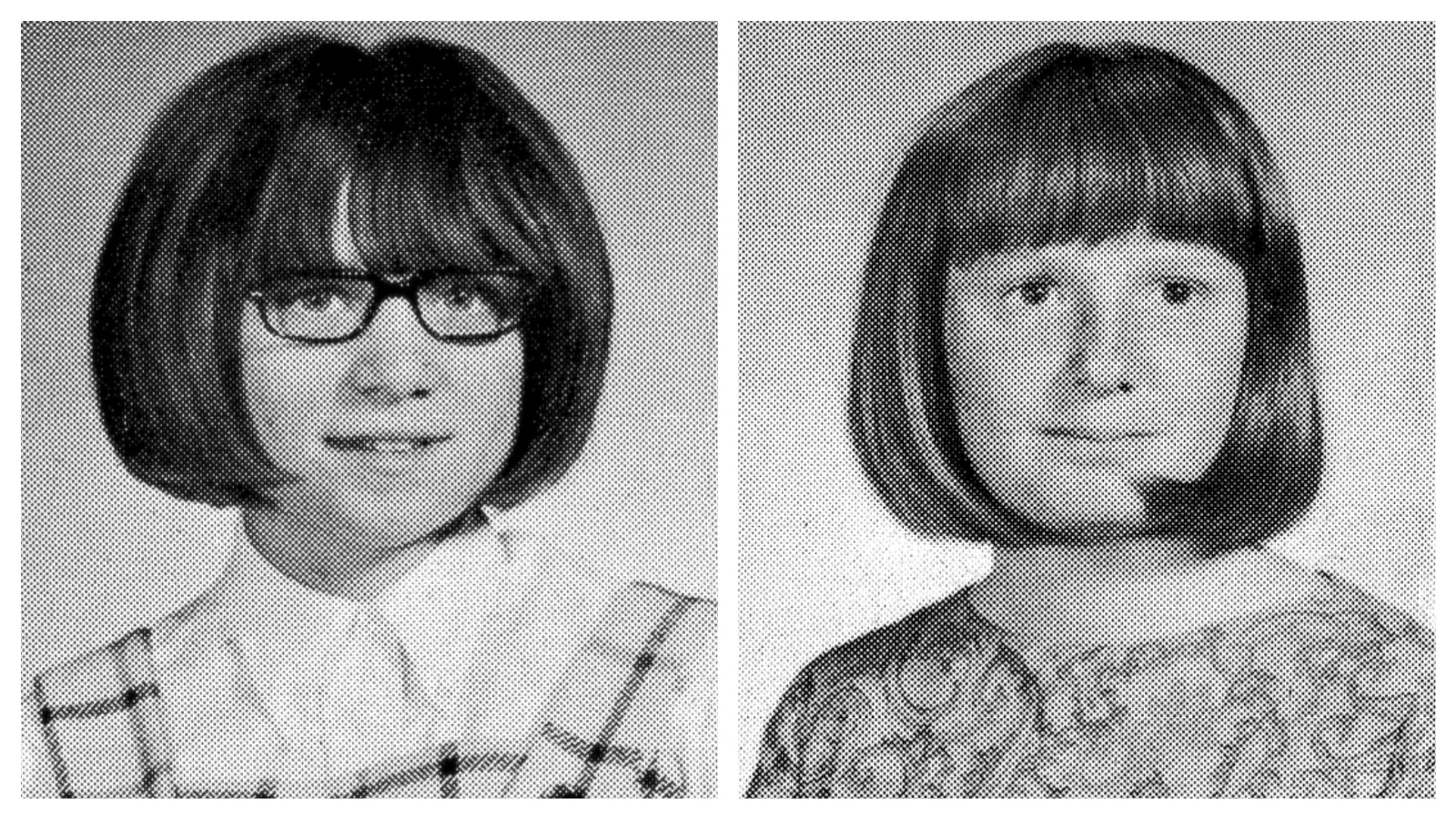
Dee Ann Smith was buried in Toledo, Kansas. (Courtesy Find A Grave) 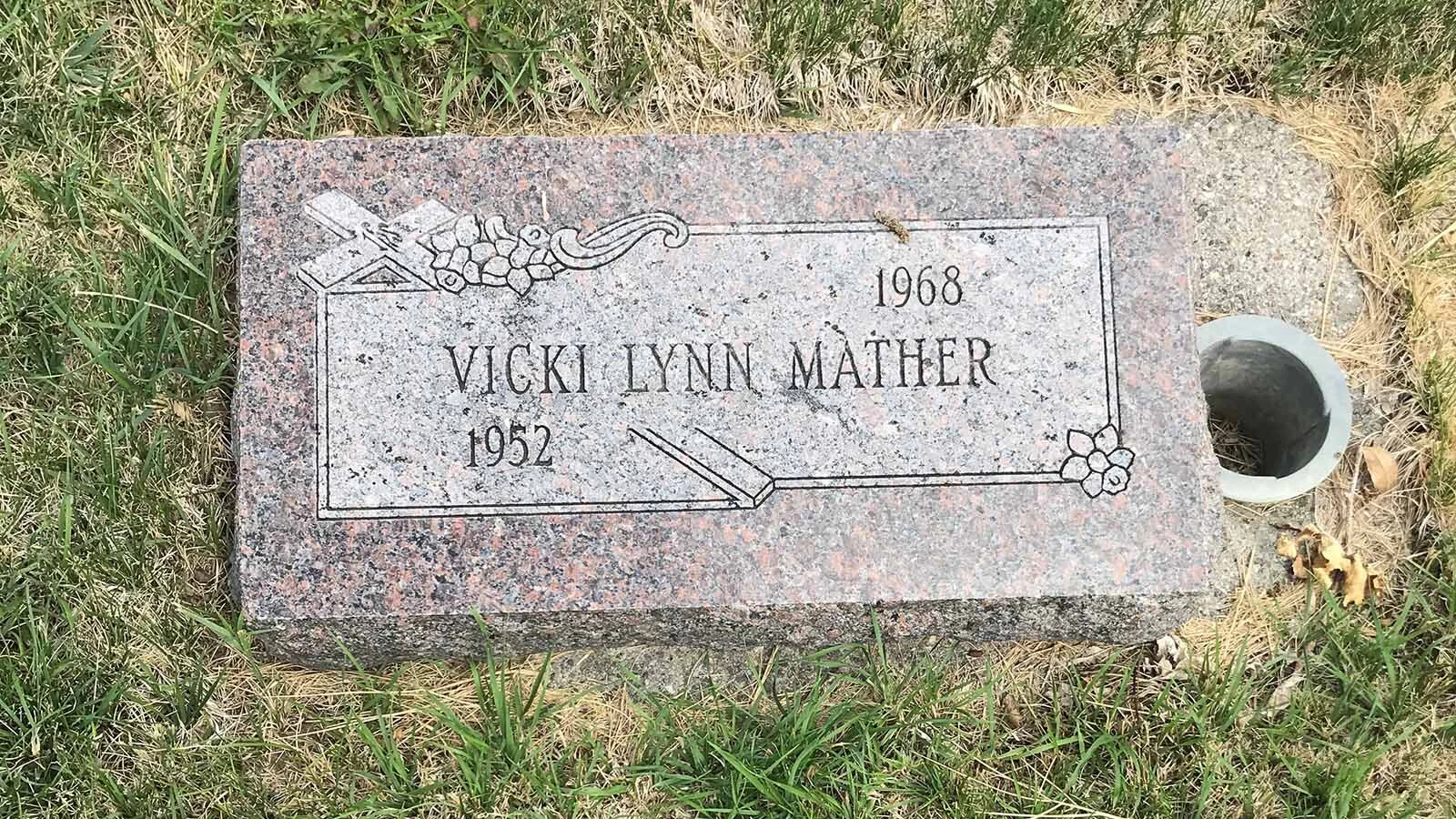
Vicki Mather was buried at the cemetery in Lander. (Courtesy Find A Grave)
The Trial
After being returned to Wyoming, Sims was put on trial after the venue was moved to Worland in Washakie County.
During the trial an FBI agent testified that the blood stains on the victims’ clothing was unable to be identified due to deterioration of the clothing.
Vicki Mather’s mother, Edith Parks, testified that the coat found at the scene was her daughter’s and that she had received it “the day after Christmas.”
Smith’s father, R. Dean Smith, identified his daughter in two photographs shown him of her body.
Bell testified about her Sunday school class finding Mather’s body and a pathologist told the court about the stab wounds that caused the death.
Also at trial, Kirsten Reuter, 21, testified she saw Sims on the night of the killings “emerging from the brush at the place where Mather’s body was subsequently found.” Sims told her that he was looking for some “stashed-away whiskey,” according to the trial court record.
A more controversial witness was a teen named Ronnie Ash,17, who was in a jail cell next to Sims following his arrest.
He testified Sims told him about killing the girls but he couldn’t remember all the details because of his hashish smoking habit.
The Casper Star-Tribune on Oct. 28 reported Ash testified Sims told him he kept a weapon hidden under his seat.
“He said he knew he had to get the first one good so he could take care of the second one,” Ash was quoted.
The paper reported he also said Sims told him he had to clean the car afterward.
Previous Incident
The Star-Tribune reported the jury was sent out of the court room when a 16-year-old girl testified she and another girl had been picked up by Sims on Oct. 4, 1968, and offered a ride by Sims and another boy to a dance but were instead taken to Tweed Lane where Sims tried to remove her clothes.
The girl testified she slapped Sims and that he and the other boy got out of the car and she heard Sims state that “we’ll rape them and ditch them.”
The girl said she and her friend got out of the car, ran into a field, and hid while the boys got back in the car circling around looking for them.
The newspaper reported she testified that she ran to a house and telephoned her parents.
“We were very frightened,” she was quoted by the newspaper.
While the prosecutor sought first-degree murder convictions and the death penalty, the jury returned a second-degree murder conviction for the stabbings.
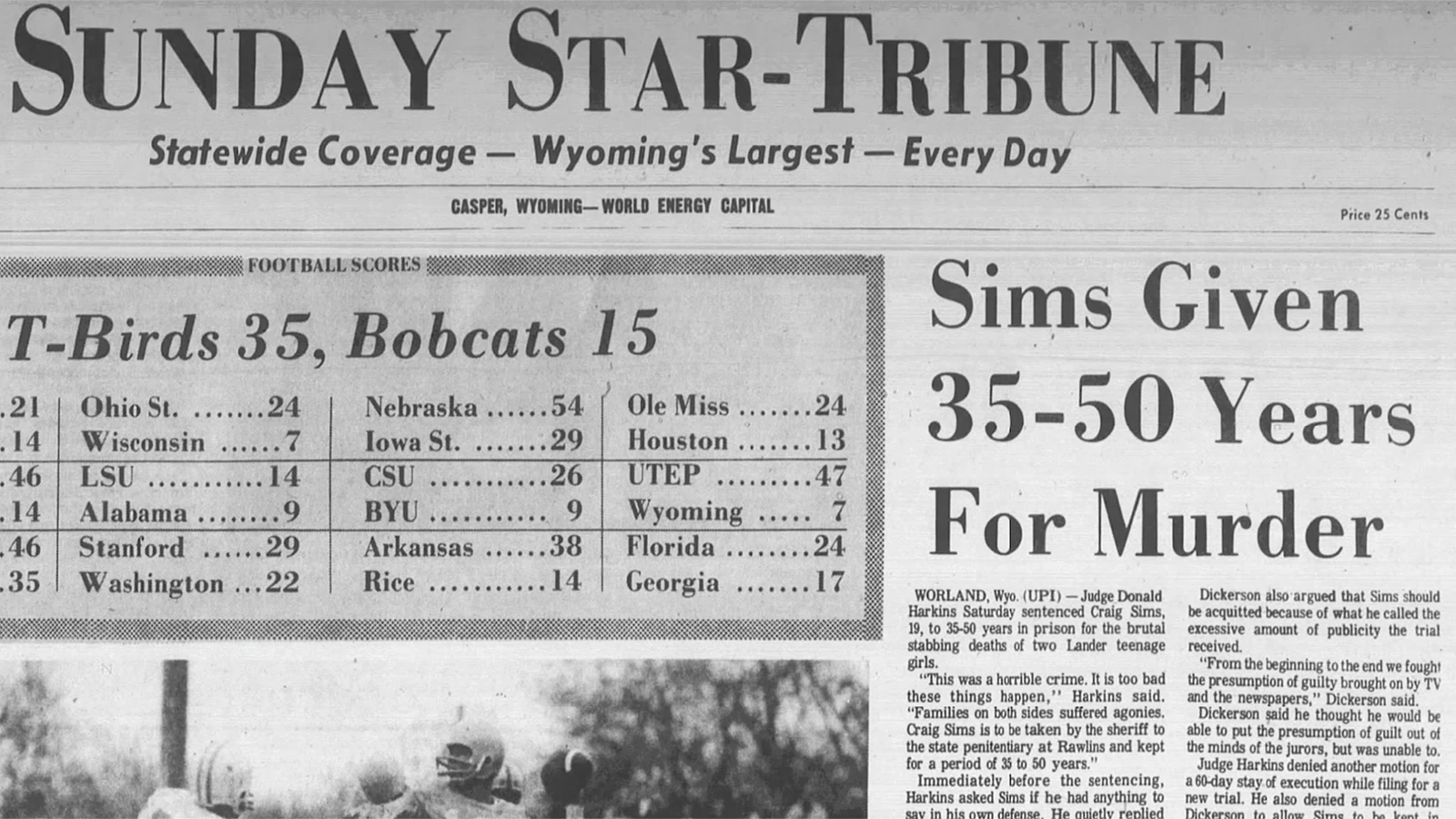
On Nov. 7, Sims was sentenced to 35-50 years in prison.
An appeal of the conviction by Sims failed at the Wyoming Supreme Court.
Sims’ prison sentence was reduced by Wyoming Gov. Ed Herschler to a nine-year minimum term in July 1979 and Sims was sent to Mt. Airy psychiatric center in Denver, the Casper Star-Tribune reported on Aug. 8, 1979.
Sims was out of the hospital and able to be a pallbearer at his grandmother’s funeral in October 1982, the Casper Star-Tribune reported on Oct. 23, 1982.
Sims’s sentence was commuted by Herschler on Dec. 5, 1986, to time served.
Sims would go on to marry on Sept. 2, 1990.
His wife described him in a letter to the editor in Lander’s Wyoming State Journal on Feb. 1, 1998, as the vice president of his own Wyoming company and the president of “another company in Colorado.”
“I found him to be the dearest man I’ve ever known,” Diane L. Sims wrote from Denver. “He was ultra responsible and frequently chided me for being judgmental. He was a Christian and read from the Bible regularly.”
His Death
The letter was written after Sims was found dead in an apartment in Utah in December 1997 by Salt Lake City police.
The Casper Star-Tribune reported that Sweetwater County Sheriff’s Office Commander Dick Blust said that Utah officials believed “an internal hemorrhage” caused Sims’ death.
For Linhart, the impact of the murder on the girls’ families resonates the loudest as she prepares to see her book published in May.
Both families left the area soon after the killings. She said the the girls’ photos were removed from the high school yearbook prior to publishing in the spring of 1969.
“But Craig Sims’ picture is still in there, even though before the end of the year everybody knew that Craig had killed those girls,” she said. “That tells you a lot.”
Thurber said that the murders are still something that pops in his mind from time-to-time, even if he is not being queried by a reporter.
The last time he saw Sims was when Sims sat in jail in Lander the fall following his arrest and Thurber went to the window to talk with a friend who was there on a drug charge.
He and Sims did not talk.
Thurber believes Sims had “a couple of wires” in his brain that weren’t connected right because Sims had talked to others before the murders about committing a “perfect crime.”
“It was on his mind,” he said. “It wasn’t just an all-of-a-sudden spontaneous ‘do it.’”
McKinney, who was involved in pursuing a handful of headline cases during his long law enforcement career, remembers going into a Lander convenience store and seeing Sims there after he had been released from prison.
Sims’ family remained in the community.
He said Sims put his head down and did not look at him.
McKinney said the murders of the girls definitely put a scar on his hometown.
“It shook the community, it really did,” he said.
Dale Killingbeck can be reached at dale@cowboystatedaily.com.


