
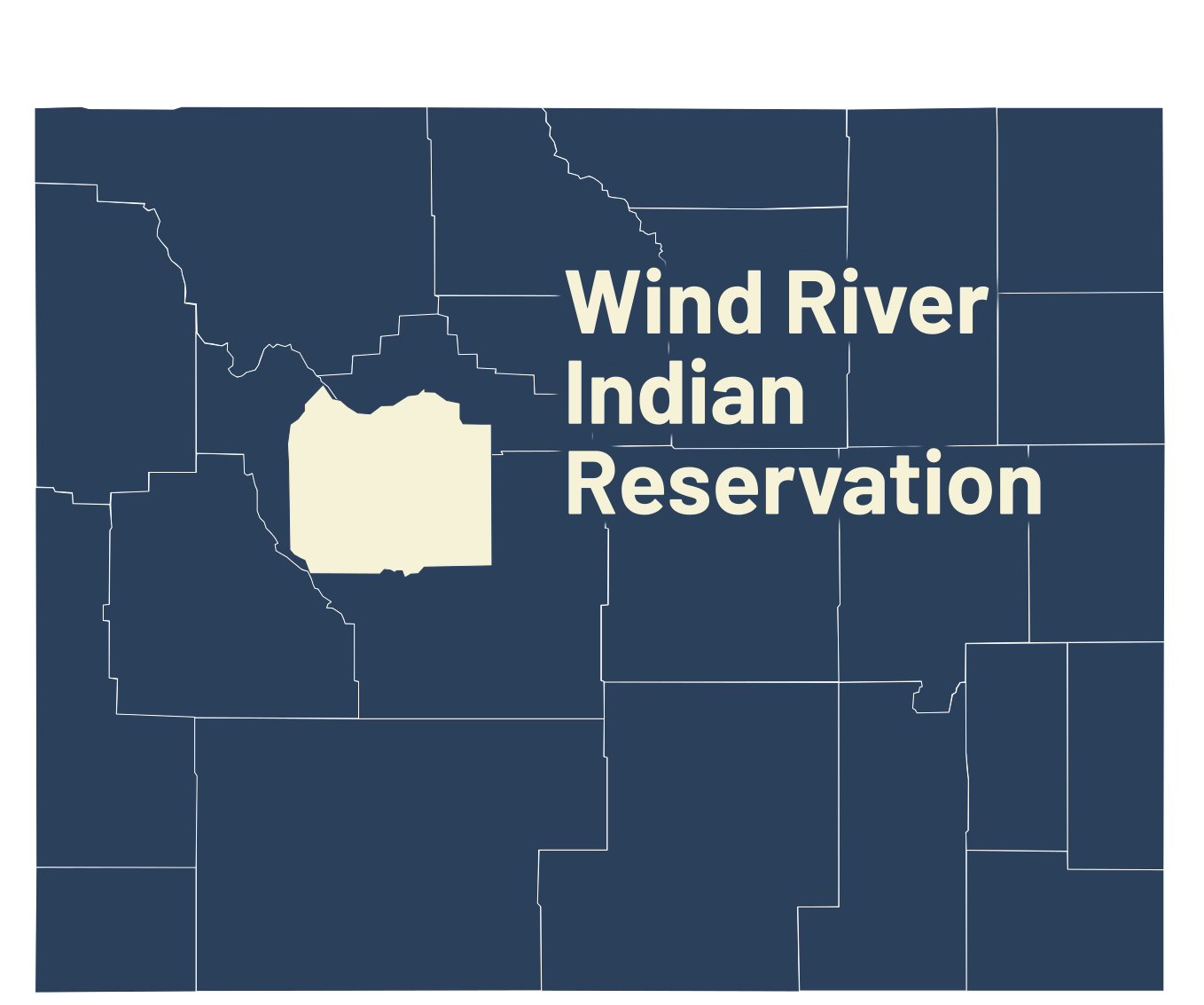
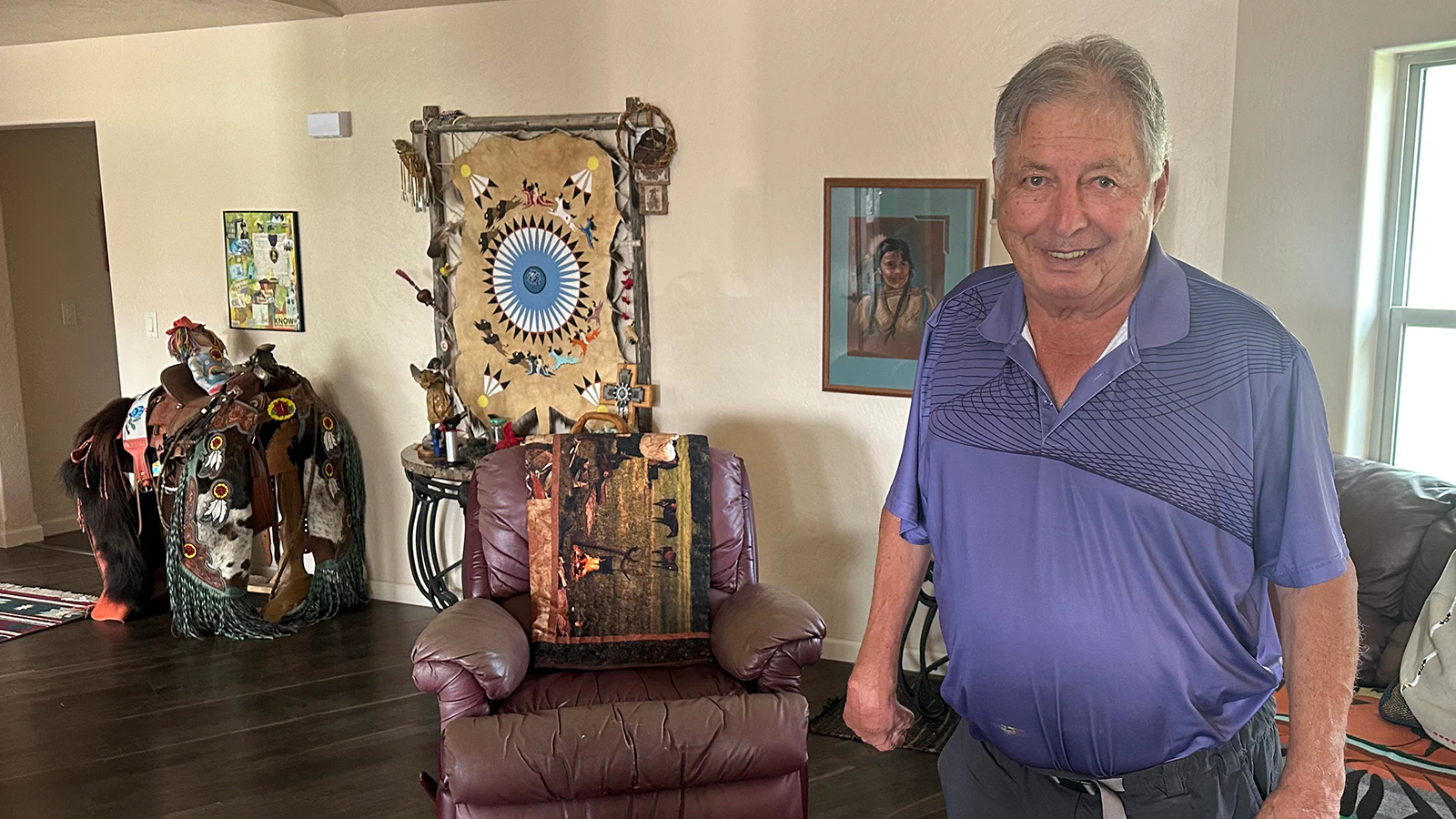
Shoshone tribal member Scotty Ratliff has been on a mission to clear up misunderstandings about the government on the Wind River Indian Reservation for over four decades.
For generations, questions about jurisdiction and how the laws work have confused lawmen, political leaders and even tribal members.
Ratliff, the first Native American to serve in the Wyoming legislature (1980-1992) and a former college professor, said that the tribal government was not even fully understood by most members of the tribe, and that needs to change.
“We are doing a good job of exposing kids to culture and languages,” Ratliff said. “But the topic of tribal government has been avoided.”
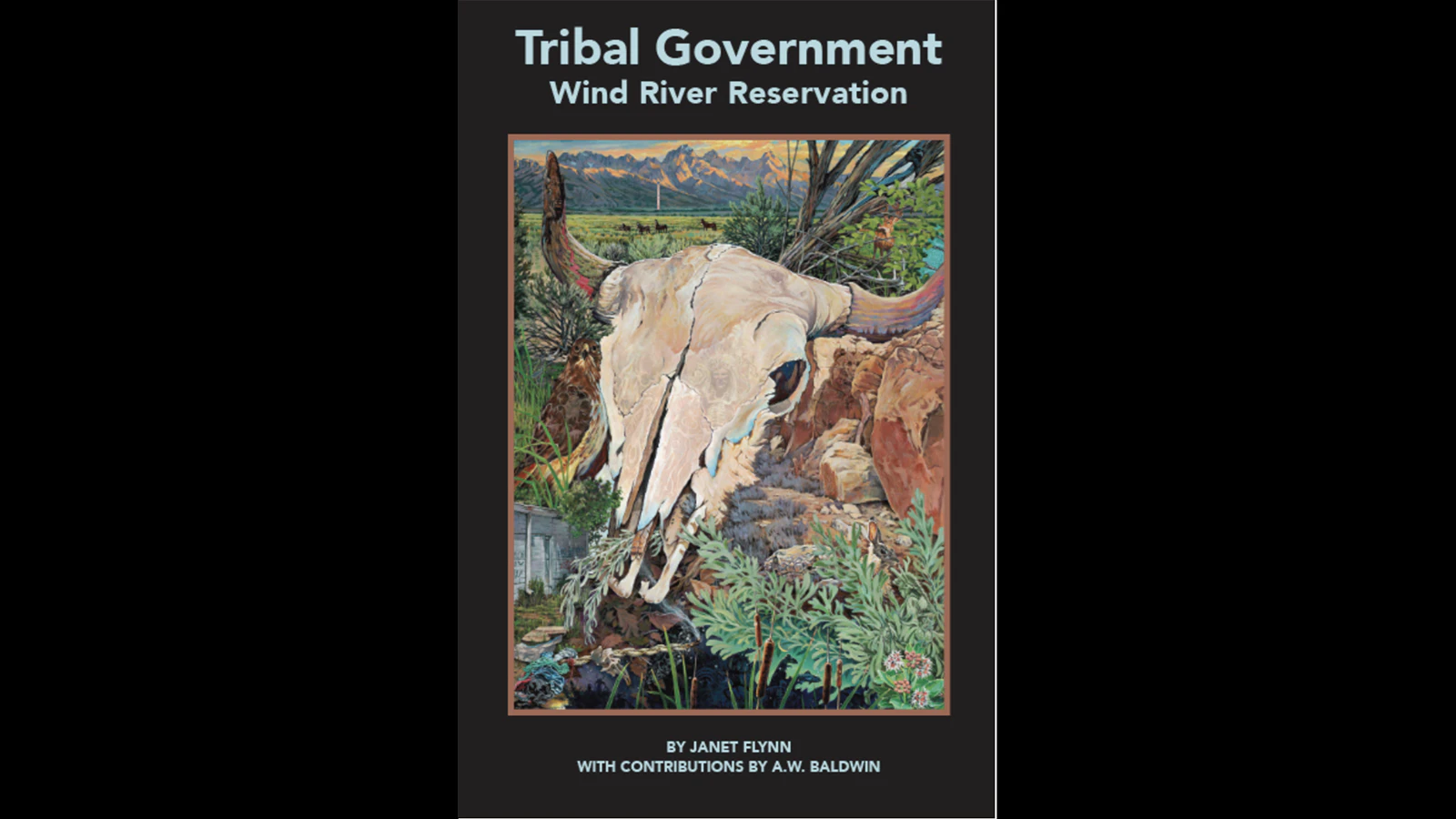
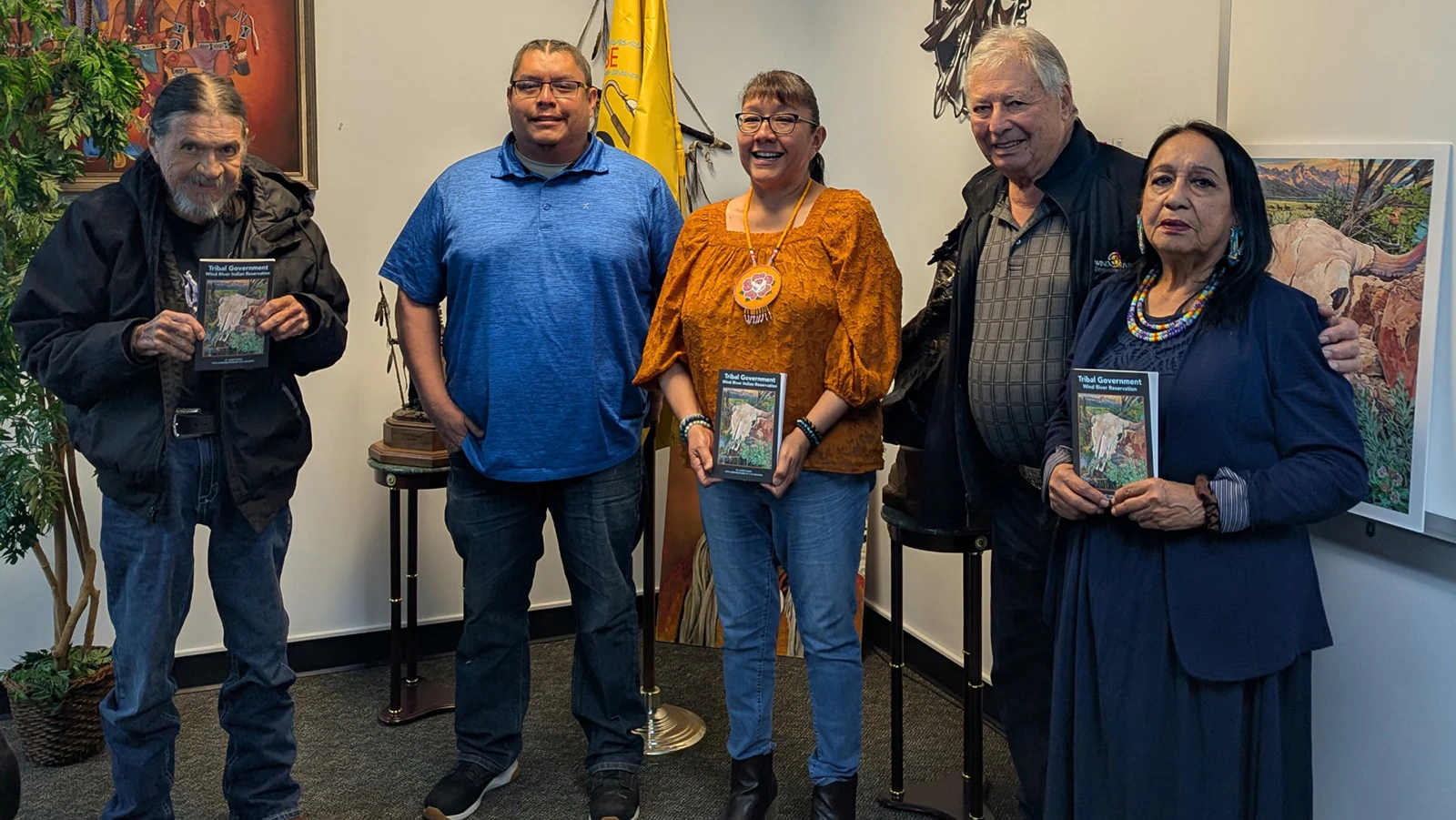
Ratliff’s latest project, a book titled “Tribal Government: Wind River Reservation,” has just been updated with current laws and, after years of waiting, is now available to the public.
It explains the Shoshone and Arapaho tribal government in layman's terms so the laws are more accessible to a wider audience and not just to lawyers and college students.
In the 1980s, Ratliff worked closely with Janet Flinn, a graduate student at the University at Albany in New York, who agreed to research and write the first edition of the book Ratliff envisioned that would explain the tribal governments.
“I was working at Central Wyoming College, and wondering why we have Political Science 101, which is U.S. and Wyoming government, but it did not include the government from the Wind River Reservation,” Ratliff said. “It says government of Wyoming, and that, to me, should have included our tribal government as well.”
The early edition of the tribal government book was taught at CWC in Riverton for a few years, but Ratliff said at the time, he was unable to convince the University of Wyoming to teach from it.
He is hoping that will change with the updated edition.
The original edition has long gone out of print. It was in so much demand by those who worked with the tribe as well as college students, that the first book went through several printings until it became a rare book, available online for over $100 — if you could even find a copy.
For the past two decades, Ratliff has actively been trying to get the tribal book reprinted and updated so it was once again accessible to the masses.
“This is really a story of a man who just would not quit,” former Wyoming Humanity Director Shannon Smith said. “Scotty came to me the second year I was in Wyoming, in 2014, and showed me the original book that he wanted to reprint.”
Smith said when she skimmed through it, she discovered it was also the history of the tribes and agreed it was important to publish.
She just didn’t realize it would take another 12 years to do so. Smith credits Ratliff’s tenacity to getting the project finally done.
Erasing The Confusion
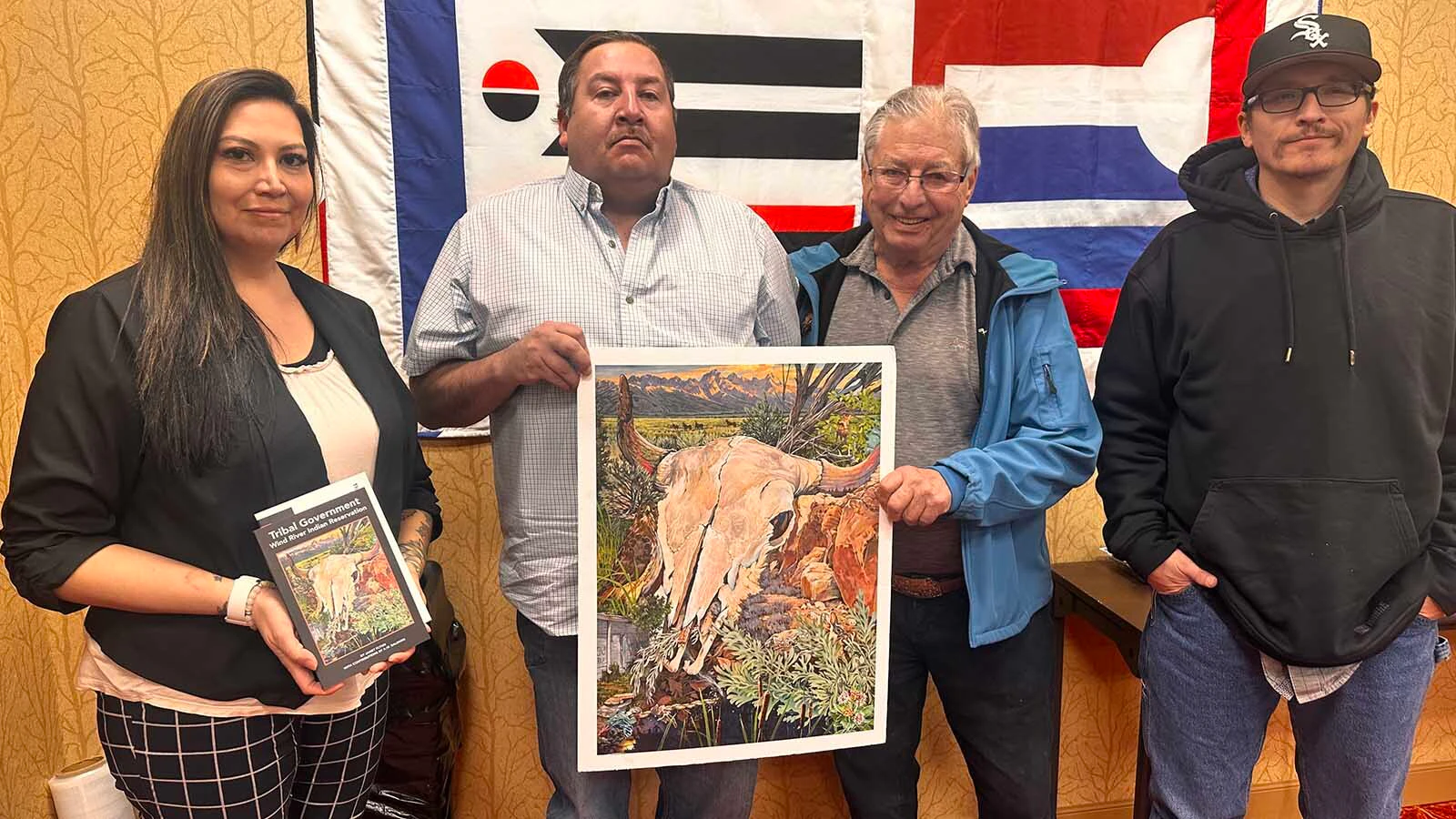
Arapaho Chairman Keenan Groesbeck told Cowboy State Daily that having the Wyoming tribal government explained is vital to not just their tribes but to the people that work with them.
“It’s important because that’s who we are,” Groesbeck said. “This will help educate people within the state of Wyoming about sovereignty and our traditions so that they then know where we come from.”
Ratliff said that this will help people understand the treaty rights of the tribes that gave them the right to be treated as a sovereign nation within Wyoming.
“You run into jurisdiction problems when people don’t understand the reservation,” Ratliff said. “When you’re trying to solve problems, the best way to solve a problem is understand the problem.”
Smith said that to add to the confusion, every reservation’s governmental structure is different, and they’re all shaped on their individual history.
“What’s fascinating about this book is the Northern Arapaho and the Eastern Shoshone had two different methodologies that had to come together to form their government,” Smith said. “There really is a need for people to understand the unique aspects of how the reservation is run and governed – and what shaped it.”
New Era Of Tribal Laws
According to Ratliff, the new edition of “Tribal Government: Wind River Indian Reservation,” explains the different elements that currently exist in their government.
“It explains counsels, general counsels and our court system,” Ratliff said. “Same as at the federal level, they’re constantly changing laws to make things work better.”
One of the issues that Ratliff faced was finding the experts who would be able to explain the nuances that were in their unique form of tribal government.
“The book was written in 1988 and published in 1989, and here we are with all the changes,” Smith said. “Gaming had come to the reservation and lots of sovereignty questions had been fought.”
Andy Baldwin, author and former lawyer for the Northern Arapaho tribe, was recruited as the advisor and ensured the new edition was up to date and correct. He also made sure the book was easy to understand.
“He wrote the chapter on gaming, and it reads like a novel because he’s a novelist,” Smith said.
For the next five years, Smith, now retired from the Humanities and appointed as editor, would get monthly calls from Ratliff asking for updates on the project. She said it was his tenacity that got the project over the finish line.
As a final touch to the project, artist Jon Cox agreed to have his complex oil painting, “Buffalo Spirits” adorn the front cover.
“As you look at the painting, you discover how much Jon was aware of the different cultural aspects that are important in the native world,” Ratliff said. “I think the new chapters in the book and the painting make it an awfully nice story to be told.”
WyoHistory.org agreed to take on the copyright to ensure that future editions would continue to be published.
“This marks the first major revision of the book in nearly 30 years,” WyoHistory editor, Kylie McCormick said. “We are committed to ensuring that the book is kept up to date, has free online resources available, and that it isn’t another 30 years before we see the next edition of the book.”
Accessible Knowledge
In 2017, the Wyoming Legislature passed Wyoming House Bill 76, creating the state’s American Indian Education Program. This required native history and culture, specifically of the Shoshone and Arapaho, to be woven into Wyoming’s existing social studies standards. The on-going issue, according to Ratliff, has been a lack of materials for teachers which is another reason he pushed to have this book updated and republished.
The tribal government book is written in an eighth-grade level to be accessible by many age levels and interests. Smith said it is a fascinating story and only 120 pages long.
“The book itself is not a dry read,” Smith said. “It’s the history of the reservation, how two completely different tribes ended up on the same land and eventually had to come up with a joint government.”
According to McCormick, a free lesson plan is available on WyoHistory.org for Chapter 2, “Two Nations, One Reservation,” and they are in the process of creating more lesson plans to accompany the rest of the book.
Arapaho Business Council member, Sami Dresser, said that it is vital for the material to be taught in all schools, especially on the reservation.
“Our students need to learn our law-and-order code,” Dresser said. “It was something that was never taught in school.”
According to Ratliff, it is his intent to give three copies to every school in the state of Wyoming.
“I think it’s a good attempt to bring forward to the state of Wyoming, some education on tribal government,” Ratliff said.
He said the material will also be helpful for the current Wyoming legislators and others working with the tribes.
“By understanding each other, it’s a lot easier to work together,” Ratliff said.
Jackie Dorothy can be reached at jackie@cowboystatedaily.com.


