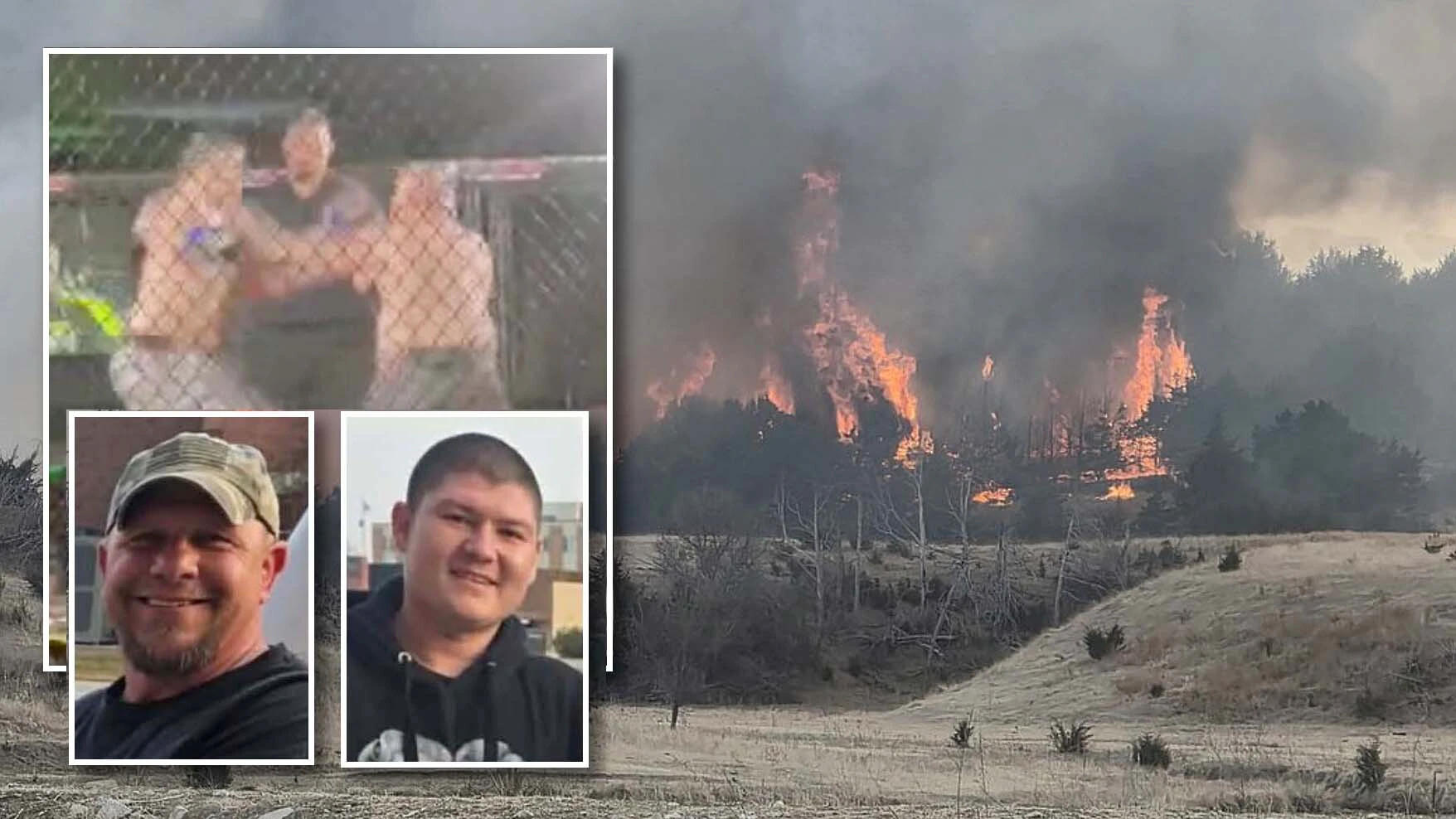
In a cage on a Saturday night in North Platte, Nebraska, two amateur mixed martial arts fighters squared off for the St. Paddy’s Beatdown.
The match pitted 51-year-old Chad Hall against 22-year-old Thomas Barnes. About a minute into the heavyweight bout, Barnes delivered a furious right-left combo and dropped Hall to the mat.
“The one-two!” blurted an announcer responding to the TKO.
“I had no business in the ring," Hall later told Cowboy State Daily, adding fighting in a cage was something on his "bucket list,”
The shamrock-themed Beatdown event was well-attended. The crowd was energetic, pumped to be enjoying a night of MMA cage fighting. The enthusiasm could be clearly seen in video from the fight.
In North Platte, the event was a sign of the community’s resilience — proof that swift action by residents, authorities and volunteers paid off during a week of raging wildfires. It was a celebratory exhale after a stressful week.
The Barnes vs. Hall bout was early on the card that night, and there were no hard feelings.
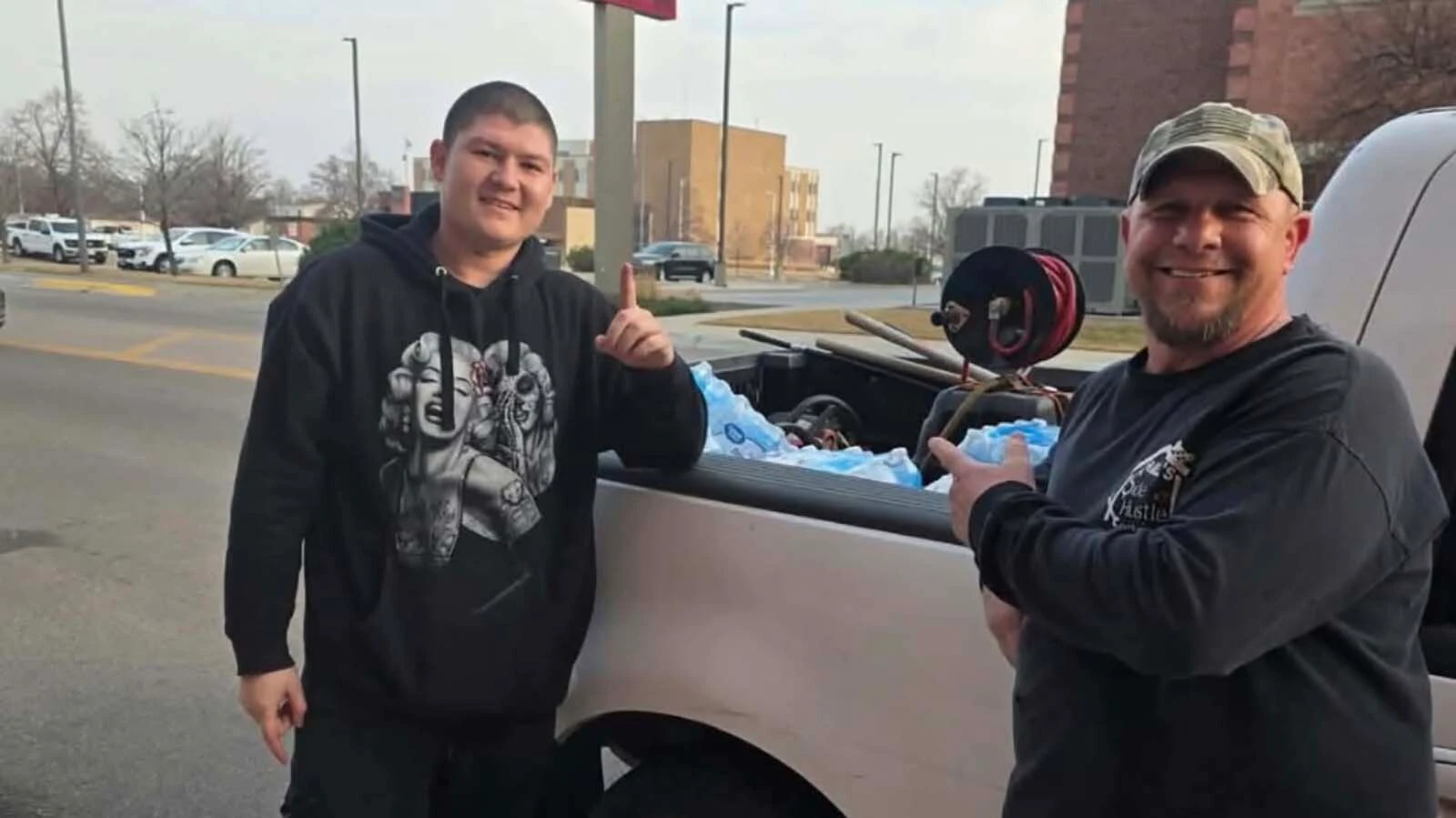
In fact, Barnes and Hall had teamed up earlier to donate supplies to firefighters and first responders working on the front lines of the fast-moving grass fires roaring across the state.
The flames jabbed, and the winds crossed, delivering a combo punch with each inflaming gust.
Ranchers and other families caught in the advancing inferno threw up defenses as fast as they could, with neighbors rushing sprinklers and water trucks toward the walls of intruding flame.
The Morrill and Cottonwood Fires — which would burn around 800,000 acres combined, making them the largest in Nebraska history — were moving faster than any fire department could chase alone.
Volunteer departments were spread impossibly thin across a landscape where north-south gravel roads might be 10 miles apart and east-west roads barely exist.
So a DIY prairie fire brigade assembled in a torrent of blowing sand, hot ash and snow.
In rolled stock trailers, disc plows, mobile fuel trucks, leather gloves, and, in at least one case, 17 pregnant goats that needed loading in a hurry.
The fairgrounds in North Platte whipped into a command center, with out-of-state teams deployed for an historic counter assault.
“Nebraska’s producers are facing a real need right now, and we have the responsibility to stand with our farmers and ranchers,” Gov. Jim Pillen declared this week, as he traveled to the areas impacted. “The faster we get feed and supplies where they’re needed, the more we can do to support our livestock industry.”
Hall and the guy who knocked him out heard the call, alongside all sorts of folks called by the smoke to serve.
In their experiences — in the war stories and the play-by-play action — glow embers of wisdom and inspiration for anyone wondering if their place might one day go up.
Giving Back
Before the fires, Hall was busy starting up a new small business: Hall’s Side Hustle Garage Services.
Car problems? Hall comes to you, a mobile mechanic who is open to all sorts of odd jobs.
Upfront, he wants to tell you he’s in recovery — clean since 2011 — and says he spent years doing bad things to his community. Now he’s trying to give back. When the Cottonwood Fire erupted, he posted on Facebook asking if anyone needed help with the mandatory evacuations.
“Next thing I know, that landed into me getting seven trailers one night for this poor family,” he said.
The calls kept coming. One night he loaded 17 very pregnant goats and the evacuations continued.
At one point, the fire started to crest on the ridge above them. “Let’s go, let’s go, let’s go,” Hall told his wife, who he described as more of a city girl without much ranch emergency experience.
The fire made it to the ridgeline, and then the wind mercifully shifted.
Nebraska is what Hall called “a big whirlwind” — sudden pivots are part of common wildfire behavior.
As the calls kept coming, Hall said he was out gathering donations for fencing supplies because calving season was just starting and ranchers whose fence lines had burned to nothing needed barbed wire and hands to string it. One woman donated 15 pairs of leather gloves.
“What gets me every night is the faces of these poor individuals that are losing everything,” Hall said. “That’s what’s bringing me back every day.”
Driving Bombs
Hall is the local mobile mechanic, and his friend David Harmon is the local fuel delivery guy.
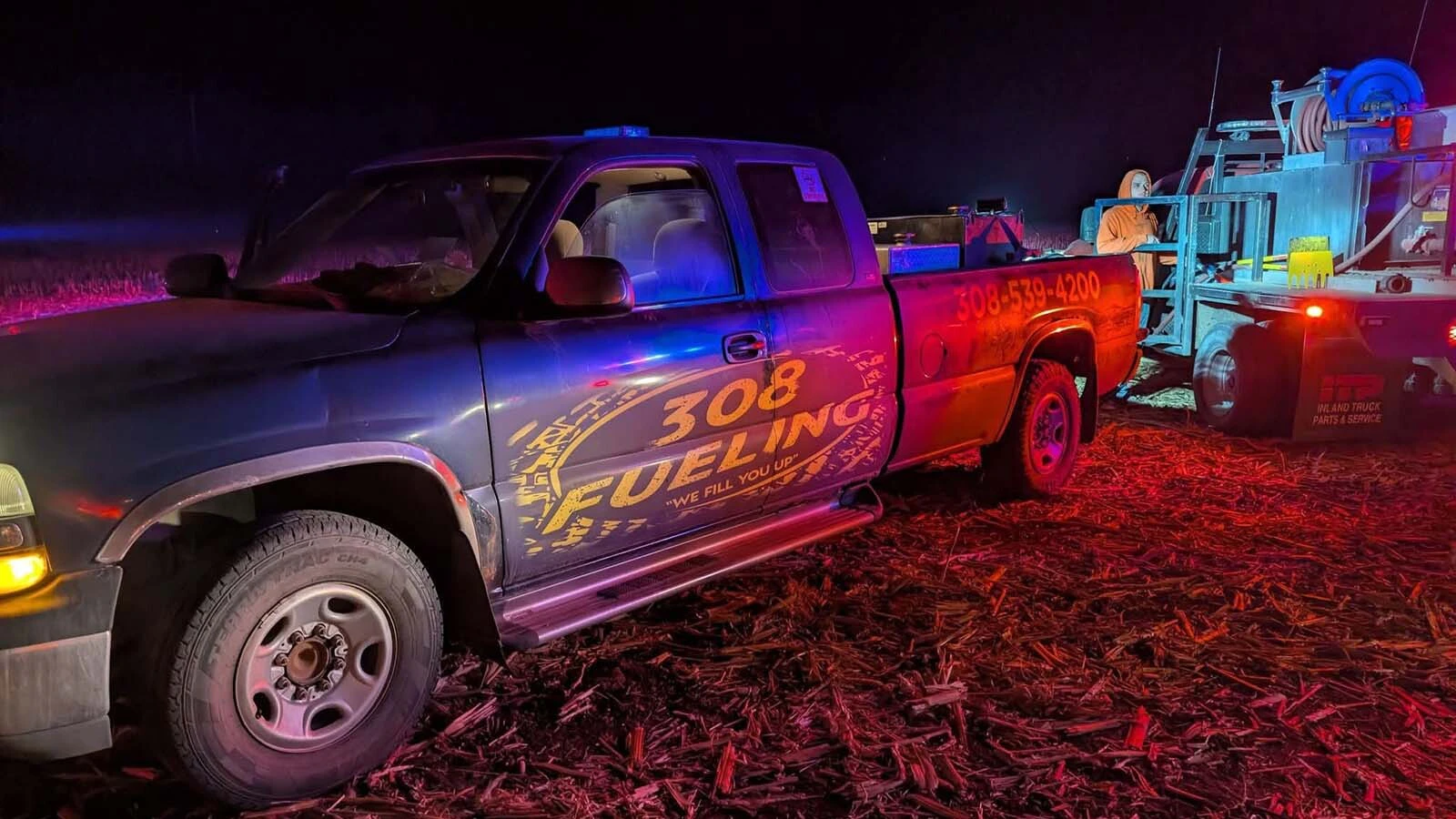
Until recently, he never imagined driving his 250-gallon fuel truck through an active wildfire, but that’s what happened.
“Like DoorDash, but with gasoline,” he told Cowboy State Daily.
When the Cottonwood Fire broke out, the local fire department called Harmon and asked if he’d be willing to deliver fuel to the water trucks and fire engines working the fire lines south of town.
The rigs were burning through diesel and gas far from any station, and every trip back meant a 15- to 20-minute drive — an eternity when the wind is pushing flame across open prairie at highway speed.
From Thursday through Tuesday, Harmon delivered roughly 2,500 gallons.
The system was improvised but effective: Ranchers brought their own 3,000-gallon water tanks to fill the fire trucks, while Harmon set up across from them so engines could take on water and fuel simultaneously.
It was a kind of DIY pit stop on the prairie, choreographed by people who had never rehearsed it.
Then came the call that sunk his stomach. A water truck had run completely out of gas in the middle of active fire. Harmon was radioed in. He drove his fuel rig through flames on both sides of the road.
“This is not very safe,” he recalled thinking. “I’m driving a bomb.”
He made it. The fire truck got out.
“Just one hot ember landing on my truck could, you know… ignited is what I’m thinking,” he said.
Sand Dunes
In the heat of the moment, pivoting winds descended on the Van Newkirk place, a ranch east of Oshkosh, Nebraska.
Kolby Van Newkirk remembers the air was so filled with dust and sand, it obscured the march of the Morrill Fire.
“You wouldn’t have had any idea because the air was so full of dirt, sand,” he said. “If you didn’t know there was a fire, you would have no idea.”
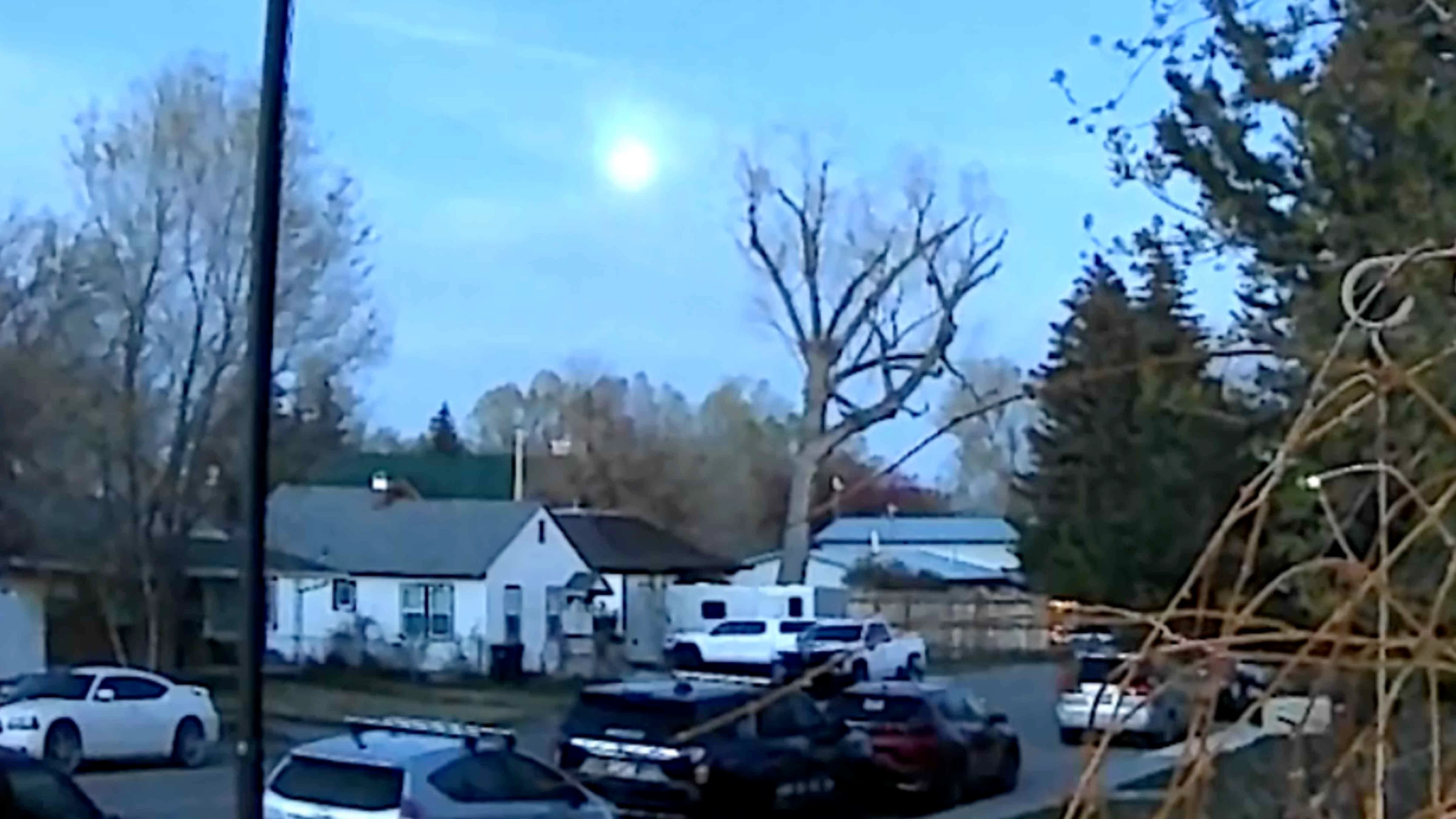
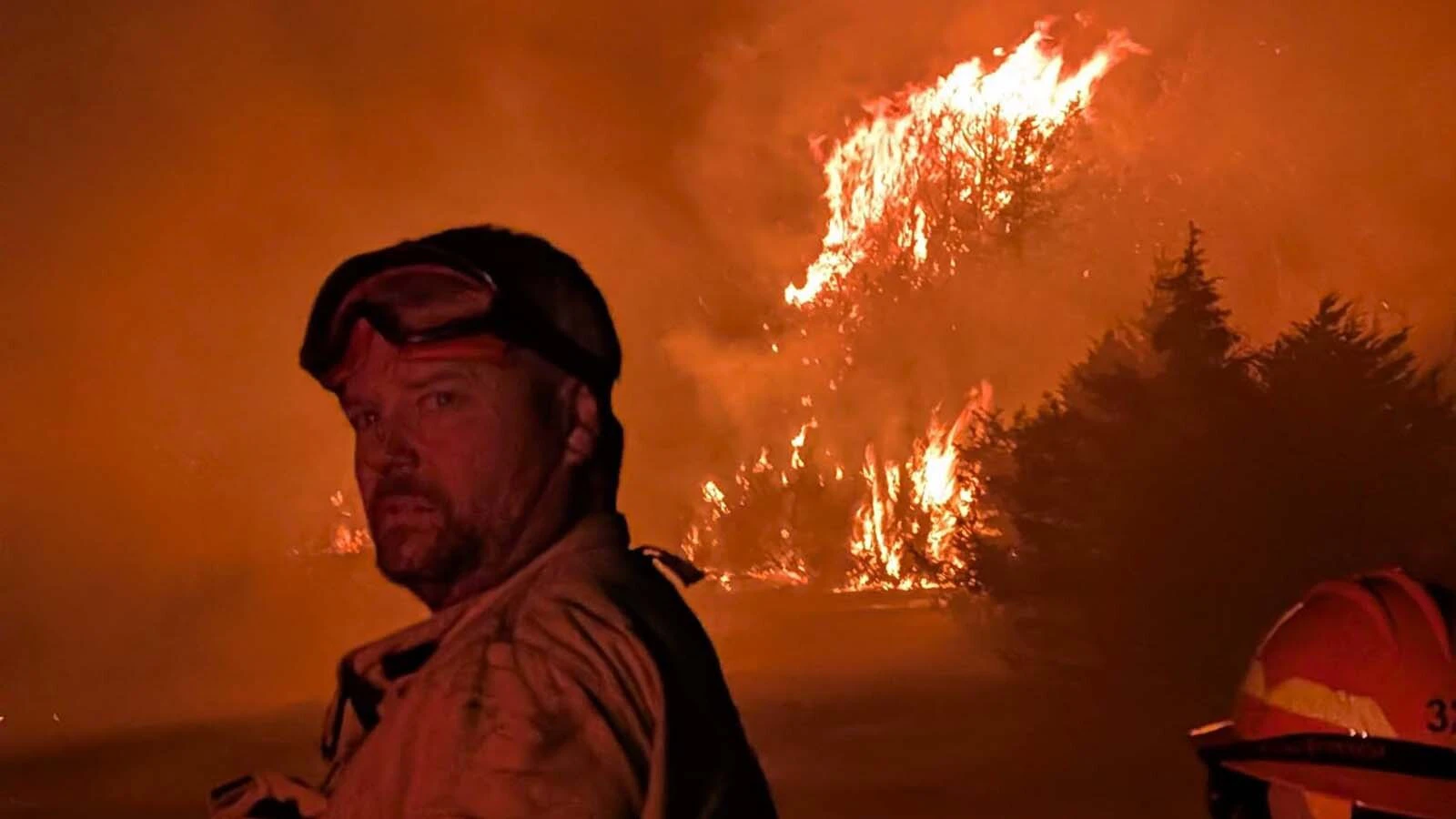
Then at about 9 p.m., the wind switched and blew straight out of the north. Smoke filled the valley in minutes.
The fire had traveled roughly 50 miles since it started, and now the entire front — 40 to 50 miles wide — swung to the south and headed straight toward the population centers in the valley, straight toward Oshkosh.
“It was just, I mean, it’s impossible to fight,” Van Newkirk said.
He hooked a disc to his tractor and headed north. His ranch has its own fire rig, a water trailer — something many operations in the area keep on hand, a piece of equipment that became essential when professional help couldn’t reach the remote stretches of the Sandhills.
“The firefighters couldn’t get anywhere,” Van Newkirk said. “People were just having to protect structures themselves or with their neighbors.”
Van Newkirk said they saved his cattle, buildings and the things that matter most. Others, he said — ranchers north of Oshkosh, north of Lisco, north of Lemoyne — lost far more.
“It’s bad,” Van Newkirk said. “It’s bad.”
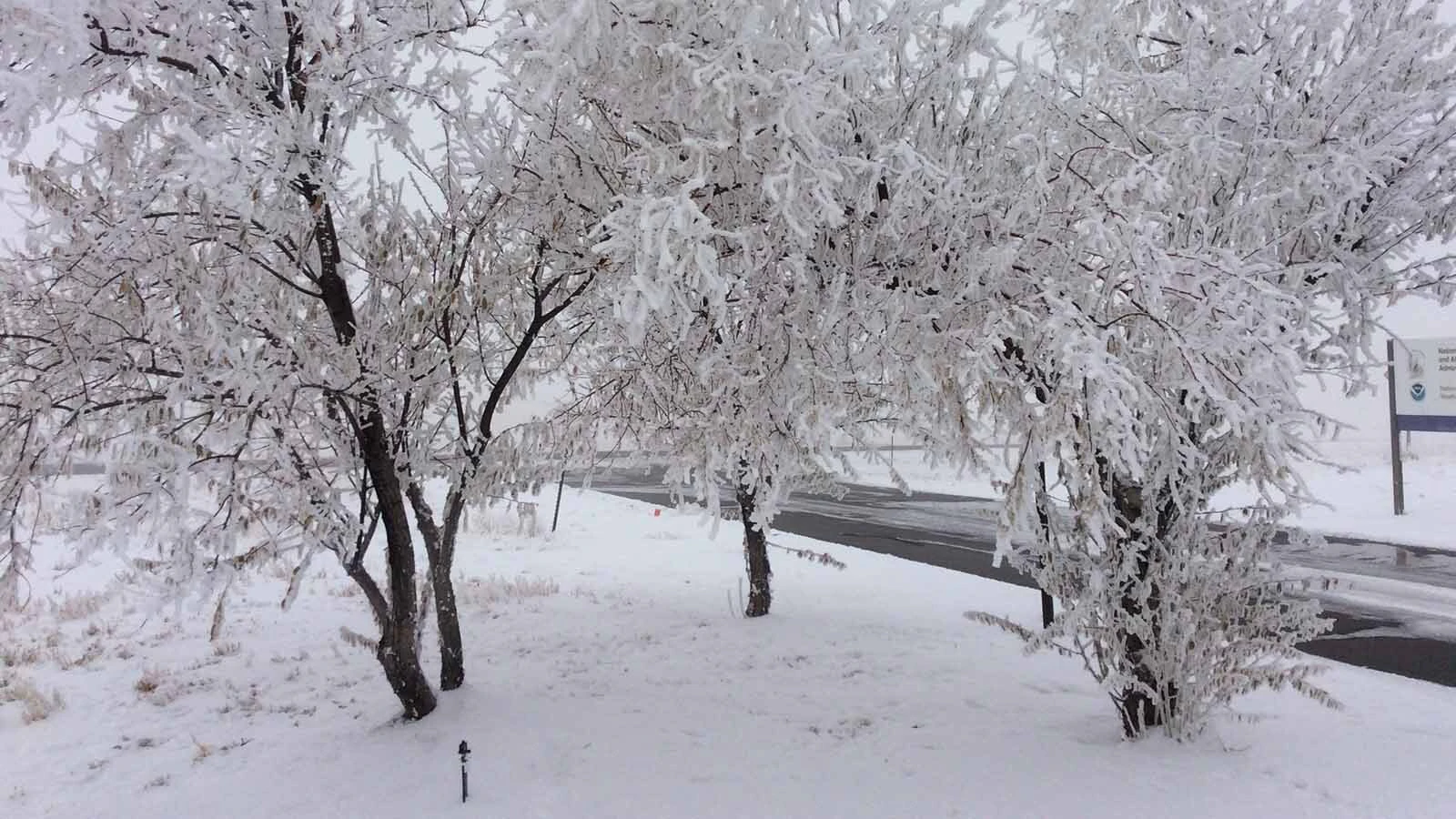
Then, the weather piled on. By Sunday night, temperatures plunged to zero with wind chills below that. Ranchers who had been fighting fire were now nursing newborn calves through sub-zero conditions. In some places, it snowed.
“Guys are fighting fire and gotta go take care of the cows too,” Van Newkirk said, “Because pretty tough for those calves to survive in sub-zero temperatures.”
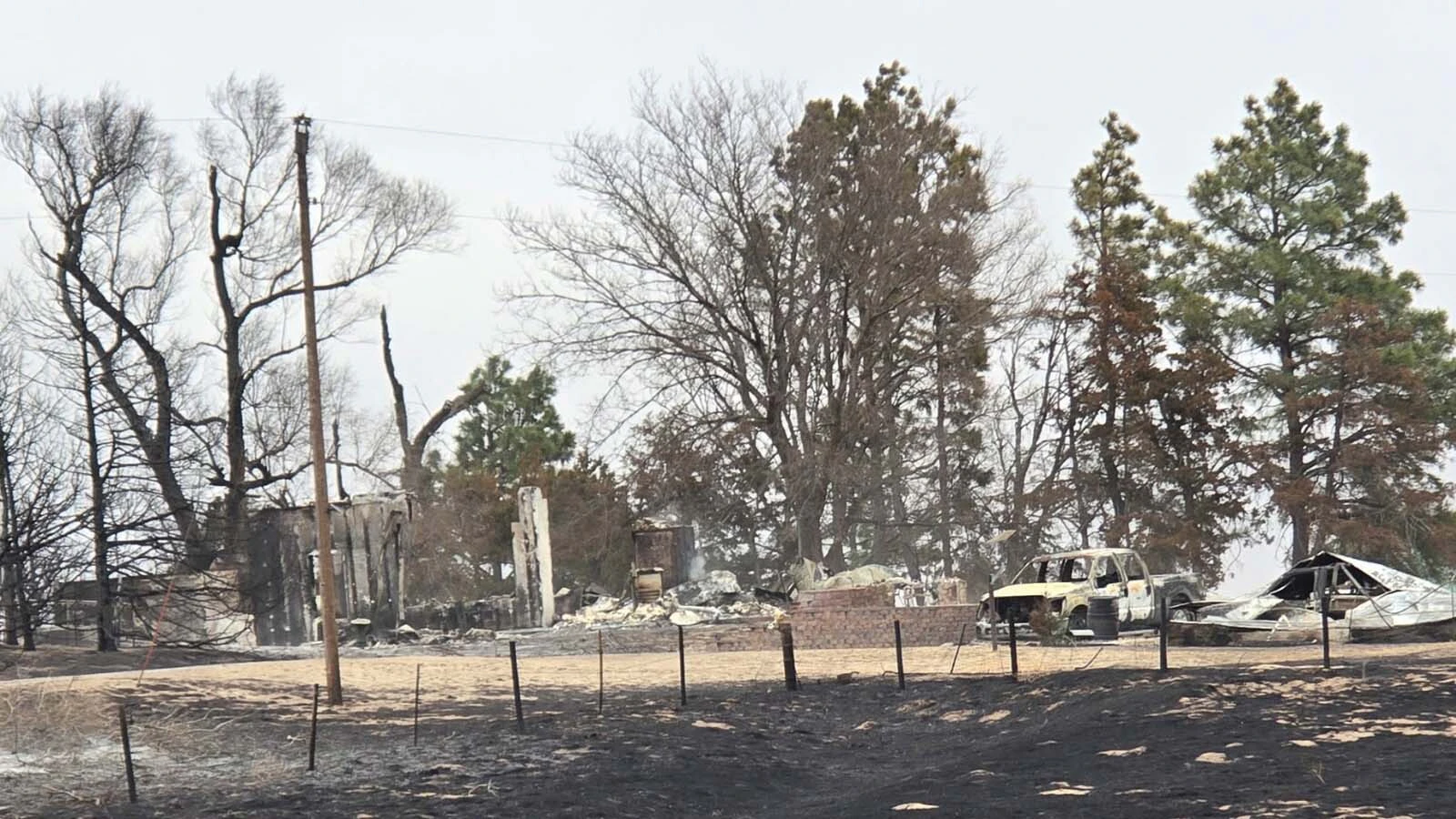
And then came the wind again — 50, 60 miles per hour — scouring the burned Sandhills and blowing the charred topsoil away until the landscape no longer looked scorched. It looked lunar.
“I am not kidding you, it looks like the Sahara Desert,” Van Newkirk said. “There’s sand drifts all over.”
He called the fire the most historic thing he’d ever heard of in the region.
“Not even close,” he said when asked if there was anything to compare it to.
Mirrors Dark
In Garden County, Sheriff Randy Ross was out responding to the emergency Thursday night when the wind shifted, and he realized the fire was heading straight for his home.
He rushed back. He and his wife grabbed what they could while their kids waited in the car.
“Terrifying,” Ross told KETV in an exclusive interview. “It was terrifying. And just the thought of, you know, losing all your personal things.”
When they stepped outside, flames were already flanking their property on both sides.
“We walk out the door and there’s fire on the east side of us and the west side of us already going around us,” Ross said. “So we hurry up and we get going.”
On the rural roads, thick smoke swallowed the night. Ross drove lead, his family’s vehicle behind him. Then the headlights disappeared.
“That was probably the scariest part,” he said. “I’m looking in my mirrors, and I can’t see my family’s headlights behind me.”
They made it out. The house didn’t. Ross lost his home and much of the farming equipment he relied on. But he said the community response had been overwhelming — neighbors arriving with clothes, toiletries, meals.
“Community has gone above and beyond,” Ross said.
Future Fire
Harry Statter has spent his career thinking about what happens when fire arrives faster than firefighters can.
The founder and CEO of Frontline Wildfire Defense, based in Jackson, Statter started in landscape ecology — managing timberlands and grasslands, doing defensible-space work around structures.
Then he started noticing supermarkets burning during wildfires, buildings surrounded by nothing but parking lots.
Statter said he and others could see embers riding the wind well ahead of the flames cause 90% of structure ignitions during wildfire and can travel astonishing distances.
“If you have hurricane force winds, like we’re seeing today in Nebraska, embers can go up to 24 miles outside of the wildfire perimeter,” Statter told Cowboy State Daily.
Frontline’s answer is an automated, software-connected external sprinkler system. Sensors detect an approaching fire, and if weather and fuel conditions align, the system activates — wetting down a structure and its surroundings up to 30 feet from the walls so that when embers land, everything is too wet to burn.
During the Los Angeles fires, the system was 96% effective and protected 59 homes, according to Frontline.
Statter noted that 80% of fires in the U.S. burn in grasslands or shrublands — the exact landscape that just went up in Nebraska.
“Fire is very natural,” he said. “The great denominator of all our plant communities across the U.S.”
A century of fire suppression, he said, has allowed woody plants to encroach into grasslands, building up fuel loads even where there are no trees. And communities have been built in the historical paths of fire.
“It’s not if your property is going to face fire. It’s when,” he said. “When all of your neighbors face the same fire or your entire community faces the same fire, firefighters are quickly overwhelmed. And the reality is, firefighters are focused on saving your life. They’re not focused on saving your property. So you have to take matters into your own hands.”
Still Standing
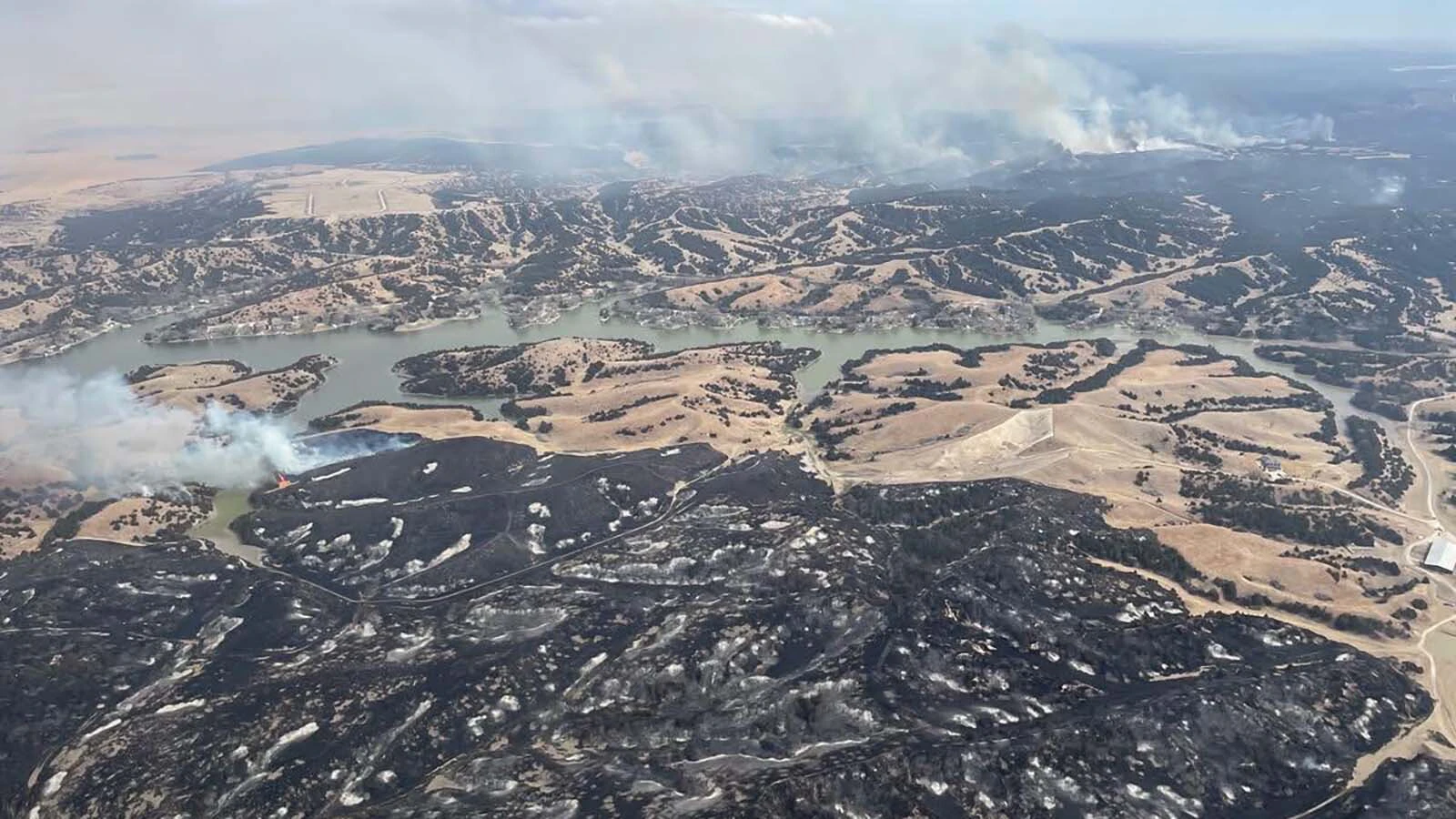
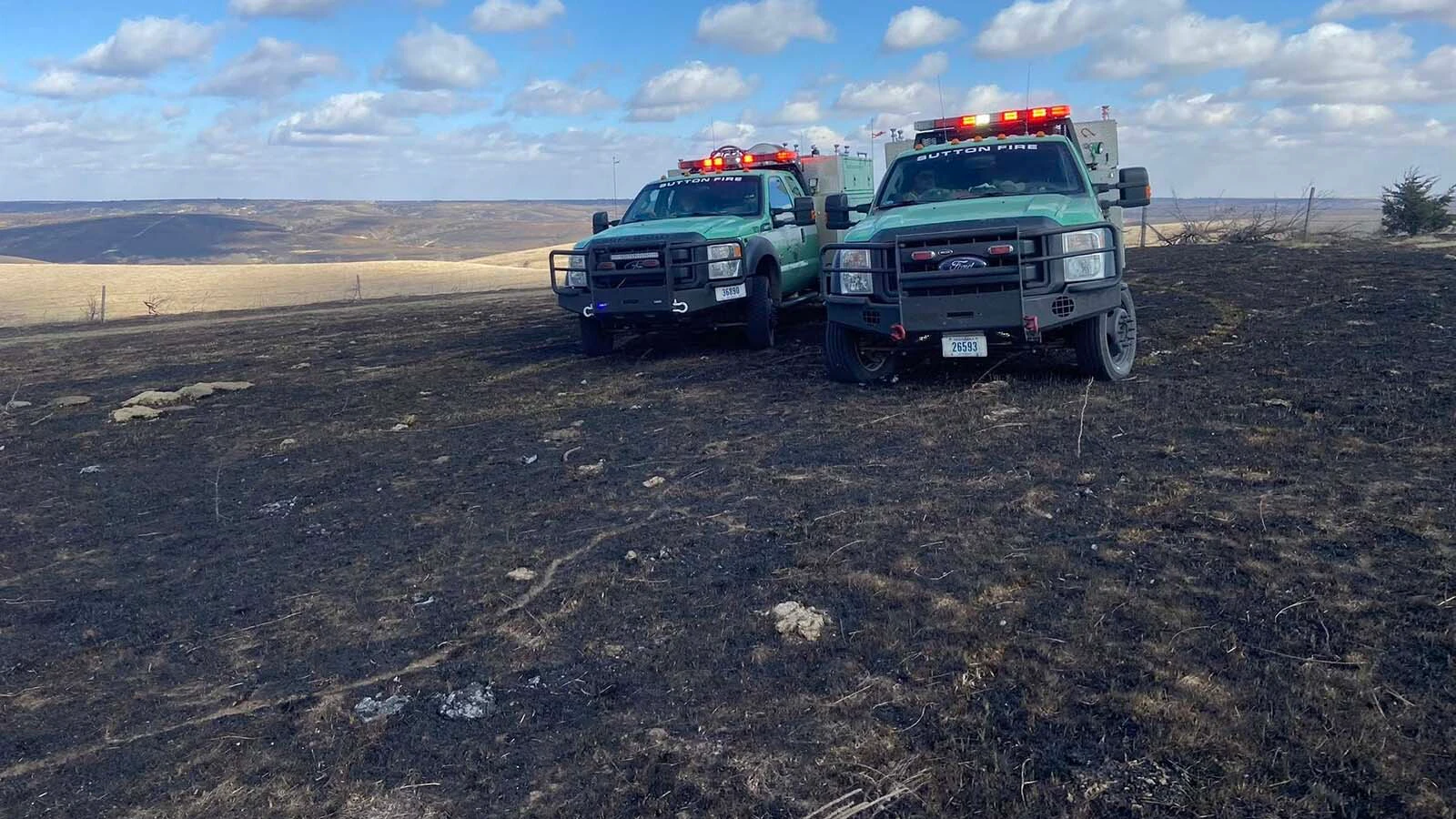
By Saturday, the Morrill Fire had consumed 643,074 acres and was 98% contained. The Cottonwood Fire stood at 128,192 acres and 94% contained.
The Rocky Mountain Complex Incident Management Team 1 had assumed command, with National Guard helicopters on standby and hand crews working the rugged, wooded draws where engines couldn’t reach.
A red flag warning was in effect. Temperatures were expected to reach the mid-80s and 90s through the weekend.
Wheat Belt Public Power District reported nearly 200 poles destroyed. Mutual aid crews had rebuilt a five-mile stretch of line, replacing 94 poles in two days.
On the ground, ranchers are still checking on each other, still hauling water and fencing supplies.
In the mix was Chad Hall, battle weary from a TKO in the cage, but back. He said his cellphone was charged and his truck was gassed.
“Strangers putting everything on the line to help a stranger protect their homes, their livestock, their everything,” he said. “It makes me proud to be where I’m from.”
Contact David Madison at david@cowboystatedaily.com
David Madison can be reached at david@cowboystatedaily.com.