A ballot initiative promoted by Oregon animal rights activists to effectively ban hunting, fishing, and ranching there has virtually no chance of passing, but still serves as a “cautionary tale,” an Oregon hunter said.
Initiative Petition 28 aims to fundamentally change Oregon’s animal cruelty laws to include virtually any activities that might hurt or kill wild or domestic animals.
IP 28, the People for the Elimination of Animal Cruelty Exemptions (PEACE) Act, needs 117,000 signatures by July 2 to be included on the state’s November ballot.
It has about 100,000 so far, Amy Patrick, the policy director and lobbyist for Oregon Hunters Association, told Cowboy State Daily.
Even if IP 28 makes it on the ballot, she thinks its chances of passing are slim to none.
However, it’s still indicative of an ongoing threat to hunting and agriculture, and people in Wyoming and other states should take notice, Patrick said.
“I think Oregon is almost always a cautionary tale for other states” because of its “sharp urban-rural divide,” she said.
IP 28’s chief petitioner is David Michelson of Portland, told Cowboy State Daily that while IP 28 has scant chances of passing, it's part of a long-term strategy to shift social standards toward animal rights.
Not The First Attempt
IP 28 is similar to two previous ballot initiative petitions in recent years, which failed to garner enough signatures to go on the ballot, Patrick said.
Some backers of IP 28 were behind a similar measure in Colorado, Initiative 16, the Protect Animals From Unnecessary Suffering (PAUSE) Act. In 2021, Initiative 16 failed to garner enough signatures to make it on to the ballot.
“This is something we saw come to Oregon out of Colorado,” Patrick said.
She said activists might have been trying to play off a “similar demographic” in Colorado, she said. In other words, trying to gain leverage with a large metropolitan population.
Michelson said he wasn't directly involved with Initiative 16 in Colorado.
As Patrick sees it, many who sign petitions to put IP 28 on the ballot might not understand the full scope of the bans it proposes.
She said that she was recently approached by a petitioner who told her it was related to a ban “on primate research,” but didn’t mention bans on hunting, fishing and animal agriculture.
In his testimonial on the Yes On IP 28 website, Michelson states that he hopes the initiative will encourage people to re-think their views on animals and animal rights.
"When voters in Oregon are asked—for the first time in world history—whether they would like to protect animals from slaughter, hunting, experimentation, and forced breeding, I believe those conversations will help wake us up to how we currently relate to animals and illuminate what alternative relations are possible," according to Michelson.
‘Historic Defeat’
If IP 28 makes it on to the ballot, it will probably go down in flames, said Patrick and rural Oregon resident Selah Tenney.
Patrick said her group has been working to raise awareness about IP 28 and asking people to show up at the polls and vote against it, if it makes the ballot.
“We plan to hand it one of the most historic defeats that we have seen in Oregon,” she said.
Tenney said she thinks Michelson is “truly an extremist.”
She lives near Roseburg, Oregon. She and her husband raise sheep on their roughly 20-acre property.
They also enjoy documenting wild animals’ activities on trail cameras, including a dramatic video of a bobcat snatching a turkey in mid-air.
IP 28 would make Oregon’s rural residents “lawbreakers,” she told Cowboy State Daily.
“I really don't think this measure would have a chance as it is so ridiculous. If it did by some miracle pass, then there aren't enough prisons in the country to house all of us ‘lawbreakers,’” she said.
Long-Term Strategy
Michelson said that if IP 28 makes it on the ballot, he understands that it probably won't pass.
"It is highly unlikely that 50% of Oregon voters are willing to move away from killing animals," he said.
However, every attempt at such measures moves the needle toward his point of view, he said.
"It took 50 years to get women's sufferage," he said, referencing the decades of activism that resulted in women winning the right to vote in the United States.
As he sees it, pushing society toward accepting animal rights will require a simiar, long-term effort.
Hunting, fishing and animal agriculture meet "human needs," and people aren't going to suddently give those things up, Michelson said.
"Our campain wants to find a way to meet human needs without killing animals," he said.
One approach is to try to get people to look at wildlife the same way they see their "companion animals" like dogs and cats, he said.
All animals have "personality, needs for care, affection and play," he said.
Strong Hunting And Ag Communities
Patrick said for now, Oregon’s hunting and agricultural traditions are safe, but growing animal rights sentiments are something to be mindful of.
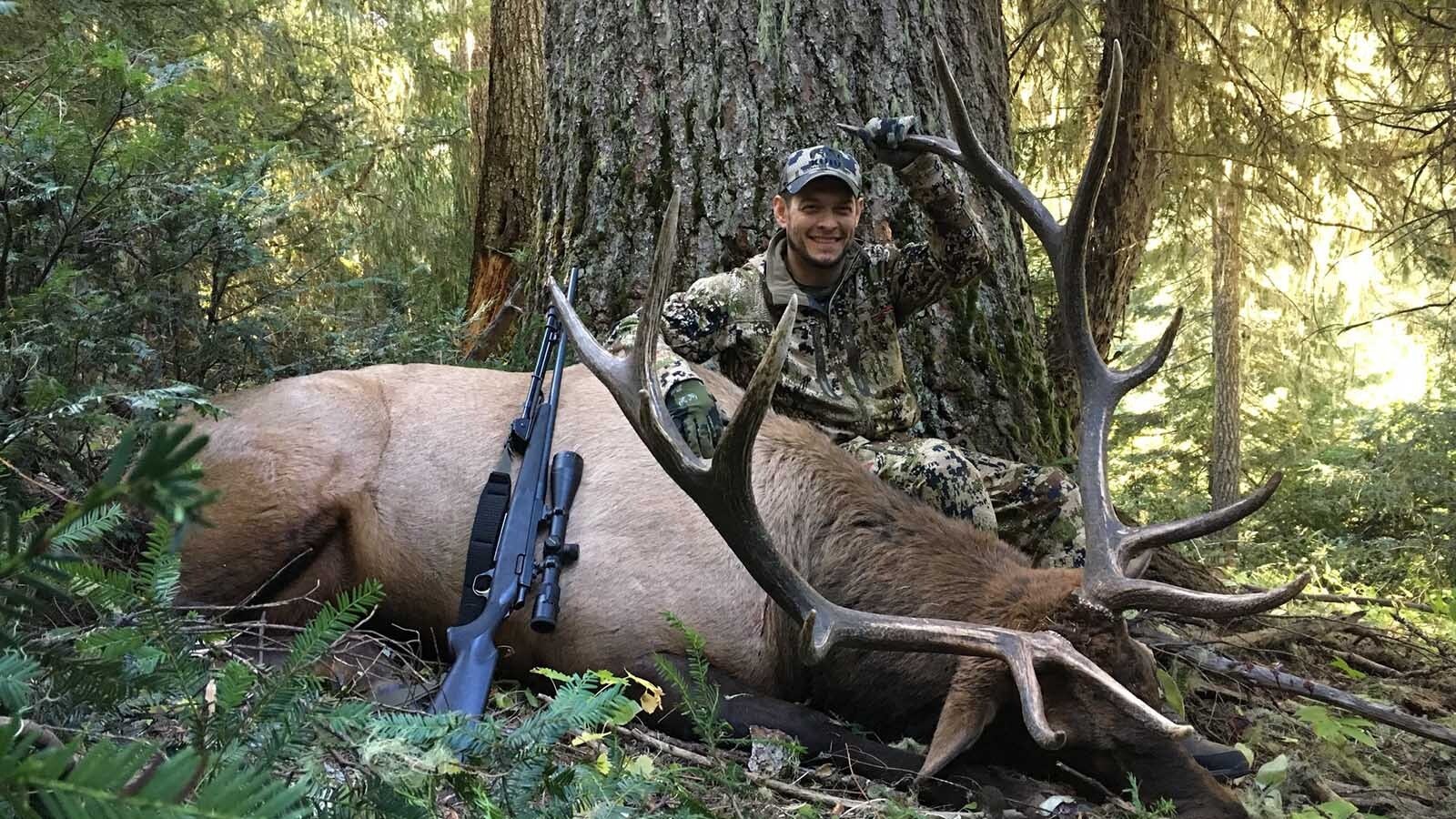
Oregon hunters enjoy pursuing numerous game species, including blacktail deer, which are cousins of Wyoming’s mule deer.
There are also two species of elk, she said. Those include Rocky Mountain elk (the species Wyoming has) and Roosevelt elk.
“The hunting opportunity in Oregon is actually very robust,” Patrick said.
And ranching is a key component of the state’s economy, she added.
Even in places like Portland, IP 28 probably won’t be popular because “there’s a really big push for local foods,” including fresh meat from nearby family-run ranches.
“That aspect will create pushback, even in our urban areas,” Patrick said.
Mark Heinz can be reached at mark@cowboystatedaily.com.