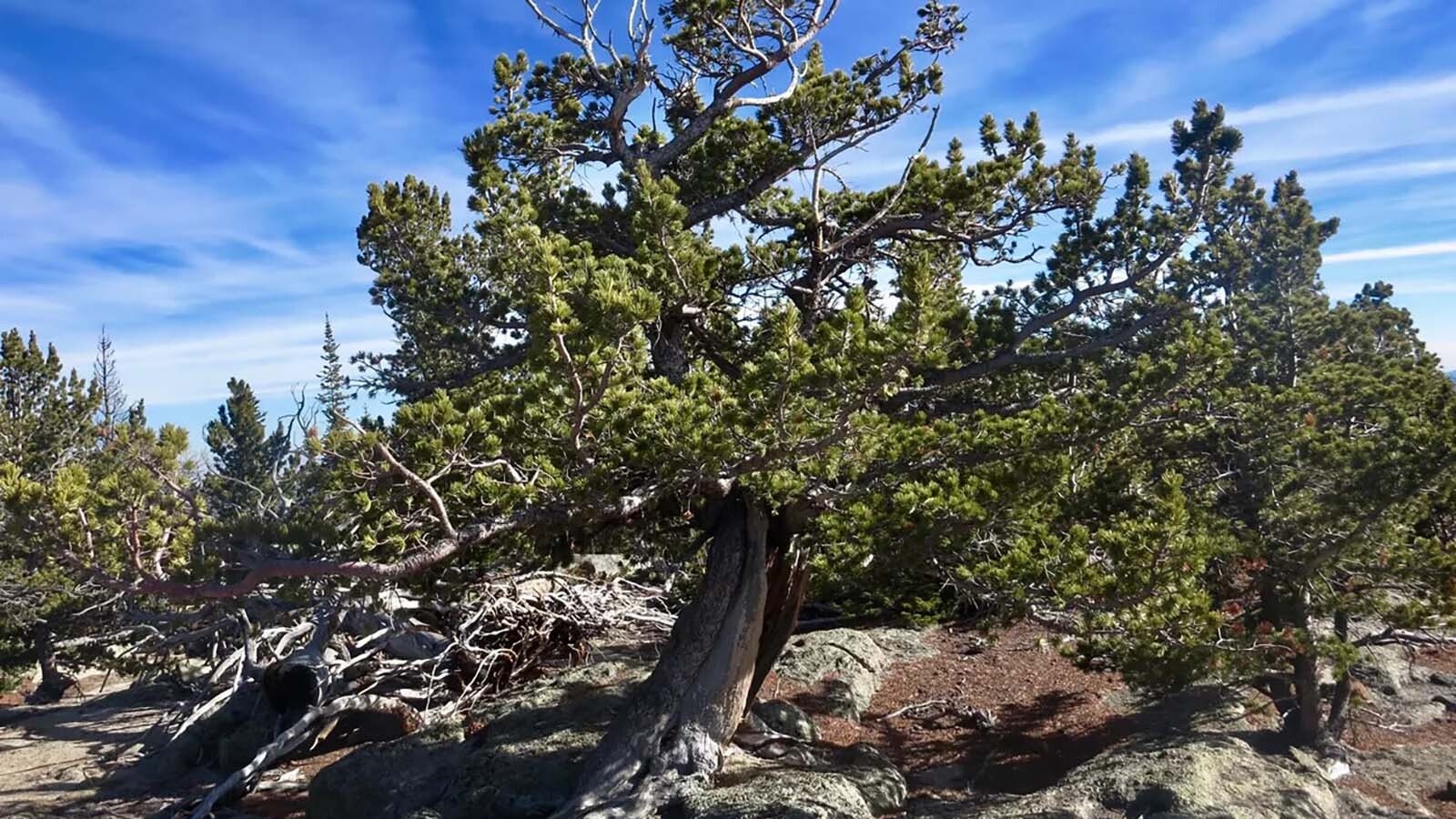
If you've ever driven Interstate 80 between Laramie and Cheyenne and wondered about that lonely, twisted pine tree growing out of a rock in the middle of nowhere, you've seen a limber pine.
The species can live 2,000 years or longer and survives where almost nothing else will, clinging to windswept ridges and rocky outcrops.
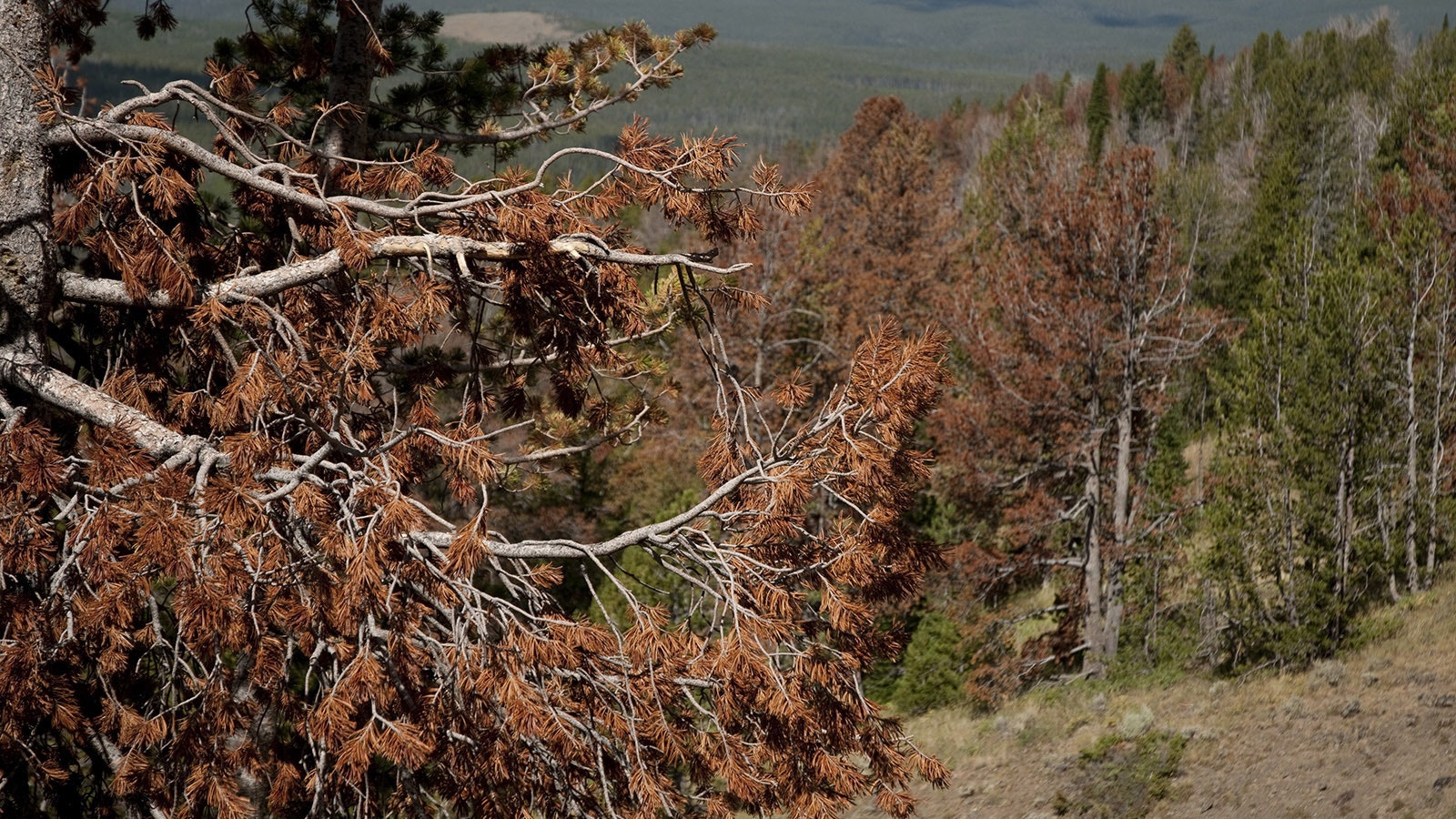
Across Wyoming's mountains, these tough old survivors are increasingly joining the ranks of the state's expanding ghost forests because of pine beetles and disease.
"It seems to be the pine that gets ignored all the time," said Dan Tinker, a former professor in the botany department at the University of Wyoming.
That's starting to change.
About 25% to 35% of Wyoming's 10.8 million acres of forested land can now be characterized as ghost forests — landscapes where standing dead timber dominates the view.
The number reflects cumulative damage from mountain pine beetles, which chewed through 3.3 million acres in Wyoming by 2011 — roughly 31% of the state's forest land — according to USFS Region 2 Forest Health data.
Diana Tomback, a professor at the University of Colorado Denver who co-founded the Whitebark Pine Ecosystem Foundation in 1998, told Cowboy State Daily the crisis extends well beyond the whitebark pine that's gotten most of the headlines.
"I'd like to start with the bigger picture. It's not just whitebark,” Tomback said. "Limber is also very important in Wyoming, and it's following in whitebark pine's footsteps, unfortunately.
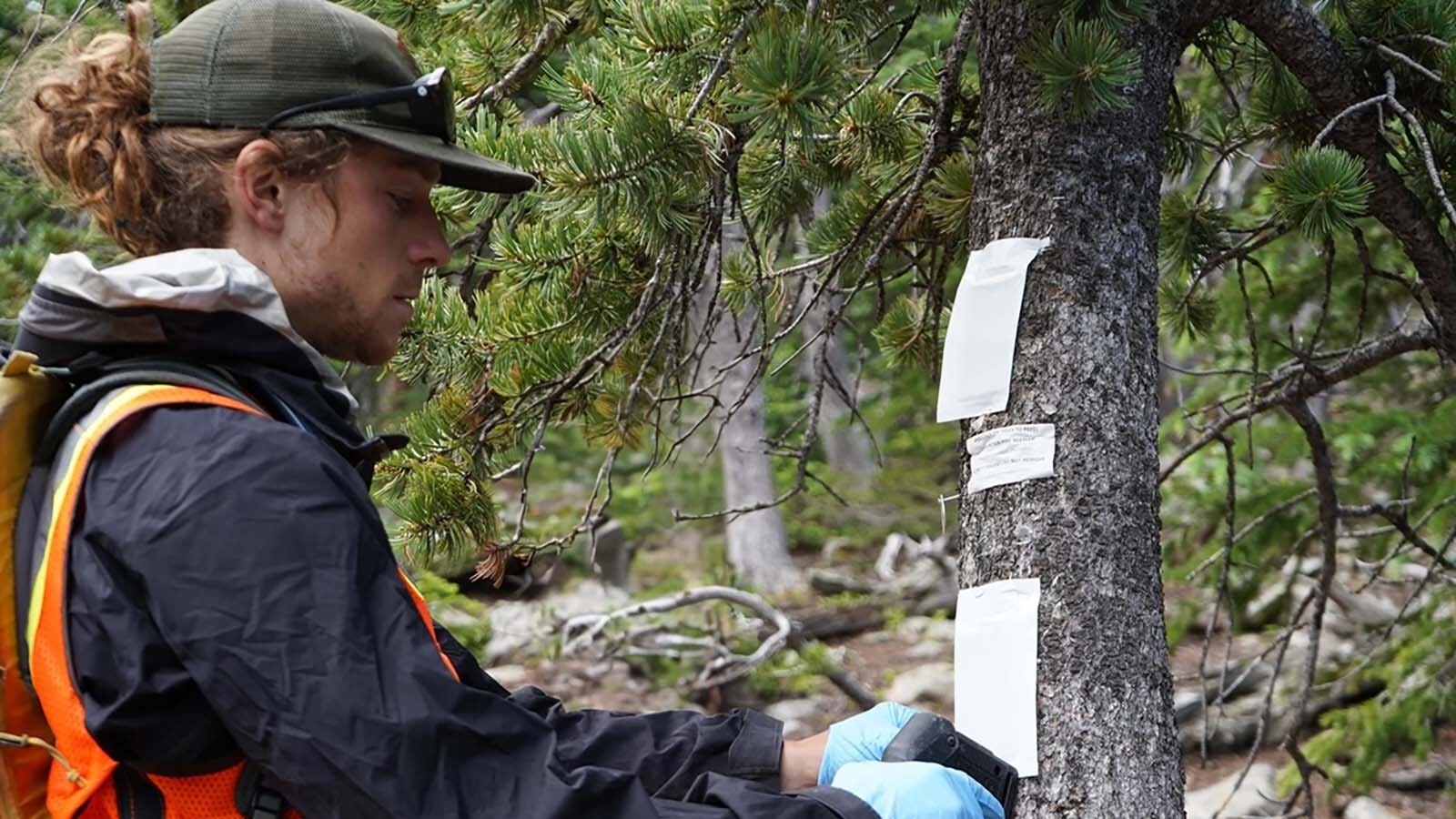
Multiple Threats
Wyoming's forests are getting hit from every direction.
"If you've been up on Togwotee Pass and other high elevation sites, you know that whitebark is clobbered by a combination of mountain pine beetle and an exotic disease called white pine blister rust," Tomback said, noting how this one-two punch is also hitting stands of limber pine at lower elevations statewide.
"Chief Joseph Scenic Highway that's out of Cody — there's a lot of limber pine there and it's not doing well," she said. "Twenty years ago, a Forest Service colleague and I who had been collaborating on whitebark actually stopped to look at the limber there.
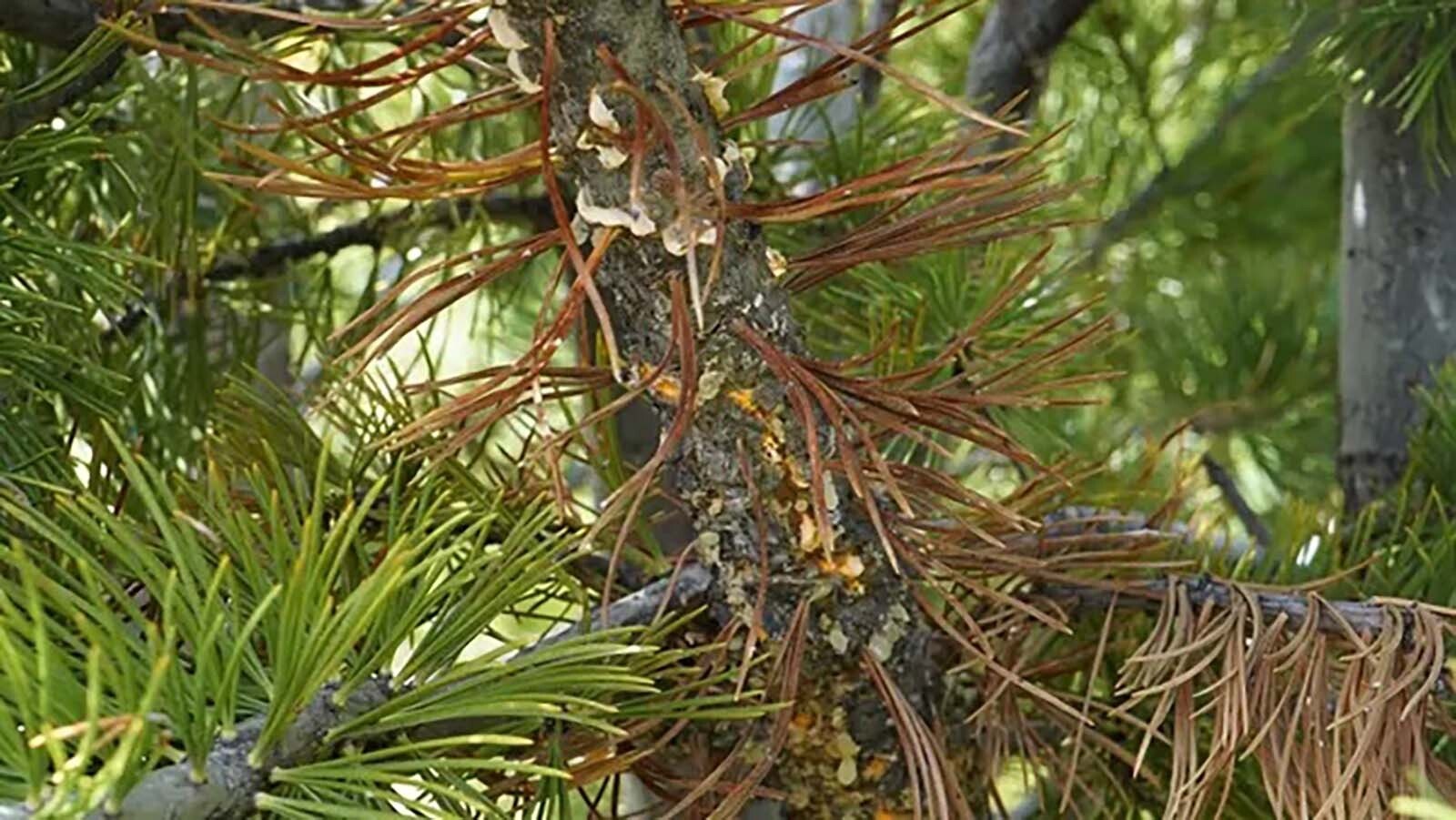
"And you know, there's been a mixture of everything. You can see this for yourself: the pine beetle, the blister rust, even some mistletoe."
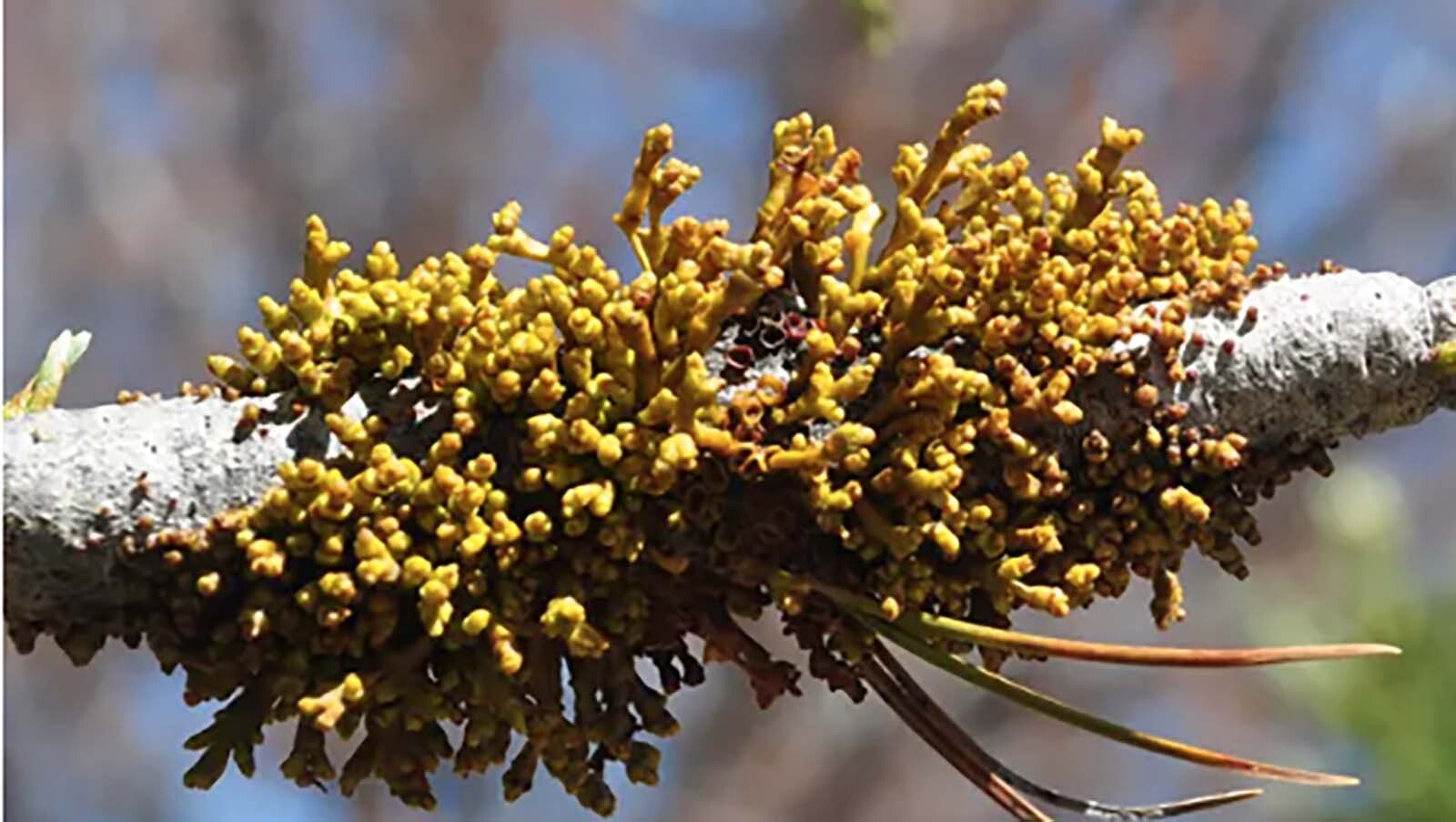
Dwarf mistletoes are parasitic, attaching to limber pines and other tree species.
Mistletoe infections can retard growth and reduce seed production and wood quality, while heavy, long-term infections can kill trees.
But mostly, it's beetles and disease that are turning living forests into tree graveyards.
"The combination of the two — of pine beetle and white pine blister rust — is what's producing the ghost trees that we're seeing across Wyoming at the higher elevations," Tomback said.
White pine blister rust is a fungal disease originally from Siberia by way of Western Europe. It doesn't care how old a tree is.
"It will kill seedlings, saplings — all ages — including mature cone-producing trees," Tomback said of blister rust. "The bigger, the older the tree, the longer it takes to die."
New Strain
A January 2025 study published in Phytopathology documented for the first time a new strain of the blister rust fungus that can defeat the main genetic defense limber pines have against the disease.
The study, led by Jun-Jun Liu of Natural Resources Canada with collaborators including Anna Schoettle — who got her Ph.D. from the University of Wyoming — identified what researchers call “vcr4.”
It’s a virulent strain that overcomes the Cr4 resistance gene first found in Colorado and Wyoming limber pine populations. That gene occurs in about 5% of Southern Rocky Mountain limber pines.
When scientists tested seedlings known to carry the resistance gene against the new strain, "All inoculated seedlings showed clear stem symptoms," the study reported.
That included seedlings from a Wyoming parent tree at Pilot Hill in southern Wyoming — a tree that's now dead.
The study warns that "limber pine is highly susceptible to WPBR (White Pine Blister Rust), a pathogen that poses a risk for the collapse of associated high-elevation ecosystems."
There's a sliver of good news for Wyoming. The study found no evidence that the virulent strain vcr4 is in the Southern Rocky Mountain region.
But researchers caution that might just be because nobody's looked hard enough yet.
The study calls for a change in strategy: "Confirmed emergence of vcr4 highlights the need to focus on quantitative disease resistance more intensely for limber pine" — basically, stacking multiple genetic defenses rather than relying on just one.
Tomback explained why the single-gene approach is risky.
"Limber and southwestern white pine have what's called major gene resistance. A single gene confers resistance to the white pine blister rust pathogen,” she said. "The problem is, the gene is present at a fairly low frequency in populations.
You can't depend on it to save populations. We worry that the blister rust pathogen can mutate and overcome a single gene."
Wyoming's Tree
Here's why Wyomingites should care about limber pine: it's basically Wyoming's version of pinyon pine.
"In Colorado and Utah, we have pinyon pine, and pinyon pine stops short of Wyoming," Tomback said. "And the limber pine assumes the ecological role that pinyon pine plays in Utah, New Mexico and Colorado.
"So limber pine, by being that low-elevation pine with large seeds, is like a geographic replacement, an ecological replacement in a way. And so you end up not with pinyon-juniper woodlands, but with limber pine-juniper woodlands."
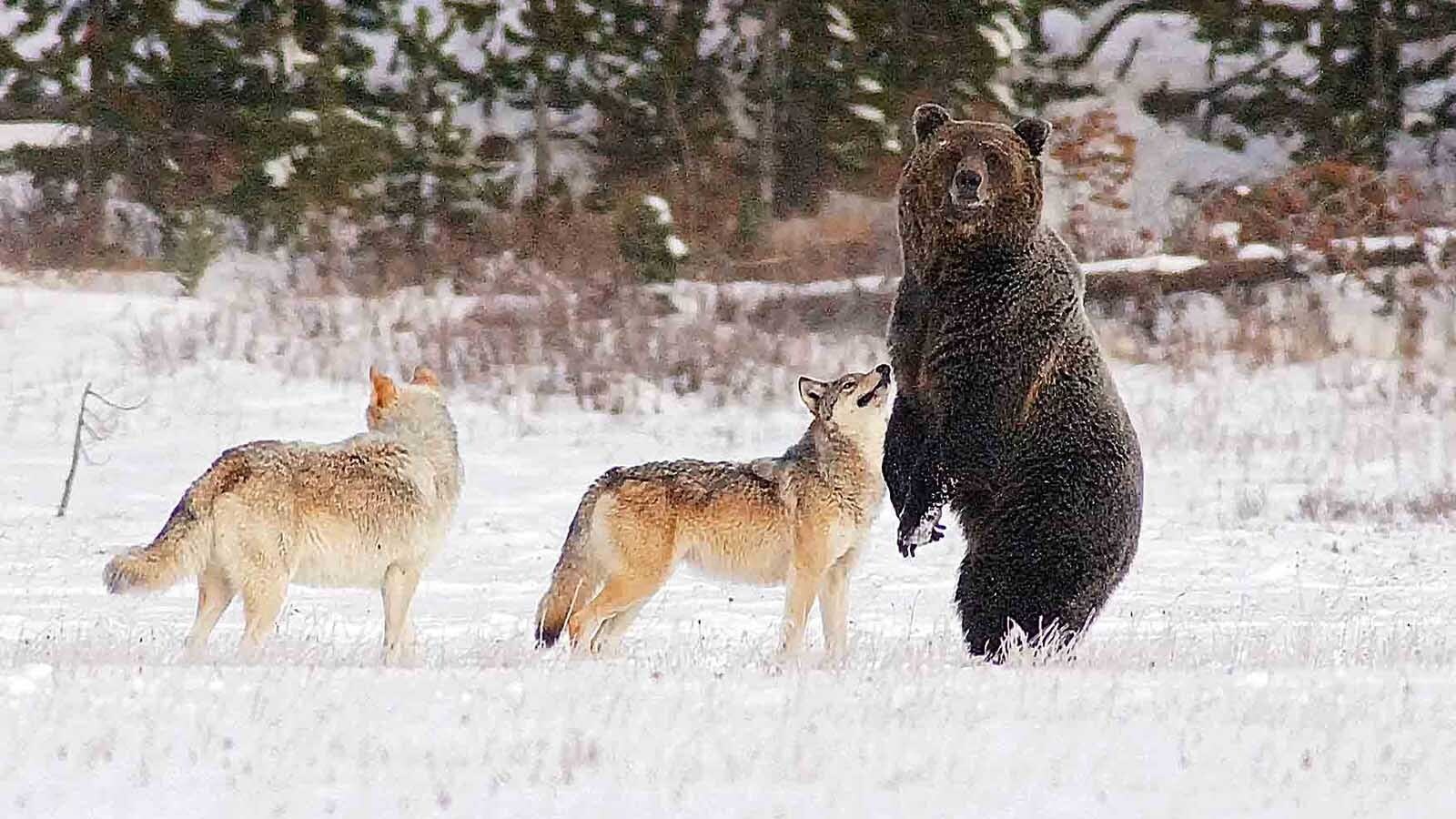
Both limber and whitebark pine produce the largest seeds of any Wyoming conifer, making them a critical food source for grizzly bears, black bears, Clark's nutcrackers, pine squirrels, chipmunks, and a long list of birds.
Both species can live 500 to 1,000 years or more, Tomback noted.
Climate Pressure
As if beetles and fungus weren't enough, warming temperatures and drought are squeezing limber pine from below.
"These lower elevation trees, the limber pine, really are vulnerable — what we call the trailing edge of the forest," Tomback said. "All these trailing edge forests, these lower elevation forests, are kind of precarious with the effects of drought and climate change.
"It's predicted that their lower elevation area will no longer be suitable in a few decades for them and may even be transitioning now in some places. You just don't have enough moisture."
A December 2025 analysis from the Property and Environment Research Center (PERC) puts the broader forest crisis in stark terms: nearly 20% of Wyoming's public forests face high or very high risk of catastrophic wildfire.
In 2024, more than 800,000 acres burned — the state's second-worst wildfire season on record.
The Forest Service treats only 1% of its Wyoming land annually, according to research by the University of California-Davis and PERC.
University of Wyoming botanist Daniel Laughlin is testing whether humans can help trees outrun climate change.
His Medicine Bow Mountain Experimental Garden Array project, planted in a burn scar from the 2020 Mullen Fire, tracks how tree species perform when moved outside their normal comfort zones.
Good news for limber pine: it's one of the survivors.
Douglas fir, lodgepole pine, ponderosa, bristlecone and limber pines, and desert juniper all showed over 50% survival when transplanted outside their typical zones in fall 2025 monitoring.
Sensitive Species
Whitebark pine got Endangered Species Act protection in 2023, which triggered federal recovery planning. Limber pine hasn't been so fortunate.
It's designated as a "BLM Sensitive Species" in Wyoming, and all five-needle pines are protected from cutting or damage on BLM lands, but there's no national restoration plan.
"We're not at the point where there's a mandate,” Tomback said. "I think national forests are aware that limber pine is important and that it's being impacted, but we have a ways to go to actually devise restoration strategies like with whitebark."
She added: "BLM is an important advocate for limber pine."
Rocky Mountain National Park in Colorado planted 1,769 limber pine seedlings in October 2024 in areas burned by the East Troublesome Fire.
About 20% of the park's limber pines show rust resistance, according to the National Park Service.
Tomback is launching new research on limber pine with funding from the Ricketts Conservation Foundation, studying how Clark's nutcrackers and pinyon jays spread seeds for lower-elevation limber pine populations.
For now, the ghost forests keep spreading across Wyoming's mountains — mile after mile of gray skeletons against the sky.
"Limber pine, it's going to be a heavy lift, but it should probably be proposed for (ESA) listing as well, because it's not that far behind whitebark in having all these threats decimate its populations,” Tomback said.
David Madison can be reached at david@cowboystatedaily.com.