
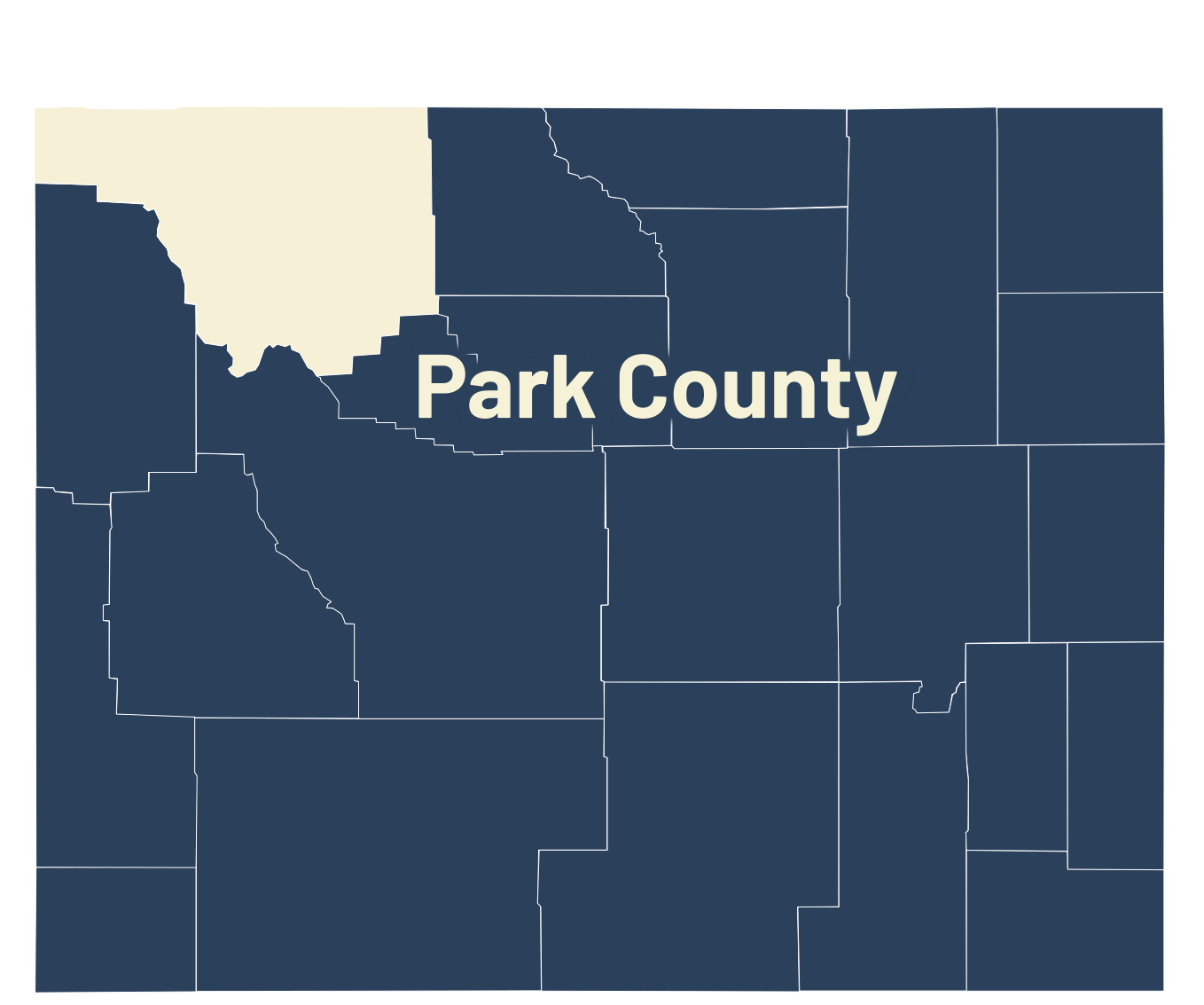

A North Carolina-based opera singer and composer alleges that Kanye “Ye” West locked him in a Cody High School band room and made him compose a biblical opera under “horrendous” conditions.
Composer, director and performer Chase Taylor filed a civil lawsuit last Wednesday against West, asking for the rights to music he wrote, an accounting of profits West allegedly owes him and other damages and compensations.
Taylor’s civil complaint says West’s team contacted him to have him perform the lead role of Daniel in an opera about the Old Testament King Nebuchadnezzar, in November 2019.
Taylor was 38. His complaint says he would have booked numerous other events if not for the West team’s promise of money and future works.
“Defendants failed to live up to their promises,” the document says. “The lucrative compensation never arrived; Taylor never received the promised producer credit; there was no future work.”
Biblical Faith
The complaint details West’s early fame and asserts that, after some of his scandalous antics diminished his popularity, West tried to regain his status through a newly-pronounced biblical faith.
West sought to produce an opera about Nebuchadnezzar.
One of West’s agents reached out to Taylor on Nov. 19, 2019, about playing the lead role, the complaint says.
Taylor dropped his other booked performance at the New York Metropolitan Opera to take on the role. He flew from North Carolina to Cody, Wyoming, on Nov. 20, 2019, “at the crack of dawn.”
West’s producer Paul Johnson took Taylor to the Cody High School band room, and “the doors were locked,” the lawsuit says.
“Taylor was told he could not leave the room and that bathroom breaks would be permitted only with Johnson’s approval,” the complaint says. “Taylor objected to being locked in, but (West and his companies) ignored his objections.”
Rapid Turnaround
In the band room Taylor allegedly learned for the first time that the opera didn’t exist: he was expected to compose it within the next four days.
That was “a complete shock,” says the complaint. “Most modern operas are written over the course of years and are workshopped, revised, and rehearsed extensively prior to premiere.”
Taylor recognized other performers from the New York opera scene there with him, and worked with Willie Alexander III to compose the opera, the filing says.
By day two, Taylor learned he’d also have to teach dozens of people their roles, the complaint says.
West’s team said Taylor could name his own fee, but as it was a faith-devoted work, he should act as though he were billing a church, allegedly.
Taylor’s complaint says West ultimately wouldn’t pay his invoiced amount, which was below the standard.
It also asserts that the West team pocketed profits from the Nebuchadnezzar opera, and from two more versions of Mary’s story that Taylor had to help build.
Around The Clock
In Cody, “work commenced and proceeded under unprofessional conditions and for long hours each day,” the filing says. “Taylor objected to the abusive conditions and asked Defendants… to unlock the band room doors, provide sufficient food and water, and provide appropriate time off for the musicians to sleep. Defendants ignored these requests.”
The complaint says Taylor worked nearly around the clock.
West meanwhile, “arranged to have personal massages in the band room and stayed only for the duration of those massages,” not contributing to the show, the complaint says.
The complaint also says West met with locals and the press in the rehearsal space.
The work stretched across three days and Taylor composed a dozen songs and built the opera, the complaint says.
Taylor kept working on the opera when the production moved to Los Angeles Nov. 22, though “space was limited, instruments were inaccessible while traveling; and Defendants did not provide adequate food.”
West fired half the dancers, saying there were too many white people, on Nov. 23, allegedly.
West’s team told Taylor he wouldn’t play the lead, but narrator; then switched Taylor’s role again, to instrumental, as West wanted to narrate the work, the complaint says.
Taylor was so busy, the document says, he didn’t get to practice his own roles until about 2 a.m. Nov. 24 – the day of the show.
The rehearsals were incomplete; the show started two hours late. It got mixed reviews from writers who appreciated Taylor’s compositions but derided West’s performance, the complaint says.
Home
Taylor flew home, but was soon contacted by the West team and asked to help again.
He hadn’t been paid, the complaint says, and he believed his best chance of being paid was to participate in more productions.
He flew to Los Angeles Dec. 3, 2019 to learn once again, that the “Mary” opera didn’t exist and he had to build it within five days.
Again he and his colleagues worked around the clock “in extreme conditions,” says the document.
This time he composed 18 songs and significant parts of the opera, the complaint adds.
Reviewers again derided West’s performance and praised Taylor’s, it recounts.
When West’s team asked Taylor to help with a third opera, Taylor sought clarification and asked about payment.
Taylor composed and arranged the “Mary II” opera within five days, once again working around the clock after the promise of “substantial compensation and producer credits,” says the document.
He also worked to revise, reorchestrate, teach and direct Mary III that same month, again in a tight timeframe.
No future work, no adequate pay, no credit for Taylor’s work followed, the complaint alleges.
Yet, it adds, West and his companies copied Taylor’s compositions and reused them for their own profit.
West could not be reached for comment by publication.
Clair McFarland can be reached at clair@cowboystatedaily.com.


