
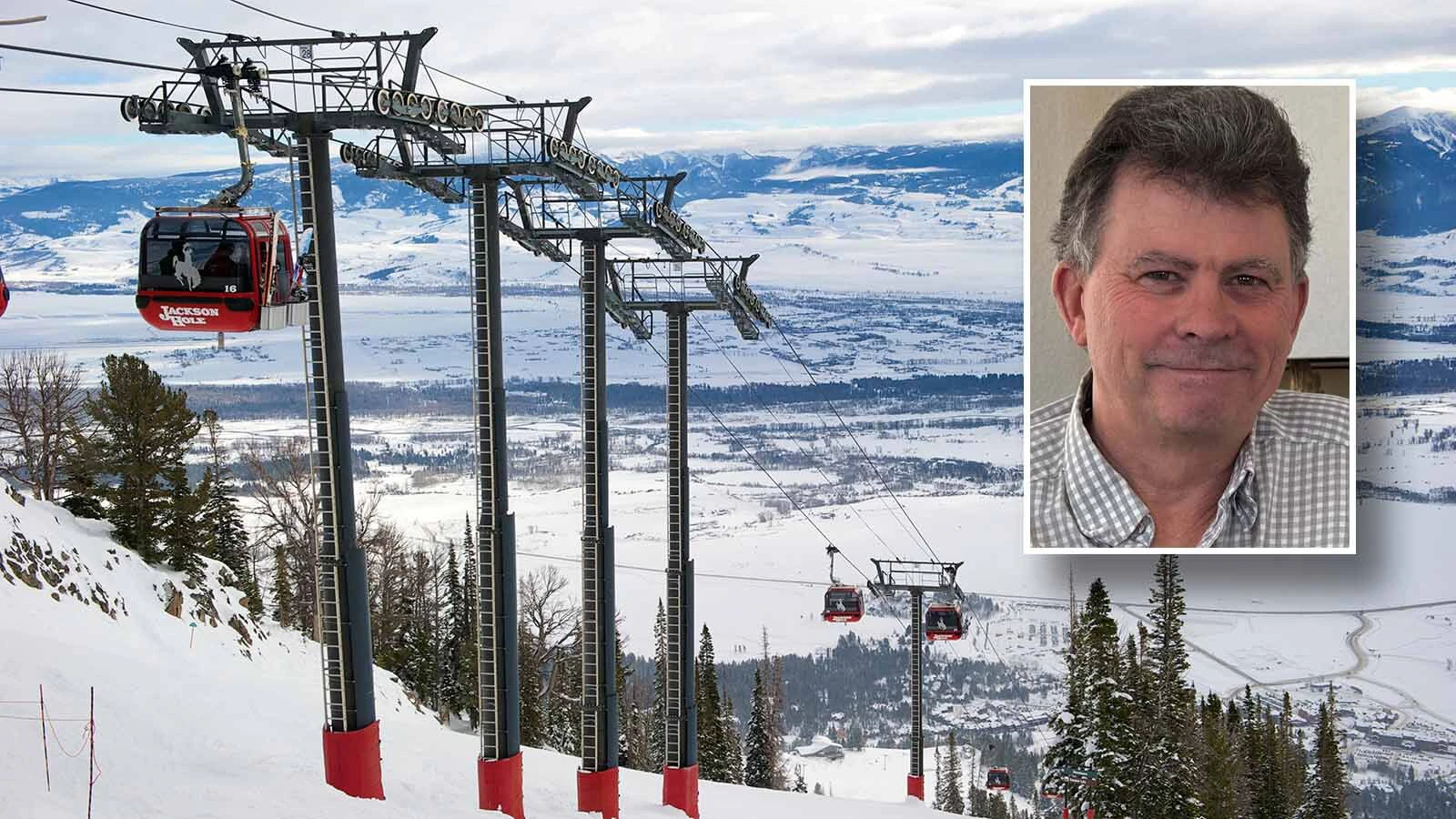
The first white flakes of winter have drifted down to earth in Wyoming, but the atmosphere is anything but quiet right now at ski resorts in the state.
It is go-time for the state’s multimillion-dollar ski industry — especially after last year’s snow drought, which made for one of the worst ski seasons in the West in decades.
Last winter was unseasonably warm in most areas across the state. That meant rain instead of snow, repeatedly washing away the developing snowpack.
Eleven of Wyoming’s 19 primary river basins had their lowest snowpack on record on March 31, according to the state’s climatologist.
Snowpack in much of Wyoming peaked one to two months earlier than normal, according to Wyoming’s Natural Resources Conservation Service office.
Jackson Hole Mountain Resort, which fared better than most other ski resorts in the West, wasn’t immune either.
It finished at 81% of its historical mountain snowfall average for December through March, according to data from Bridger-Teton National Forest Avalanche Center. Temperatures in Jackson hovered roughly 10 degrees above average.
The warmer temperatures meant JHMR’s lower mountain had exposed rocks and mud throughout December.
After that kind of season, even the lightest dusting feels like a big deal to everyone who wants to get on their skis this winter.
“It’s really hard to get any worse than what we had last year, right?” Cowboy State Daily meteorologist Don Day told Cowboy State Daily. “So the attitude I have is like, ‘Well, it can’t get any worse. We have only one way to go, up.’”
A Bipolar Winter Ahead
While the first snow has been an encouraging sign, Day expects this winter’s El Niño pattern to divide Wyoming’s ski outlook, with better snow conditions in the south than in the north.
“Historically, El Niño tends to — not every year but sometimes — you do get better precipitation and snow in the southern parts of the state,” Day said. “The farther north you go, the harder it gets. So you might have a good snow in Laramie this year, but not a good one in Sheridan.”
Wyoming’s El Niño picture is fuzzy because the Cowboy State lies on the edge of the pattern’s typical effects.
“We’re always on the edge of these situations,” he said. “Now if you’re in Utah or Colorado, or New Mexico or Arizona or California, it’s a much easier call.”
Day expects snow to be better this year for skiers in California, Utah, Colorado and the central Rockies.
“The northern ski areas like Meadowlark, the Bighorn Mountain ski resorts, the ski resort areas near Cody and Jackson may not have as good a snow year,” Day said. “That’s likely to include Montana and Idaho, Washington and Oregon. Their snow season’s not likely going to be as good.”
For Jackson Hole, Day expects an average winter — the equivalent of bringing home a “C” on a report card — but still an improvement over last season. Day joked that some ski reports last season were less about the inches of snow covering the slopes than the number of rocks skiers could see.
“One thing is Jackson and El Niños, I have looked at some historical data and it shows that Jackson ends up doing OK during El Niño patterns,” he said. “Like there’s El Niños where they don’t get buried and there’s El Niños where they don’t get a snow drought either … So right now, (the outlook) is average for Jackson.”
Where Snow Has Fallen So Far
Snowpack sensors aren’t up and running, Day said, which makes it difficult to parse how much snow has fallen so far.
“I can tell you from what I’ve observed is that the Utah mountains over the last couple of weeks, the higher mountains have done well,” Day said. “The same for the higher mountains of Colorado. Even before this last storm, I had to make a drive west of Laramie on Tuesday, and you look down into the northern Colorado mountains and they’re already white before the storm.”
Great Falls, Montana, had 17 inches of snow last week.
In Wyoming, Day said satellite photos show good amounts of snow on the Wind Rivers and the Tetons.
“I see snow in the Absarokas,” Day said. “The Bighorn snow doesn’t look as good, but I see some snow up around the higher peaks of the Bighorns. It’s not as good as the western and southern mountains right now.”
Ready, Set … Snow
El Niño forecasts aside, ski resorts really weren’t parsing how much snow fell in their first storm. For them, snow feels like a starter pistol for the 2026/27 season.
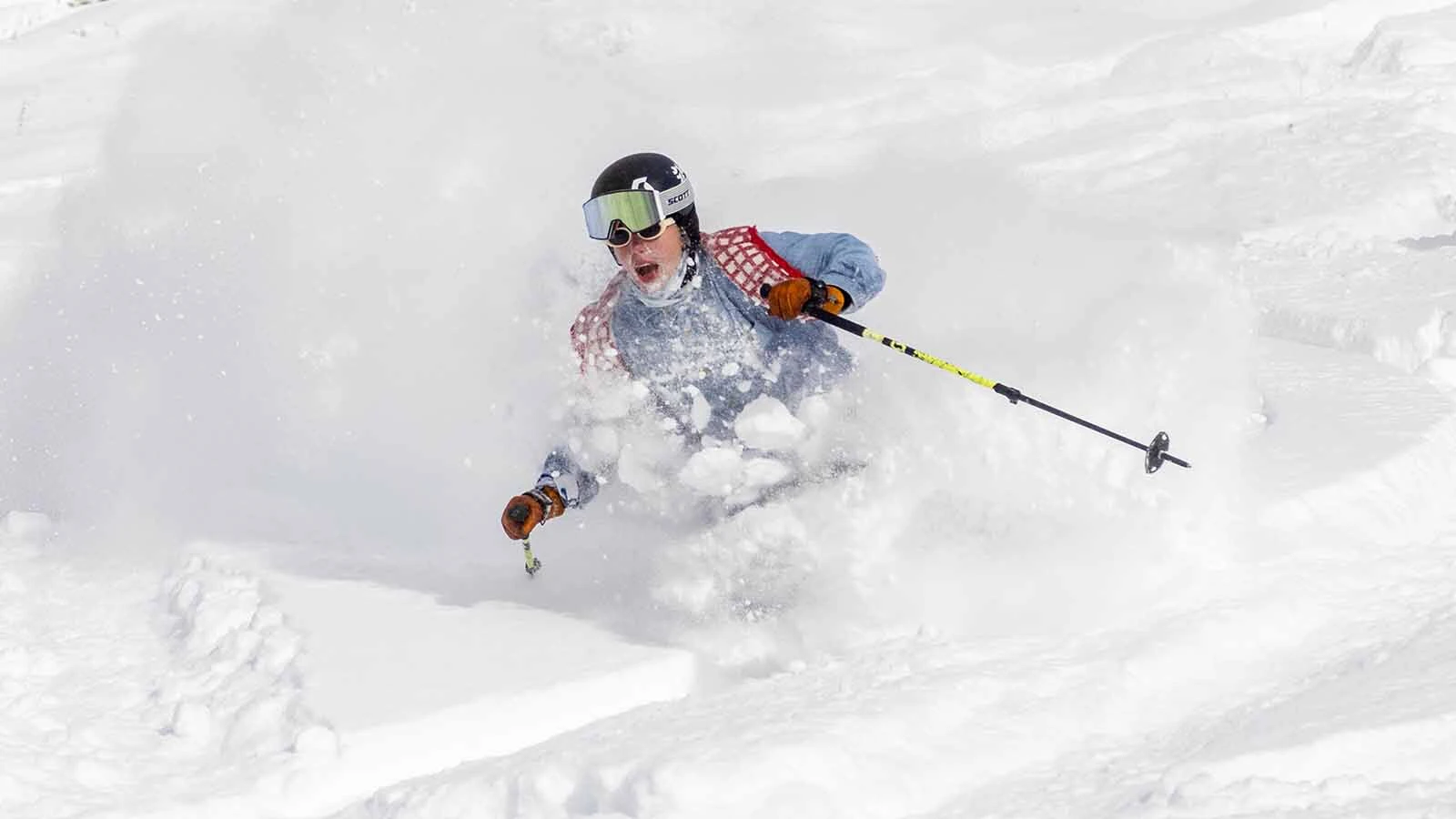
It doesn’t matter if it’s just a light, sugary dusting like the Hogadon ski resort near Casper got or the 6-inch frosting that had workers running up the mountain at Jackson Hole Mountain Resort for a sneak peek.
Ned Wonson, vice president of marketing for JHMR, said it was exciting — but not quite enough to get him on skis just yet.
“We were looking for a couple of spots to see if you could make a turn,” he said with a chuckle. “I’m a little more cautious on the early season conditions. But you never know, you might see a track somewhere off of Teton Pass today if you look around.”
The mountain is coming to life in other ways, though, he added.
“It’s go-time,” he said. “It’s feeling like it. There’s a lot of people working on various things for snowmaking and other things to get ready for the season.”
Starting Up For Winter
The transition from summer to winter is a high-stakes race against the clock. A race that feels even more urgent once that first snow flies.
“When the snow comes down, my first thought is panic,” joked Tim Mason, vice president of operations at JHMR. He’s spent 30 years in the Tetons and 42 years overall in the ski industry.
“Panic, because we’ve got so much to do, and the snow is just a reminder that (winter) is coming.”
Right now, JHMR is closed to the public, but visitors would see crews working in every direction, like ants scurrying around after someone has disturbed their hill.
Crews are working their way down the mountain as fast as they can right now, trying to button up summer construction projects.
That includes the restaurant deck and a two-year project to bring running water and flush toilets to Corbet’s Cabin at the summit.
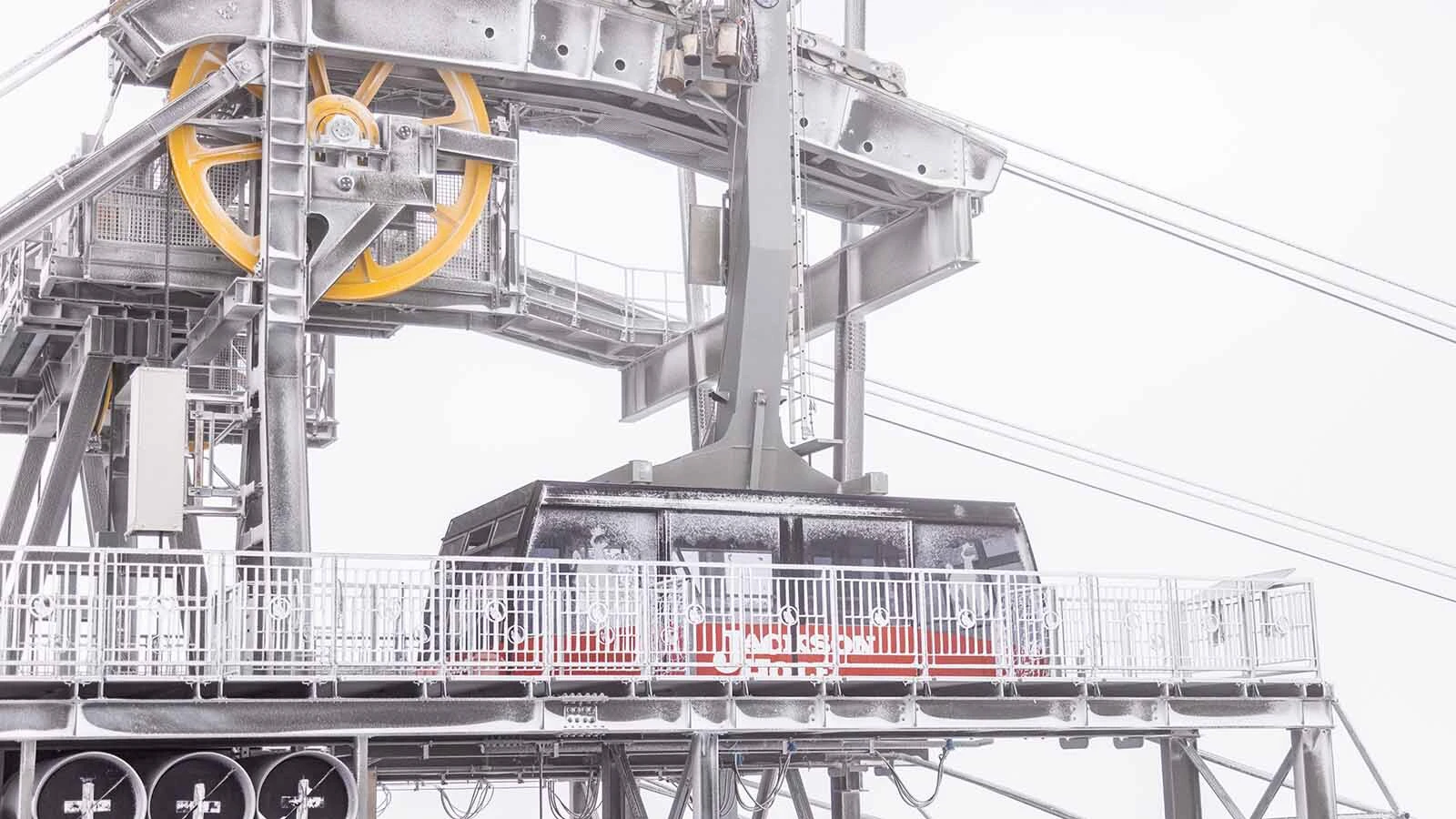
Safety checks on the tram, gondolas and chairlifts are happening concurrently with that, while vehicle teams are prepping the fleet of snowcats and snowmobiles.
Another team is getting the network of snowmaking cannons in place, while a different team is sorting through and storing thousands of boxes containing new uniforms for all 1,700 employees.
Despite all the excitement the first snow has touched off, though, Mason is actually hoping that it will completely melt away under the October sun.
“If we got that one snowfall and it didn’t melt but just stayed cold, that’s not the best for a base,” he explained. “Up high, it kind of turns the snowpack sugary and faceted. It’s not great for another big snowpack on top of it, because if we have a weak layer below, we get avalanches. So sometimes it’s a blessing to have it melt and just start all over again.”
Playing Wait And See
After winters like last year’s, some skiers are waiting to see where the powder falls before deciding where to spend their money.
Wonson acknowledged that destination travelers are waiting significantly longer to book winter trips, driven by a combination of snow anxiety and a cautious eye on the broader economy.
“Generally, there’s truth to that trend in what we’ve seen in the past,” Wonson said. “When there are low snow years, it can certainly have an effect on people just waiting to make a decision, waiting to buy, making sure they’re seeing the snowfall they want to see.”
Mason agrees a wait-and-see approach is becoming an industry norm.
“People are watching, and I guess I would too, especially with the multi-resort passes that you can buy out there,” he said. “If you’re able to travel and chase the snow, why not go skiing where the snow is good?”
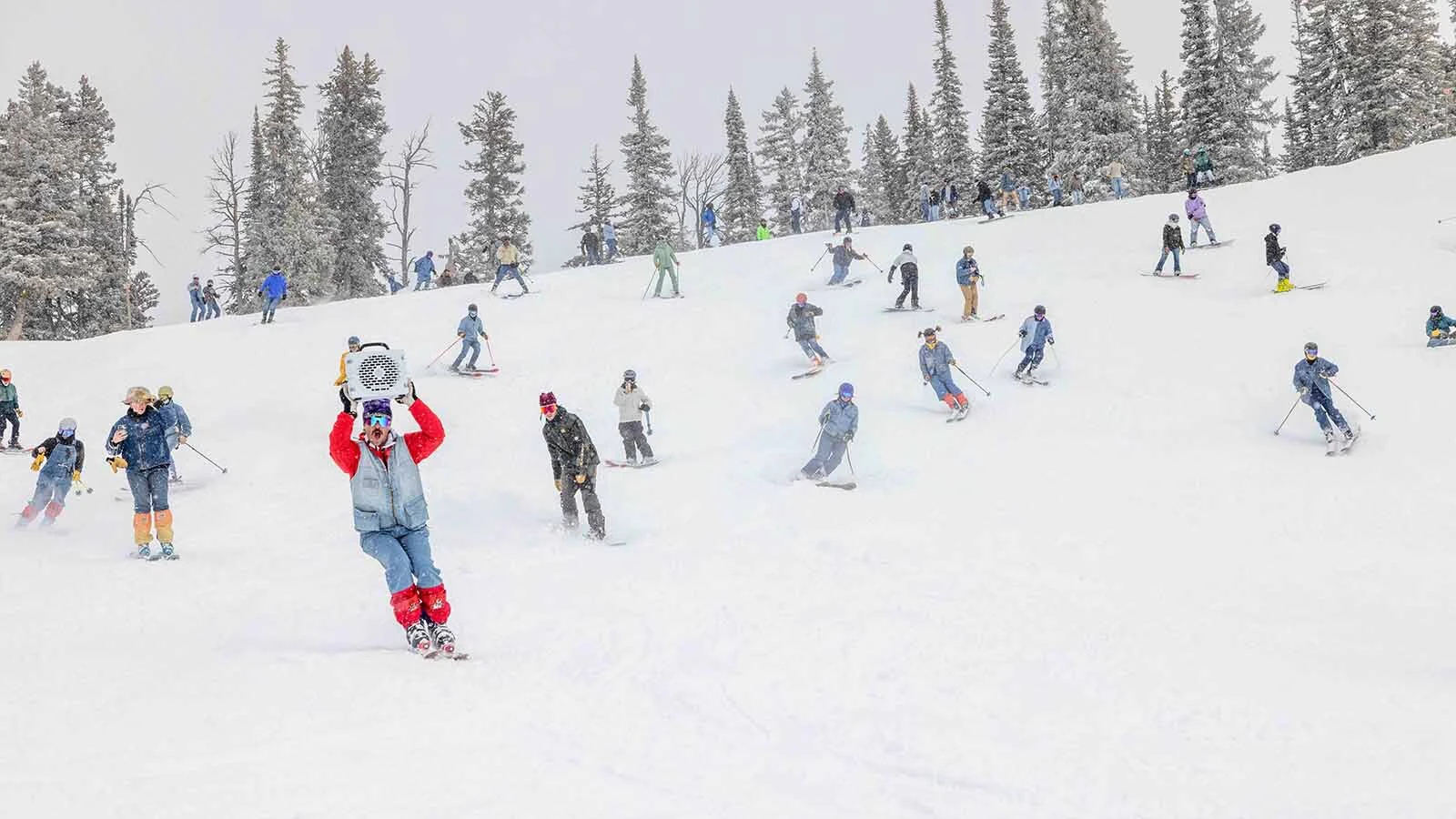
That has ski resorts like JHMR pushing forward with aggressive, early-season incentives, including kids-ski-free packages in December and the annual “Ski in Jeans” event on Dec. 4, where the resort aims to break the world record for denim-clad riders on a single mountain.
JHMR fared better than most western resorts last winter, JHMR Chief Outdoor Officer Eric Henderson said.
“Across the destination, lodging occupancy is tracking behind the same time last year, and some of that is likely travelers waiting for the snow to fly,” he said. “Many factors go into those decisions but we’re excited about the snow we’ve already received and look forward to welcoming guests this winter.”
Renée Jean can be reached at renee@cowboystatedaily.com.


