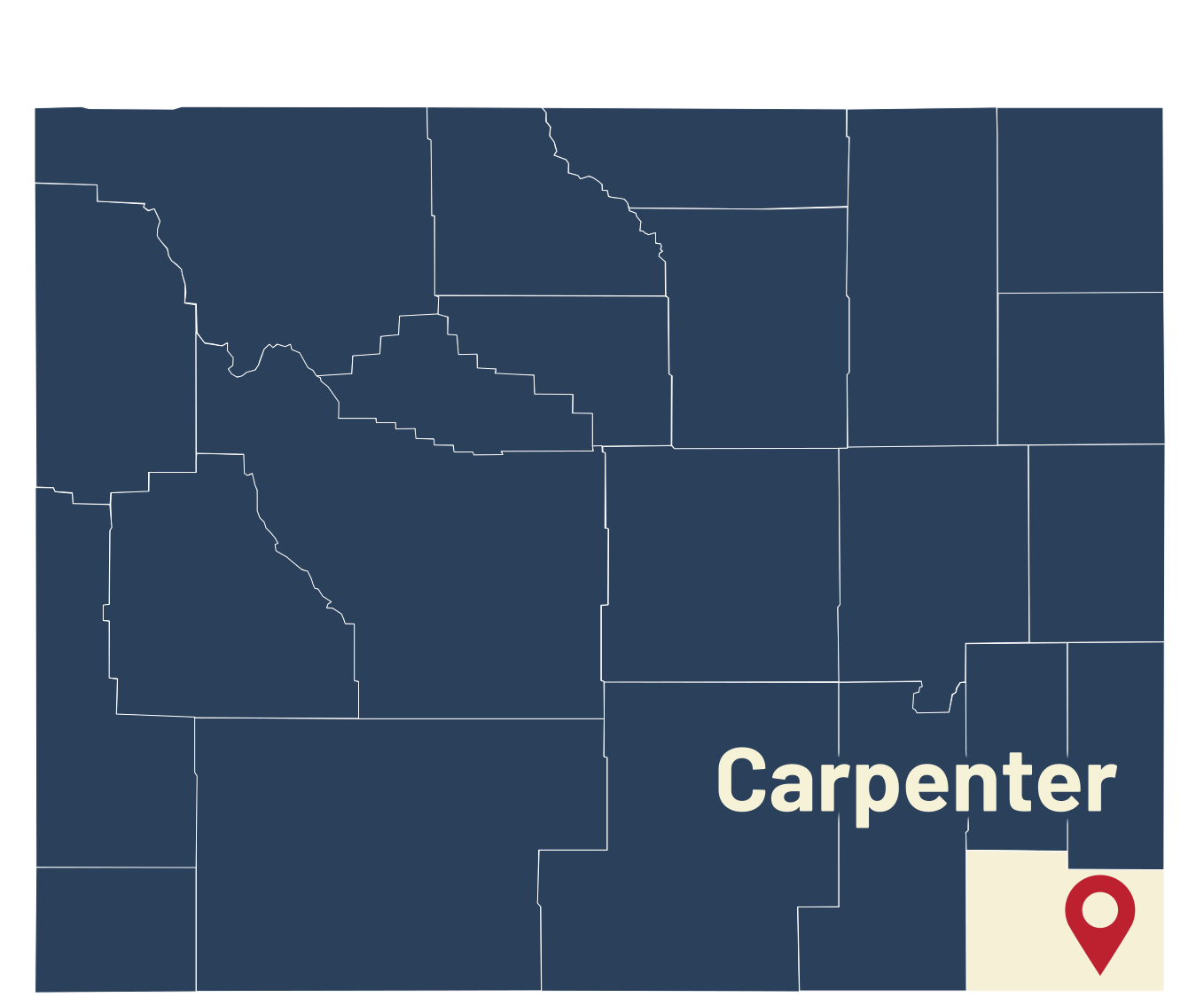
When Martin Wissner’s livestock guardian dog Faith disappeared from her post on his ranch near Carpenter, he started making phone calls.
Faith, an Akbash whose job was to protect Wissner’s sheep from predators, was nowhere to be found.
The sheep were still grazing on the other side of the fence, but their guardian had vanished.
“We were like, huh, Faith isn’t around right now,” Wissner recalled.
Eventually, he called animal control in Cheyenne. The officer he spoke with recognized the dog Wissner was describing and said she had been dropped off at a local shelter.
Wissner learned a new neighbor had spotted Faith just outside a fence on Wissner’s property, picked her up and brought her to the Cheyenne shelter.
According to Wissner, his dog was wearing a collar with a rabies tag and a halter bearing a plate with his name, address and contact information.
Wissner drove the 30 miles into Cheyenne to retrieve his working dog that had been taken from his property – and paid a fine to get her back.
For Wissner, the incident illustrates a growing problem across rural Wyoming: People unfamiliar with livestock guardian dogs are mistaking them for strays and removing them from the very places they're supposed to be.
It's a problem the Fremont County Sheriff's Office is asking the public to help solve — by leaving the dogs alone.
Leave The Dogs Alone
The Fremont County Sheriff's Office this week issued a public reminder asking people not to pick up large livestock guardian dogs they encounter in rural areas.
The department frequently receives calls involving well-meaning citizens who have picked up the dogs and transported them to animal shelters, according to a statement.
“These are working dogs that live on open range,” the sheriff's office said.
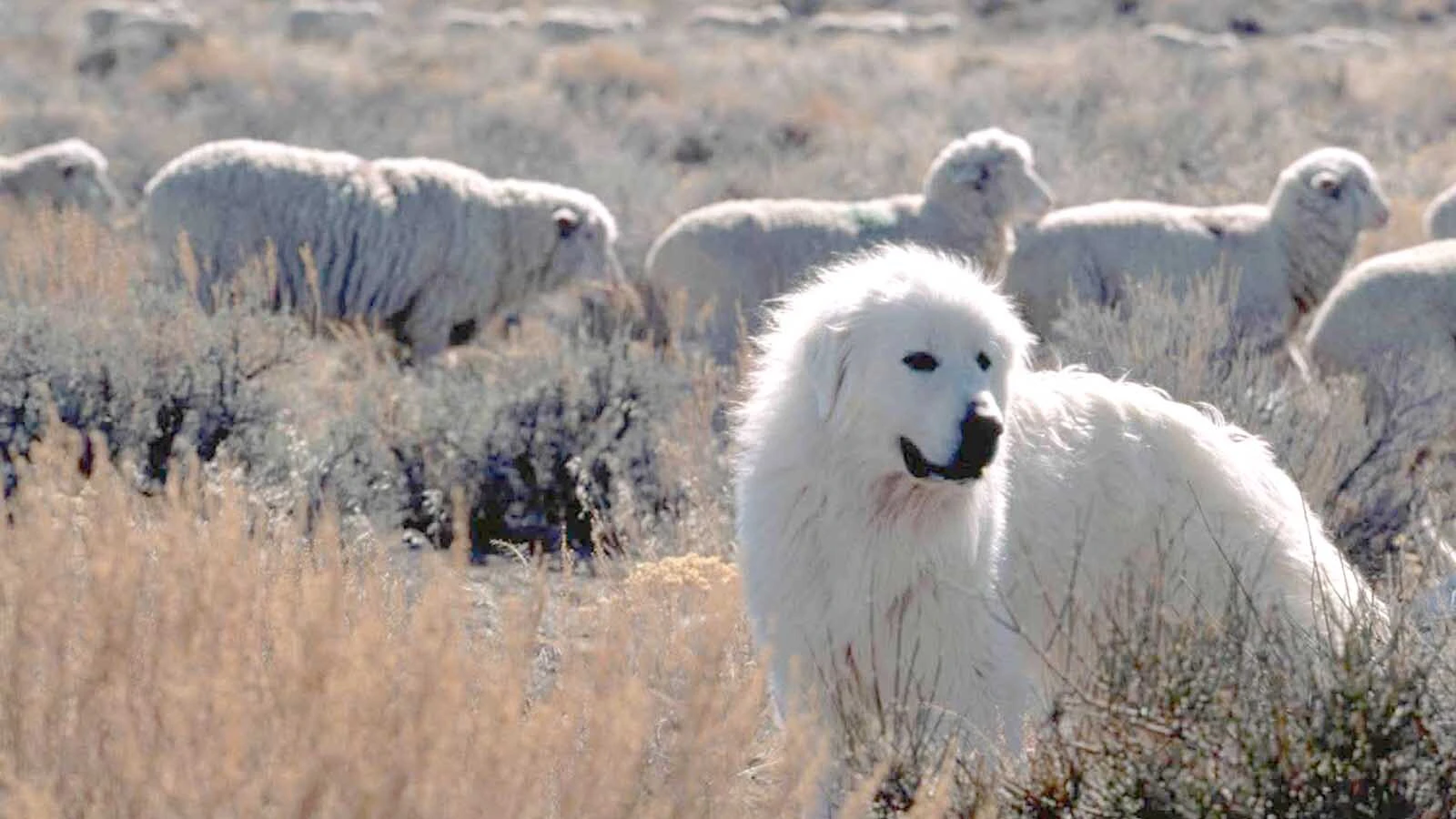
Unlike pets that spend their days in fenced backyards or sleeping on living room couches, livestock guardian dogs spend their lives with the animals they're trained to protect.
For ranchers, having one of those dogs unexpectedly disappear can be more than an inconvenience.
“So many of us in rural Wyoming areas own livestock and rely upon our livestock guardian dogs to protect our flocks,” Wissner said.
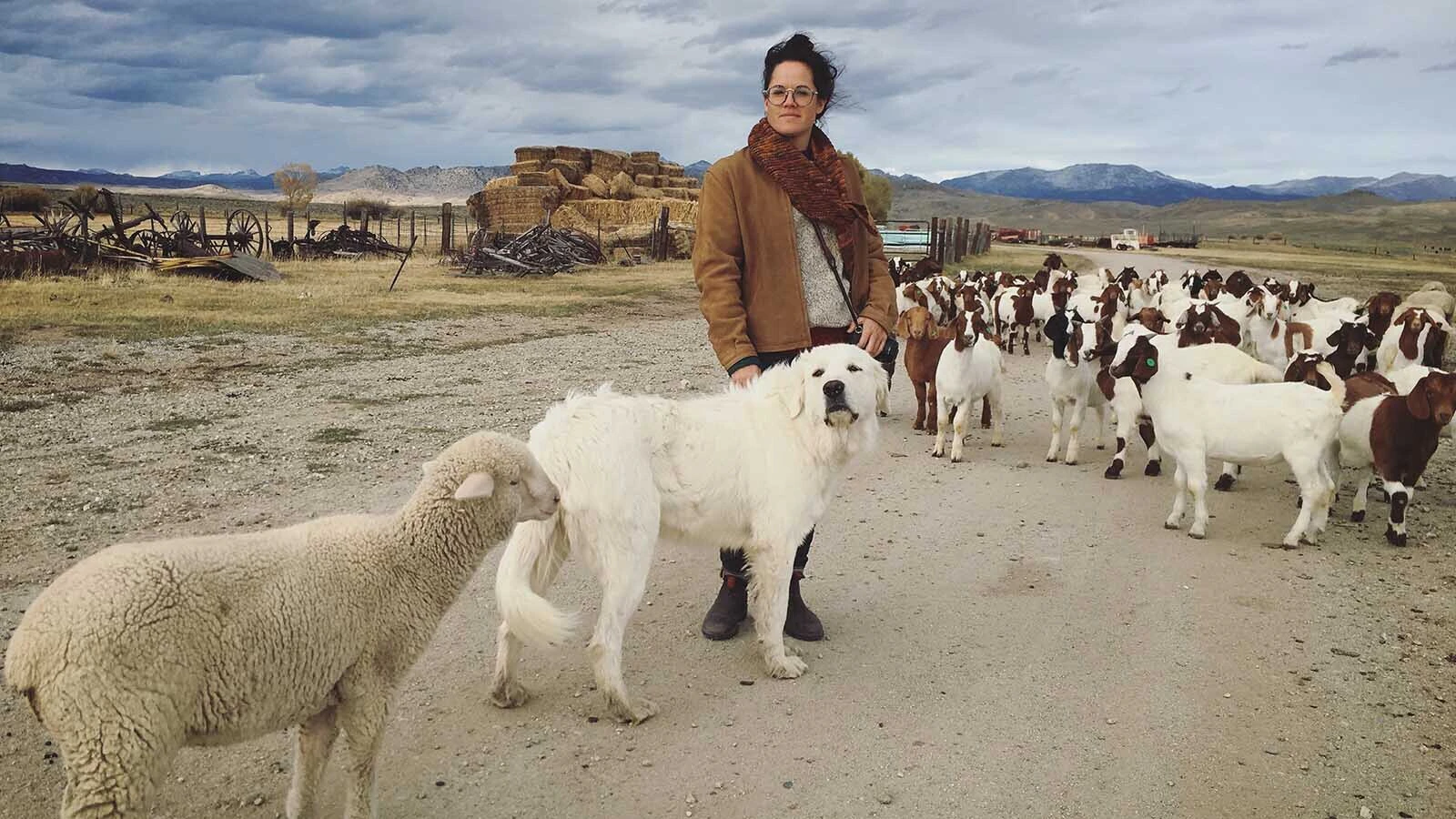
Livestock guardian dogs aren't the same as herding dogs, which move sheep or cattle from one location to another. Guardian dogs live with their livestock, watching for predators and defending the animals when necessary.
They can be working even when there isn't a rancher anywhere in sight.
Wissner said his dogs remain with the livestock 24 hours a day, seven days a week, year-round.
“Our LGDs do a yeoman job 24/7/365 of watching over their livestock and alerting/defending them from all sorts of predators,” he wrote in a social media post.
When someone removes one of those dogs, the rancher loses an important line of defense.
A Thousand-Dollar Dog
Faith's disappearance was particularly frustrating because she wasn't simply a dog Wissner could replace with another one from the shelter.
“These are thousand-dollar dogs,” Wissner said, adding that it can take one to two years to teach a guardian dog the boundaries of a property and make sure it is doing its job properly.
Wissner has lived on his ranch near Carpenter for nearly 30 years. He said his dogs are carefully monitored to ensure they're staying where they belong.
In Faith's case, he said, the neighbor didn't seem to understand the dog's purpose or its physical appearance.
“She picked up what she thought was a stray dog that she thought was malnourished,” Wissner said.
Akbash dogs, a Turkish breed historically used to guard livestock, have lighter frames than some other large guardian breeds, including Great Pyrenees.
A healthy Akbash isn't necessarily a hefty dog.
They're active animals that can cover many miles in a day while keeping watch over livestock.
Compared with a Great Pyrenees, Wissner said, an Akbash can appear skinny to someone unfamiliar with the breed.
But that doesn't mean it's starving.
Shelters See The Problem
At Paws for Life Animal League's shelter in Riverton, staff manager Carey Sullivan knows exactly what the Fremont County Sheriff's Office is talking about.
People have brought livestock guardian dogs into the shelter after finding them wandering in rural areas and assuming they needed help.
“It has happened quite a bit,” Sullivan told Cowboy State Daily.
The people bringing in the dogs generally have good intentions, she said. They see what they believe is a lost animal and want to get it somewhere safe.
But the ranchers who discover their dogs have been removed from their livestock aren't always pleased.
“They're usually very annoyed, because the dog is out there for a job and you're keeping it from its job,” Sullivan said.
Some ranchers are more understanding than others, she added.
Sullivan's advice to anyone who spots a large dog in ranch country is simple: Don't assume it's a stray. And don't automatically put it in your vehicle and take it to an animal shelter.
In Lander, Megan Manning, operations manager at The Pet Connection, said she hasn't encountered the same problem, but that may be because of how the shelter operates.
“We're always at capacity,” Manning said.
When someone calls about a loose dog and asks whether they can bring it in, the answer is generally no.
“The hotel is full,” she said.
The shelter reserves kennel space for stray dogs brought in by the Lander Police Department. People who find a loose dog are encouraged to contact law enforcement rather than bringing it directly to the shelter.
That gives authorities an opportunity to determine whether the animal is actually lost or is a working livestock guardian dog.
Manning wondered aloud how someone unfamiliar with livestock guardian dogs would recognize one.
“Are they marked or tattooed in any way?” she asked. “Do they have a special chip in them?”
It's a question longtime Wyoming sheep rancher Jim Magagna said more people need to understand.
Is That Dog Lost?
Magagna said he has received several calls over the years from people who have encountered dogs in remote areas and wondered whether they were lost.
He said he first encourages people to look around.
“If you see a big white dog out there, try to determine if there are sheep in the area,” Magagna said.
A well-trained livestock guardian dog will generally stay with the sheep it is protecting.
But that doesn't mean the dog will always be standing right beside the flock.
A guardian dog might wander some distance away while investigating a potential threat or chasing off a predator.
That can make a perfectly healthy, well-trained working dog look like a lost pet to someone passing through.
Magagna said the concept of working dogs — particularly dogs that live with livestock on open range — isn't something everyone understands.
He recalled hearing about a rancher who posted signs around his property warning passersby that the dogs in the area were working animals and should be left alone.
Manning agreed that the safest course of action is to notify law enforcement if someone is concerned about a loose dog.
“This is a prime example,” she said of the livestock guardian dog problem.
Taking an unfamiliar animal into a vehicle isn't necessarily the best option, she said, “because you don't know where (the dog) came from or what their background is.”
Changing Wyoming Countryside
Wissner said he believes the confusion over livestock guardian dogs is part of a larger change occurring in Wyoming's rural communities.
When he moved to his property neighboring landowners generally owned larger parcels of land and knew one another.
They also knew one another's animals.
If someone acquired a new dog, Wissner said, it wasn't unusual to introduce that dog to neighboring landowners so everyone knew where it belonged.
That kind of familiarity made it easier to distinguish a neighbor's working dog from an animal that actually was lost.
But as larger properties have been subdivided into smaller parcels, including five-acre lots, Wissner said that kind of familiarity has diminished.
“It's been horribly frustrating seeing these properties being divided up,” he said.
New residents arrive with different expectations about how dogs should behave and where they should be allowed to roam.
Some don't understand that rural livestock guardian dogs aren't necessarily confined by the same fences that keep sheep and cattle on a ranch.
Others see a large dog outside a fence and assume it has escaped.
In Faith's case, Wissner said, the neighbor apparently didn't realize the fence line and property line weren't the same.
Faith was outside the livestock fence but still on Wissner's property, he said.
For Magagna, the answer begins with helping people recognize that Wyoming's open spaces are often working landscapes.
Wissner said he hopes people moving into Wyoming's rural communities will take time to learn about the animals and agricultural practices around them before deciding a dog needs to be rescued.
“Livestock guardian dogs have their place in our rural society,” he said.
Kate Meadows can be reached at kate@cowboystatedaily.com.