
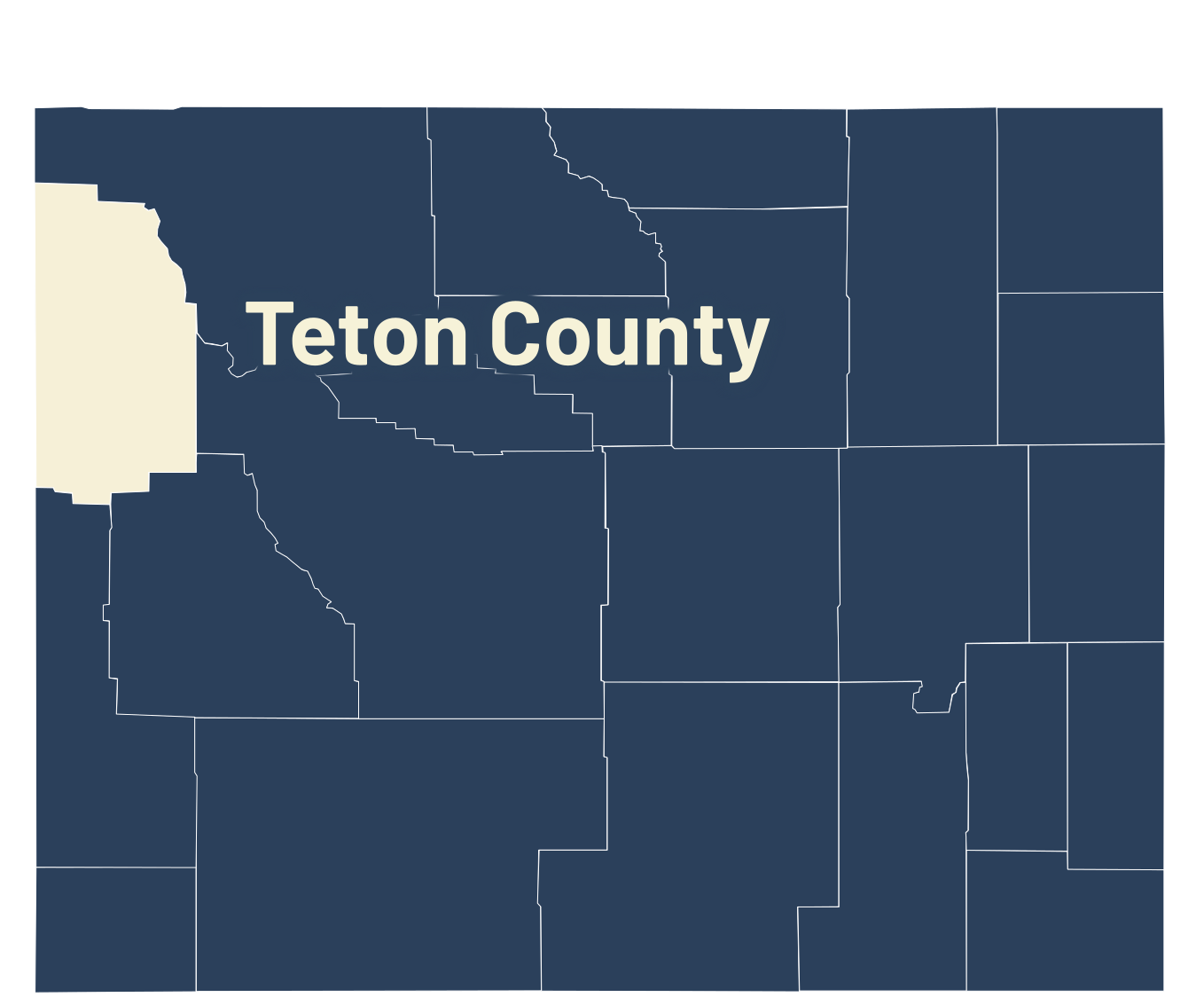
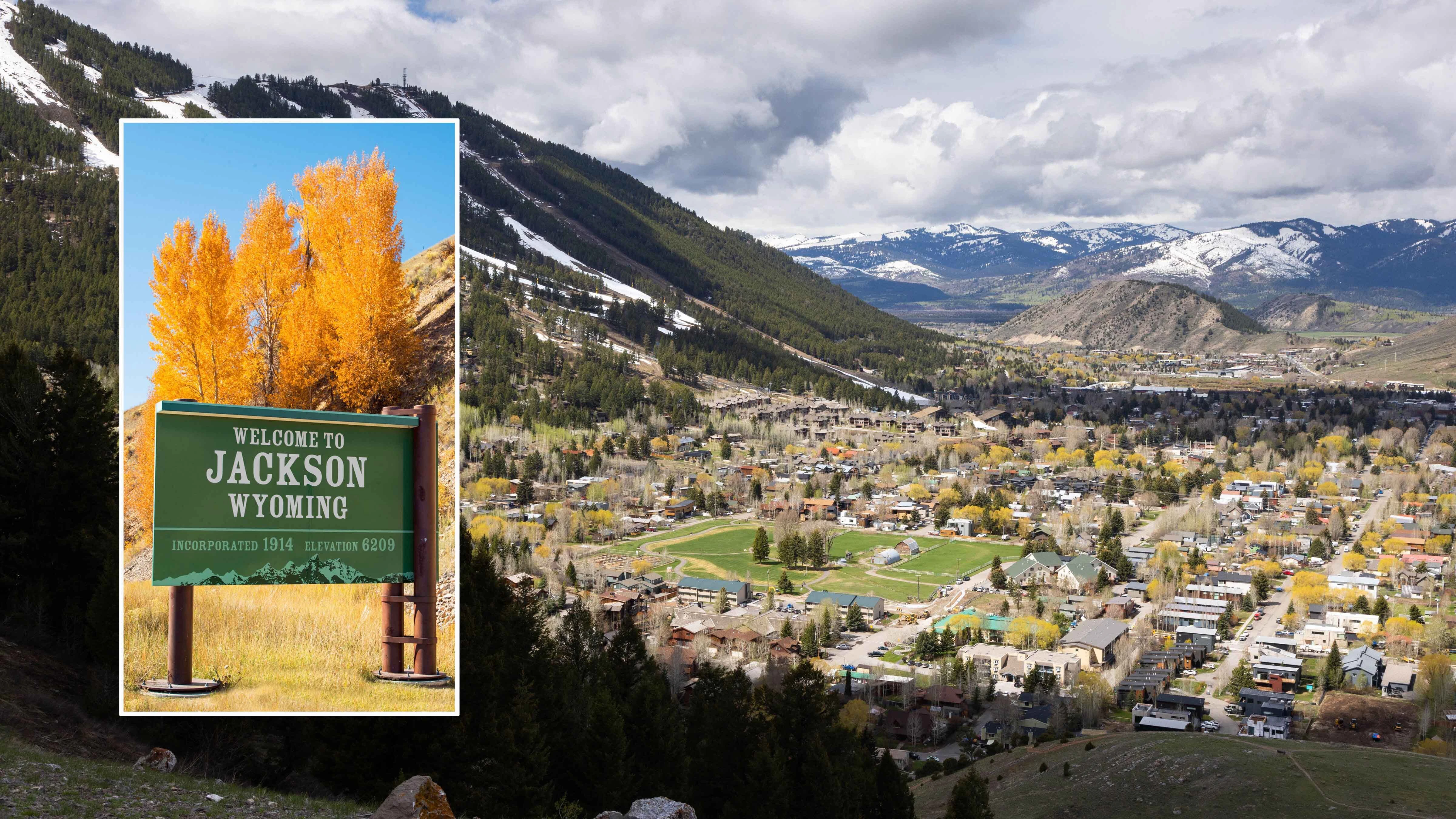
The Teton County Commission voted 4-1 Tuesday to approve the development plan on private property for what will be, if successful, the first major non-luxury housing development in the area in 30 years.
The landowner’s team members erupted with applause, then tears, after the vote.
“We’re all a little dazed,” Nikki Gill told Cowboy State Daily.
The Gill family owns the land and has worked for six years to get it through the county’s rigorous, and expensive, regulatory and permitting processes.
The developers still have to pay $3.5 million to renovate nearby roads that fall outside their land and the project site. County authorities have said this fee links to the impact the project will have on the roads and needed safety upgrades.
The Gill family at first opposed the fee as unreasonable. Among several reasons, the Gills pointed to the commitment they’ve already made to convey land for 70% of the homes to two nonprofit, affordable housing groups, the Jackson Hole Community Housing Trust and Habitat for Humanity of the Greater Teton Area.
The groups are expected to build those 387 homes as price-capped, affordable housing, reserved for people making less than 120% of the ultra-wealthy region’s median income.
The family’s attorney Amberley Baker warned commissioners in September that adding fees to the already-belabored build would gouge the philanthropy and fundraising efforts the nonprofit groups are already undertaking.
But the family ultimately negotiated a phased approach, linking three installments comprising that $3.5 million to real approvals on the county’s end.
“It’s been a long journey,” Gill said. “We’ve been questioned a lot along the way about why we’re still here; at times it seemed pretty difficult.”
First, the county rewrote its land development rules for the Gills’ land. Then it vetted and ultimately approved the Gills’ master site plan.
Then it debated approving the development plan for months before approving it Tuesday – to name just a few major points in the saga.
But real-life stories about Jackson and Teton County’s daily-grind workers, many of whom cannot afford to live near their workplaces in ultra-wealthy Teton County, kept the family moving forward, Gill said.
“Every time we’d hit another roadblock or bump in the road, you just hear another story about someone having trouble, one of your friends or colleagues, or your kid’s teacher, who is having housing instability or is now commuting,” said Gill.
She called those “real-life stories, of real-life people that we know, that desperately want someone to make it possible for them to make Jackson their home.”
‘A Victory’
Liz Brimmer, a member of the Gills’ team, said the family has paid more than $1 million just in applications, because that “takes a team of engineers, lawyers, every kind of study you can imagine.”
Brimmer was also tearful on Tuesday.
“This is a victory for snowplow drivers, teachers, mechanics, speech pathologists, janitors, everyday people,” she said. “People are going to have a place here.”
Brimmer added, “We all cried.”
Brimmer credited the Gills and Baker, their lawyer, saying her tenacity is “legend.”
Baker credited “an incredible team and incredible partners,” and said they’ll deliver something that is going to make a difference in the community.
“Now we can actually go do the work after six years,” she said.
The developers will still have to come before the county for other approvals, like grading erosion-control permits, which can take up to a year, and infrastructure and building permits.
But this vote marked a milestone of the more political, less administrative side of the approvals process.
Money Faster
The one nay, Commissioner Len Carlman, told the public at the Tuesday meeting that his nay was “not complicated.”
The bare minimum the developers should contribute to those nearby roads is $2.2 million, he related from staff reports. And, he added, the county should get that money faster.
“Part of my whole ambition for asking for the money up front is to do good planning for the community,” said Carlman, “and make sure the roads can handle the traffic, and people are safe and vehicles move.”
Carlman had proposed an alternate condition to impose the fee up front, but that motion failed 3-2.
Chair Mark Newcomb and commissioners Natalia Macker and Wes Gardner voted nay on that, while Commissioner Luther Propst voted to approve it with Carlman.
What Is ‘Infrastructure’
Propst, who ultimately voted for the development plan once Carlman’s plan with the phased payout approach Carlman opposed, said he remained “troubled.”
“There’s a letter to the Gill family from … 2023,” said Propst, adding that the family had already pledged then that it would provide “infrastructure.”
Gardner countered.
He asked the county’s senior planner Chandler Windom what she means by “infrastructure” when she discusses the concept with the Gills.
She listed roads, pathways, sidewalks, water and sewer structures, “that go around the proposed block,” meaning, on the Gills’ land.
“When you talk about the road improvements,” Gardner continued, “how do you refer to those?”
“We call those off-site transportation improvements,” answered Windom.
Baker confirmed to the commission that her understanding of “infrastructure” also doesn’t involve public road renovations beyond the Gills’ land.
‘The Die Is Cast’
Later, when each commissioner gave a speech just ahead of the vote, Propst said he’d vote in favor of the project, but over his lingering objections.
“This project is not a balanced win-win contribution to mitigate our housing crisis,” said Propst, adding that yet, “The die is cast.”
That’s the right region for deed-restricted housing and the community needs affordable housing badly, he said.
Propst said the developers’ risks are “asymmetrical” to the county’s benefits. The county has granted approvals that will increase the value of the land, he said.
Propst cast doubt on whether the developers will offer the deed-restricted homes, however. He called that expectation “speculative and contingent.”
He noted that the proposed acreage, 45, for the price-capped homes has shrunk.
It has, but that’s a consequence of the county’s own rules for pathways, parks and other amenities.
Clair McFarland can be reached at clair@cowboystatedaily.com.


