Wyoming’s economy has long been shaped by boom-and-bust cycles in coal, oil and gas.
With the Trump administration investing heavily in the return of U.S. manufacturing, Wyoming leaders see an opportunity not only to diversify the economy, but to create the kind of attractive, high-paying jobs that could help reverse the state’s “brain drain” problem.
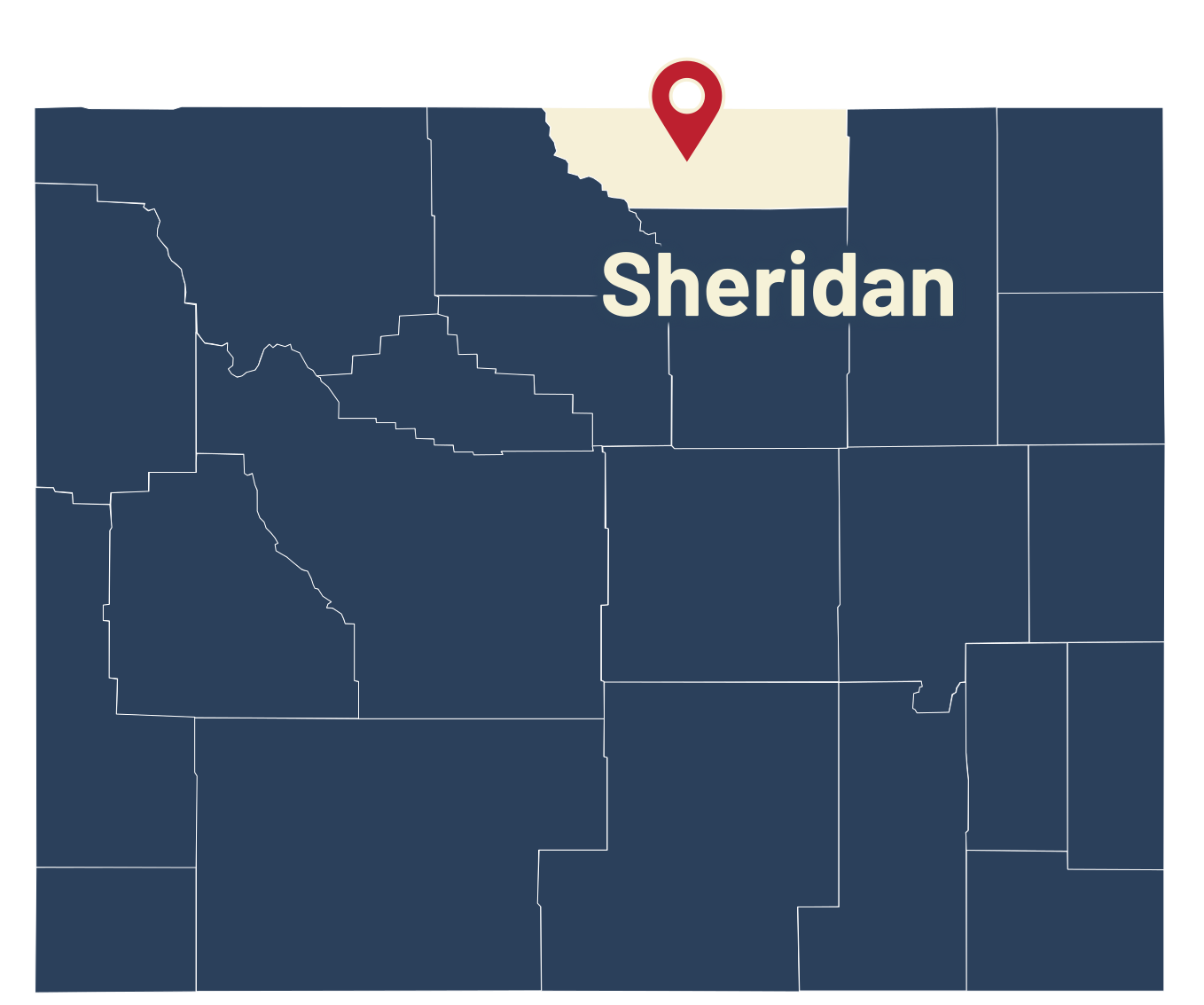
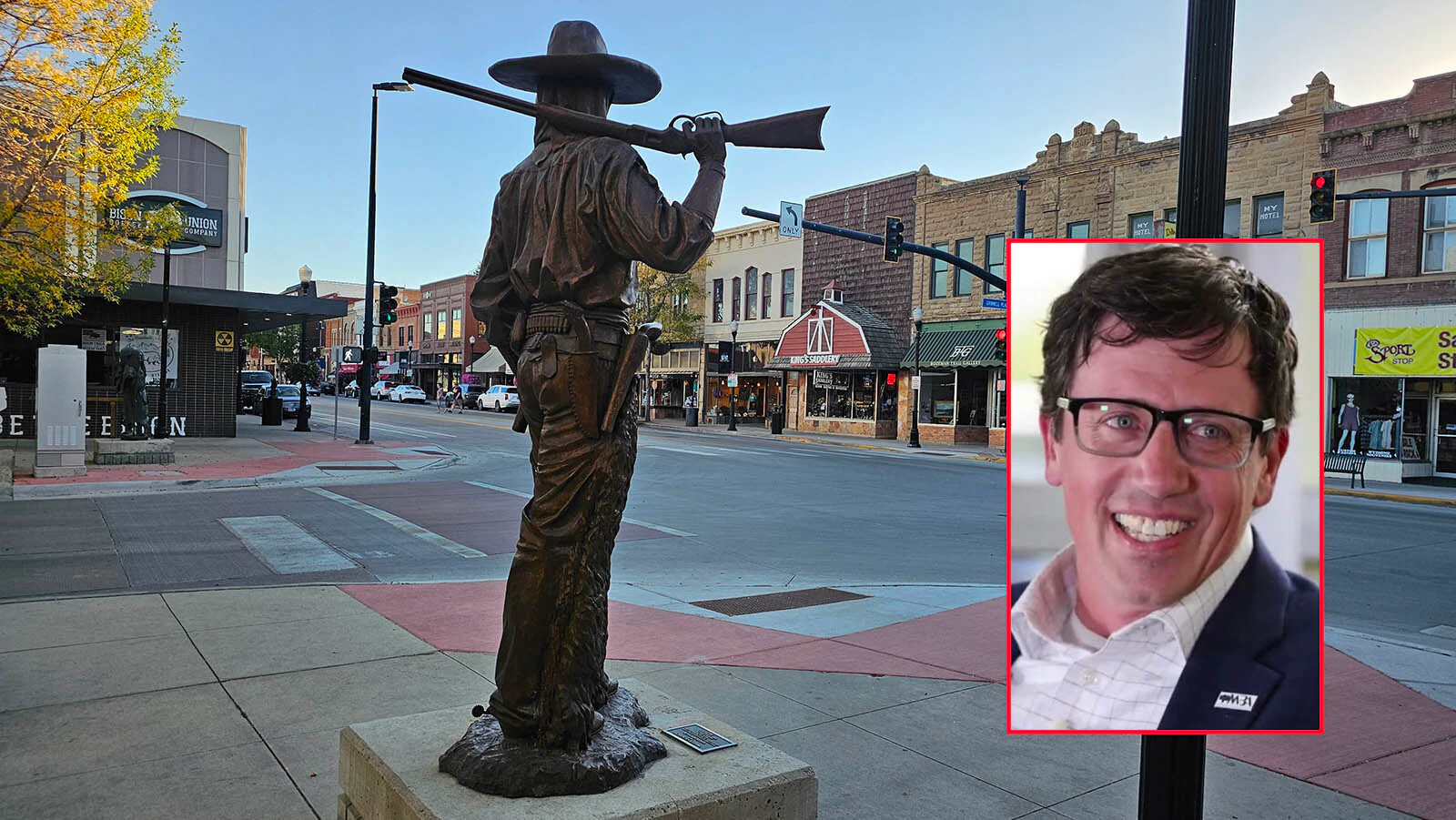
Former Sheridan mayor and former state senator Dave Kinskey laid out the opportunity on Cowboy State Daily’s morning show with Jake Nichols.
Kinskey pointed to a 2024 Harvard study that found roughly 70% of Wyoming’s college and high school graduates have left the state by the time they’re 30, leaving businesses struggling to find workers and communities worried about their futures.
“It’s due to the high price of housing and just a lack of jobs,” Kinskey said. “Especially if they’ve got some college.”
Kinskey told Cowboy State Daily after the radio show that the Harvard study also found that 83% of Wyoming employment is concentrated in lower-productivity industries that often do not pay enough for workers to afford homes of their own.
Wyoming needs more career-level jobs that pay enough to give people a reason to stay, Kinskey said.
That’s where he and others believe manufacturing can make the difference.
“President Trump is putting billions of dollars behind some critical industries that have been identified,” Kinskey said. “We’re fortunate to have a group called Wyoming Innovation Entrepreneurs — 50 manufacturers in Wyoming, pulled together by Mike Wandler out of L&H.”
Those 50 manufacturers have said they want to be based in Wyoming, Kinskey added.
“Other states have done it where they’ve really put a push behind manufacturing,” he said. “And I think that’s what Wyoming needs to do. That’s what I personally think the Business Council needs to do.”
Wyoming’s Manufacturing Edge
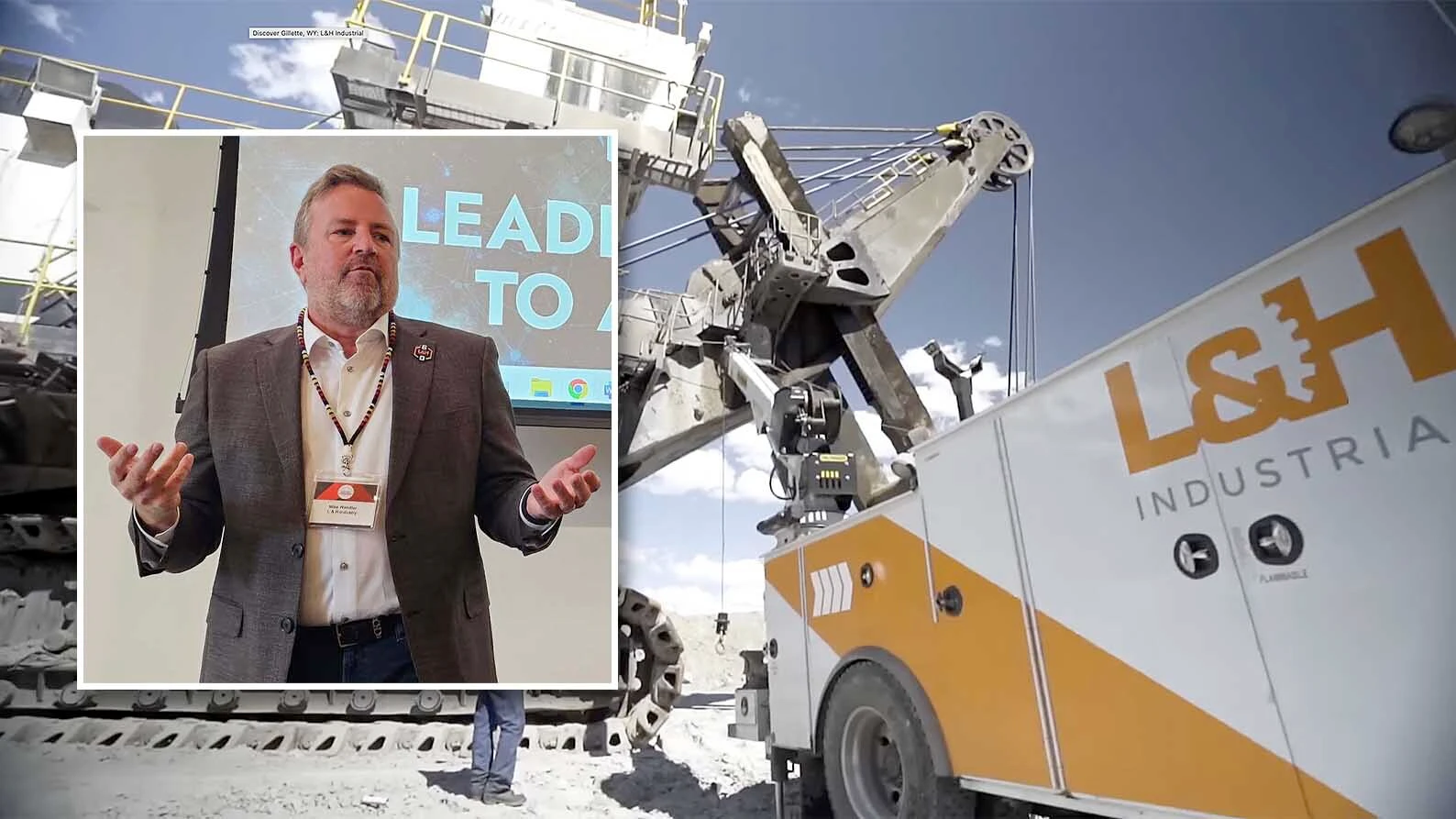
As Wandler sees it, Wyoming is uniquely positioned to lead the charge to bring manufacturing back to the U.S.
“We are very good at this,” Wandler said. “It’s our culture, since we only have 600,000 people.”
L&H Industrial has shops in Gillette and Sheridan, but also in Phoenix, Arizona. That’s taught Wandler something about what Wyoming has to offer.
“I thought, ‘Oh, my hiring problems are done,’” Wandler said. “I’ve got what, 334 million people to draw from.”
But what he discovered is that it was far easier to hire talented young “gearheads” with the right work ethic in Gillette and Sheridan than it was in Phoenix.
“Our talent and our work ethic and our energy manufacturing repair IQ is way above everybody else,” he said. “And the world is noticing that right now. They’re coming and they’re talking to me about it.”
Wandler said he’s talking with the University of Wyoming, Manufacturing Works, and the Wyoming Business Council about the state’s opportunities.
“I think we can win this,” Wandler said. “It used to be a problem that we only had 600,000 people. You were kind of insane to be manufacturing in Wyoming because there’s only 600,000 people. But that’s not a barrier anymore.”
Technology Has Changed The Math
Technology has removed the population barrier, Wandler said.
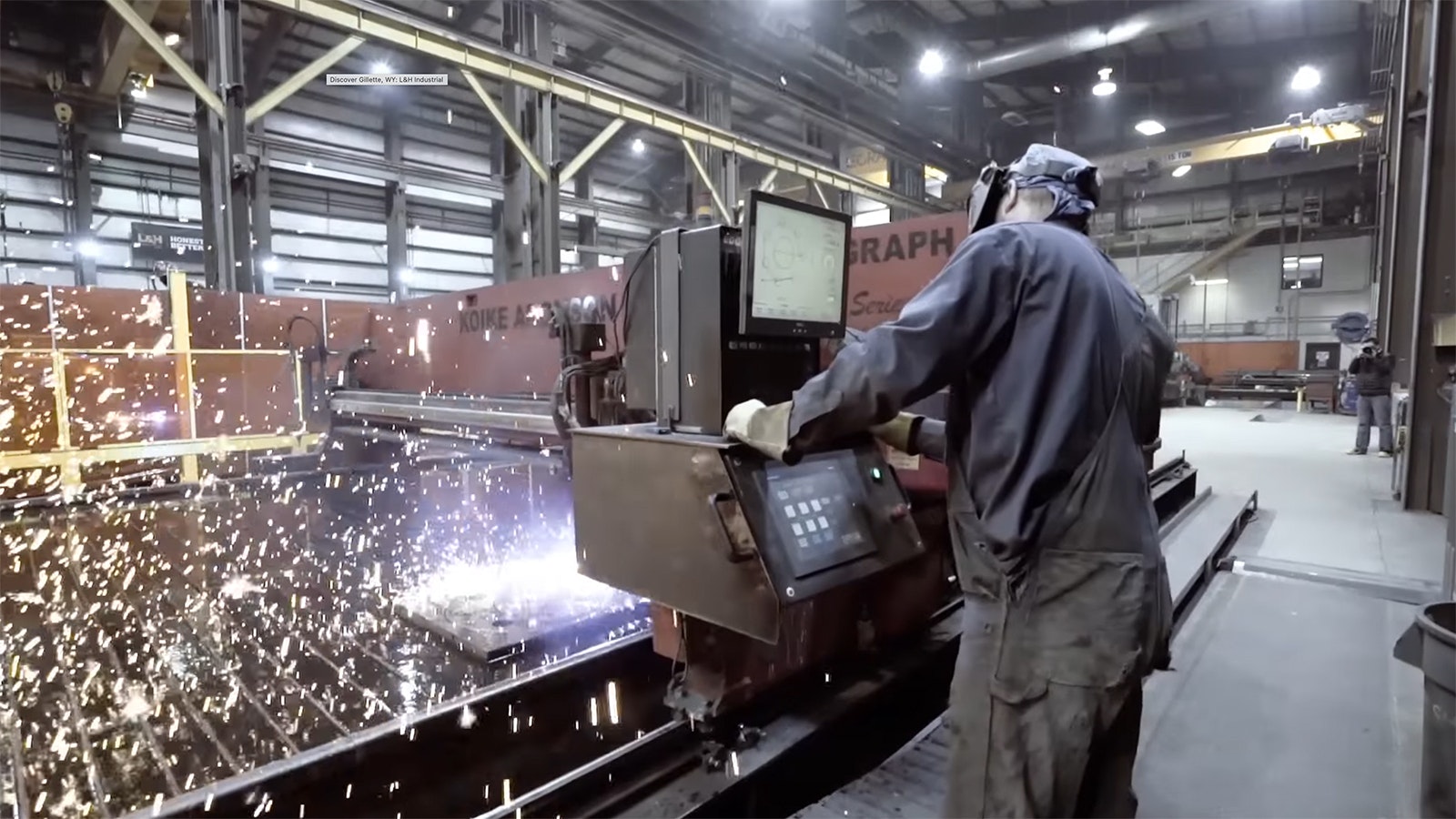
“I had 600 people doing 60 million,” he said. “Now I have 250 people doing 120 million, and that continues to happen because of technology.”
Boosting productivity with technology means companies can produce more with fewer workers, remaining competitive while paying employees more, Wandler said.
“I’ve been thinking since the ‘80s that stops at some point, but now I don’t,” he added. “I don’t think it stops. I think these technologies compound on each other and make things easier and better and faster and lower cost. And customers need that because the middle class pays for everything and they can’t afford everything to be way more expensive.”
Boosting State’s Competitive Edge
Wyoming has already begun taking steps to make it more competitive for this new wave of American manufacturing, according to Wyoming Business Alliance Executive Director Renny MacKay.
“The first thing we had to do, and we did it two years ago, was to extend the manufacturing sales tax exemption,” MacKay told Cowboy State Daily. “Something like 37 other states have that and if we want to attract investment, we’ve got to be able to compete.”
That was an issue the Wyoming Business Alliance pushed hard for, MacKay added.
“If you want people to invest in manufacturing here, you’ve got to be able to compete with neighboring states on that alone,” he said. “It’s a direct cost related to building a facility here.”
The governor’s office has also done important foreign-trade work, MacKay said.
“If you’re talking about on-shoring, you need to be talking to the companies that are manufacturing somewhere else right now,” he said. “So they can start to think about that here.”
Some entrepreneurs have stepped into the space as well, helping map out supply chains for companies interested in bringing manufacturing back to the United States.
“These neat things are happening right now with entrepreneurs helping to serve manufacturing,” he said. “And then you’ve got entrepreneurs looking at the future of manufacturing like Mike Wandler and Rex Lewis with Puma Steel, and Brian Deurloo with Frog Creek.”
Sheridan’s Manufacturing Cluster
Wyoming’s manufacturing employment has remained relatively flat over the past 15 years, MacKay said.
“It looked like, ‘Oh, maybe we weren’t having an impact,’” he said. “But the rest of the country was shrinking in jobs. So we were beating the trends by staying flat.”
Wyoming’s opportunity, as he sees it, isn’t just to attract more production from overseas, but to target the higher-value manufacturing that requires more skill and supports higher wages.
Sheridan offers an example of what that kind of manufacturing cluster can look like in Wyoming, MacKay said.
After the coalbed-methane boom ended, manufacturing jobs replaced oil-and-gas jobs lost in Sheridan County, MacKay said. Those companies included L&H Industrial, EMIT Technologies, VacuTech, Weatherby, Kennon Aircraft Products and others.
They now have a concentration of industrial businesses that support each other.
“That cluster is real,” MacKay said. “That’s how economic growth happens.”
Jobs Help Solve Housing
Building a manufacturing cluster involved making sure the logistics for the businesses would be sound, Kinskey said. That included a ready business-park site, as well as making sure there were robust training programs.
But Sheridan also illustrates a problem that it and communities across the state are wrestling with — workers need somewhere affordable to live.
It’s a problem that exists across the nation, Kinskey said, but not one that has to be solved first. It’s a problem that can be worked on at the same time as other problems.
“We can’t wait,” he said. “We have to work on all of these problems simultaneously. We have to walk and chew gum and juggle all at the same time.”
Both Kinskey and MacKay said they believe better-paying manufacturing jobs could be part of the housing solution by closing the affordability gap so more households can support a mortgage at today’s prices.
They also see where communities can take steps to encourage more housing developments along the way.
“Cheyenne did that,” Kinskey said. “And what did they say, that they were on track to issue three times the building permits in a single year than they had issued on average for the last 10 years or something? I mean, that’s remarkable.”
Cheyenne eliminated minimum lot sizes, removed some aesthetic requirements and changed zoning to allow smaller homes closer together.
“So with the stroke of a pen, Cheyenne City Council said we’re going to repeal all of these onerous regulations,” Kinskey said. “The mayor signed it and, bam, three times as many building permits as they had before, and they didn’t even adopt all of the reforms.”
A manufacturing push, done right, isn’t just more factories or a larger state economy, Kinskey said. It’s about aligning workforce training, higher-paying jobs, and attainable housing so young people can realistically dream about building their futures in Wyoming.
Renée Jean can be reached at renee@cowboystatedaily.com.