
Feeding Laramie Valley, an Albany County nonprofit, gives away fresh food to anyone who asks.
Lately, the organization itself is on shaky ground as Gayle Woodsum, founder and director, said the rising electricity rates are not only bringing more people in their door but also threatening the nonprofit’s ability to continue its operations.
“The services that people need are needed more than ever,” Woodsum said. “Yet the services are in danger of not being able to meet that need because of the bills on our side.”
When Woodsum spoke with Cowboy State Daily on Tuesday, she'd just gotten off the phone with Rocky Mountain Power. Feeding Laramie Valley could only afford to pay half its monthly electricity bill, and she'd called to work out a plan.
“It’s stunning what we’re paying for utilities,” Woodsum said. “It does seem to be more frequent. Hikes are happening more quickly so there’s no preparation, and the rate at which they’re rising seems to be overwhelming.”
‘Potentially an elimination’
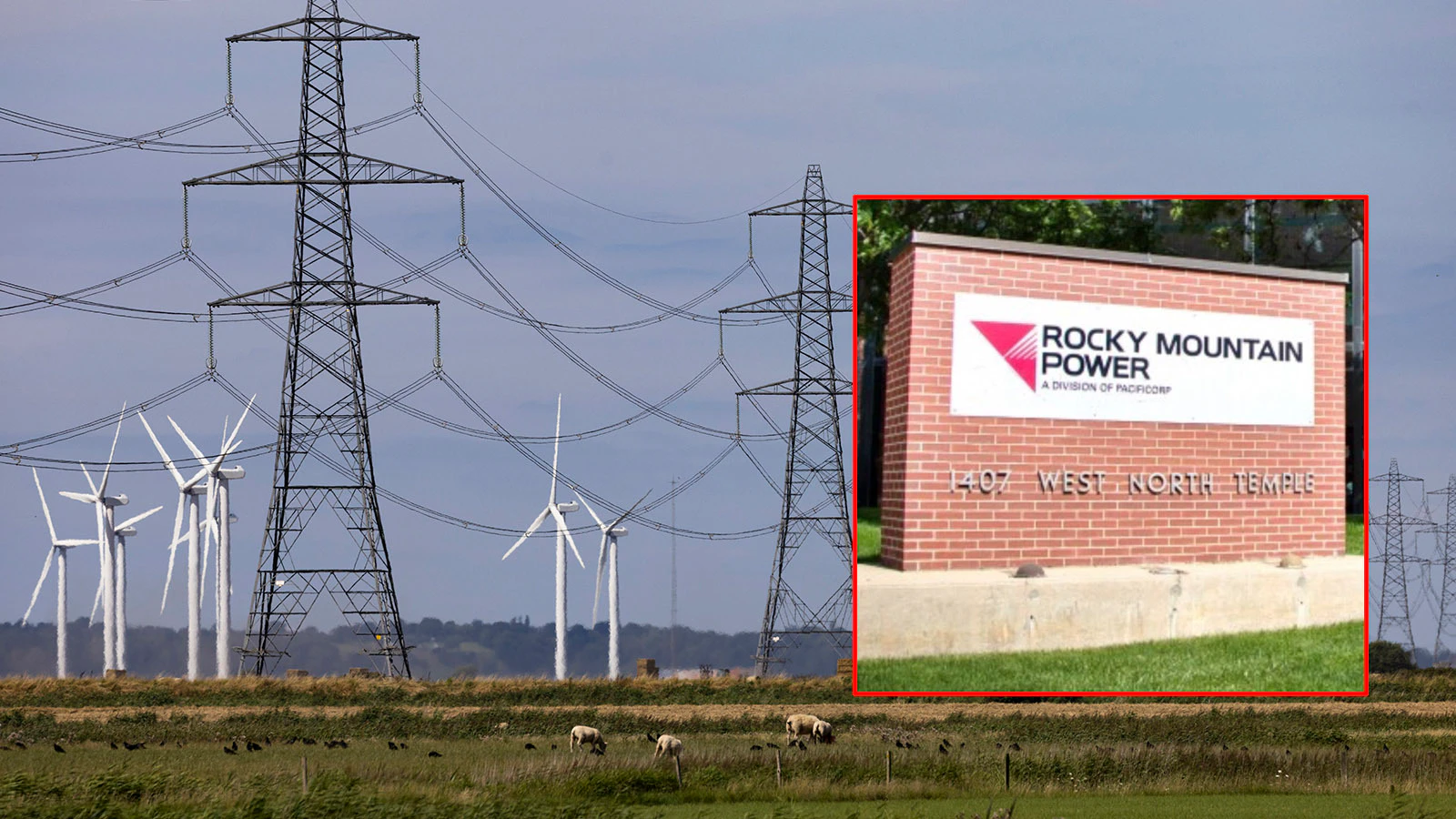
Rocky Mountain Power, the regulated monopoly utility serving roughly 150,000 customers across Wyoming, announced in May it is seeking an 8.8% rate increase beginning in 2027, its third proposed hike in three years.
If approved, the cumulative increase since 2024 would be almost 25%.
The Wyoming Office of Consumer Advocate has a track record of cutting Rocky Mountain Power's rate requests down substantially.
In 2023, the utility asked for a 21.6% increase, totaling $140.2 million, and the Wyoming Public Service Commission approved roughly $53.9 million instead, less than half of what the company sought, after OCA and the Wyoming Industrial Energy Consumers argued the ask was too high.
Last year, OCA helped negotiate RMP's original 14.7% request down to a 10.2% settlement before the case ever reached a contested hearing.
This time, OCA administrator Anthony Ornelas told Cowboy State Daily that the office, along with WIEC and a consortium of irrigators and agricultural consumers, is intervening again.
“We are likely to recommend a significant reduction, or even potentially an elimination, of the proposed rate increase altogether, based on our analysis of it,” Ornelas said.
The OCA will file its testimony on the results of the analysis Sept. 29, Ornelas said.
“We're looking at everything that's included in this filing and the company's operations as a whole,” Ornelas said.
Wyoming residents will have two chances to weigh in before that testimony is filed.
The Public Service Commission has scheduled a public comment hearing Thursday in Casper from 4 to 6 p.m., followed by a second hearing Monday in Rock Springs.
‘Everything's Going Up Except Pay’
For Wyomingites like Jesse Caines, who lives in Riverton, relief on the electricity bill can’t come soon enough.
“I was used to paying like $100,” Caines said. “Then, all of a sudden, my bill is $180, $190, $200, and in the winter it's $300 plus.”
Rocky Mountain Power previously told Cowboy State Daily that the three-year trend of raising rates has nothing to do with data center growth and is instead driven by rising capital investment, increased operations and maintenance costs, and inflationary pressures across the company's six-state system.
“Our costs to provide continuing service go up," David Eskelsen, a spokesman for Rocky Mountain Power, told Cowboy State Daily at the time of the announcement in May. "That’s the driver for a general rate request."
No matter the reason, Caines said that absorbing rising costs for electricity into his own budget stung even more when he looked into the company’s finances and found that PacifiCorp, Rocky Mountain Power’s parent company, posted $171 million in first-quarter net income in 2025, up 46% from the previous year.
“They definitely make a good amount to be able to drop some rates to help people out,” Caines said.
Now, Caines said he has had to pick up a second job and increase the hours he works at his first.
“We just had our newborn in July,” Caines said. “So, we have those bills to pay for. We have groceries to pay for, internet to pay for, on top of the outrageous electric bill. Everything’s going up except pay, and nothing's going back down ever since I can’t even remember.”
'We All Have to Pitch In'
The math is just as unforgiving for Jody Elkins, who lives in a mobile home in Bar Nunn outside Casper with three generations of her family under one roof. Her power bill used to run under $80 a month in the summer, she said. Now it's $300.
“It’s horrible,” Elkins said. “But what are you going to do? You have to pay it because you have to have power.”
Elkins lives with her daughter, who works as an in-home health aide, her son, who works as a crane operator, and his girlfriend, a stay-at-home mom to their two young children. Every month, Elkins said, it’s a group effort to make sure the bills get paid.
“We all have our own bill we have to pay because we couldn't do it otherwise,” Elkins said. “And usually with the power bill, we all have to pitch in because it's so high."
Now, Elkins said the electricity bill is typically higher than the $285 monthly lot rent. With not much to spare after everything is paid, she said the family has been relying on services more than ever.
"Thank God for food banks,” Elkins said. “We wouldn't have food because we have to pay the bills. We spend a lot of time at food banks.”
Feeding Laramie Valley doesn't operate like a typical food bank, Woodsum said. The barrier to entry is low, and anyone who says they need fresh produce is served without question. But Woodsum said the people who come in oftentimes volunteer their stories of need before she even has a chance to explain how the program works.
Woodsum said she's related to those stories more than ever in recent months, including during the call she'd just finished with Rocky Mountain Power to negotiate the unpaid portion of Feeding Laramie Valley's bill. Still, she resists treating every facet of the company as a villain.
“We don’t want to paint the person on the other end of the phone line as the bad guy,” Woodsum said. "Because the people we talk to on the phone are probably getting underpaid, too. They're not the ones making the rate hikes. The bad guy is so far removed from our lives.”
She encouraged people to understand that, while the power dynamic might seem imbalanced, there is some equilibrium. Just as much as customers need Rocky Mountain Power’s electricity, the company needs customers to be able to afford their bills.
“Dealing with it is trying to remember you’re equal to the people you’re dealing with,” Woodsum said. “If you call before there’s a problem and you keep your cool, they’re more willing to work with you than you might think.”
Editor's note: This story has been corrected to remove an incorrect reference to Rocky Mountain Power providing electricity to the city of Cheyenne. Cheyenne is served by Black Hills Energy, which isn't involved in RMP's proposed rate hike.
Emma Jane Jackson can be reached at emma@cowboystatedaily.com.


