
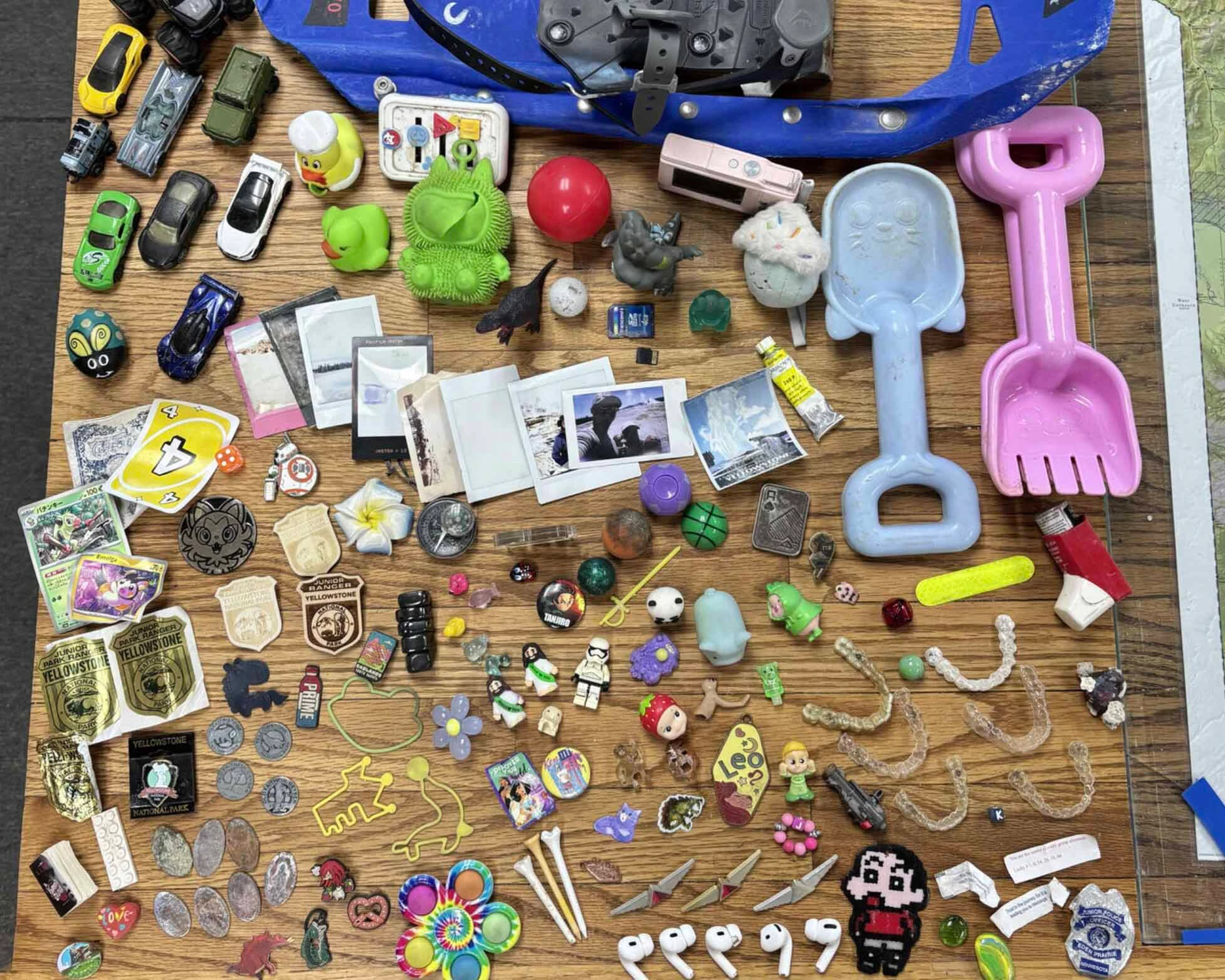
Camera lens caps. Sunglasses. AirPods. Hot Wheels. Pokémon cards. Godzilla.
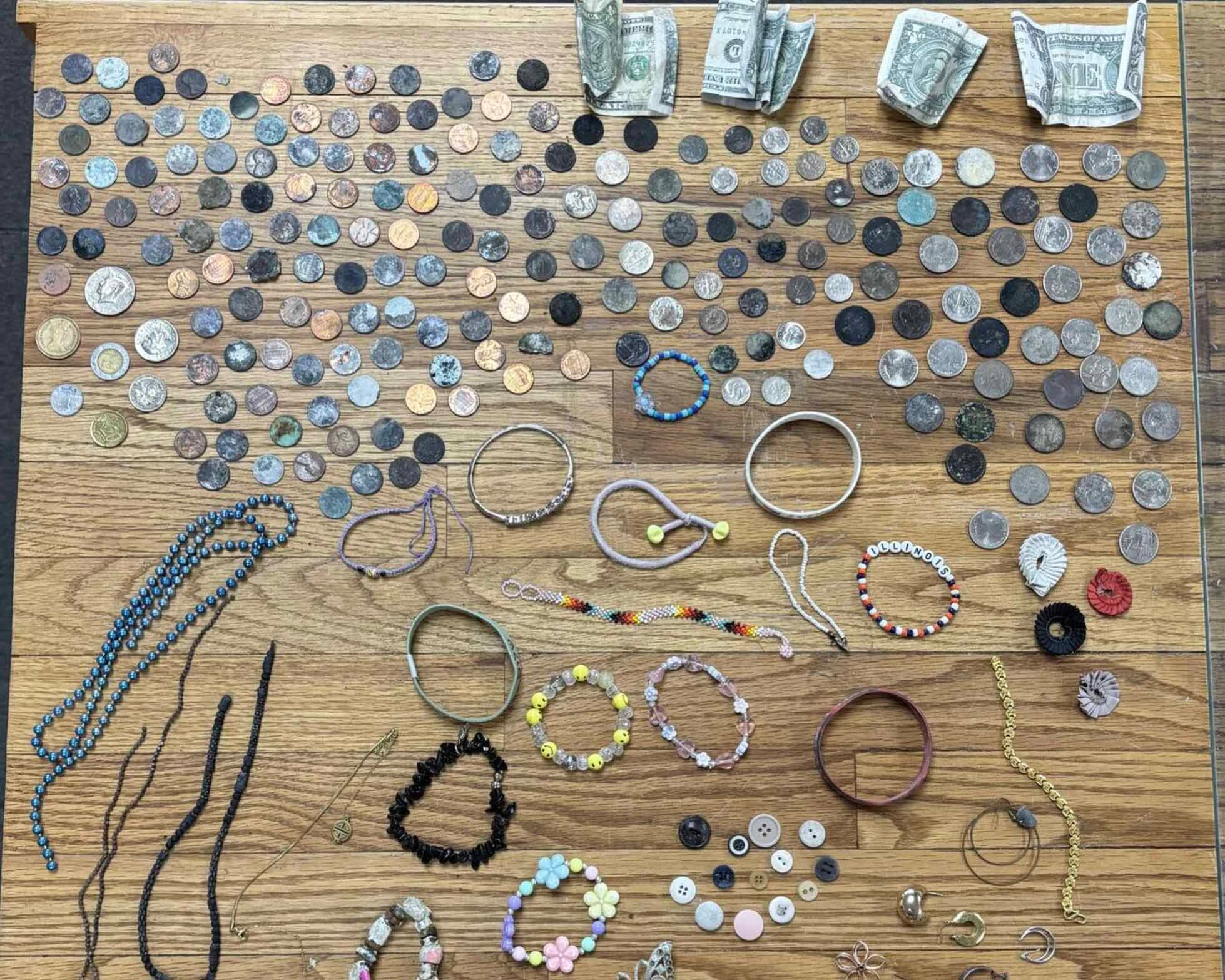
Those are some of the 20,100 pieces of trash the National Park Service recovered from hot springs and thermal areas in Yellowstone National Park this summer.
The Yellowstone Volcano Observatory shared details on the human debris Yellowstone staff have retrieved from thermal areas over the summer season. As usual, it was a smorgasbord of items ranging from the expected to the bizarre.
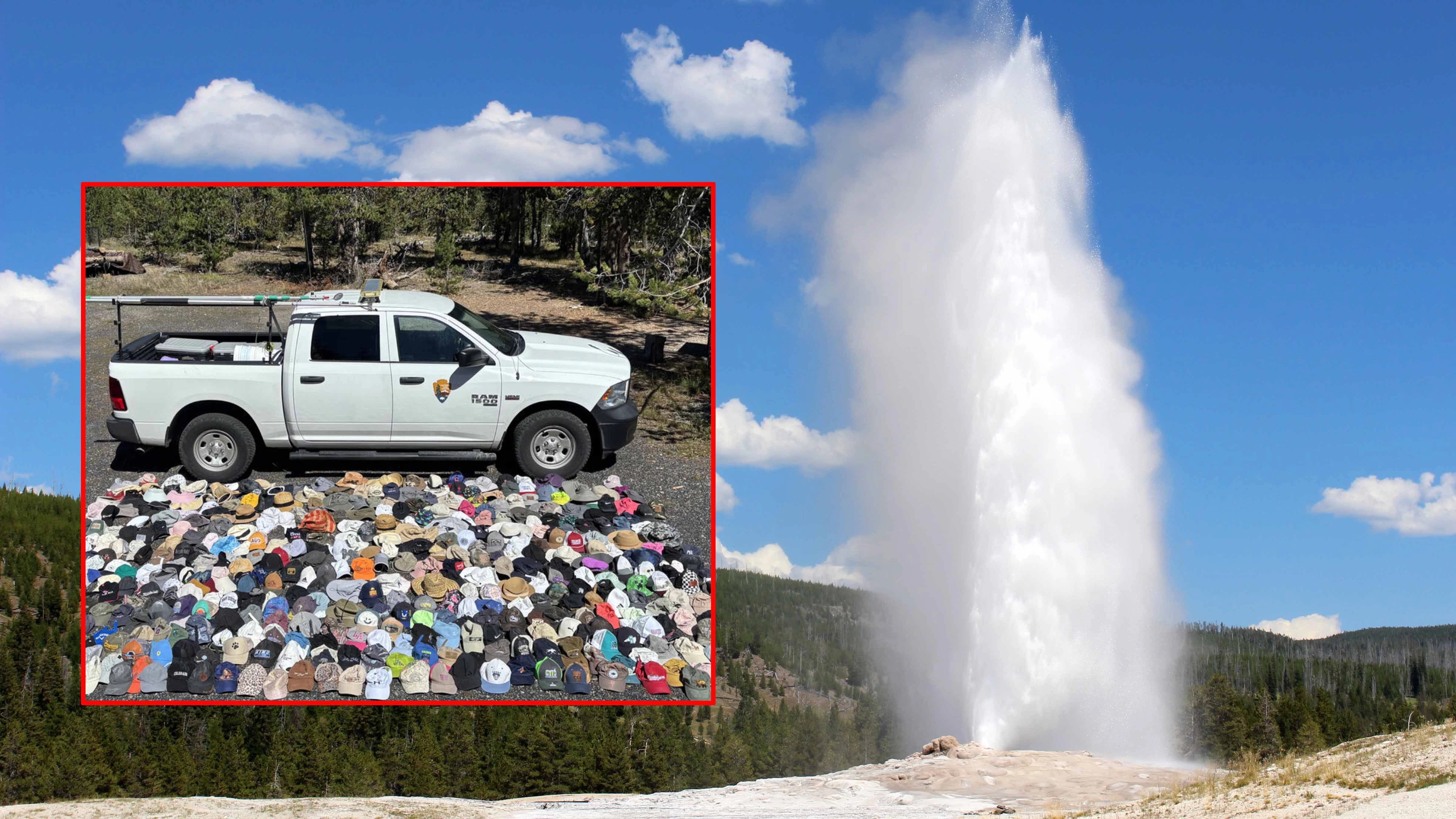
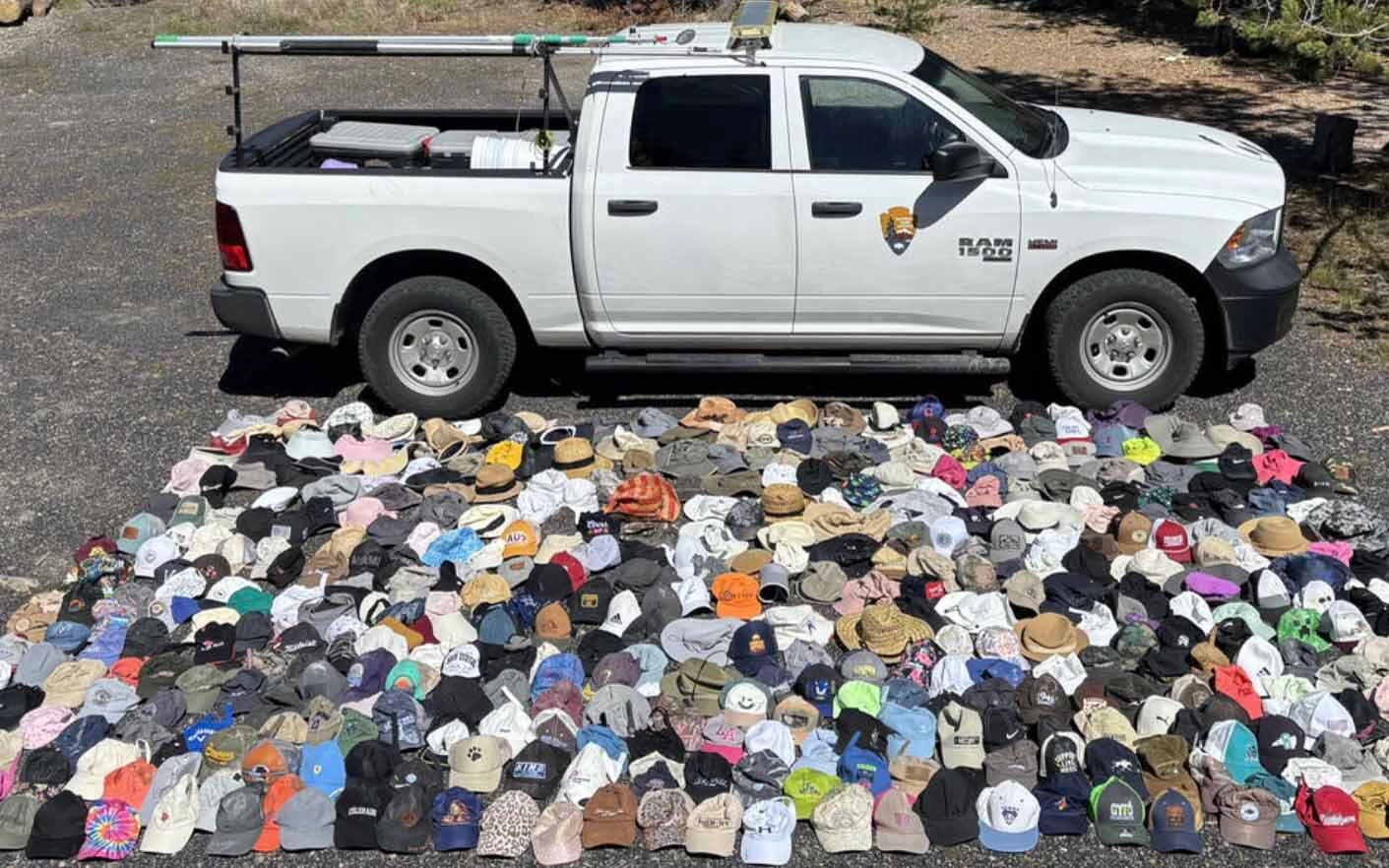
The most common item was hats. More than 280 were collected, including a FIFA 2026 Men’s World Cup hat.
Any rewearable hats will be washed and donated to local organizations.
Yellowstone staff also collected a whopping $18 in international currency. Entry for international visitors might have been raised to $100 per individual, but plenty of euros, pesos, and Canadian dollars were still found in the park.
And the strangest items? According to Yellowstone staff, their picks were Polaroid pictures of people posing next to Yellowstone's thermal features and a two-inch copy of The Vampire Diaries.
Hats Off
Jeff Henry, lifelong Yellowstone employee, enthusiast, and author, has retrieved plenty of odd items from these places.
“There are a lot of things you would expect, like jars, water bottles, and lots of baseball caps,” he told Cowboy State Daily in July 2025. “One time, I found a 1913 penny at the edge of Morning Glory Pool. Another time, I found a tire that looked like it came off a car in the 1920s.”
Hats are easy to lose because of the unexpectedly strong wind gusts that can lift them off visitors’ heads. Coins, Polaroids, and Pokémon cards can easily slip out of pockets.
Whatever’s lost, the best thing to do is nothing. Yellowstone’s thermal areas are famously fragile, and foot traffic can cause irreparable damage.
“No visitors should take that initiative to retrieve their items,” Henry said. “The bacterial mats will heal themselves over time, and while I think one person probably won’t cause much damage, it’s illegal, dangerous, and destructive. Let a ranger get your hats.”
Former Glory
Many Yellowstone thermal features have been irreparably harmed by human actions and artifacts. In the park’s early days, those actions were deliberate rather than accidental.
Morning Glory Pool in the Upper Geyser Basin is a cautionary tale of such actions.
The pool got its name in the 1880s from its vivid blue water, reminiscent of the Morning Glory flower. Over time, the pool’s color permanently changed because people kept treating it like a “wishing well.”
The pool once was by the main road that transported visitors to and from Old Faithful. People got into the custom of tossing coins and other items out the windows of stagecoaches and early automobiles.
“I think many people like to throw things into pools,” said Yellowstone National Park historian Alica Murphy. “Wishing wells are a time-honored tradition. Flip a coin into a wishing well and make a wish. There is something about a pool of water that gives humans a weird instinct to throw things into it.”
Draining The Pool
In 1991, Henry was part of a team tasked with draining and cleaning out Morning Glory Pool.
“We used a couple of fire trucks to pump down the pool's water level and shoot it into the Firehole River,” he said. “A guy was hooked up to a climbing harness so that he wouldn't fall into the pool, and he was out there with a long-handled net, fishing things out of the water far down into the crater of the pool.”
According to Henry, they retrieved thousands of coins and metal pieces from automobiles. They also found a few hats.
“They probably had blown off people's heads and landed in the pool,” Henry said. “They, wisely, didn't try to retrieve them.”
Henry cleaned pools “on a regular basis” for years until the practice fell out of favor. Today, signs and proactive education prevent people from treating thermal pools like receptacles.
Most people realize that tossing items into geysers and hot springs can cause permanent changes like color changes, clogged plumbing, and behavioral changes.
“I think people are much more respectful than they were in my early days,” Henry said. “It's one way that values and behavior have changed over the years.”
Leave No Trace
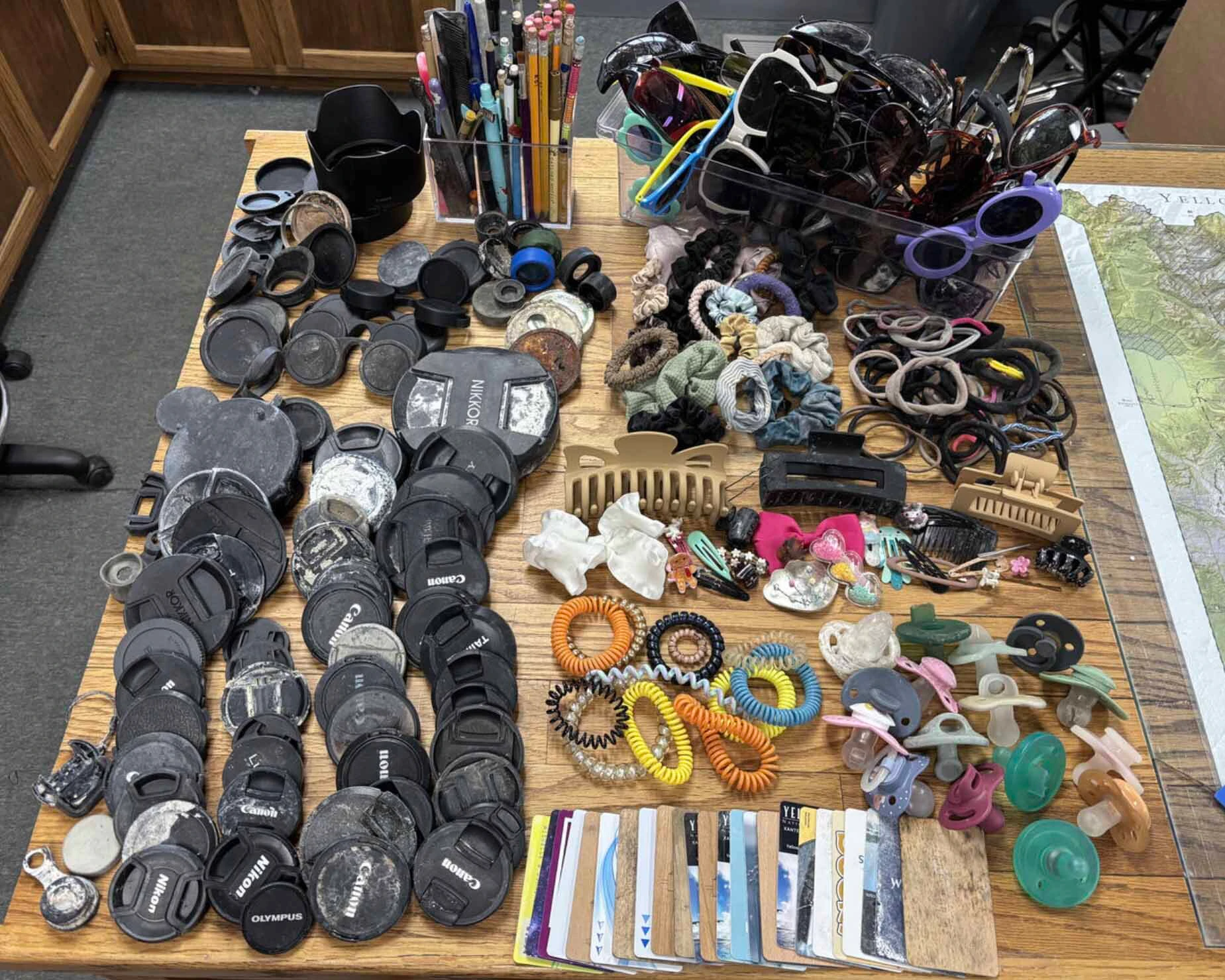
Yellowstone staff retrieved thousands of amusing and not-so-amusing items from thermal areas. The “grossest” items included Invisalign retainers, pacifiers, fake nails, and floss picks.
Many people lost their hotel keys and Junior Ranger badges. At least one person lost their inhaler, and one LEGO set is missing a Star Wars stormtrooper.
In the past, people were expected to recover their own lost items.
“It's been a long time since I've worked for the National Park Service, but (object retrieval) was more of a casual thing when I did,” Henry said. “If you saw a discarded piece of litter or somebody's hat had blown off, you would go get it. It wasn’t that hard to do, if you used your eyes and thought about what you were doing.”
Today’s item removal is handled by Yellowstone’s Geology Program staff. As they do their routine work monitoring thermal basins, they retrieve hats, coins, and Uno cards while safely navigating sensitive areas.
That, in Henry’s opinion, is for the best. People might be infuriated when they see a hat, a toy shovel, or a snowshoe in a hot spring or thermal basin, but the last thing they should do is attempt to retrieve it themselves.
“One or two people might not cause any harm, but the impact of a large number of people stepping on the bacterial mats is obviously something that can't be tolerated,” Henry said. “That can’t be allowed to happen in today’s world.”
Andrew Rossi can be reached at arossi@cowboystatedaily.com.


