
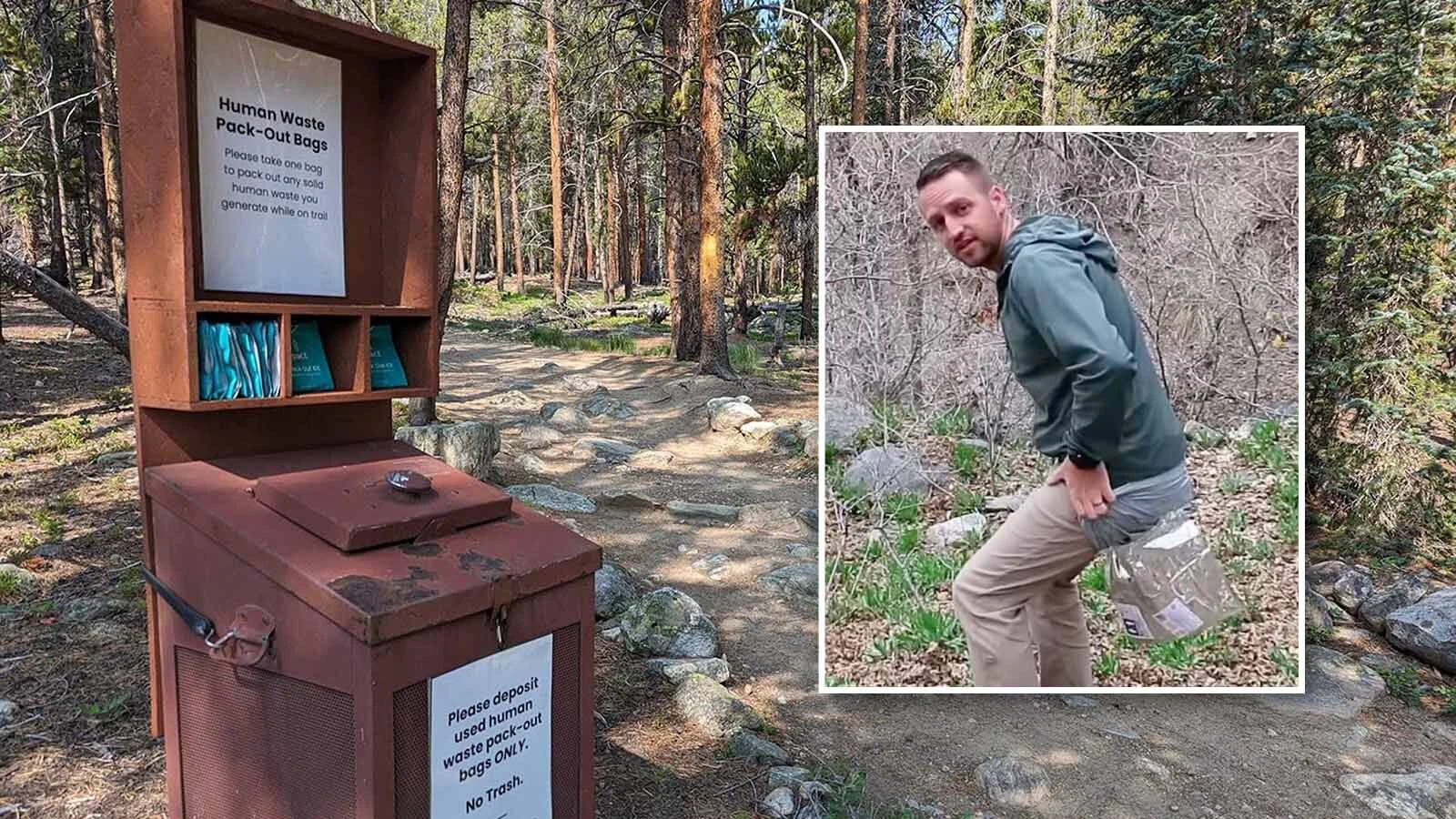
It turns out people might not only be willing to pack their own poop out of America's sensitive backcountry areas, they'll also pay for the privilege.
PACT Outdoors, a Colorado company that makes products for backcountry bathroom business, is exploring whether hikers, bikers, and other outdoor enthusiasts would voluntarily carry their waste out.
A recently completed dissertation not only shows they would grab a WAG bag to carry their waste, but that they would pay to do so. These findings could revolutionize the “leave-no-trace” outdoors philosophy in a big way, the company says.
“The largest resource burden for land managers on public lands is dealing with human waste and the costs associated with it,” said PACT Outdoors cofounder Jake Thomas. “The study found that users might be willing to pay for or subsidize a program like this, making it either cover its costs or potentially even be a profit center for land managers.”
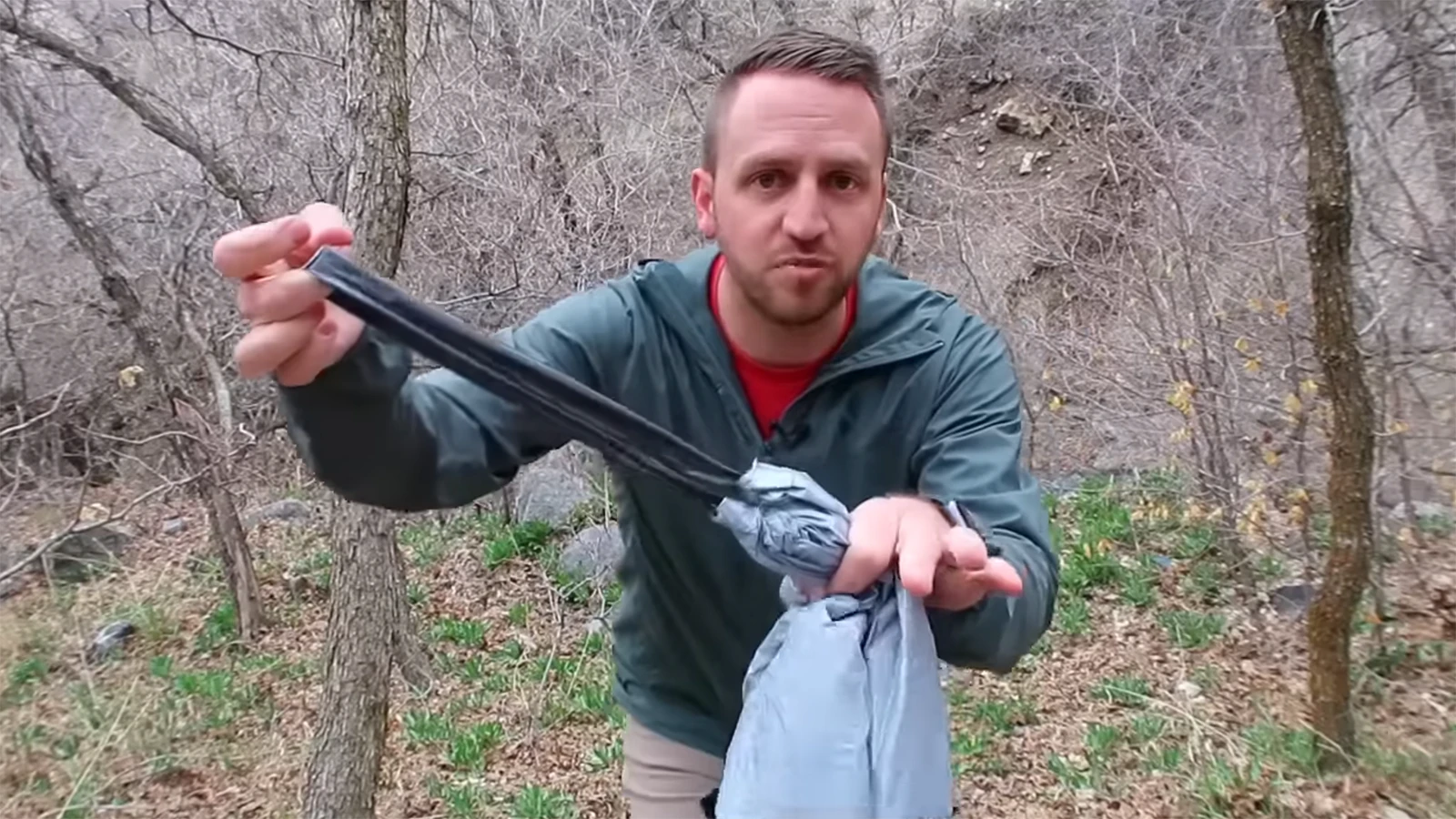
WAG Bags
Plastic bags filled with waste-alleviating gel are known as WAG bags. They’re a staple of outdoor recreation in areas where human waste can’t readily be disposed of on the landscape.
“It's a disposable, all-in-one, compact kit primarily used to pack out human waste from backcountry or other outdoor environments where you generally should or are required to do so,” Thomas said.
“Those include sensitive ecosystems like arid deserts or alpine environments and really high-traffic areas where burying doesn’t work because the ground can’t keep up with the volume of use," he added.
PACT Outdoors was founded to create products specifically to address human waste problems for outdoor recreationists. Their product line includes WAG bags, wipes, shovels, and tablets of mycelium fungus to help break down human waste buried in the ground.
“We built this business around the idea of putting the same innovation and thinking into addressing users’ needs in the outdoors,” Thomas said. “We believe that if you give people better tools, they will use them.”
However, having and using products are two different concepts. PACT Outdoors wanted to know whether the availability of these products correlated with a change in human behavior.
That led to a unique study that went beyond the effectiveness of a WAG bag. Thomas and his peers wanted to know if people would willingly use the bags when exploring the outdoors, so they put people and products to the test.
“We're really interested in solutions and systems that drive desired behavior among users,” Thomas said. “Because we didn't have dedicated products that put the same level of thought and innovation into them that, frankly, every other product in the outdoor industry has, people were far less likely to consider this practice and be prepared for it.
"That’s the hypothesis we’ve been testing for the last five years.”
Where There’s WAG Bags
In July 2024, PACT Outdoors partnered with researchers from Penn State University’s Department of Recreation, Park & Tourism Management to set up an experiment testing whether people would use, and potentially purchase, WAG bags.
PACT Outdoors funded the study through a research grant.
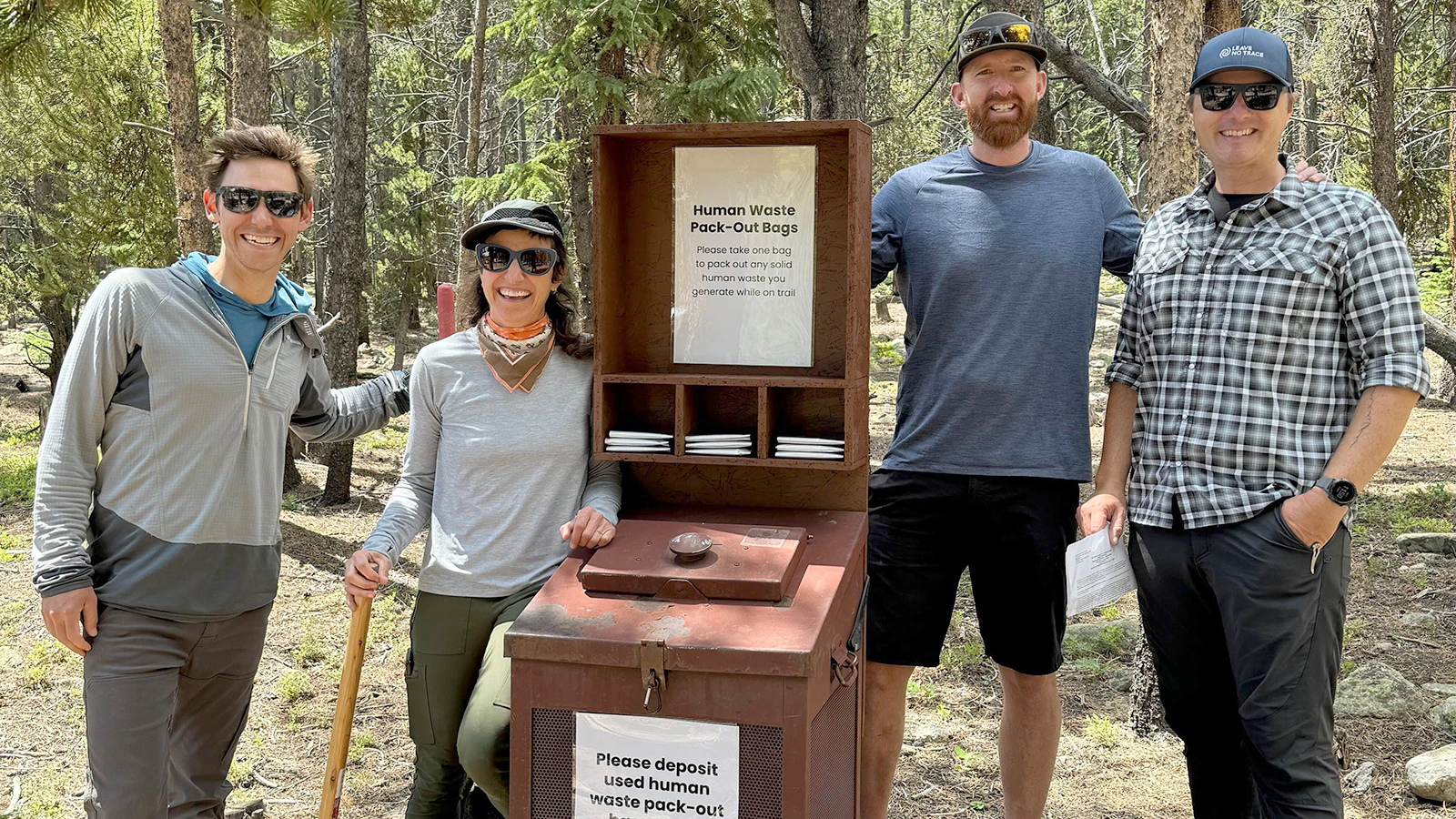
The experiment centered on a special kiosk installed at the North Mount Elbert Trailhead in San Isabel National Forest in central Colorado. It was a distribution and disposal kiosk where people could pick up and drop off free WAG bags.
“Mount Elbert is s a 14,000-ft peak, and it receives approximately 15,000 or so hikers per year in a really condensed period of time,” Thomas said. “Anyone who is responsible for maintaining peaks like this will tell you that human waste is a big issue.”
Thomas explained that since Mount Elbert is usually only accessible between June and August, it gets super high traffic over a very short period. Outdoor recreationists are often unaware or unprepared to pack out their poop, which can result in “a massive buildup of unburied waste.”
“You're in rocky soil where you can't dig a proper cat hole, the ecosystems are really sensitive, and waste does not really break down,” he said.
The kiosk installed at the trailhead was for WAG bags only. There was no other wayfinding or interpretive information attached to it, so the effectiveness of its purpose wouldn’t be diluted.
Then, a Penn State researcher sat at the kiosk and interviewed people who picked up and dropped off WAG bags over 19 days. They asked basic questions about where people were coming from, if they’d ever heard of or used WAG bags, and how they felt about the “experience” of using one.
Those statistics were compiled as part of a 2026 dissertation, “Human Waste Management in Parks and Protected Areas,” by doctoral candidate Jack Edelson.
Shat-istics
The results of the WAG bag study on Mount Elbert were intriguing, to say the least. Even Thomas was pleasantly surprised by what was discovered.
During the 19-day period, 410 people were interviewed. Of that portion, 29% took a pack-out kit with them on their Mount Elbert hike.
According to the study, 11% defecated while exploring Mount Elbert, and 30% of those used a WAG bag during their hike.
The other participants either used the trailhead restroom or left their waste somewhere on the mountain.
Of the people who used WAG bags, 92% of them used one they picked up at the kiosk.
There’s a lot to take away from these statistics. Thomas believes they refute a “pessimistic view” many land managers have about people and poop in the backcountry.
“There's this belief in the industry that people will never pack out their waste,” he said. “That’s a bridge too far, and we can't count on people to do this. What we found was the opposite.”
Of the participants who used a WAG bag, 79% said they’d be more likely to bring one with them in the future, and 91% planned to bring bags on future outings that required them.
Thomas noted that only 8% of participants said they’d “never” use a WAG bag. For him, that’s vindication that packing out poop isn’t as bad as people perceived.
“Nearly everybody else said they were open to it or very open to it, and that using a pack-out bag made them more inclined to use one in the future,” he said. “Trying it out wasn’t this awful experience that people said they’d never do again.
"They're more inclined to both bring one and pack one in the future.”

Paying To Pack Your Poop?
The Penn State study went beyond studying the use of WAG bags. It explored the possibility of making the use of WAG bags profitable.
Thomas explained that the last part of the survey given to the 410 participants included scenarios with randomized variables.
“It’s called choice modeling, which hasn’t been used a lot in outdoor stewardship,” he said. “We presented respondents with these randomized scenarios, side by side, and they picked which scenario they would prefer.”
Some of those scenarios explored whether people would be willing to pay $3 for the convenience of obtaining a WAG bag at the trailhead rather than packing one from home.
The results, according to Thomas, “fly so starkly in the face of conventional logic.”
“Not only were people willing to take a WAG bag, willing to use it and willing to pack it out, but 65.4% of participants said they’d pay $3 for the convenience of getting one at the trailhead.”
If WAG bags were provided free of charge, the likelihood of use rose to 82.4%
For Thomas, these are hard numbers that PACT Outdoors and other organizations can use when approaching agencies like the Bureau of Land Management and the National Park Service about WAG bags.
“What we hear from land managers who are considering this, especially right now, is, ‘How on earth am I going to pay for that?’ and we totally understand that,” he said.
The study found that users might be willing to pay for or subsidize a WAG bag program, either covering its costs or, potentially, becoming a profit center for land managers. That could, in theory, offset the costs of dealing with human waste, which Thomas called “the largest resource burden for land managers on public lands.”
“Convenience (of WAG bags) could outweigh cost for users,” he said.
If You Build It, They Will Poop
Edelson’s dissertation explores human waste management in other parks and protected areas, including a study analyzing the perceptions and practices of visitors' human waste management in Grand Teton National Park.
This section of the study was funded by the University of Wyoming-National Park Service grant program.
The Mount Elbert WAG bag kiosk study, funded by PACT Outdoors, was an exciting and vindicating moment for Thomas. He said his small company is “staying alive” by selling its products at outdoor retailers like REI, but he wants to expand its impact.
“We can sell one of our products at REI, but what we find is that the folks shopping there have a high likelihood of being prepared with the right products,” he said. “If we can intercept, so to speak, people at trailheads with information and tools, we can have this really rapid impact on current behavior in that moment as well as future behavior down the road.”
That’s where first-party research that supports PACT Outdoors’s ideas and products will be immensely valuable. If a WAG bag kiosk worked at Mount Elbert, similar kiosks could have similar impacts at the most popular backcountry trails in Yellowstone National Park and elsewhere.
Thomas said PACT Outdoors already has partnerships with White River National Forest and the Maroon Bells-Snowmass Wilderness in Colorado, which have already installed WAG bag kiosks at five different trailheads. It's also supplying pack-out kits to various BLM sites in Colorado.
Wherever they go next, PACT Outdoors will be touting this new research. It shows that people can and will use WAG bags in the wilderness, which will gradually improve the outdoor experience for everyone.
“We're really inspired by programs like the ones that we tested in this study because we think they have the potential to create a really rapid shift in user behavior,” Thomas said. “The fact that users might be willing to cover the cost of these resources at the trailheads is really compelling and interesting.
"If you build the kiosk, people will come, take, and use a WAG bag.”
Andrew Rossi can be reached at arossi@cowboystatedaily.com.


