
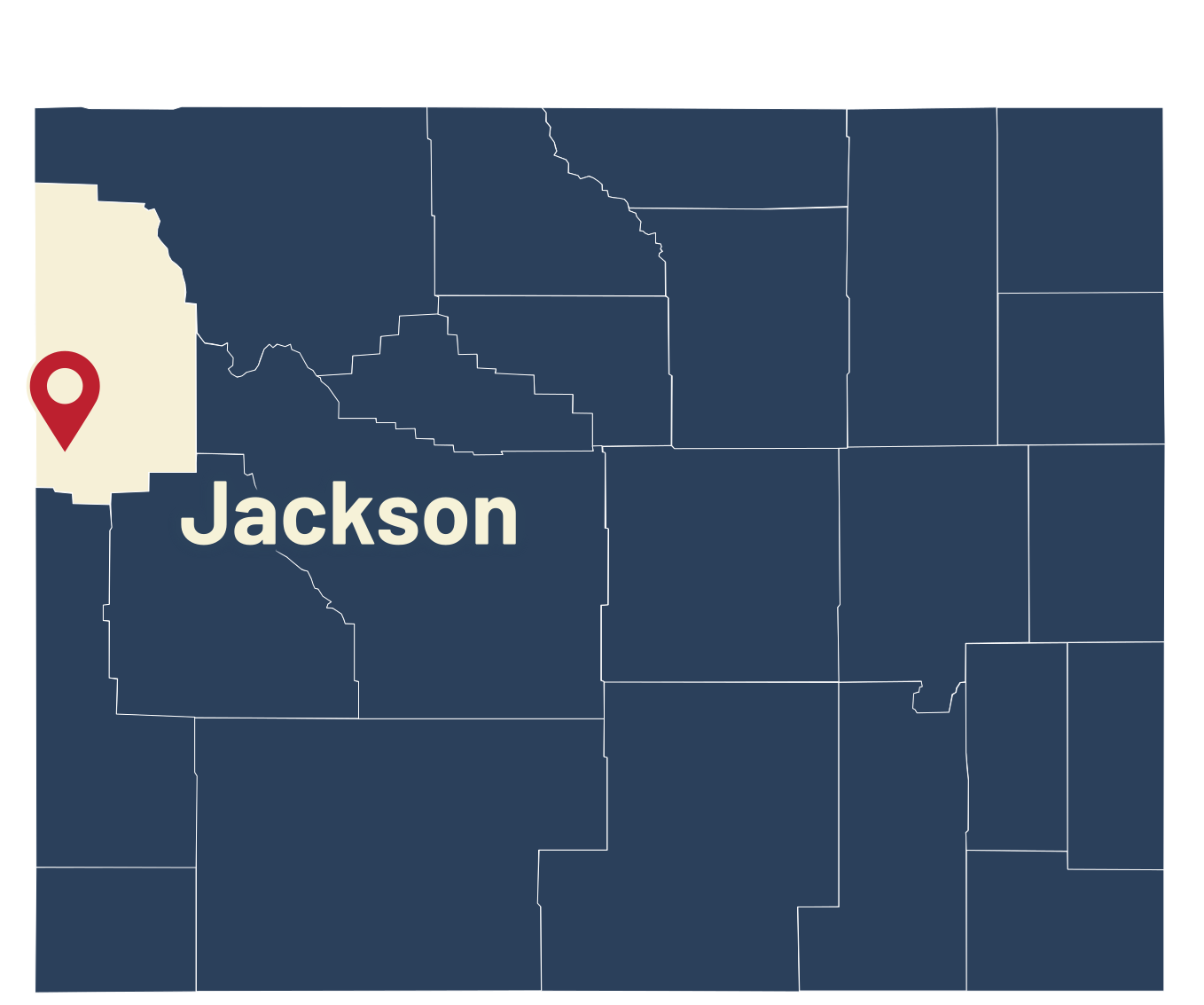
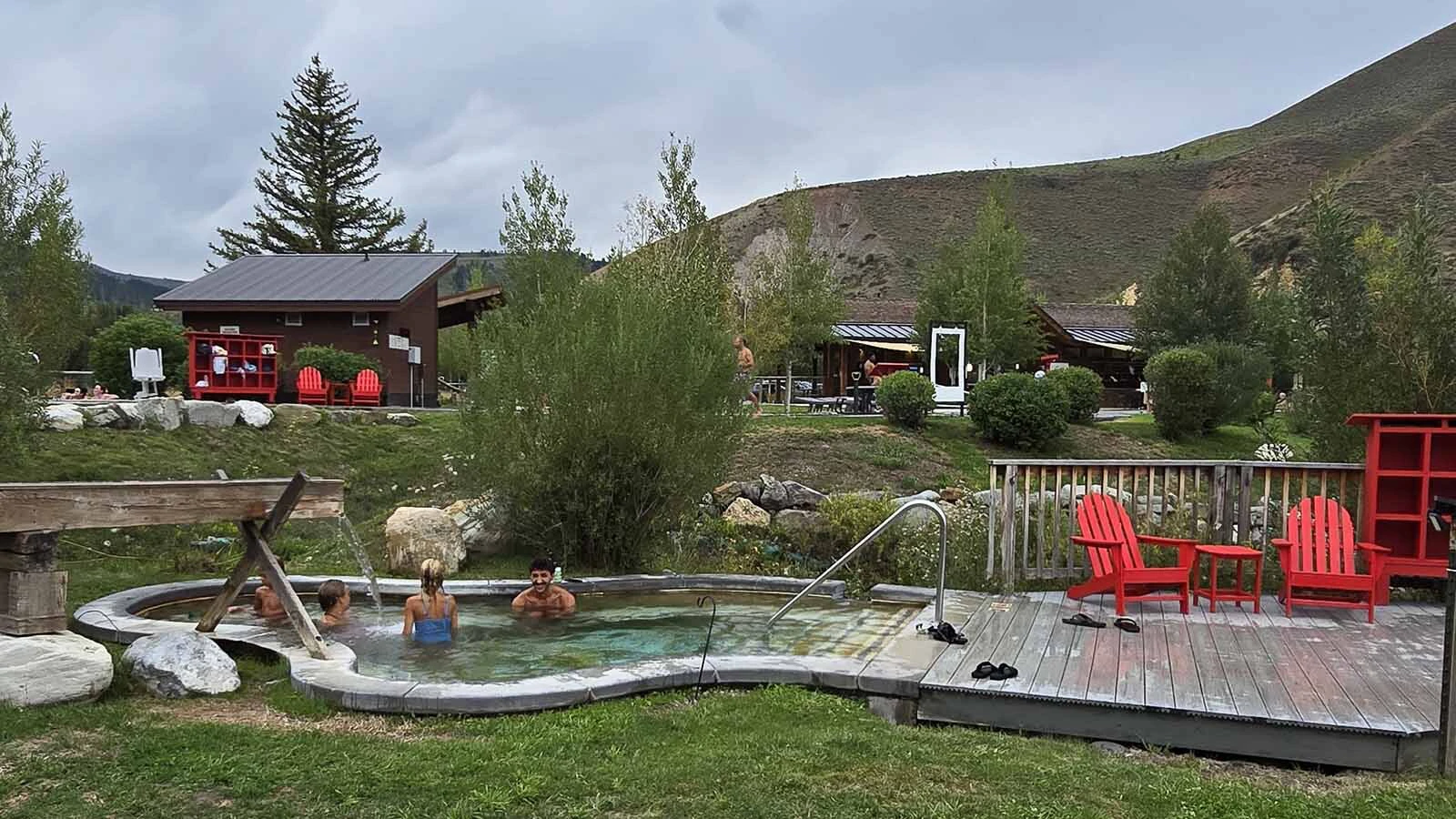
JACKSON HOLE — There are not many things to enjoy in pricey Jackson Hole for less than $30, but Astoria Hot Springs is one exception. It’s a world-class riverside soak surrounded by mountains — a multimillion-dollar view if it were a real estate listing.
But thanks to a nonprofit conservancy, adult visitors can enjoy the six mineral-rich soaking pools for just $26.25, and residents get a discount that drops the price under $20. Enrolled tribal members can show their identification card to soak free of charge, which pays homage to the area’s history as a longtime Indigenous gathering place.
Step out onto the decks of the soaking pool area, and the charms of this park will hit you all at once — milky turquoise waters, rising vapor trails, weathered river rocks, and dainty wildflowers that nod in the breeze against a backdrop of rushing water and towering mountain peaks that encircle the place like a fairy ring of rock.
It’s the ultimate rejuvenation for tired muscles after a day of Wyoming adventuring, whether you’re a tourist or a local. Visitors aren’t restricted to just one temperature either. Each of the pools has a different temperature, and there’s even a polar plunge for those interested in the “contrast therapy” approach to a soak.
For this reporter, hold the cold and bring on the heat, please.
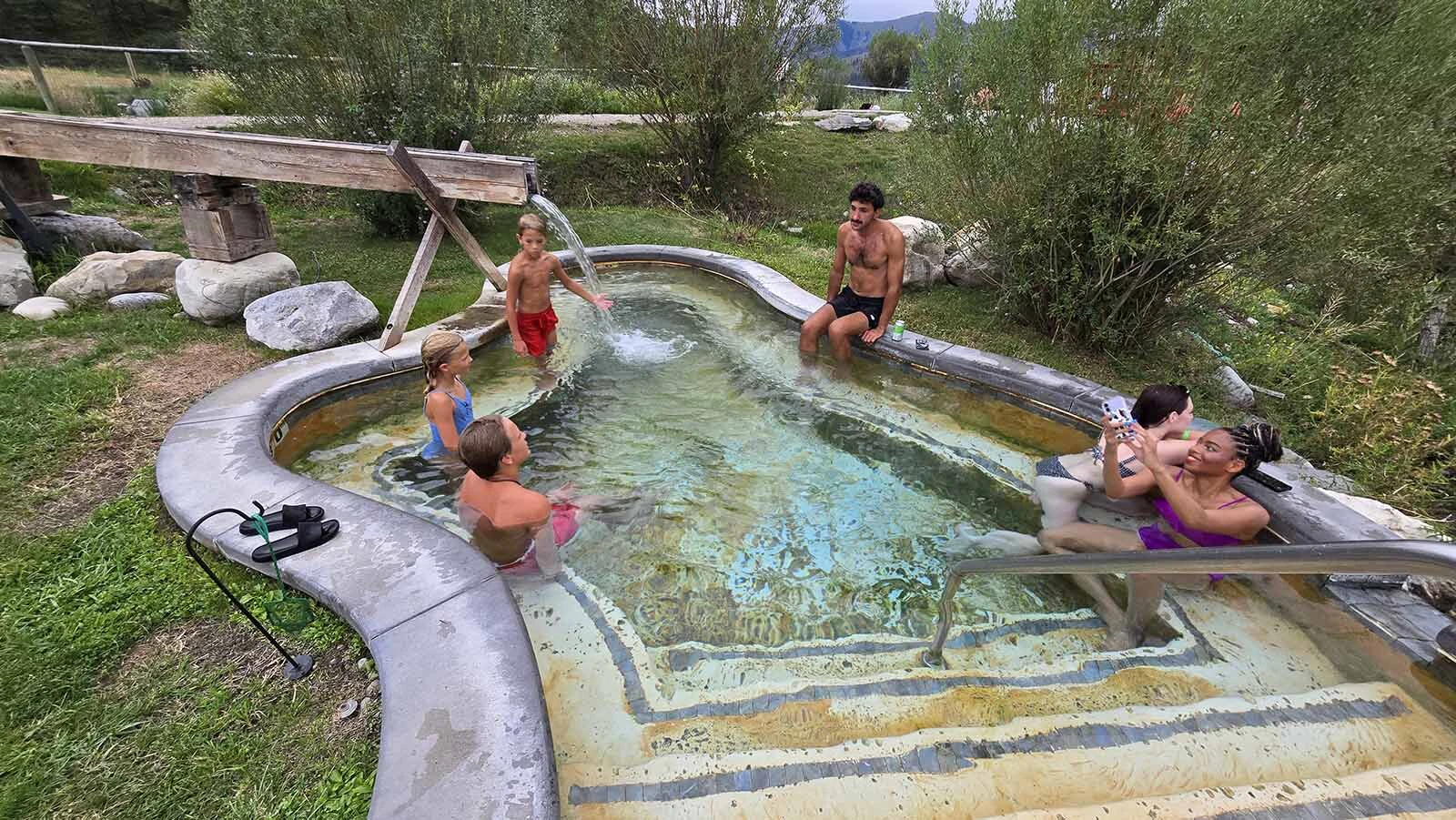
One of six hot springs pools for soaking at Astoria Hot Springs Park in Jackson Hole. (Renee Jean, Cowboy State Daily) 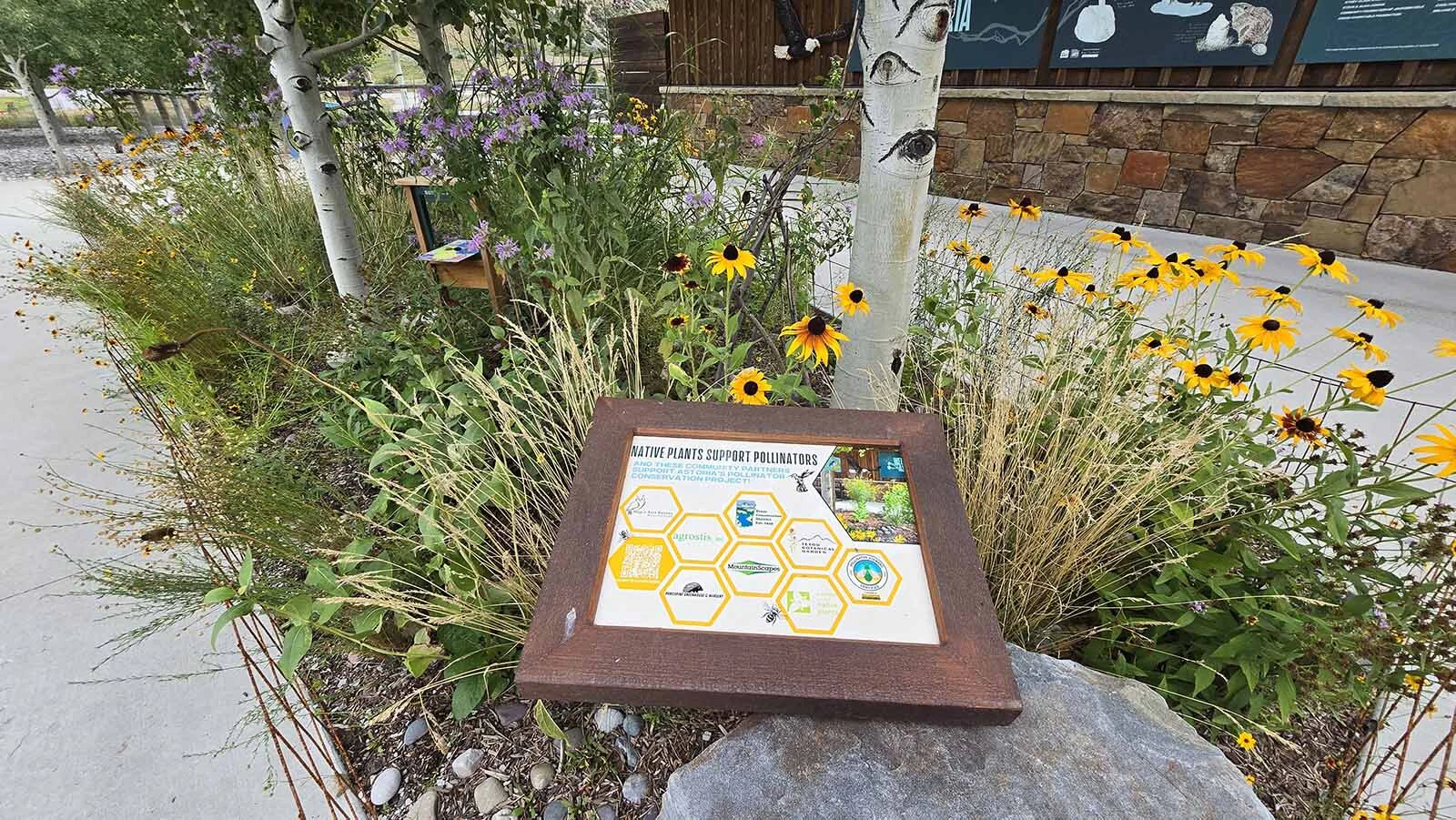
A pollinator garden is among educational displays that can already be viewed at Astoria Hot Springs Park. More such displays are in the works. (Renee Jean, Cowboy State Daily) 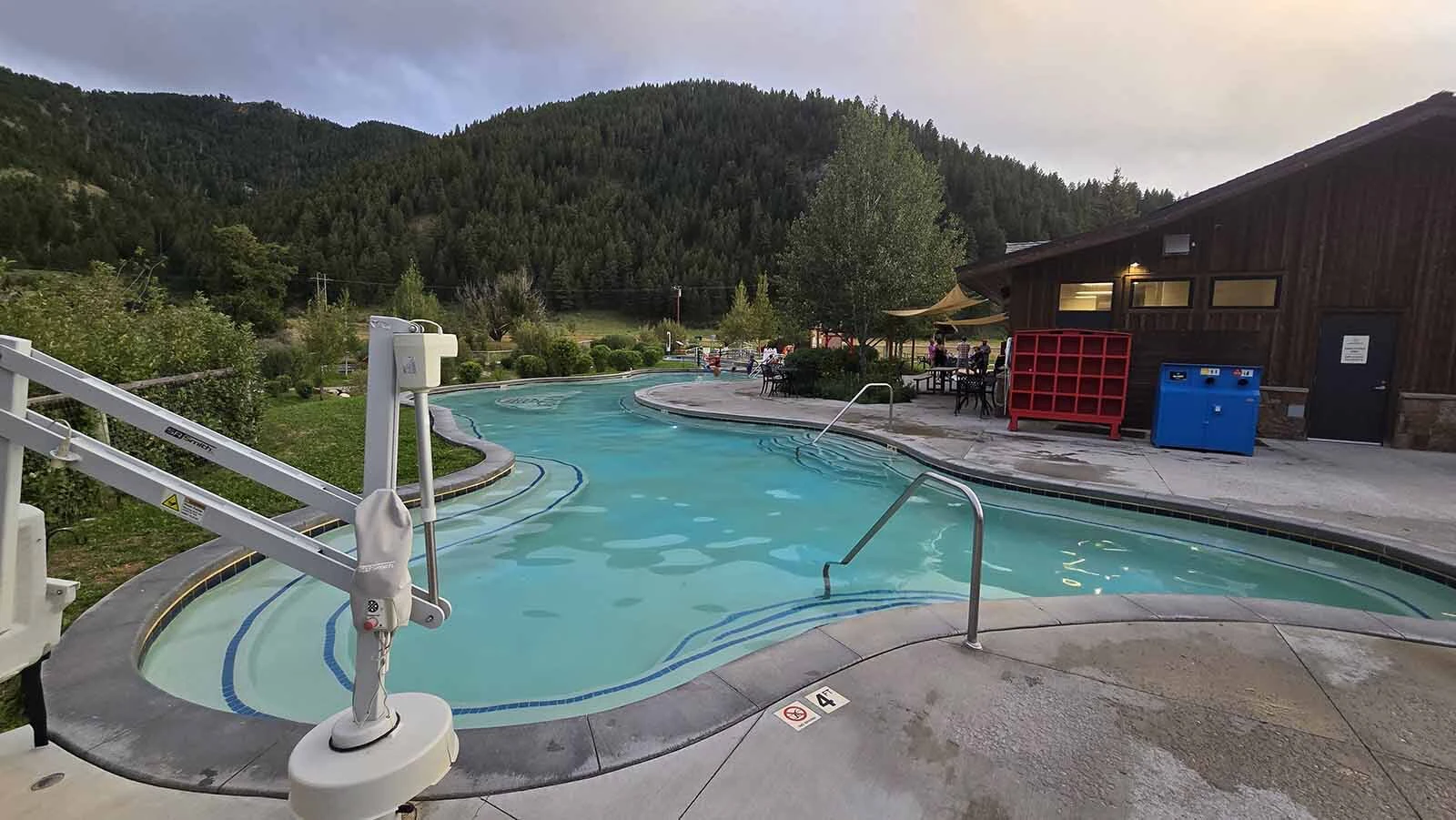
(Renee Jean, Cowboy State Daily) 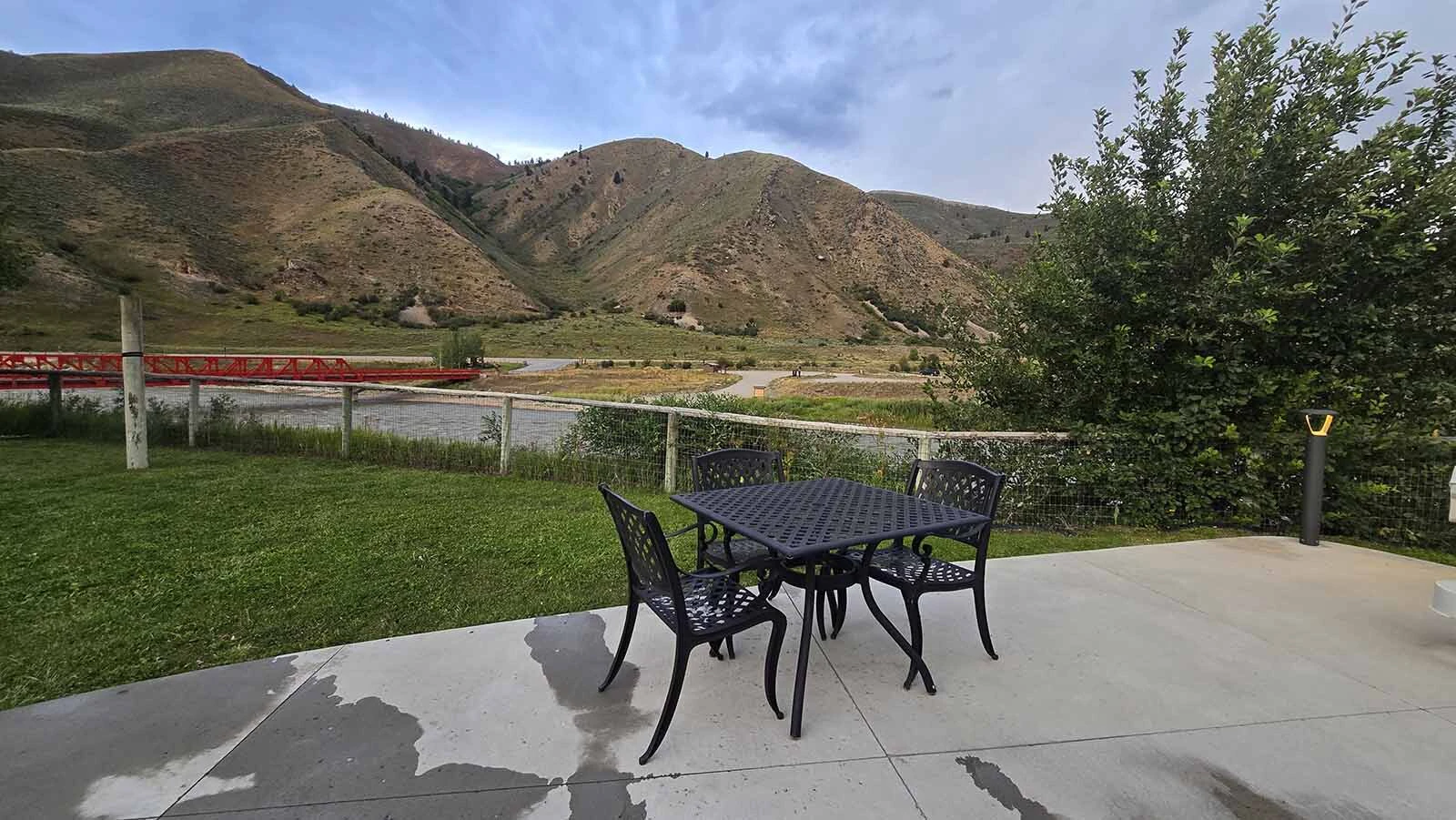
A picnic table at Astoria Hot Springs Park, which offers six hot spring mineral pools for soaking. (Renee Jean, Cowboy State Daily) 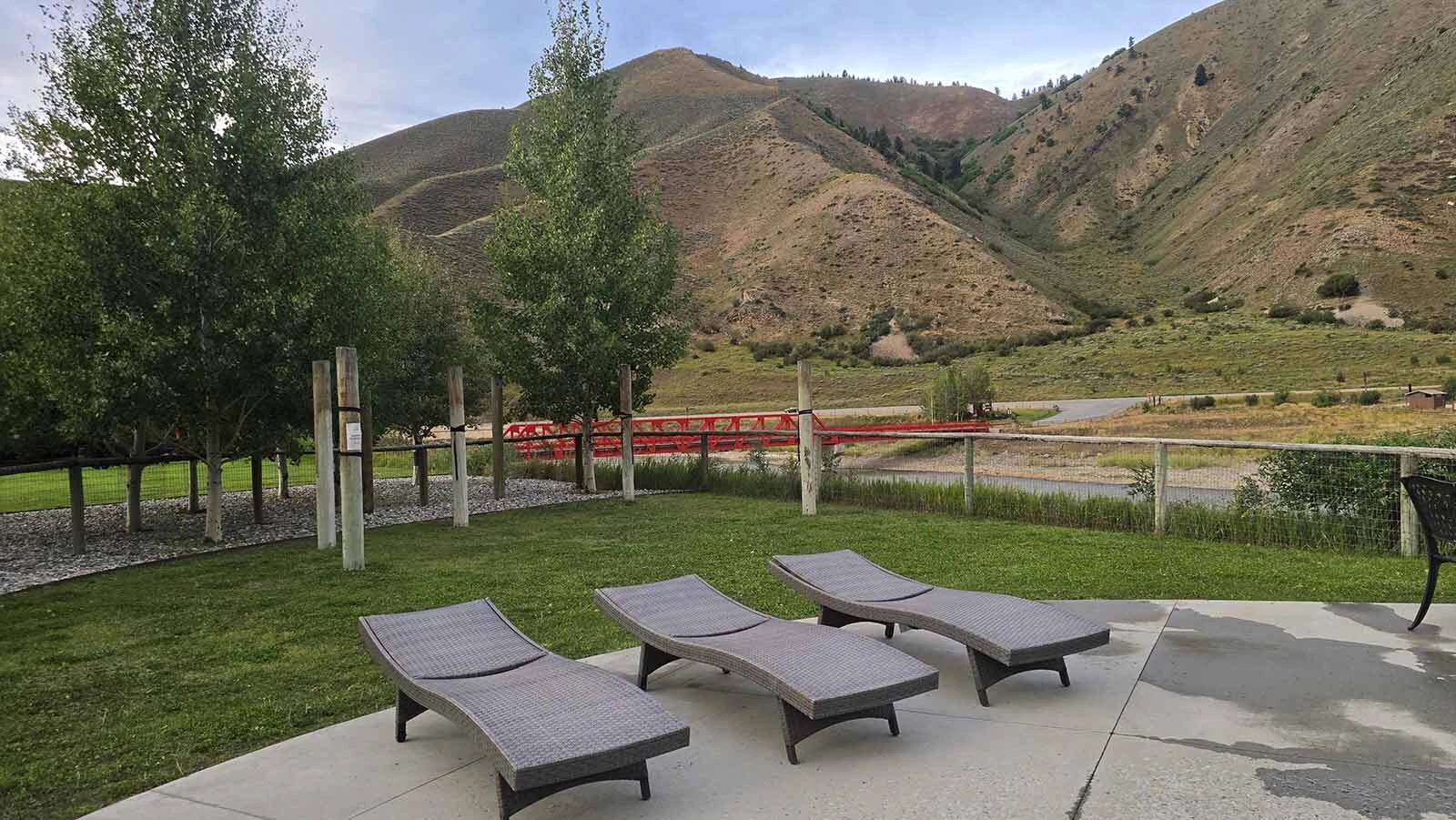
Sunbathing chaise lounges strategically positioned for the view at Astoria Hot Springs Park. (Renee Jean, Cowboy State Daily)
Focus On Community Wellness
Astoria is neither state park nor slick private resort. It’s run by Astoria Park Conservancy, a nonprofit described by Executive Director Quinn McColly as a “social enterprise” — a place where ticket revenue from the hot springs is used to support mental health and wellness in the valley.
“We are structured as a nonprofit,” he told Cowboy State Daily. “But we do have earned revenue that come by way of the hot springs and hot springs tickets, and we used that as a force for good, to provide equitable access to natural resources.”
The mission isn’t just brochure copy. Through its Access Fund, the nonprofit gave away $150,000 worth of free hot springs tickets and access to mental and behavioral health programs last year alone. Partner organizations can also quietly place complimentary passes into the hands of Jackson Hole residents who might not otherwise be able to swing a soak, no questions asked.
“We try to keep the prices at a place that is achievable for everybody,” Quinn said. “And through our access fund, we have pathways for folks to get tickets on a complimentary basis, to make sure no one is getting refused entry.”
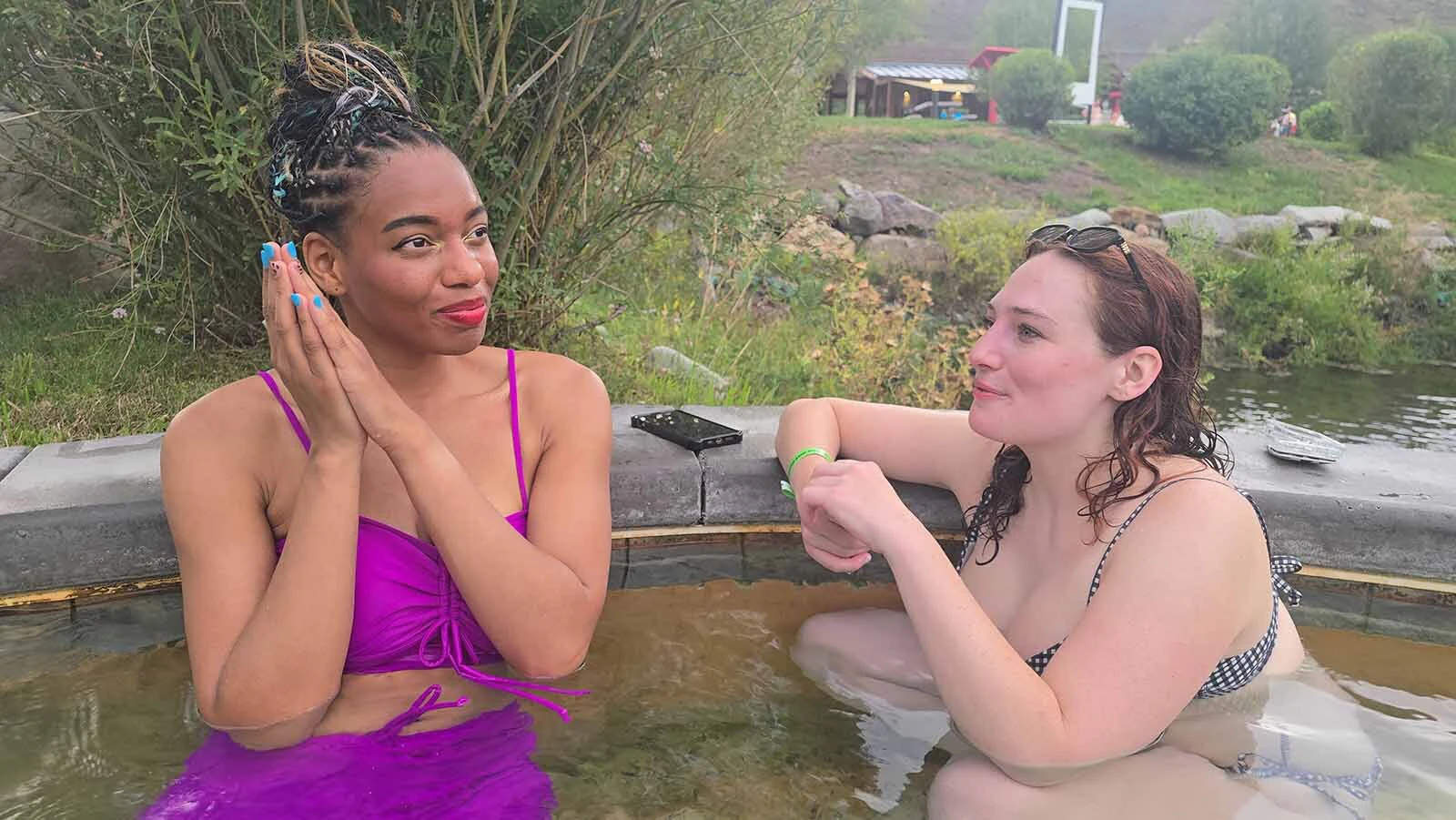
Iyonna Young and Sarah Kelly talk about their dream Jackson Hole vacation with Cowboy State Daily during a soak at Astoria Hot Springs Park. (Renee Jean, Cowboy State Daily) 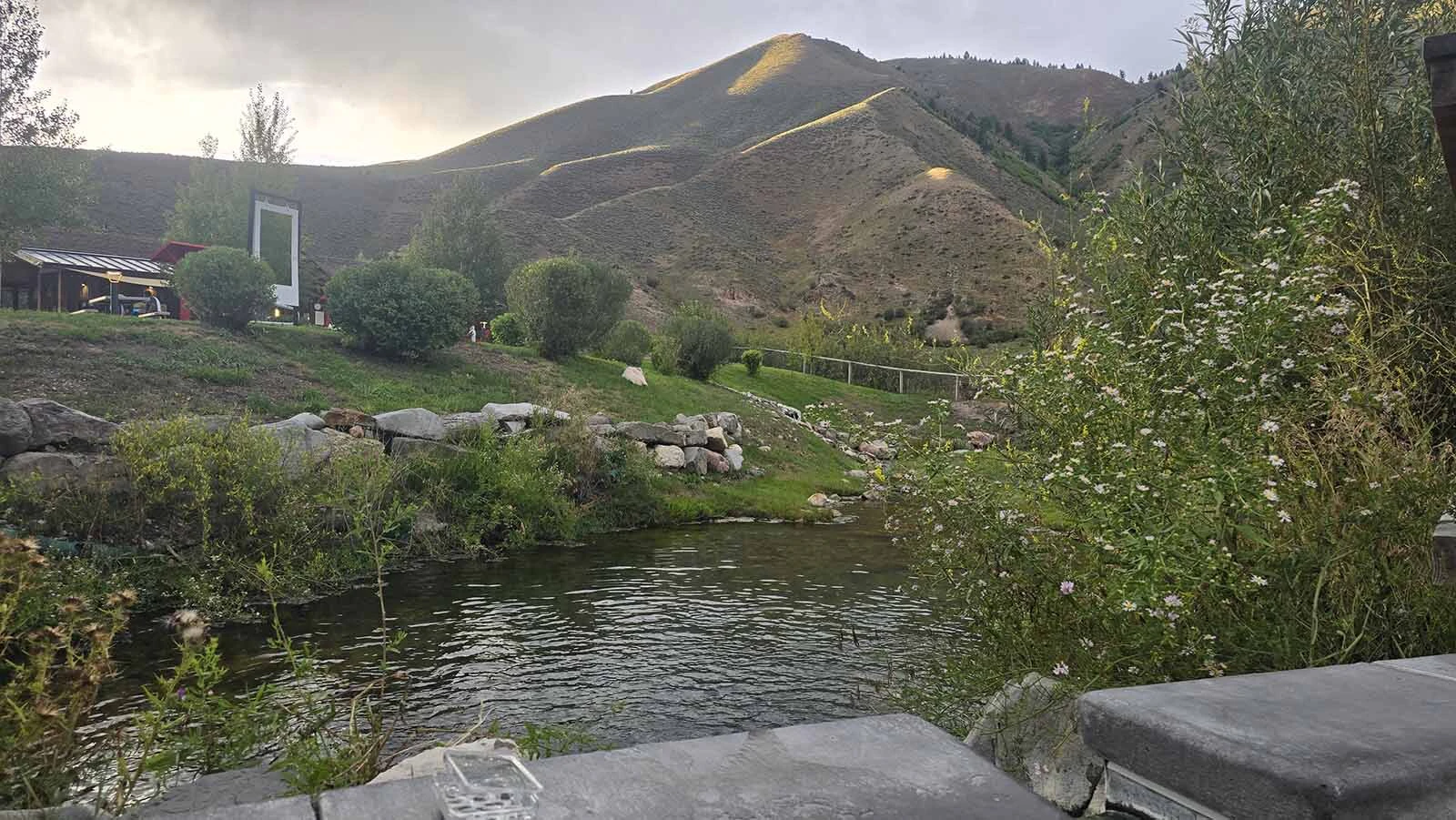
Sunlight paints the edges of the surrounding mountains with gold for just a few minutes as the sun begins to set on Astoria Hot Springs Park. (Renee Jean, Cowboy State Daily) 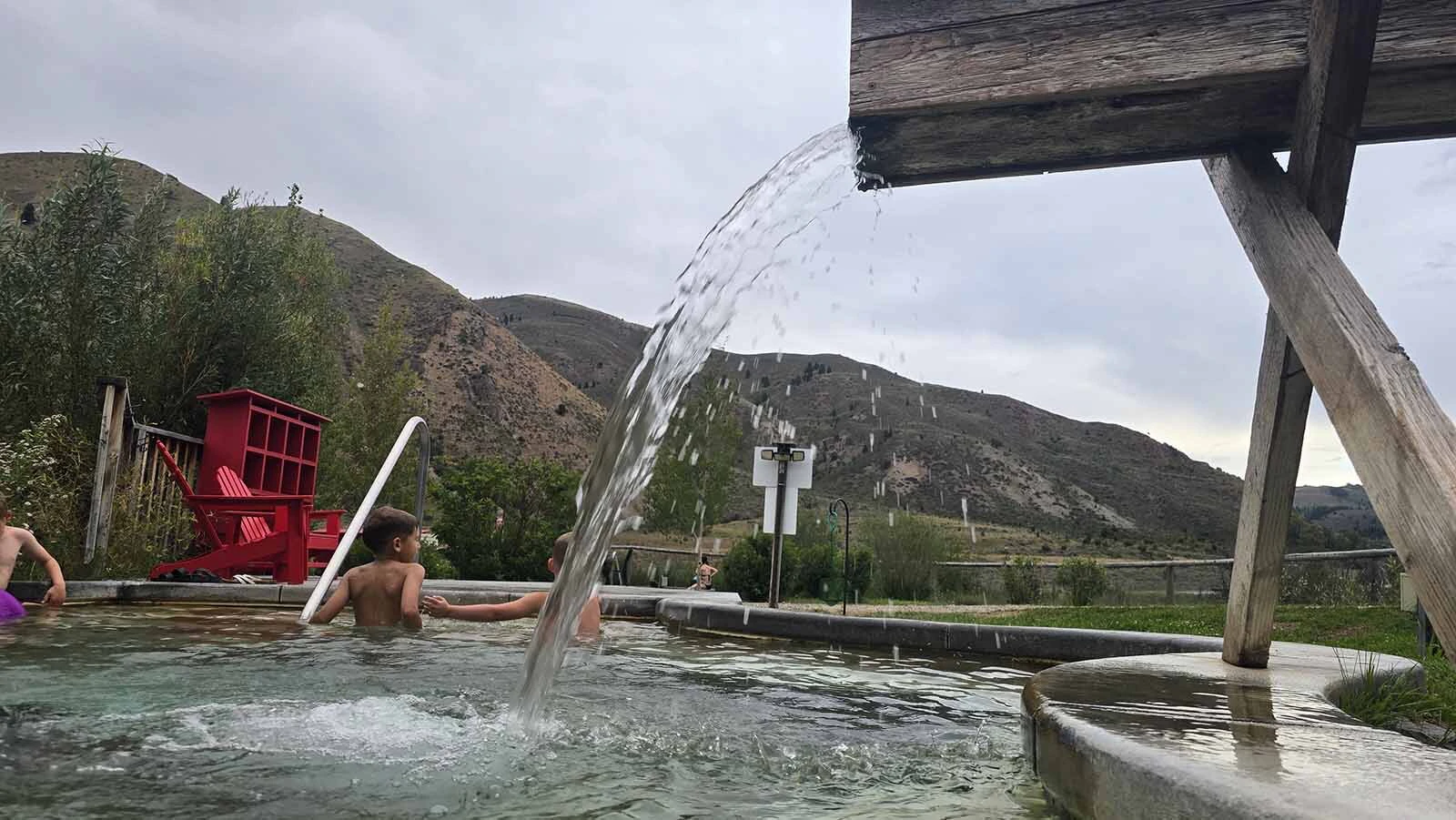
Hot mineral springs water pours into one of six hot springs pools for soaking at Astoria Hot Springs Park in Jackson Hole. (Renee Jean, Cowboy State Daily) 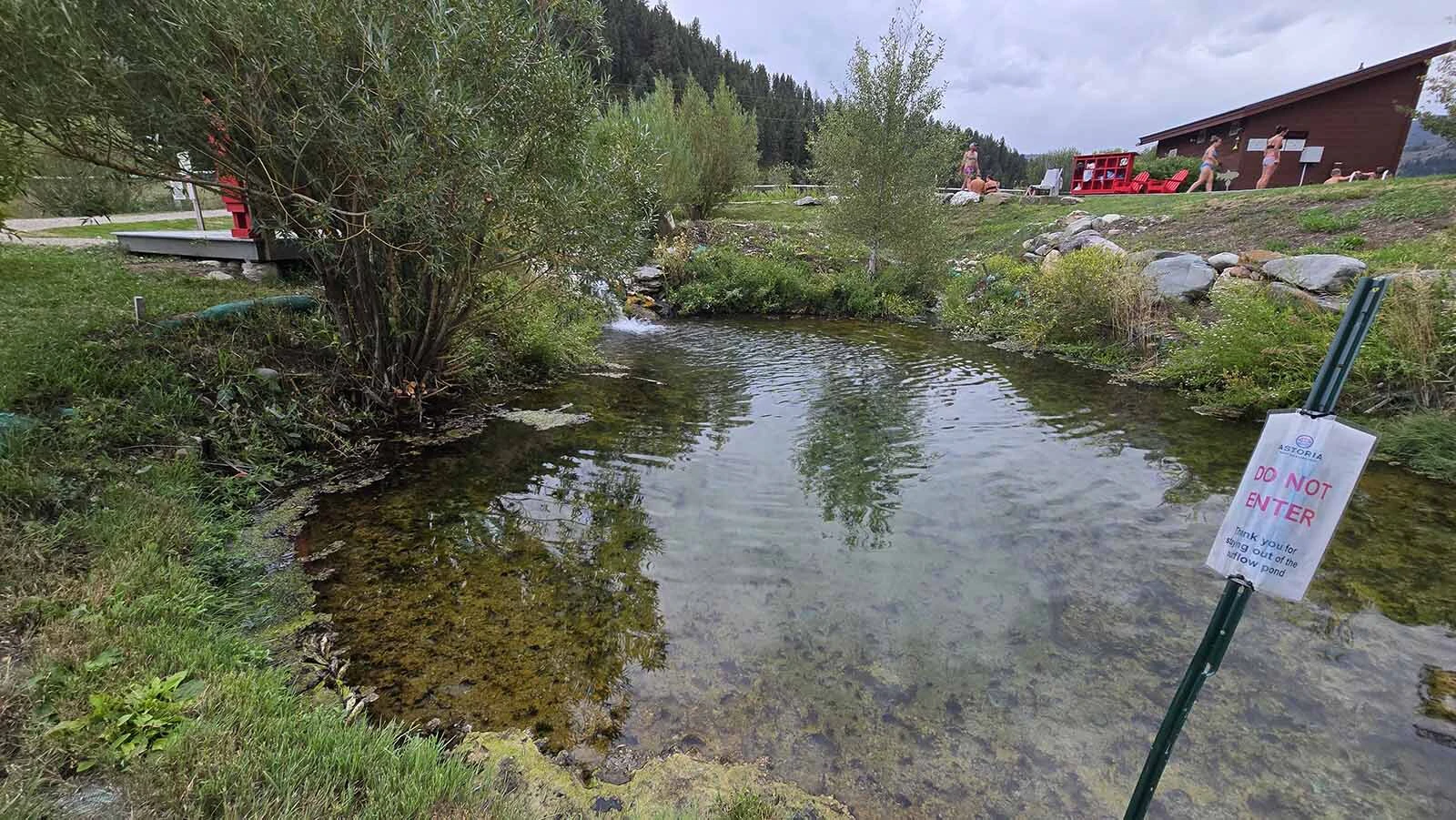
A mineral hot springs pool called the Willow Pond at Astoria Hot Spring Park in Jackson Hole. (Renee Jean, Cowboy State Daily) 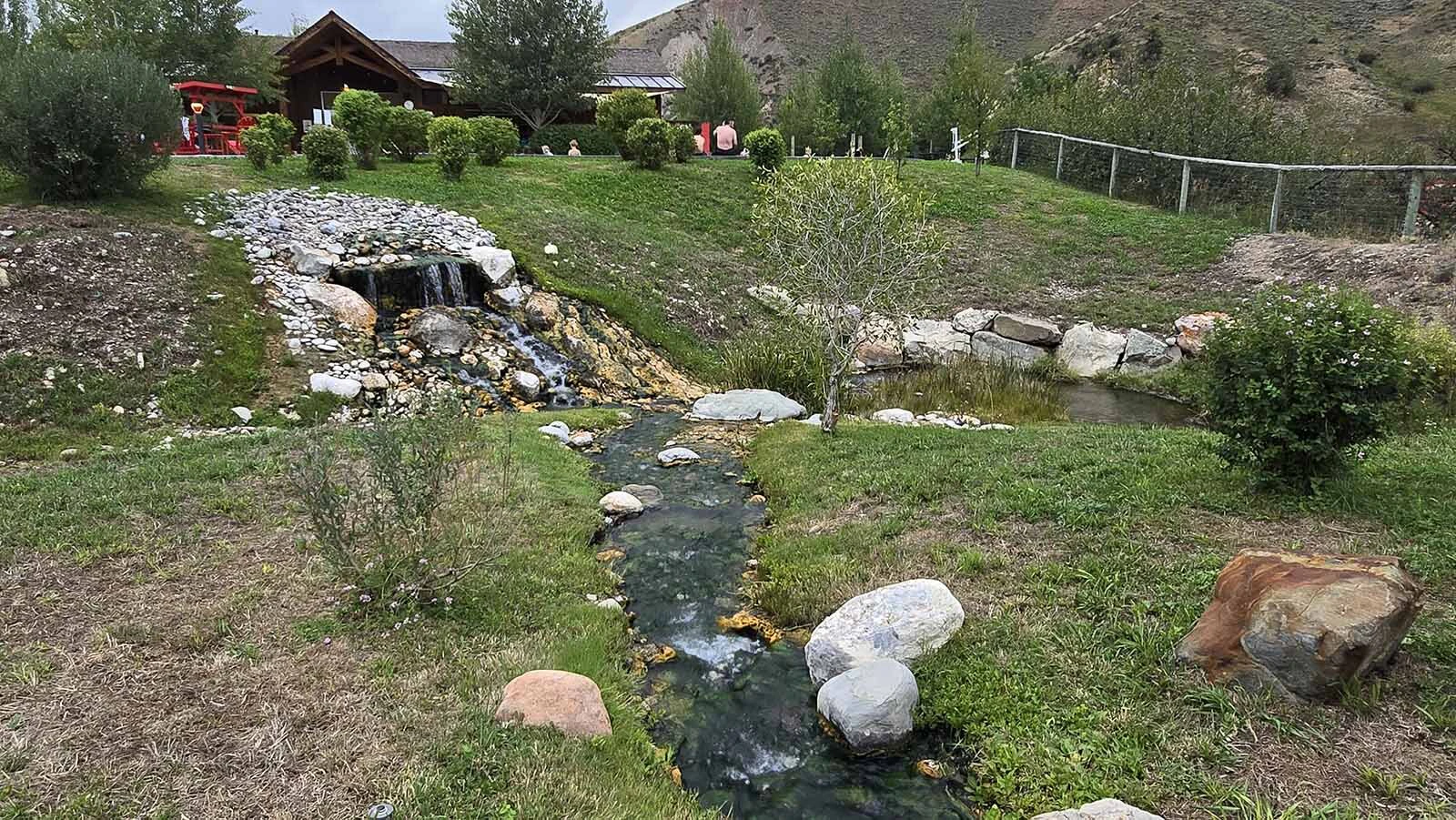
A hot spring mineral stream runs through the soaking pools at Astoria Hot Springs Park in Jackson Hole. (Renee Jean, Cowboy State Daily)
12,000 Years Of Gatherings
While Astoria has attracted people for thousands of years to soak in the therapeutic waters, the amenity in its present form is relatively young.
The park’s name pays homage to “The Astorians” — beaver trappers with John Jacob Astor’s American Fur Company who are supposed to have camped at the river confluence in 1811, an area early 1900s settlers knew as Counts hot spring.
Astoria, as it is today, officially reopened to the public in 2021, after the Trust for Public Land acquired the property and transferred it to the Astoria Park Conservancy.
Its story could have ended in a much different way.
For decades, this bend of the Snake River was home to a family-run hot springs and swimming pool complex. It was a favorite local hangout for generations of Jackson residents but went bankrupt in 1999 and was torn down. Its pools were filled in and smoothed over to make way for development.
Developers circled this prime acreage with various ideas — a private mansion, a golf course, a luxury hotel, an exclusive subdivision of high-end condominiums, and so on. It appeared destined to become one more piece of Teton County property forevermore unavailable to all but the wealthy.
But the development group sold part of the asset to another holding group, McColly told Cowboy State Daily.
“That’s when the idea for Astoria, as it currently stands, came to be,” he said.
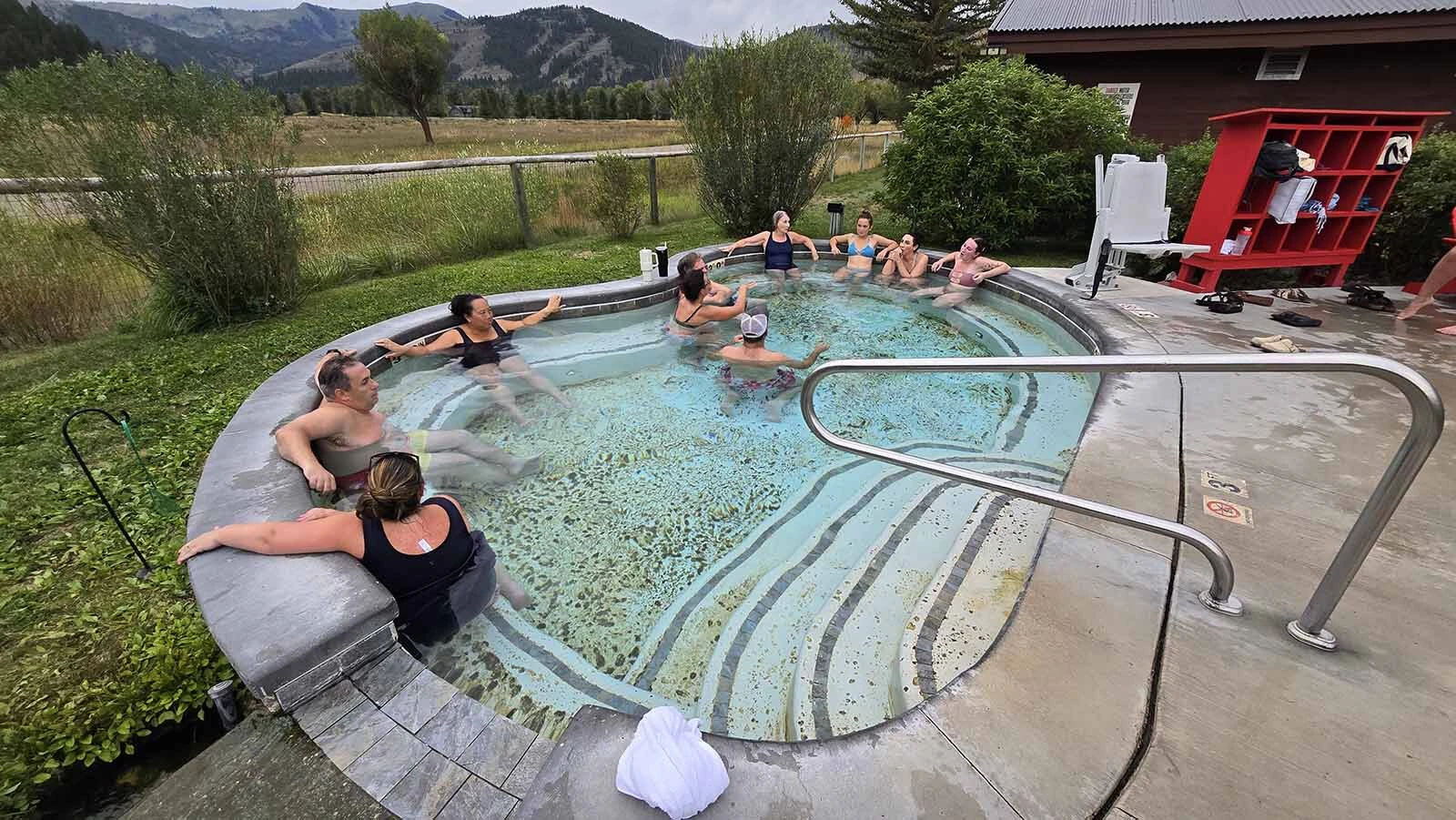
People gather in one of six soaking pools at Astoria Hot Springs Park in Jackson Hole. (Renee Jean, Cowboy State Daily) 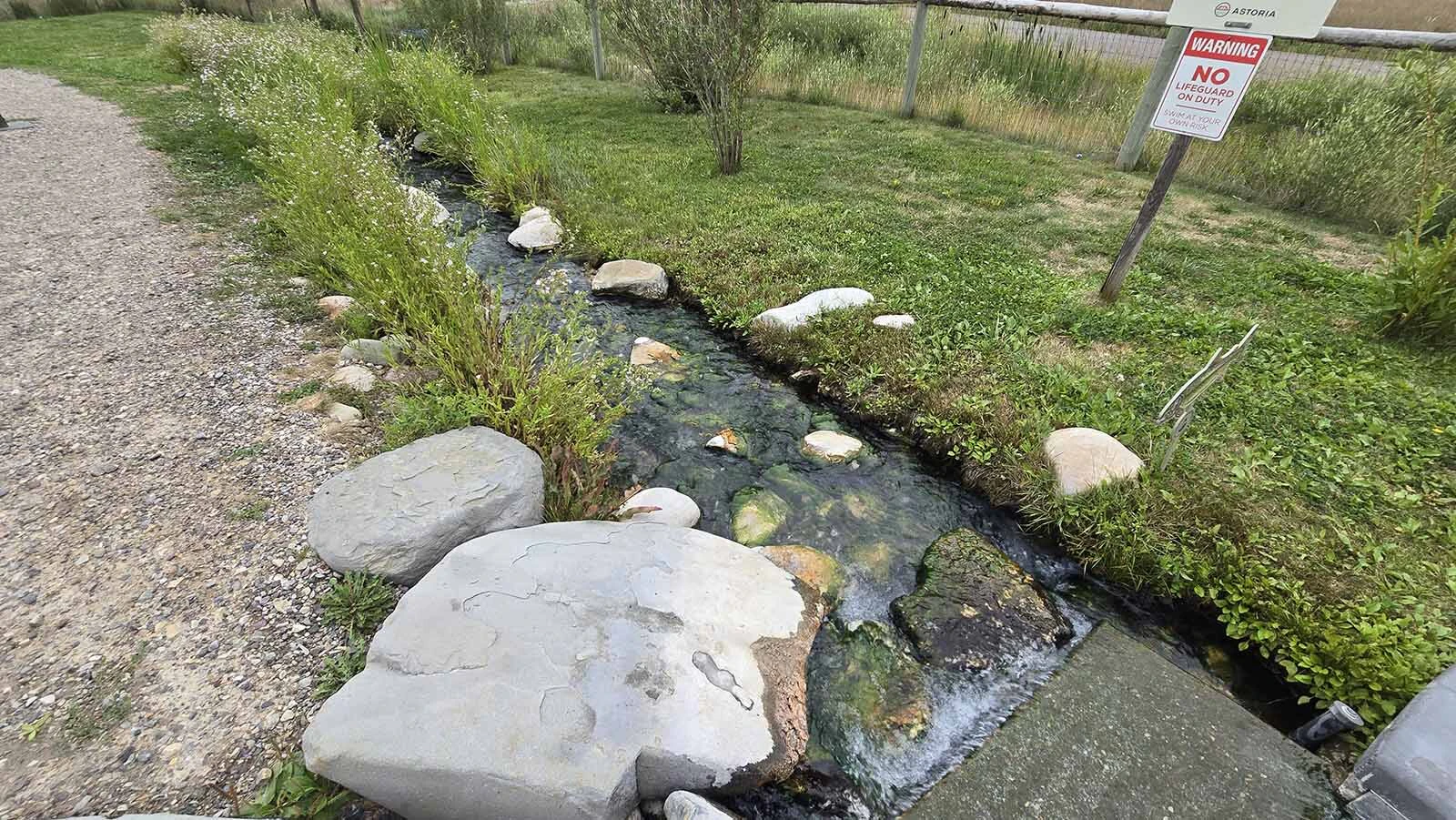
A hot spring stream runs through the soaking pools at Astoria Hot Spring Park. (Renee Jean, Cowboy State Daily) 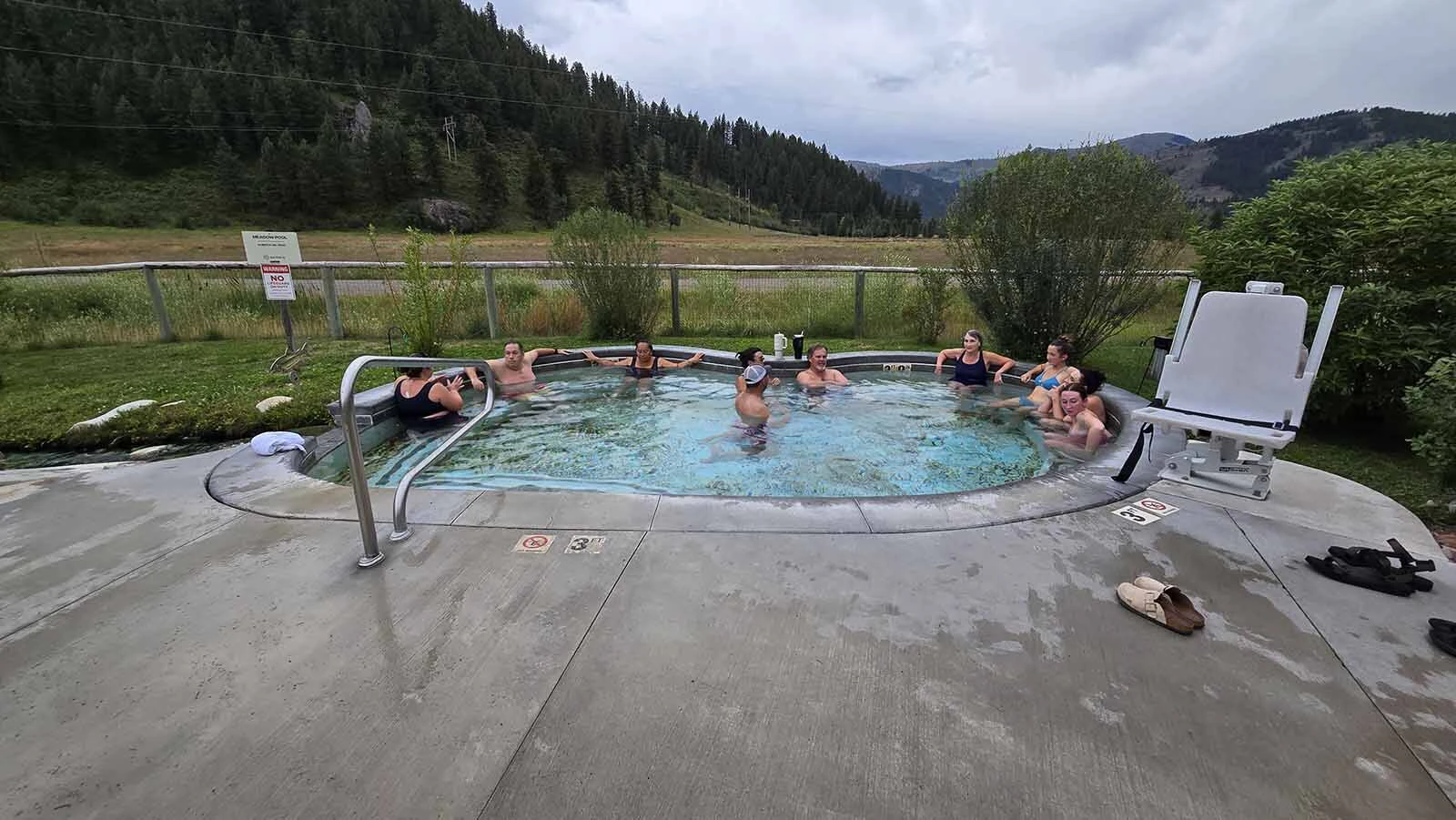
People gather in one of six hot spring pools at Astoria Hot Spring Park in Jackson Hole. The nonprofit venue focuses on community wellness. (Renee Jean, Cowboy State Daily) 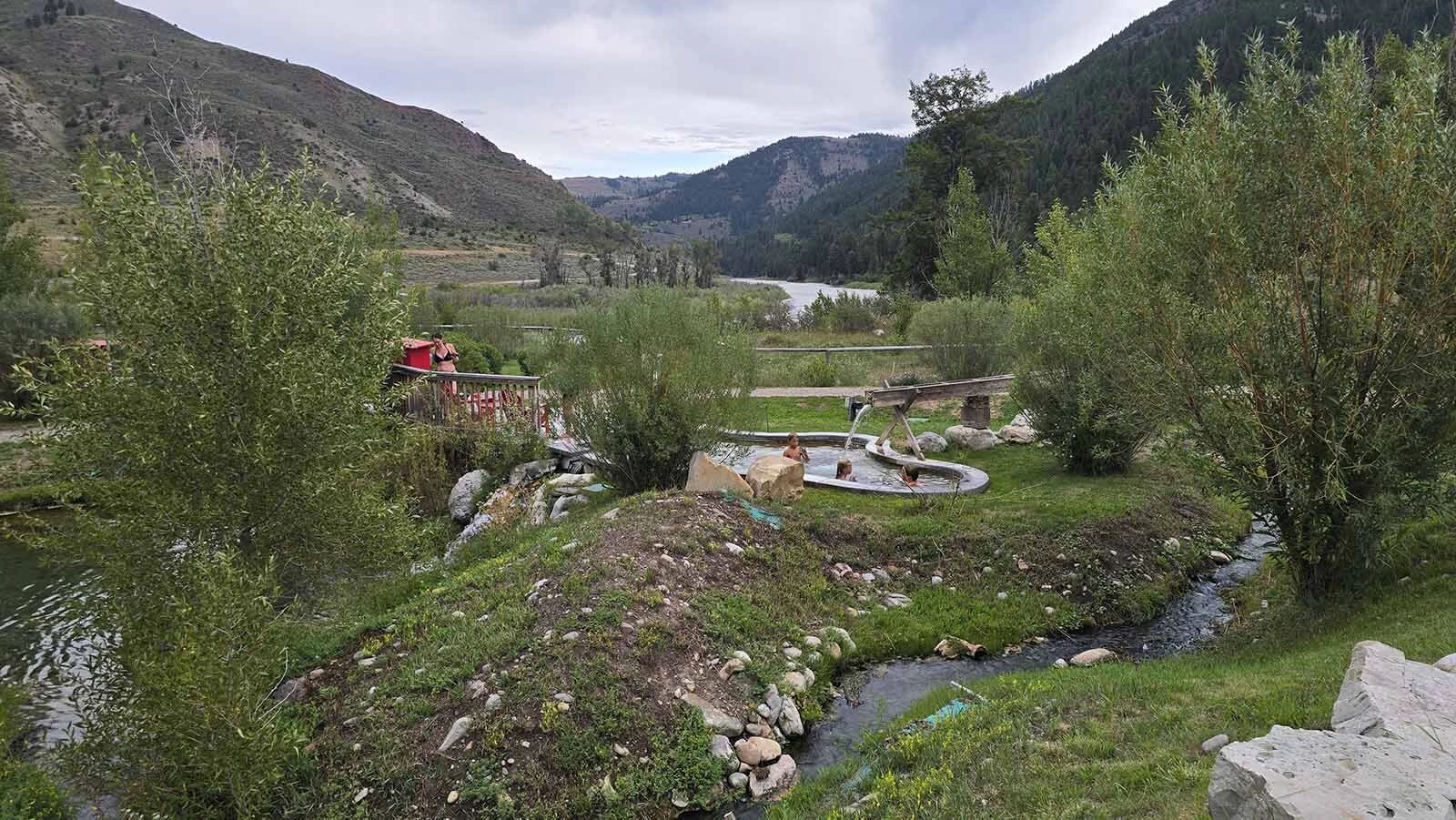
Astoria Hot Springs Park, which opened in 2021, offers six soaking pools, including a polar plunge in a setting that’s ringed by mountains — a multimillion view. Tickets to experience this park cost less than $30. (Renee Jean, Cowboy State Daily) 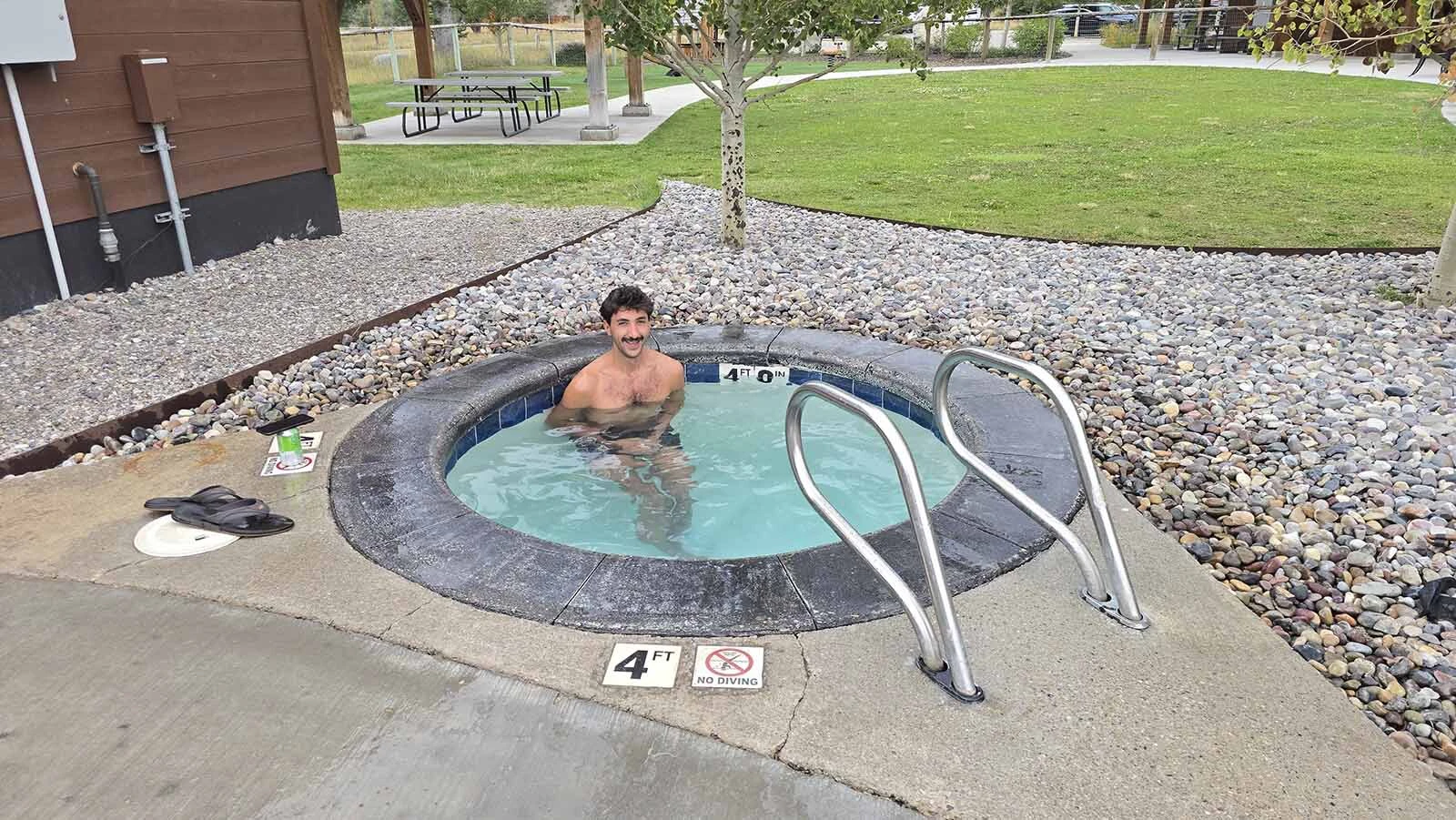
A brave soul tries the polar plunge at Astoria Hot Springs Park in Jackson Hole. (Renee Jean, Cowboy State Daily)
Let Me Show You The Real Astoria
One of Astoria’s board members, who also works with the Trust for Public Land, called the interim owners with a bold pitch.
“He told them, ‘I’m not sure you guys really know what you have. Why don’t you fly out here and let me show it to you?’” McColly said. “So, he showed it to them and explained to them that he really fundamentally believed this should be available to the public, and he convinced that group to sell the property to The Trust for Public Land.”
A $6 million capital campaign followed to redevelop the property, creating six different soaking pools on the 100-acre property, which are now operated under the Astoria Park Conservancy’s nonprofit umbrella. A roughly 20-year-old cabin offers space for yoga, sound baths, and other wellness programs.
“It’s been a very circuitous path to where things landed,” McColly said. “And so, we’ve got a couple of phases. Phase one was development of the hot springs, which has happened, and they are now open.”
High-Maintenance Pools
Visitors will immediately notice that the pools look much older than their 2020 opening date.
The culprit isn’t any neglect. It’s just that the mineral-rich, naturally hot water that soothes sore, tired muscles are particularly unkind to physical materials.
“The water, except in the kids’ pool and the cold plunge, comes straight out of the ground,” Quinn said. “That high mineral content is very hard on our infrastructure. It has a tendency to more quickly erode some of the materials traditionally used in pool construction.”
This fall, Astoria will temporarily close to resurface three of the pools with porcelain tile, hoping that in the long run they’ll just be fighting to keep grout in place rather than resurfacing entire pool shells.
For a nonprofit, this kind of capital project is no small thing.
“It’s not an inexpensive proposition to run a hot spring,” Quinn said.
Donations and long-term relationships with supporters are helping to bridge the gap between ticket revenue and the unromantic reality of things like corroded pool surfaces, wells, pumps, and pipes.
Big Plans For Future
The soaking pools take up just 7 of the 100-some acres of Snake River frontage in Astoria Park, and there are big plans for the rest of it, McColly said.
For that, Astoria is dreaming big about a “living laboratory” where school kids, visitors, and locals can learn more about wetlands, wildlife, and the hot springs microbiology.
The future park will include restored wetlands, nature trails, and a wildlife observation decks, as well as a playground and picnic areas. Crucially, these amenities are intended to become free resources for the community.
Construction depends on fundraising, with the second overall phase expected to cost around $10.2 million, with completed employee housing accounting for $2.8 million of that.
Camping won’t be one of the amenities allowed at the park, which is officially designated as a wildlife corridor. That is why the hot springs and future park will continue to have dawn-to-dusk hours, leaving space for the park’s other residents to move in after all the people have left.
“It’s not uncommon, if you’re soaking closer to evening hours, to see elk come down the side of the hill to visit the wetlands to forage,” Quinn said.
In a valley that’s become better known for its five-star resorts and celebrity hideouts, Astoria Hot Springs Park stands out as a gem of a different kind. Its six mineral-rich pools, multimillion-dollar views, and thousands of years of history are available to all to watch the steam rising off the water and the snow settling on the hills as elk move through the twilight.
The tickets to get in are just $26, but the Kodak moments will be priceless.
Renée Jean can be reached at renee@cowboystatedaily.com.


