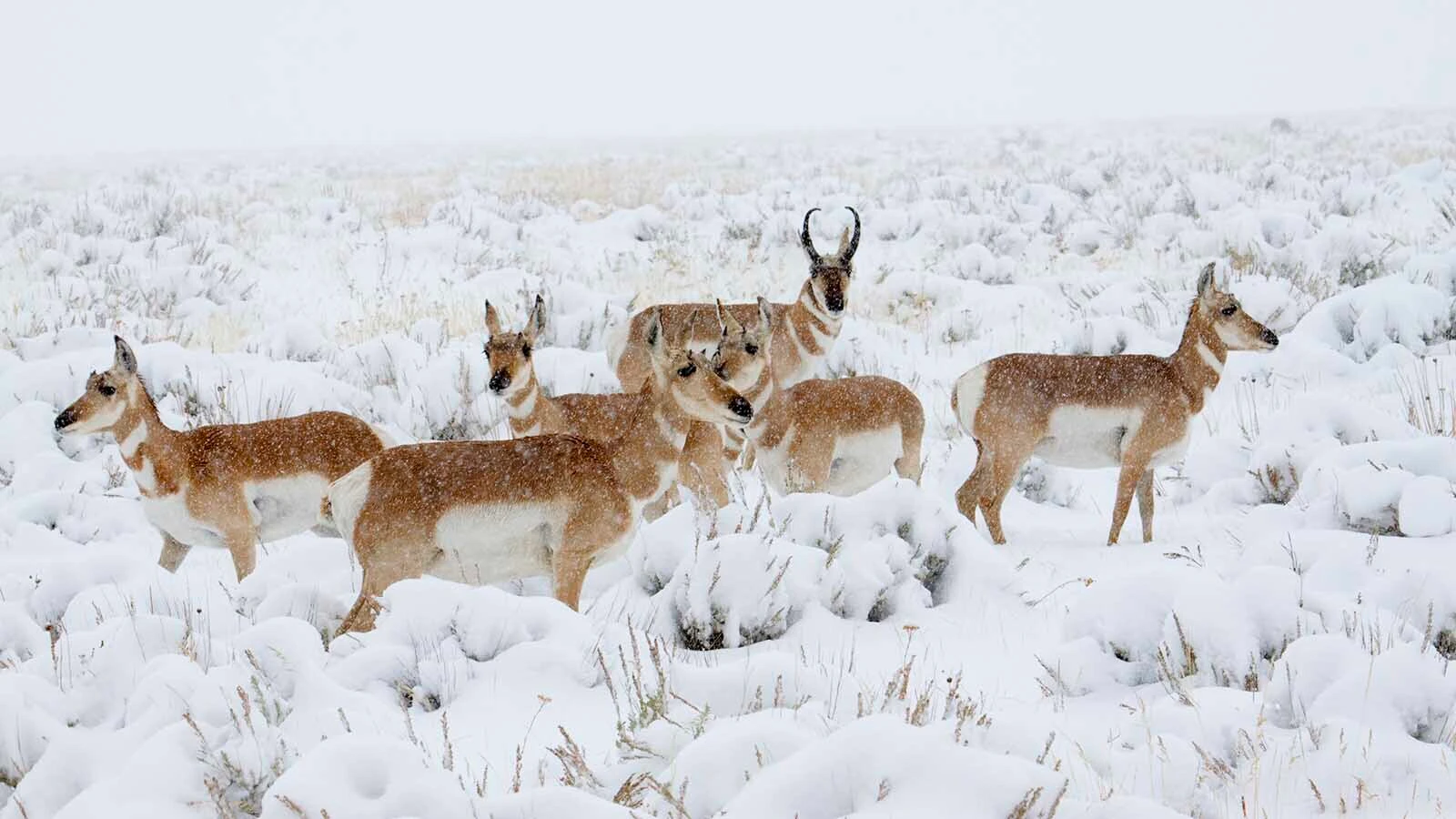
The co-founders of a new Wyoming wildlife conservation group trace their efforts to the harsh winter of 2022-2023, when untold thousands of deer, pronghorn and elk died.
Over the course of those brutal months, the prized Wyoming Range mule deer herd was practically wiped out.
Zach Key and Vance McGahey told Cowboy State Daily that watching the devastation of that winter unfold prompted them to do something.
“That winter, I had a bunch of elk stuck (stranded by deep snow) by my house for two or three weeks,” said McGahey, who lives near Kemmerer. "I didn’t feed my cattle, I fed to the elk. I kept those cow elk alive through that winter."
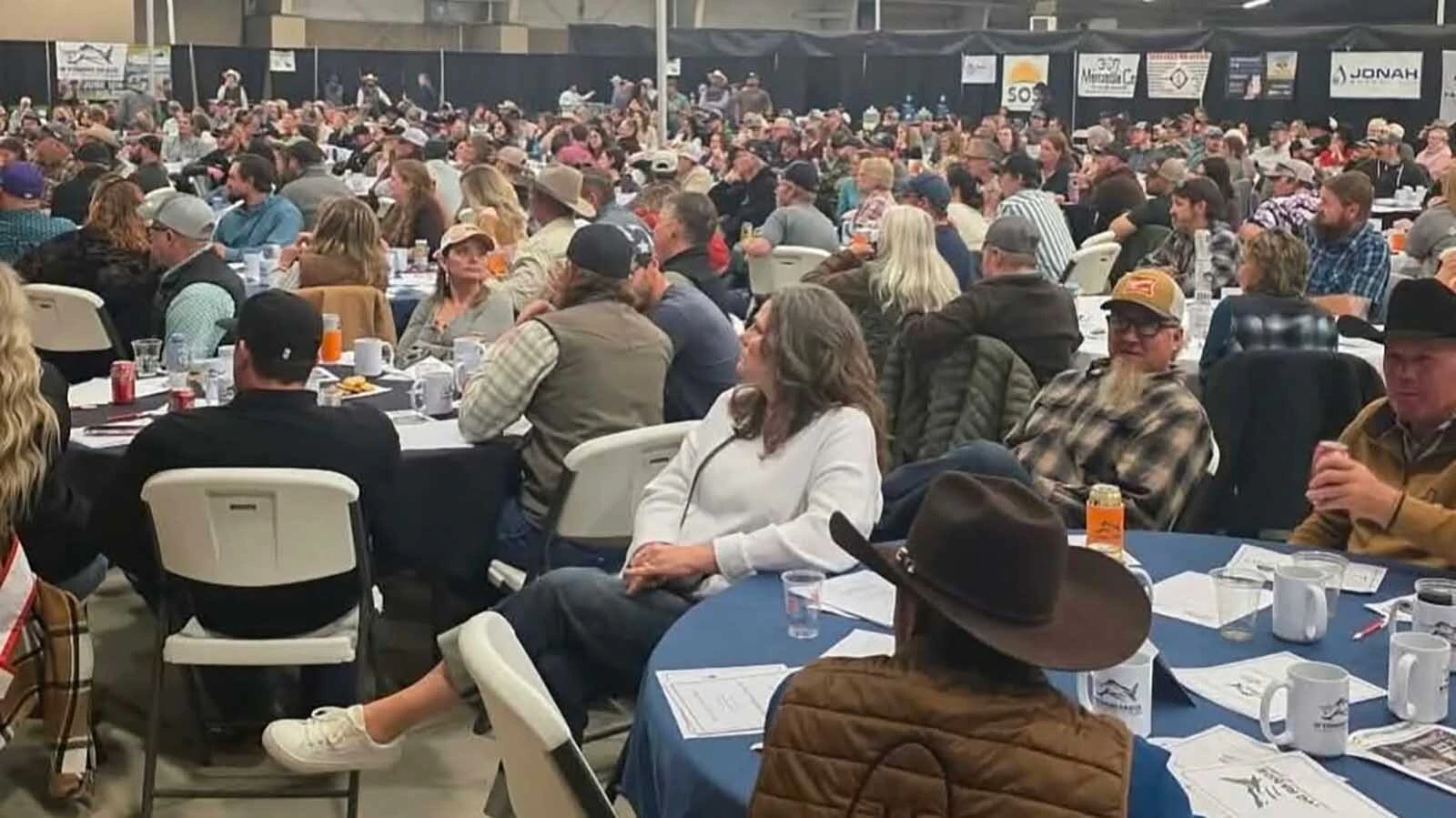
Key, who lives in LaBarge, said the group's first fundraising event last month at the Sublette County Fairgrounds in Big Piney and drew 496 people and raised about $250,000.
Officials of similar Wyoming groups said raising a quarter-million dollars right of the gate is also a strong indication that wildlife conservation increasingly is no longer a spectator sport for hunters and anglers.
Craig Benjamin, executive director of Wyoming Wildlife Federation (WWF), said the attendance and money raised by the Wyoming Range group is impressive and “kudos to them.”
Wyoming and the rest of the West seems to be entering an age where outdoors enthusiasts should expect to put in time, sweat equity or, at the very least, money toward securing the future of struggling mule deer herds and other game species.
Motivated By Winterkill
After the harsh winter of 2022-23, Key organized “Let a Deer Walk” the following summer.
It was a one-off effort in which hunters with deer tags were invited to hand their tags over as tickets for a prize drawing, rather than hunting deer.
Its success got him to thinking about something bigger, and more permanent.
“It really lit a fire in me,” he said.
From the get-go, the philosophy that he and the other founders embraced was “to put as much money on the ground as possible.”
That’s why the group’s Wyoming Hunting and Fishing Expo operates under a “90-10” principle.
It’s an all-volunteer organization. It’s charter states that there can’t be even a single paid employee for the life of the group.
So, 90% of the money raised will go directly toward conservation projects and the other 10% will go toward operating expenses, Key said.
The founders are also adamant that all of the money they raise stays in Wyoming helping Wyoming wildlife.
Key and McGahey both work in the energy industry.
Key said that while other conservation groups might target big donations from wealthy benefactors, theirs is aimed mostly toward blue-collar hunters and anglers.
“Those guys who are making maybe 125K a year, working their asses off,” he said.
Market Won’t Be Saturated
Some veterans in nonprofit wildlife conservation told Cowboy State Daily they aren’t worried about competition or the conservation market becoming saturated.
While there might inevitably some overlap between what various groups do, there’s also areas of specialty, Benjamin said.
For instance, WWF, which has some paid staff members, puts much of its effort into political lobbying. That includes having a strong presence during sessions of the Wyoming Legislature stumping for wildlife-friendly bills.
“Conservation takes people working on all the things,” Benjamin said. "It takes people working on habitat improvement, and people working on civic engagement."
Holly Tate is a founding member of the Gillette-based Wyoming Sportsman’s Group, which has been active for 11 years.
It operates on the same 90/10, all-volunteer model was the Wyoming Range organization.
That group's first banquet was small, but now its yearly events typically draw 1,200 people, she said.
As for how to avoid burnout after so many years of volunteering, Tate said the key is that she and the others truly believe in what they are doing.
“We believe in our cause. We love to see, every year, more and more people coming to the banquet. New people coming to the banquet,” she said.
She said that she isn’t concerned for Wyoming Range Hunting and Fishing Expo and the Wyoming Sportsman’s Group having to compete for participants or projects to back.
The needs of Wyoming’s wildlife or so great, there’s no end in sight for the demand on conservation organizations, Tate said.
“There’s just so much to do,” she said.
Benjamin agreed, saying “the more the merrier” in terms of conservation organizations.
“It’s hard to see a situation where the market will be saturated,” he said.
Hunters And Anglers, Pony Up
All of the conservationists agreed that hunters and anglers should expect to be involved.
The costs of gear and licenses probably won’t be the end of their yearly expenditures. They’ll probably have to also figure in cost of banquet tickets, raffle tickets or direct donations to the conservation organization of their choice.
That’s because the needs of wildlife are outpacing the ability of state agencies to meet them, they said.
Hunters who might not have much money to spare should consider putting sweat equity into the game, he said.
For example, removing old, abandoned fences that block wildlife migration routes is vital to the future of big game hunting, and hunters shouldn’t wait around for somebody else to do it for them, he said.
“We’ll show up to do a project, and it’s the same five or six dudes every time,” Key said. "Everybody wants things fixed, but nobody wants to do the work."
Mark Heinz can be reached at mark@cowboystatedaily.com.