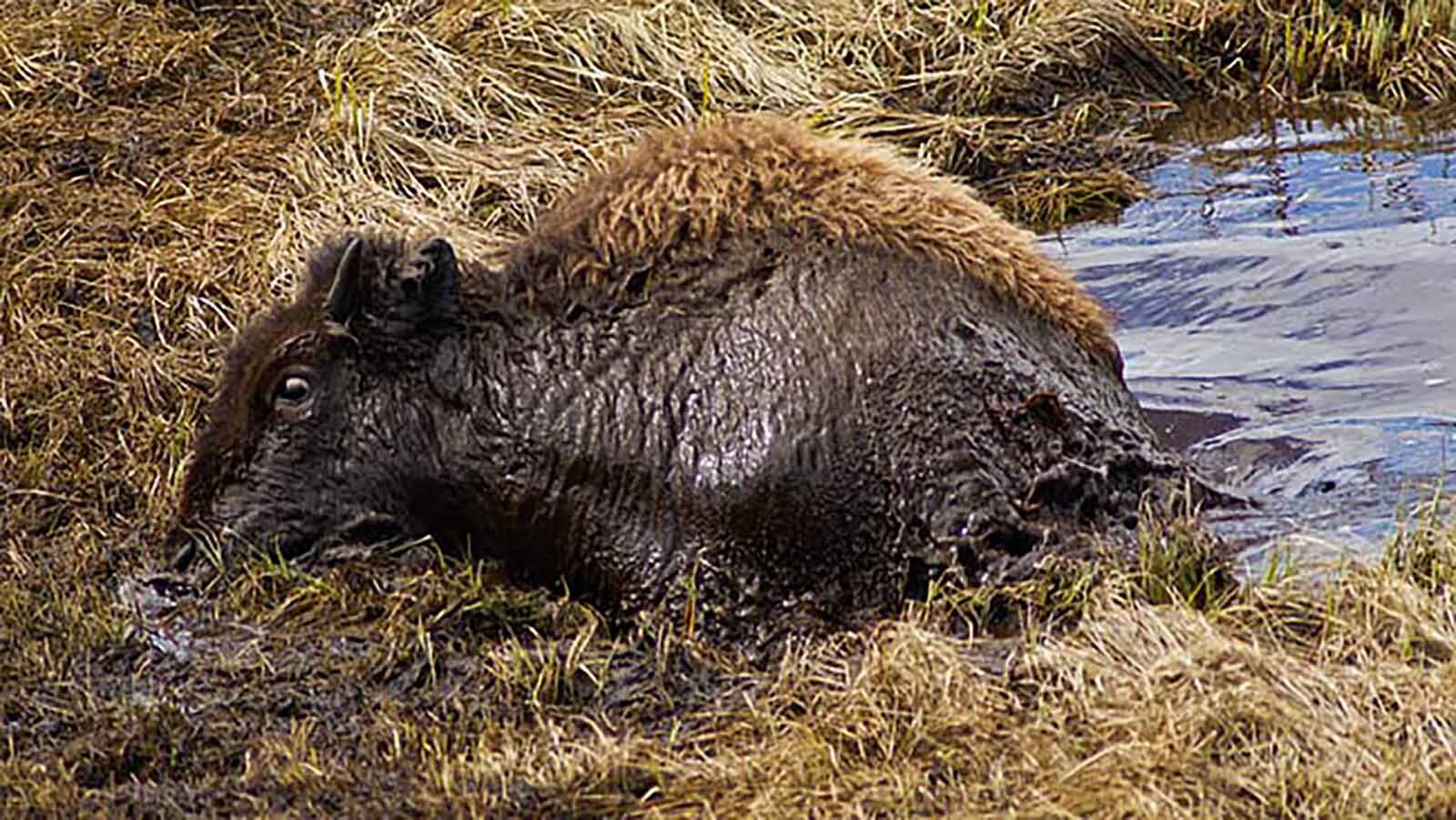
The Blacktail Pond area in Yellowstone National Park is a notorious death trap for bison, but once in a while one gets lucky and survives a plunge into the muck there.
Wildlife enthusiast and photographer Pete Bengeyfield has visited Blacktail Pond every year for about 12 years. During that time, he’s seen only two bison escape the muddy death traps there.
He got photos of a cow bison’s epic struggle during a recent spring migration of the herd through the area.
“She tried to jump a little neck of water right at the edge of a pond, and she fell in backward,” he told Cowboy State Daily.
‘Like Nothing Happened’
He was sure the cow was a goner, like many he’d seen before.
But she managed to right herself and then churn her way through the mud and water until she gained a hoofhold on the bank.
Then, with a final burst of strength, she pulled herself out.
Though the bison had just nearly died, nature apparently doesn’t afford animals any leeway to ponder such things, Bengeyfield noted.
“She just shook herself off and walked over and rejoined the herd like nothing happened,” he said.
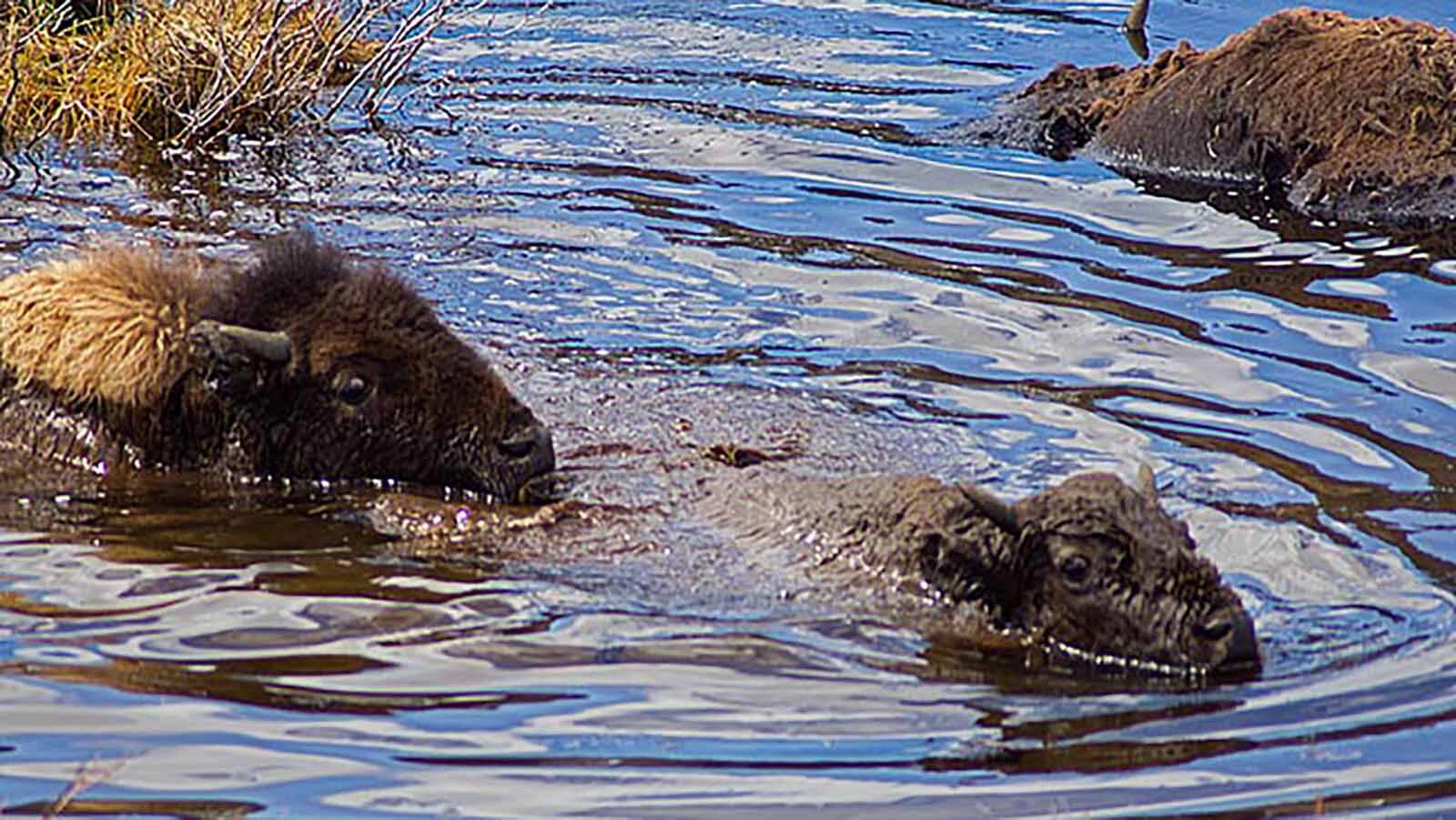
Bison must be cautious when passing through the Blacktail Pond area in Yellowstone National Park. Many animals get stuck in the muck and drown there. (Courtesy Pete Bengeyfield) 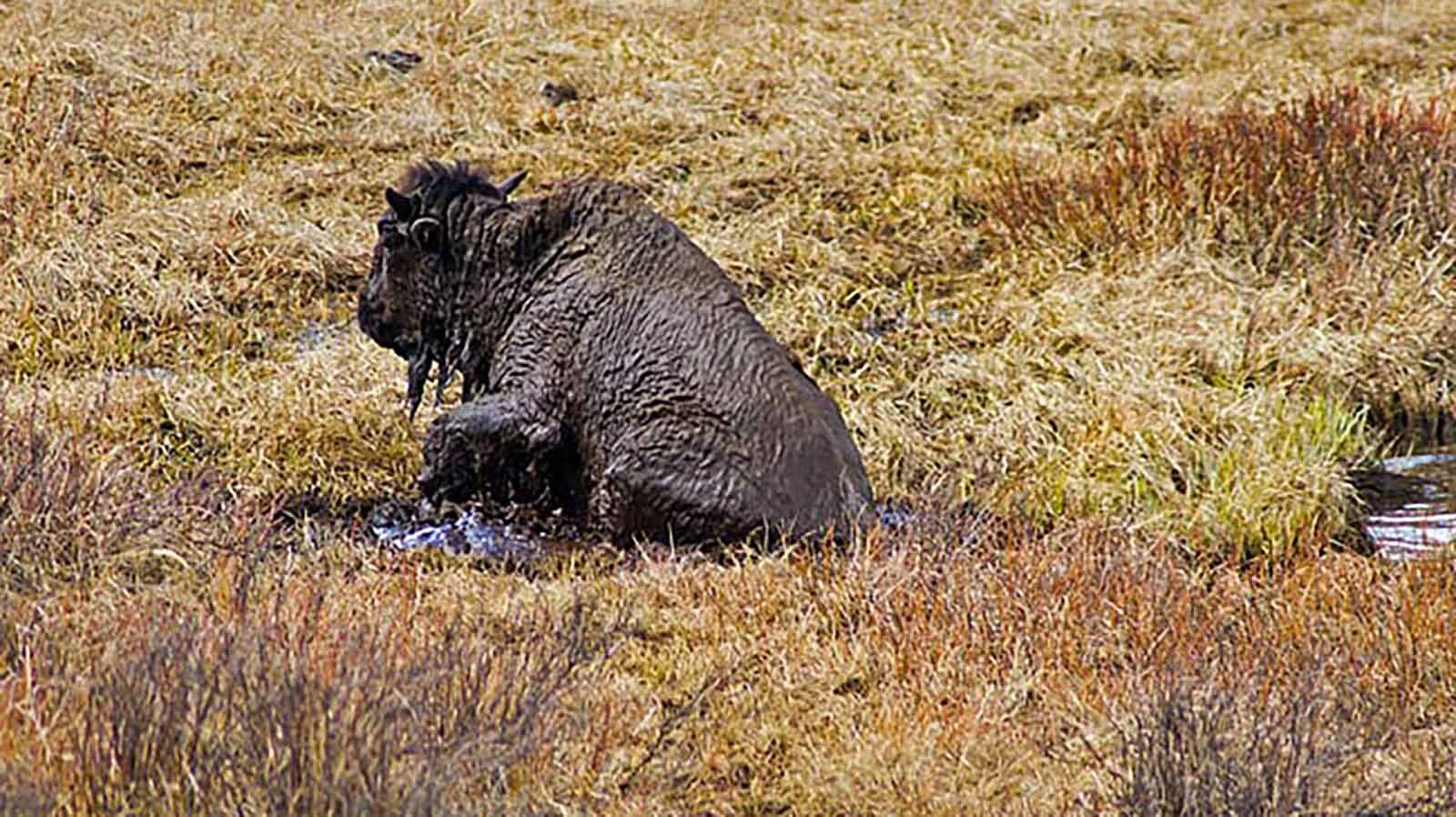
A Bison cow managed to pull herself free of the water in muck in Yellowstone National Park’s Blacktail Pond. The area is notorious for bison drownings. (Courtesy Pete Bengeyfield) 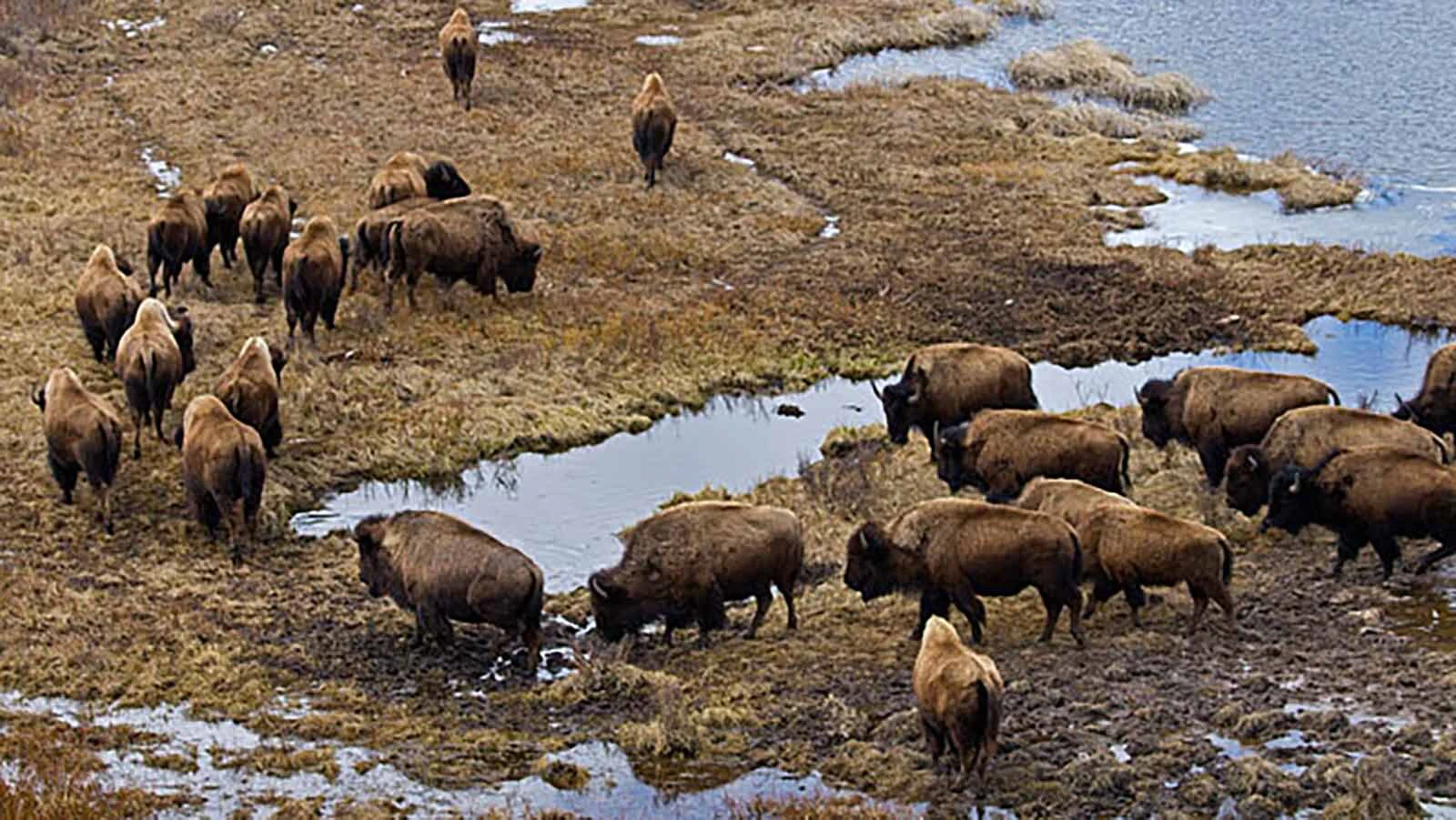
Bison must be cautious when passing through the Blacktail Pond area in Yellowstone National Park. Many animals get stuck in the muck and drown there. (Courtesy Pete Bengeyfield)
Narrow Passage
Bison don’t pass through the Blacktail Pond area because they’re stupid or have a death wish, a biologist said. Instead, the topography funnels them into the boggy stretch.
It lies along what is essentially a bison highway during migrations each spring and fall as herds move to and from the high-altitude summer range, said George Wuerthner, who has worked in the Greater Yellowstone Ecosystem for decades and is president of the Montana Wild Bison Coalition.
“They have certain travel corridors that they utilize over and over again,” he told Cowboy State Daily.
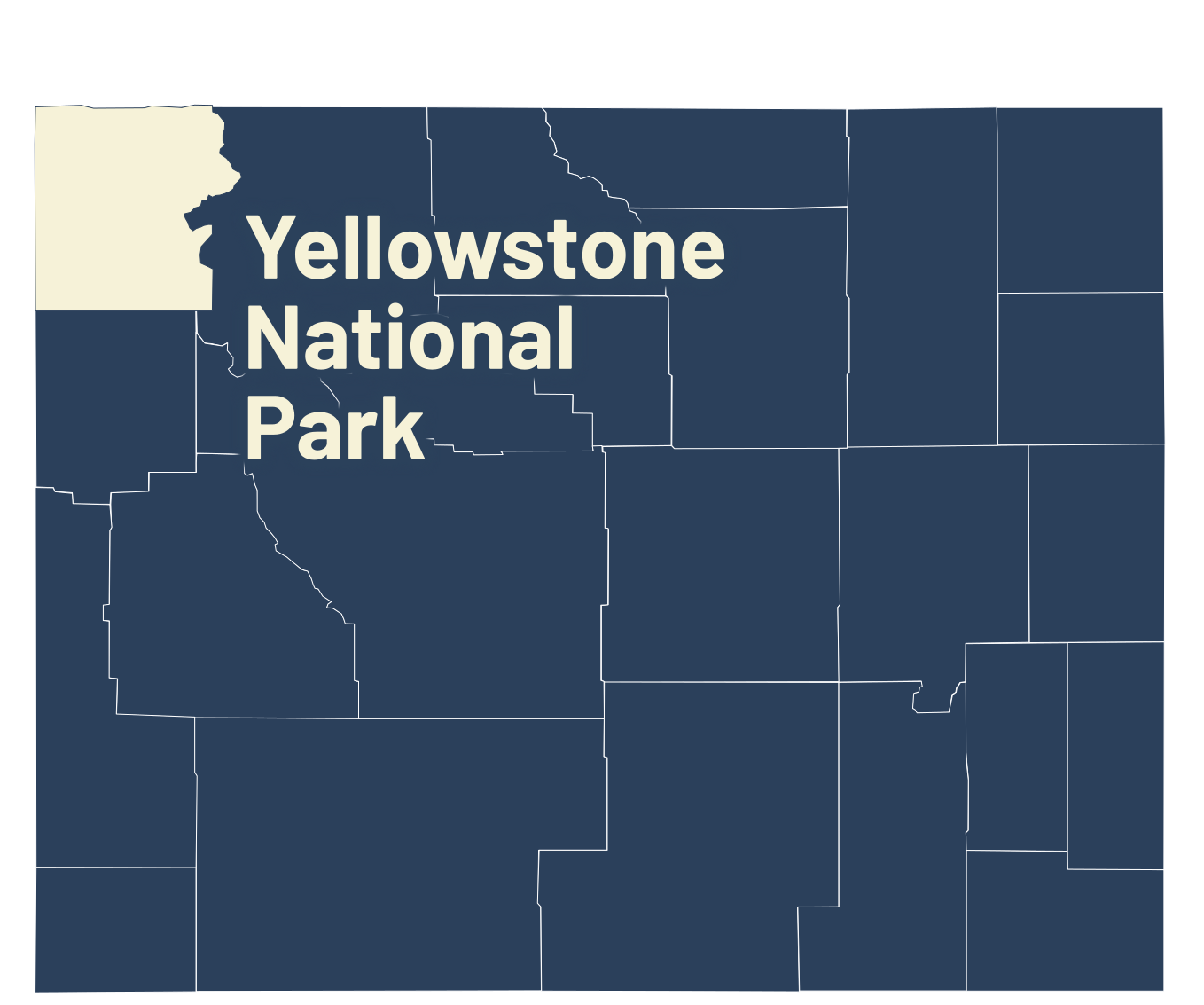
Blacktail Pond is near a road in a popular wildlife viewing area roughly 7 miles east of Mammoth Hot Springs.
National Bison Association President Ken Klemm told Cowboy State Daily that, as a rule, bison try to avoid boggy areas.
“If they could pick a better route, they would,” he said.
Water Isn’t The Problem
Bison aren’t prone to drowning. In fact, it’s quite the opposite, Klemm said.
“Water in and of itself is no big deal for bison, they can swim across the Missouri River,” he said.
“They are powerful swimmers, unbelievably powerful,” he added.
Ice, however, can be another matter if bison fall through it and get trapped, he said.
The Lewis and Clark expedition journals contain accounts of vast piles of bison carcasses in frozen rivers, he said.
That’s part of what makes Blacktail Pond so deadly to bison, Wuerthner said. During cold weather, if the water is iced over, bison might risk walking across it.
Falling through the ice and getting trapped has claimed many bison lives there.
Whether the water is iced over or clear, the muck at the bottom of the pond and bogs is what often seals the deal, Wuerthner said.
If the animal’s hooves sink in far enough, they’ll exhaust themselves trying to thrash free and then collapse and drown, he said.
Grizzly Buffet
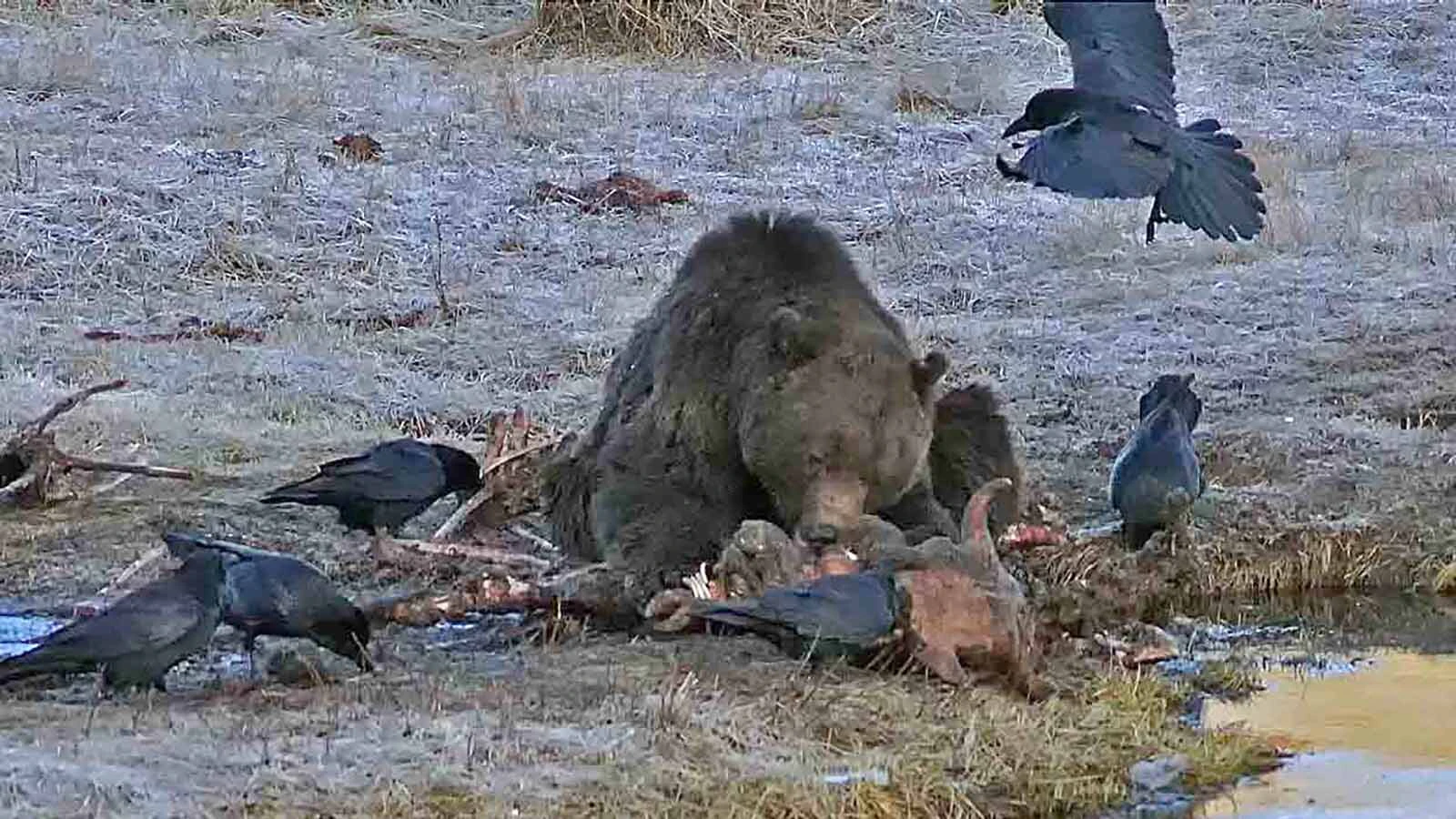
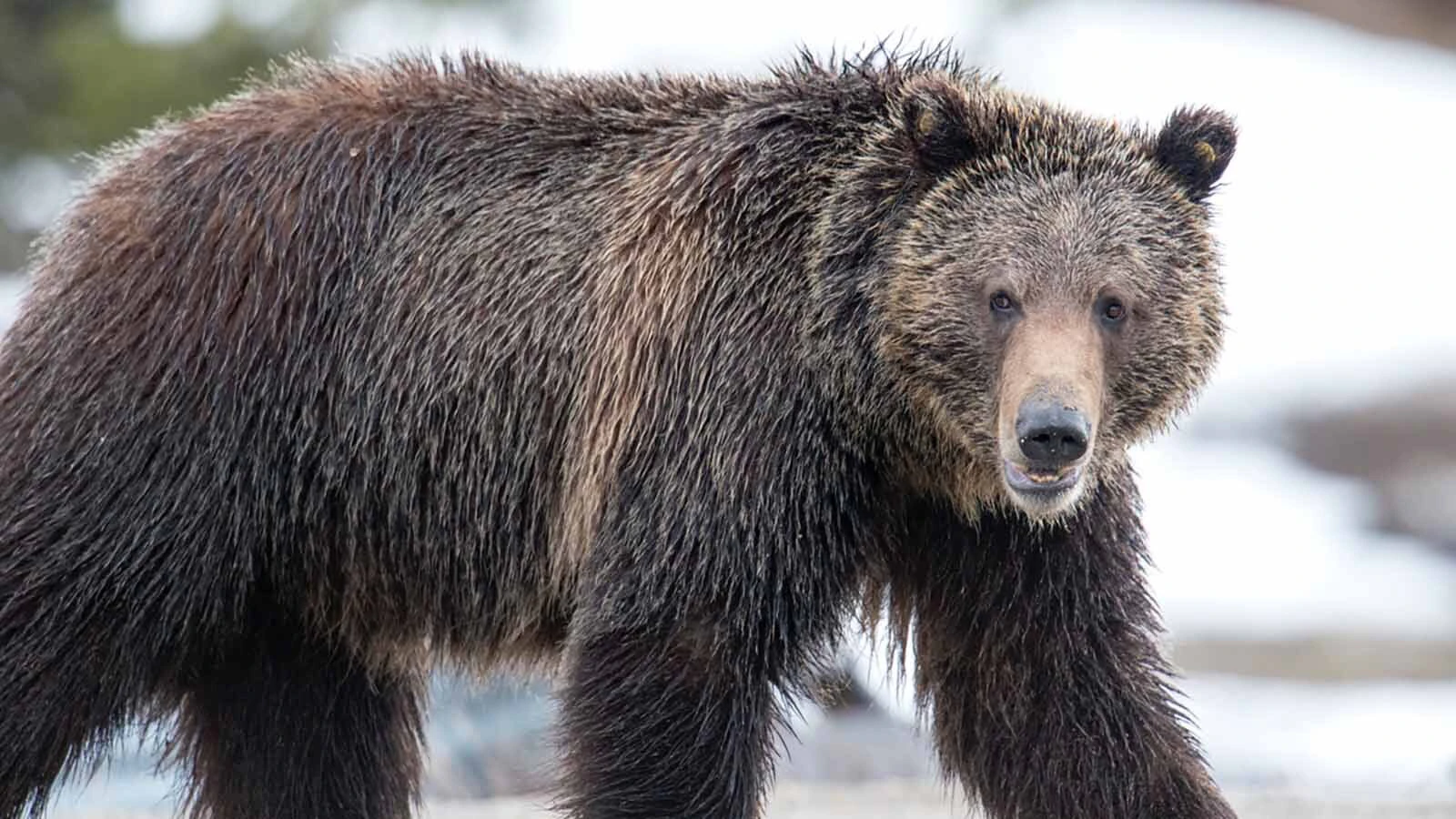
Blacktail pond also draws grizzlies hoping to find fresh bison carcasses to feast on. Bengeyfield said those have been in somewhat short supply so far this spring.
However, when a grizzly bear is lucky enough to find a freshly-drowned bison carcass, it’s awe-inspiring to watch the bear haul it ashore, he said.
“The really impressive thing is when the bears go and pull a fully waterlogged carcass of a bison out of there,” he said.
Mark Heinz can be reached at mark@cowboystatedaily.com.