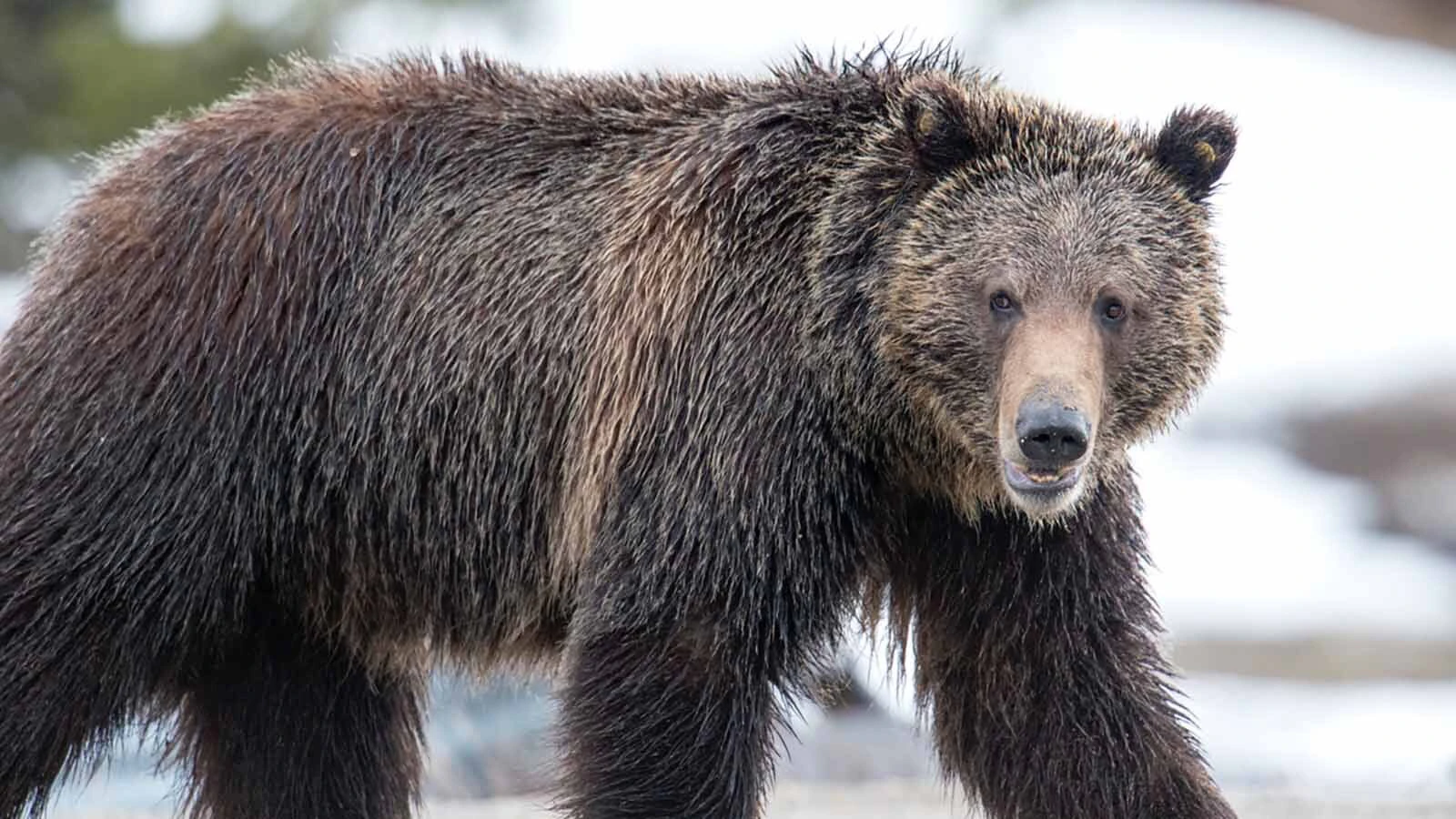
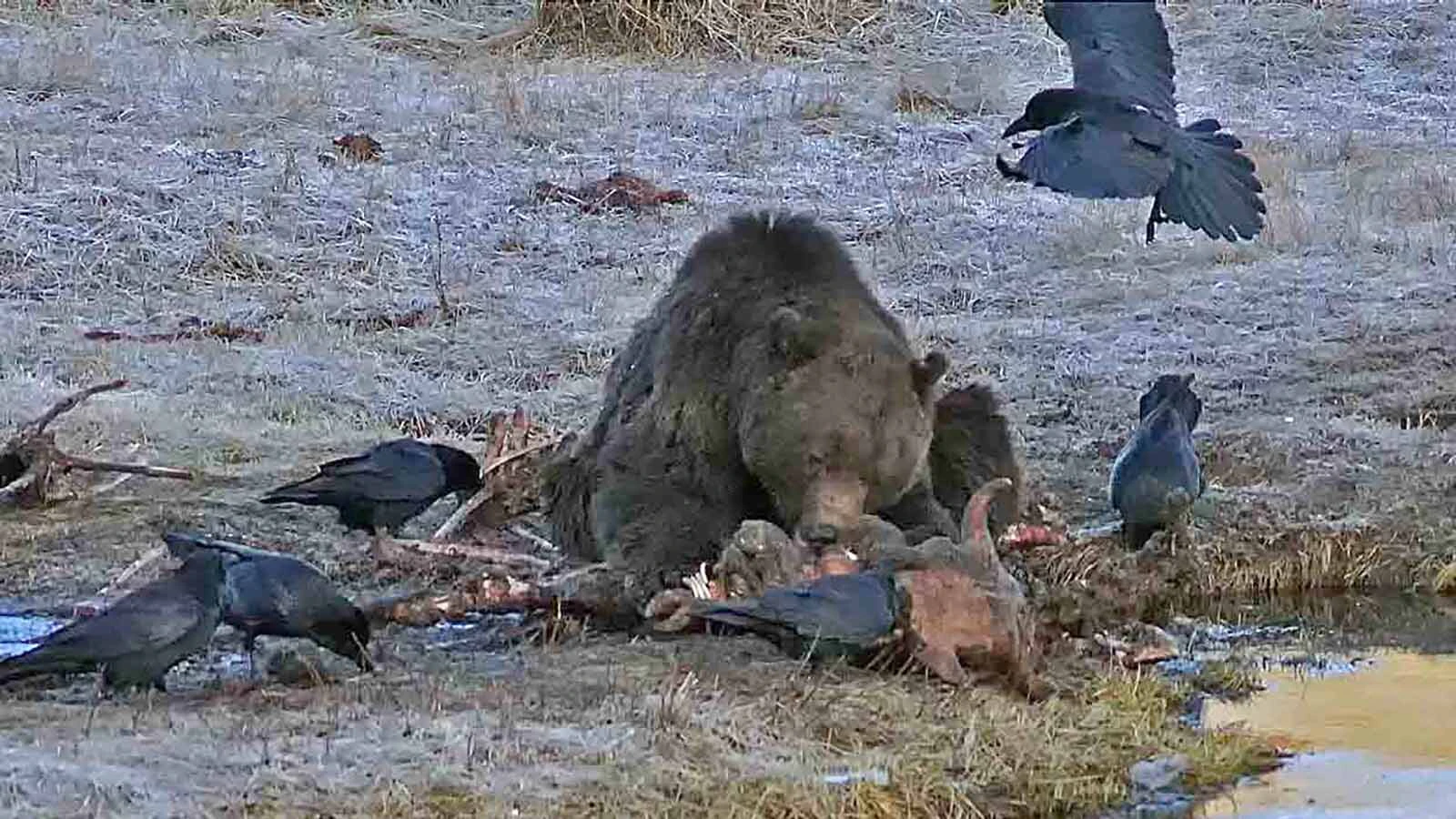
After a lackluster winter that killed fewer bison, elk and deer than most years, and wolves gobbling up carcasses earlier, Wyoming’s grizzlies might have to make dietary adjustments this spring.
Even so, observers aren’t worried about grizzlies starving because the bears are intelligent and adaptable.
Grizzlies excel at finding food sources, Wyoming Game and Fish large carnivore specialist Dan Thompson told Cowboy State Daily.
“I think we've demonstrated empirically that bears are very adaptive and effective at finding food sources, we've demonstrated this in multiple formats and through time,” he said.
Fewer Bears Out, Fewer Carcasses
Grizzlies might have slim pickings for carcasses this year, two seasoned Wyoming wildlife photographers told Cowboy State Daily, noting that the unusually warm weather this spring has drawn a few bears out early.
“I’d suspect the mild winter has limited the number of available ungulate carcasses, especially affecting bears waking up from hibernation who benefit from easy protein typically provided by frozen carcasses, said photographer Jorn Vangoidtsenhoven.
There have been “moms with yearling cubs” spotted out early this year, he said.
Photographer Tom Mangelsen said that grizzly activity in and near Grand Teton National Park has been a little sparse so far this spring.
"It seems there are very few bears out yet here; we saw one beautiful mother with two yearlings a week ago that we haven’t seen before, and they haven’t been seen since.
"There are two subadults hanging out together and a couple of single bears up north spotted a couple times,” he said.
He agreed that winter kill carcasses will be in short supply this year.
“Yes, the winter was mild and short, and of course there would be less winter kill. I had three feet of snow in my yard last year. Now I have three inches of grass,” said Mangelsen, who lives near Jackson.
Wolves In the Picture
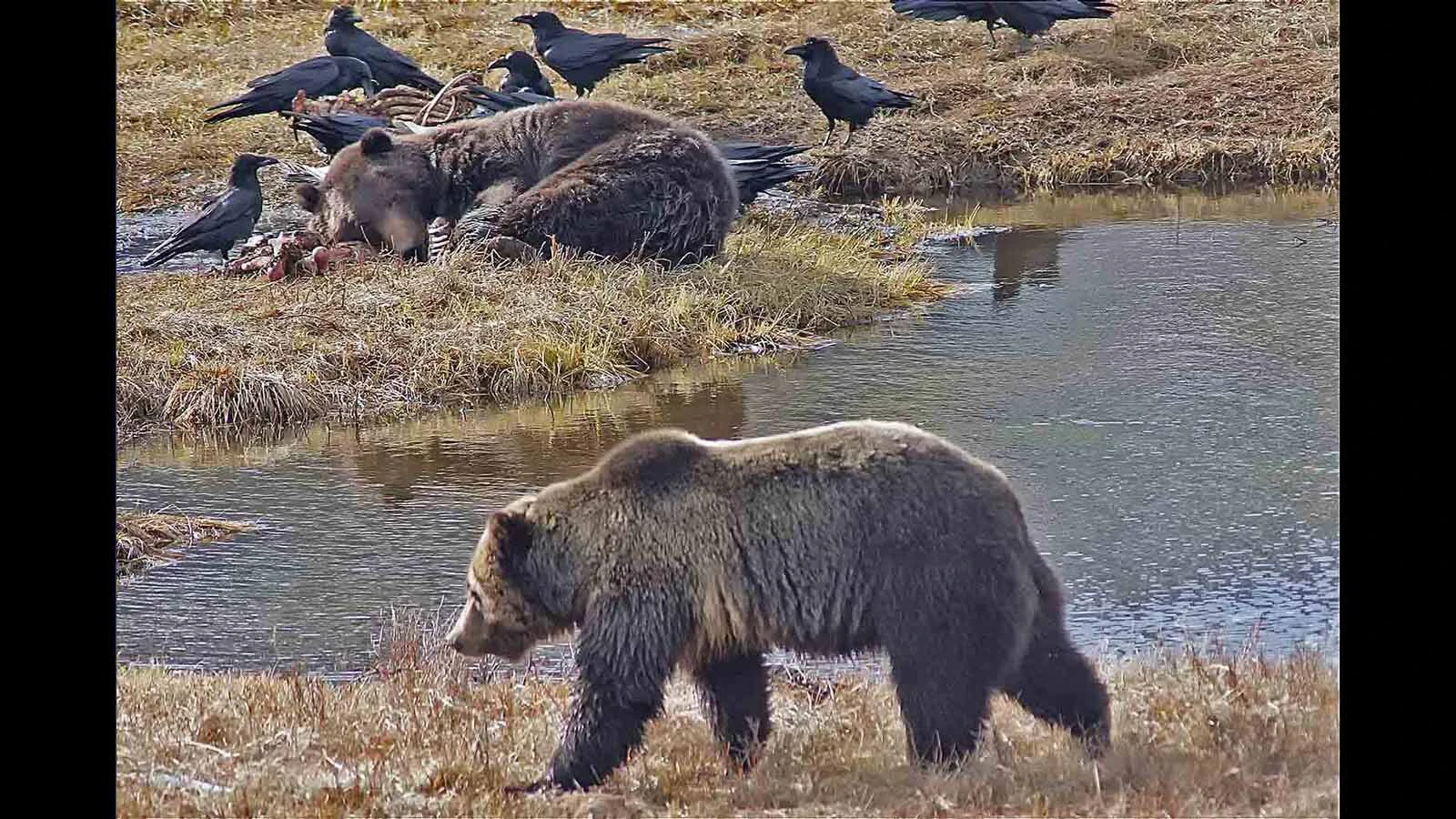
Some of the large animals that died over the winter were gobbled up by wolves, before grizzlies had a chance at them, Mangelsen said.
“There were wolves around last winter and they would have cleaned up any winter kills before bears came out,” he said.
Thompson noted that grizzlies adapted to the presence of wolves.
“In regard to winter killed ungulates, you would expect less this year, but that dynamic changed more with wolves and scavenging and bears still thrive,” he said.
Precipitation Needed
Retired federal ecologist Chuck Neal of Cody told Cowboy State Daily that during his frequent hikes in the area, he hasn’t seen much winter kill.
“I’ve seen almost no winter kill. I have come across a couple of well-used carcasses in the past couple of months, but I think those were wolf kills, not winter kill,” he said.
When wolves make a kill, large male grizzlies might steal it, he said.
“The adult males are pretty adept at pushing a pack of wolves off a carcass. The females with cubs can’t do that, because there is too much risk to the young,” Neal said.
Females and cubs will probably depend more upon vegetation, such as biscuit root, which in turn depends upon spring precipitation, he said
The next month or so will be crucial, he added. If there isn’t significant precipitation to sprout new growth, that could leave bears in a bind.
“Right now, I’m not terribly sweating it, but I am a little concerned,” Neal said.
New Crop Of Cubs?
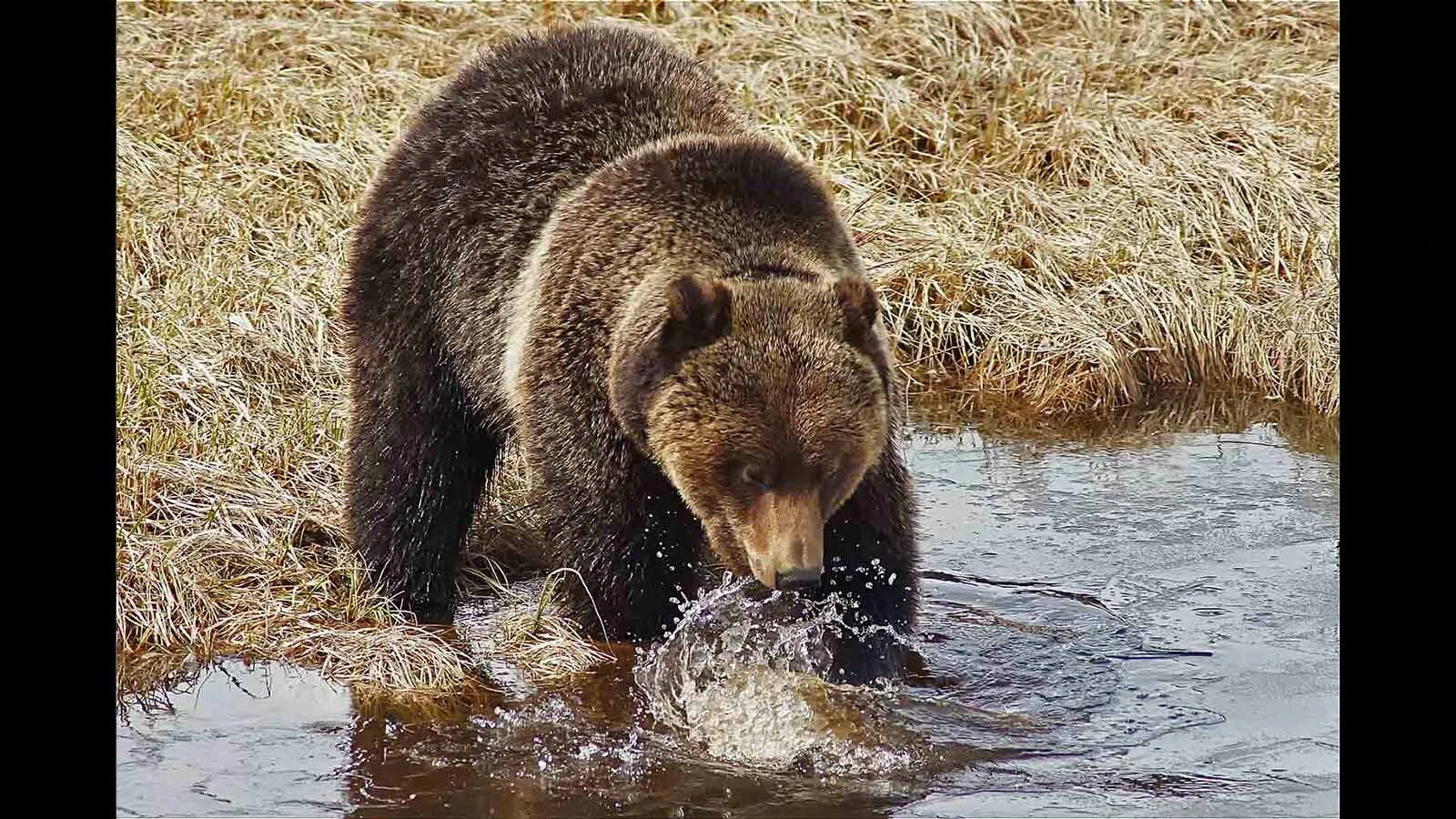
For bear watchers, the show really begins when mother grizzlies emerge with COY (cubs-of-the-year), Vangoidtsenhoven said.
“COY typically don’t appear until mid-May. They are born in the safety of the den around late January as tiny babies, so they spend their time in the den into May feeding and growing to be ready to leave the den. It’ll be interesting to see if this weather actually has COY appearing sooner too,” he said.
Some famous grizzlies might be due to emerge with new cubs this spring.
“People are excited about the possibility of Grizzly 610 or even 1063 having COY this year,” Vangoidtsenhoven said.
In May 2025, a large male grizzly killed two of Grizzly 1063’s three yearling cubs.
Mark Heinz can be reached at mark@cowboystatedaily.com.