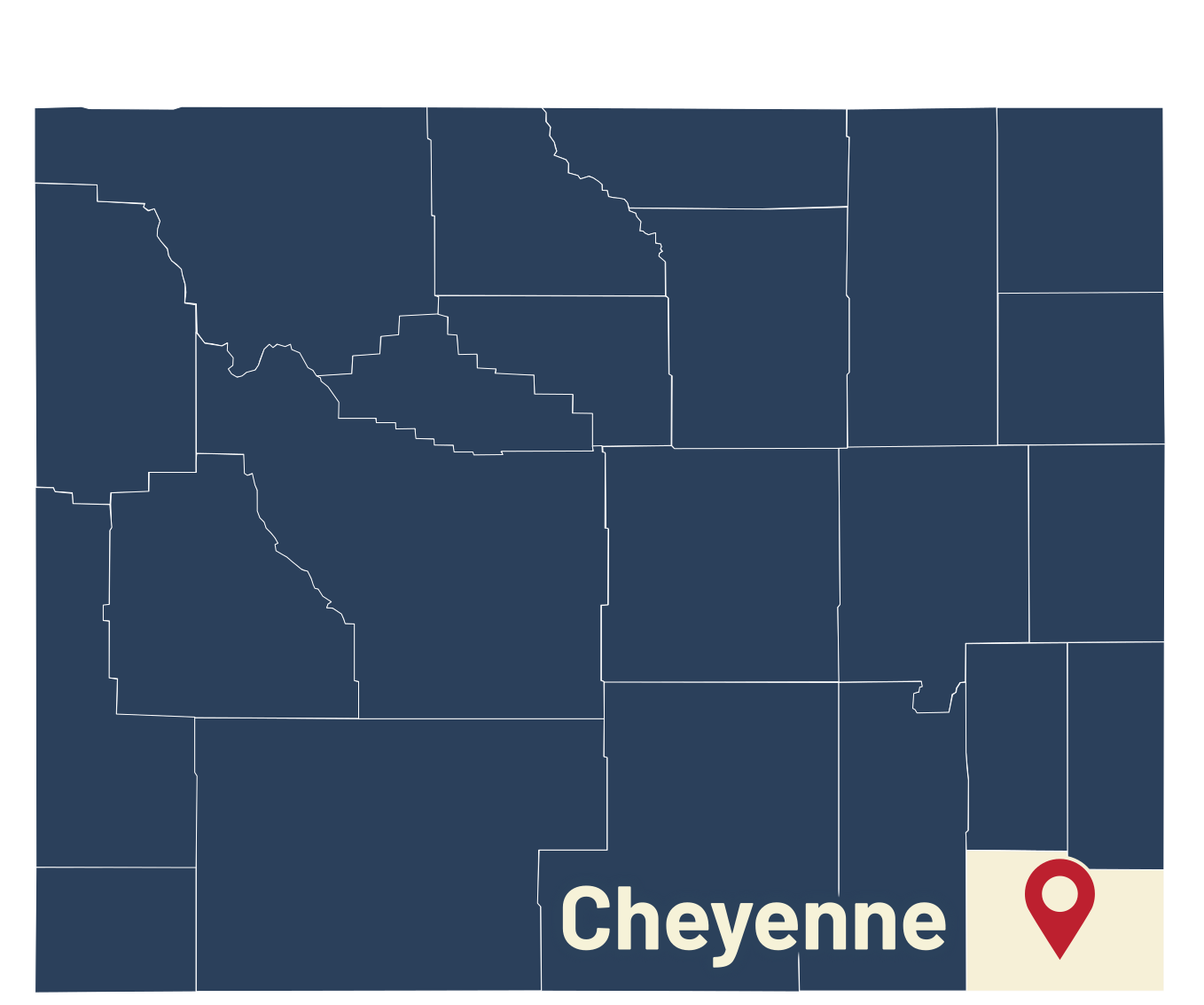
A now four-year push to annex pockets of Laramie County into Cheyenne city limits is a growth strategy as huge data centers court southeast Wyoming for its climate and its business-friendly attitude for the future of energy.
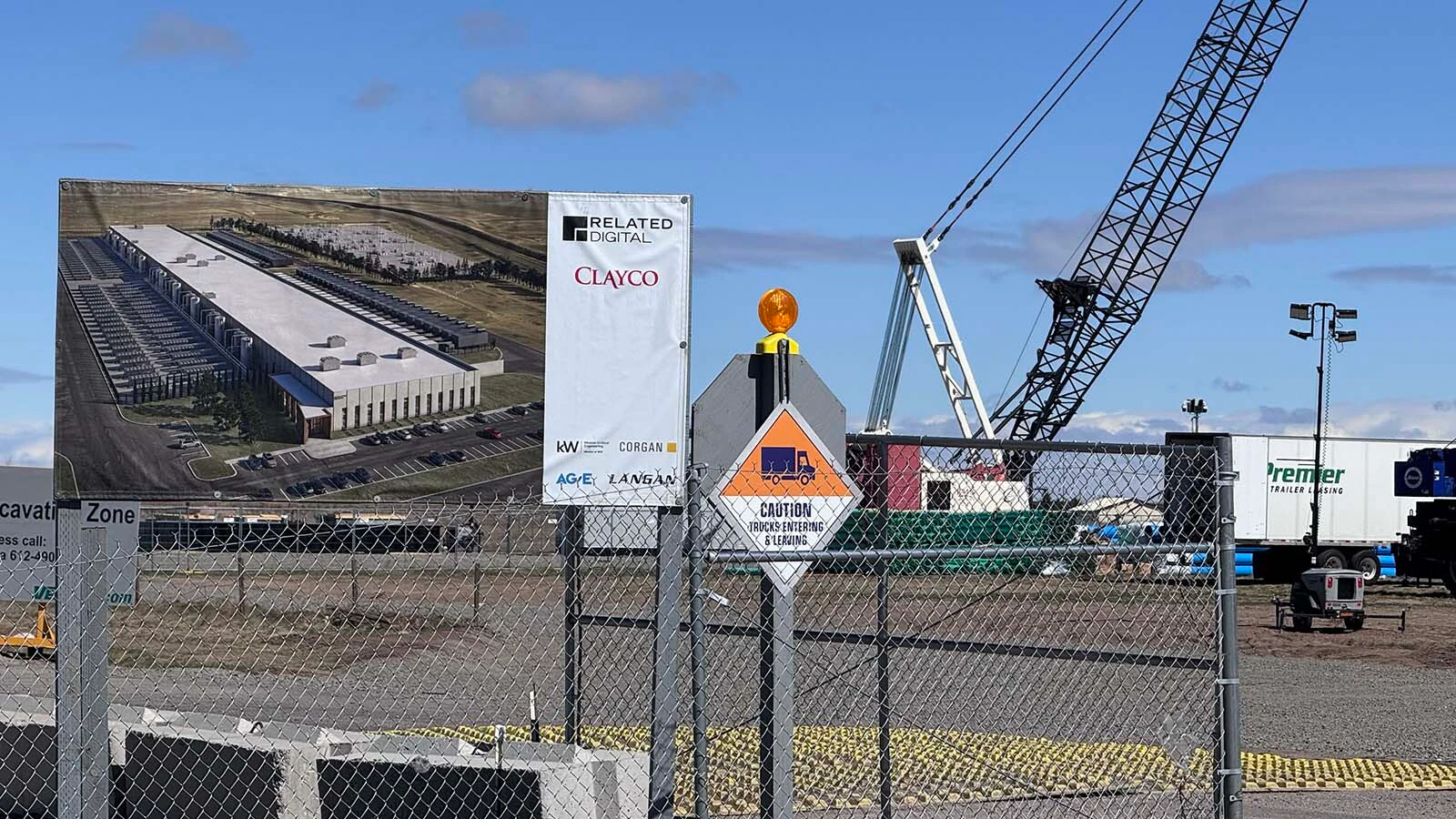
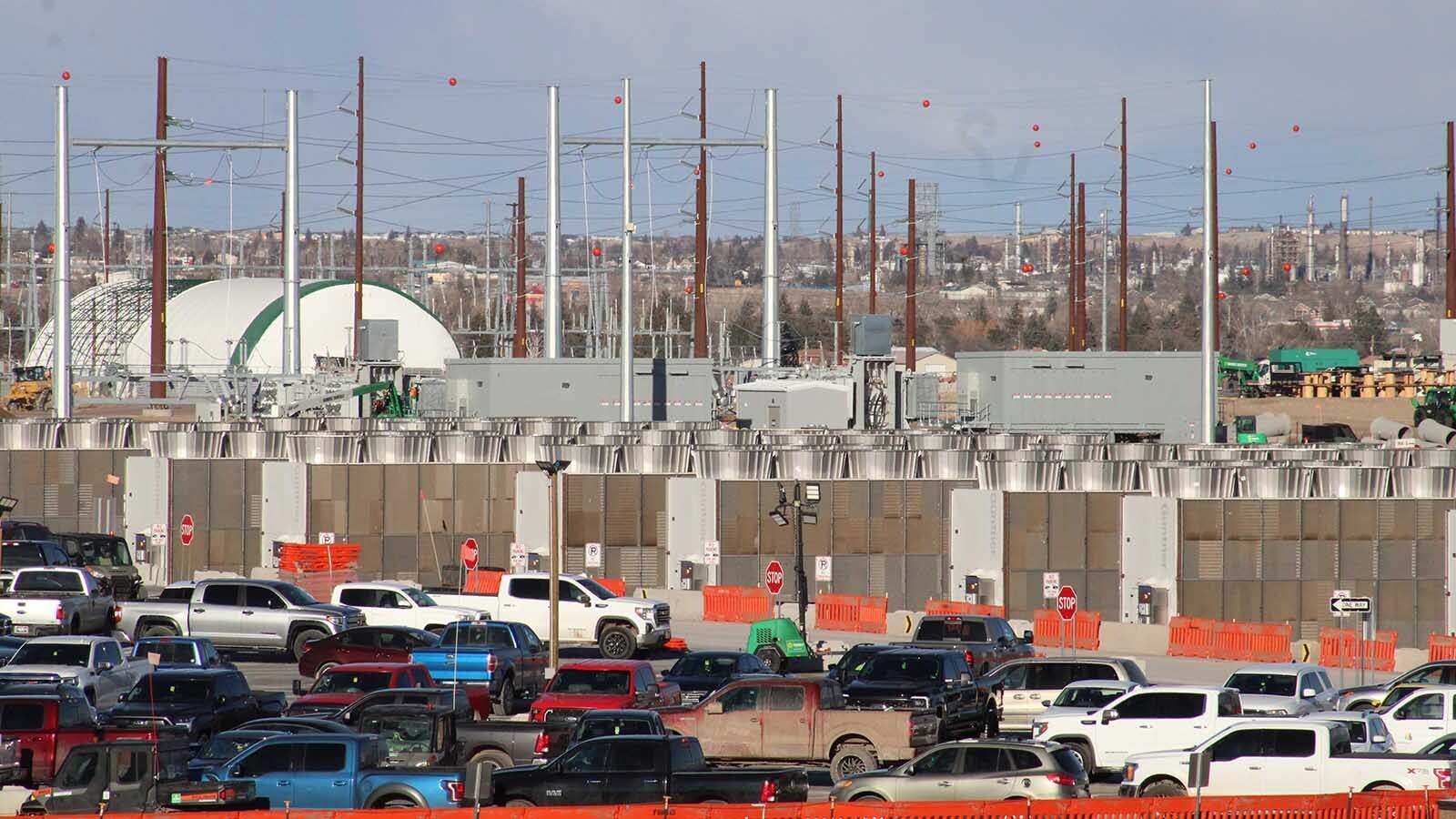
The city has approved Project Jade, a massive artificial intelligence data center that’s expected to consume 2.7 gigawatts of self-generated power. A 302-megawatt, $1.2 billion data center by Related Digital broke ground in east Cheyenne in October.
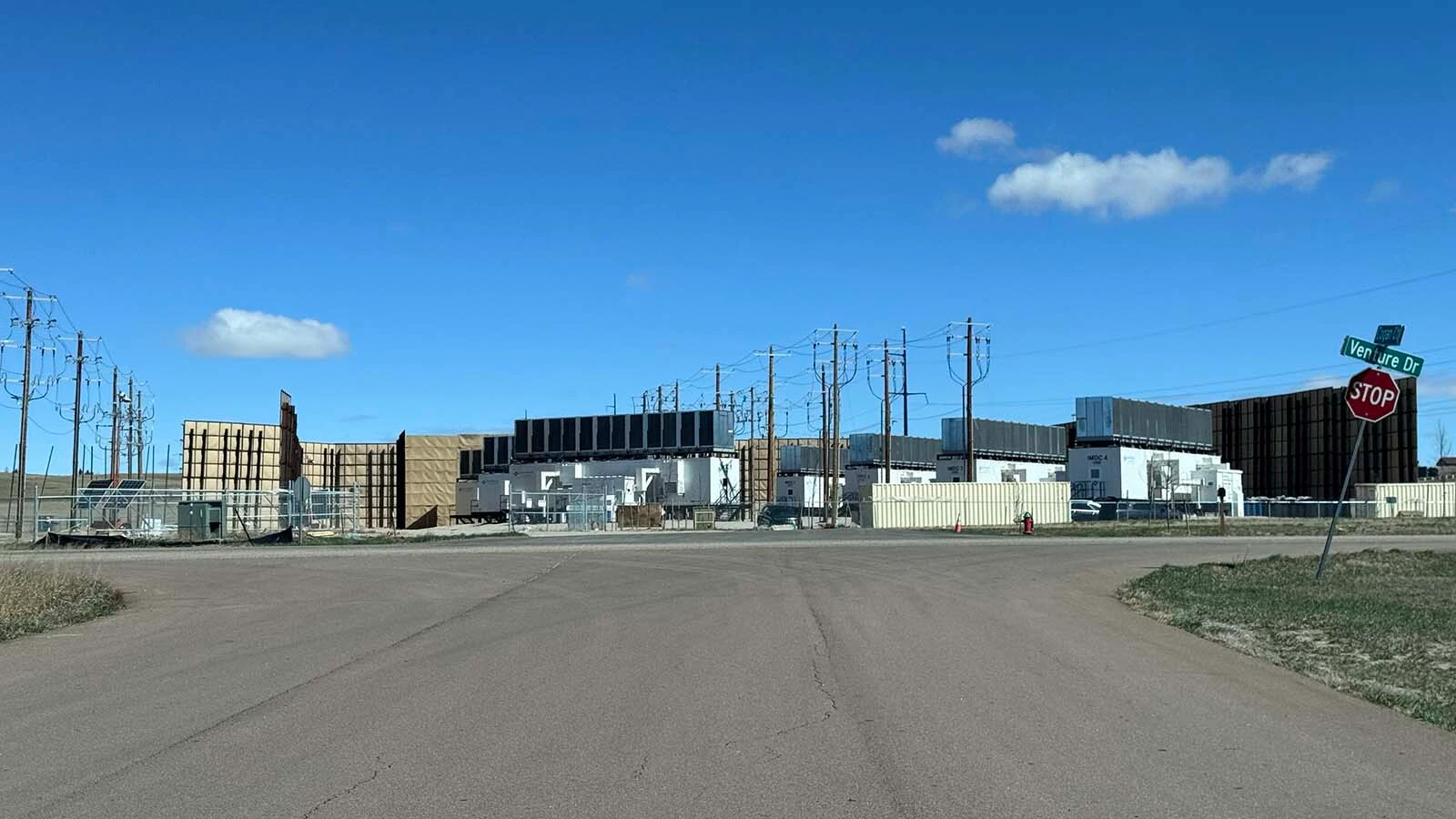
And work is moving fast on Meta’s $800 million, 715,000-square-foot data center called Project Cosmo.
The Cheyenne City Council began systematically annexing county pockets — pieces of land that are 75% to 100% surrounded by the city — in 2022. It’s also expanding its boundaries to incorporate data center growth.
Mayor Patrick Collins said his focus on annexing is a way to keep up with the area’s growth and ability to fund necessary infrastructure.
The data center boom Cheyenne has encountered over the past several years is a big part of that, he said.
“The way municipalities are growing is a challenge we face,” Collins said. “Data centers absolutely factor in.”
Cheyenne’s Data Center Landscape
Cheyenne has quickly grown as a national landing spot for data centers.
In a Thursday guest column for Cowboy State Daily, Dale Steenbergen, president and CEO of the Greater Cheyenne Chamber of Commerce, says that Laramie County saw early the future of the economy and national security run on data.
He called Laramie County “an early leader in the space.”
The first Microsoft data center in Wyoming came to Cheyenne in 2012.
Since then, Betsey Hale, CEO of Cheyenne LEADS, an economic development entity for the city of Cheyenne and Laramie County, said that data centers have staked claim to areas that are compatible with existing uses.
All existing data centers within the Cheyenne city limits and Laramie County are located inside business parks (in the city limits), or in the case of Tallgrass-Crusoe’s Project Jade, in County Planned Unit Developments (PUDs).
Cheyenne’s North Range Business Park, the home of one of the city’s Microsoft data centers, was incorporated into the city limits in 1990. When Microsoft bought a 400-acre parcel adjacent to the city, the city annexed that.
Further annexations in 2024 allowed the North Range Business Park to expand, Hale said.
The annexation was a benefit to all companies within the business park, including the data centers because being incorporated into city limits decreased the water and sewer rates, Hale said.
Prior to being annexed, those companies were paying 1.5 times the water and sewage rates they now pay as a result of being inside city limits.
Clusters Of Centers
The entities that comprise business parks belong to commercial owners associations, similar to homeowners’ associations but for businesses, said Hale.
These associations establish rules and guidelines for the look and general upkeep of the area.
“We’ve truly benefited from having land use business regulations with business parks,” Hale said.
Meta targeted Wyoming in part because of the cool weather that would keep its super-heated enterprise system chilled a few degrees cooler than what is typical with water systems.
The social media company also has taken an eye to the business-friendly climate of the Cowboy State that gives sales tax exemptions for certain-sized data centers, according to several business and government officials interviewed previously by Cowboy State Daily.
According to a Jan. 8 article for the Tax Foundation, an independent, nonpartisan nonprofit that provides research, data, and analysis on U.S. federal and state tax policies, “a state more popularly associated with cow chips than computer chips is beating out 45 states and the District of Columbia on data center investment.”
Data Center Sentiment
Not all places share Cheyenne’s appetite for data centers.
Earlier this week, the Wall Street Journal reported that a bill in Maine is calling for a ban on major new data-center construction until November 2027 to allow that state to assess the impact of data center development on the electric grid and the environment.
Neighboring South Dakota is adopting a more cautious approach to data center development as lawmakers and residents there have expressed concern regarding the strain data centers could bring to water usage and the energy infrastructure.
And in Ohio, a group of rural activists is attempting to put a statewide ban of large data centers on the November ballot by collecting signatures, according to the Wall Street Journal.
At least nine other states are working on policies that address data center costs and the use of local resources, the Wall Street Journal reported.
About 100 south of Cheyenne, Denver is considering a year-long moratorium on data centers.
While the proposal wouldn’t affect data centers already permitted for or under construction, it would freeze new development, allowing the city to review and strengthen regulations around proposed data center sites, according to 9News.
Annexing And Tax Money
“For us, keeping our population steady is important,” Mayor Collins told Cowboy State Daily. “It’s a direct consequence to our ability to fund the city.”
Without annexing, Collins said that, “My fear is if the county would continue to grow but the city wouldn’t. Yet we’re providing the employment base and the recreational opportunities.”
Cheyenne makes up about 65% of Laramie County’s population, Collins said. That means the city receives 65% of every sales tax dollar.
Cheyenne will benefit from the data centers located within city limits as it will receive the bulk of those data centers’ property taxes.
“When a data center comes in, it helps us,” Collins said. “It helps the whole state.”
Last August, Laramie County welcomed the 1.8-gigawatt Project Jade data center being built by Tallgrass Energy and Texas-based Crusoe Energy Systems. By January, that project had ballooned to 2.7 gigawatts, which is nearly triple the power use of the entire state of Wyoming.
Collins said Cheyenne will see some economic benefit from the project, but the data center’s property taxes will go to the county.
It’s on land far enough from city infrastructure to make its absorption into the city limits unreasonable, Hale said.
“It makes perfect sense for it to be in the county,” Hale said, adding that the center will depend on its own power generation.
“I think what Laramie County and the city have been able to do, working together on land use regulations and being very thoughtful about the future growth of the community, has been really well done,” Hale said.
Kate Meadows can be reached at kate@cowboystatedaily.com.