
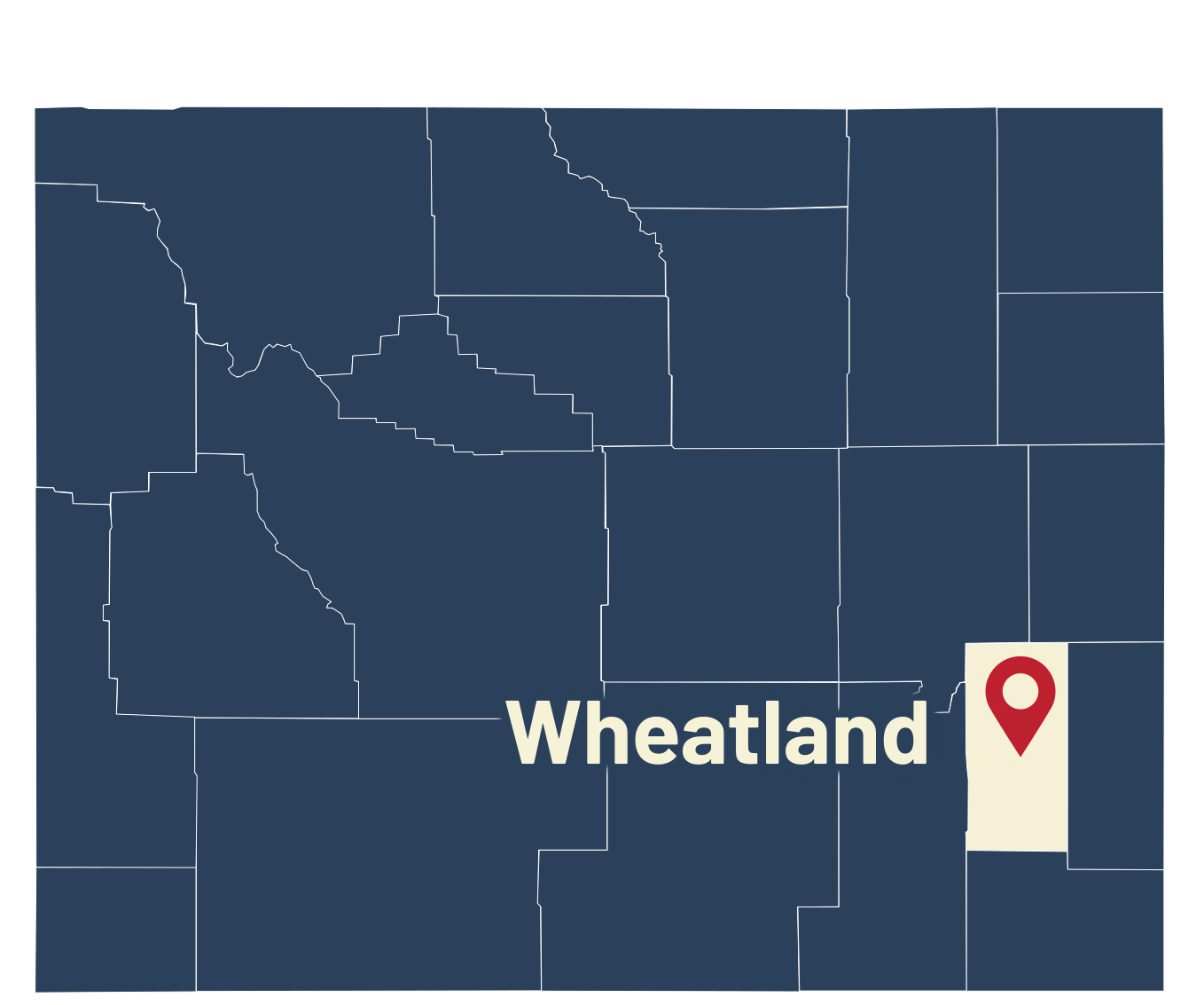
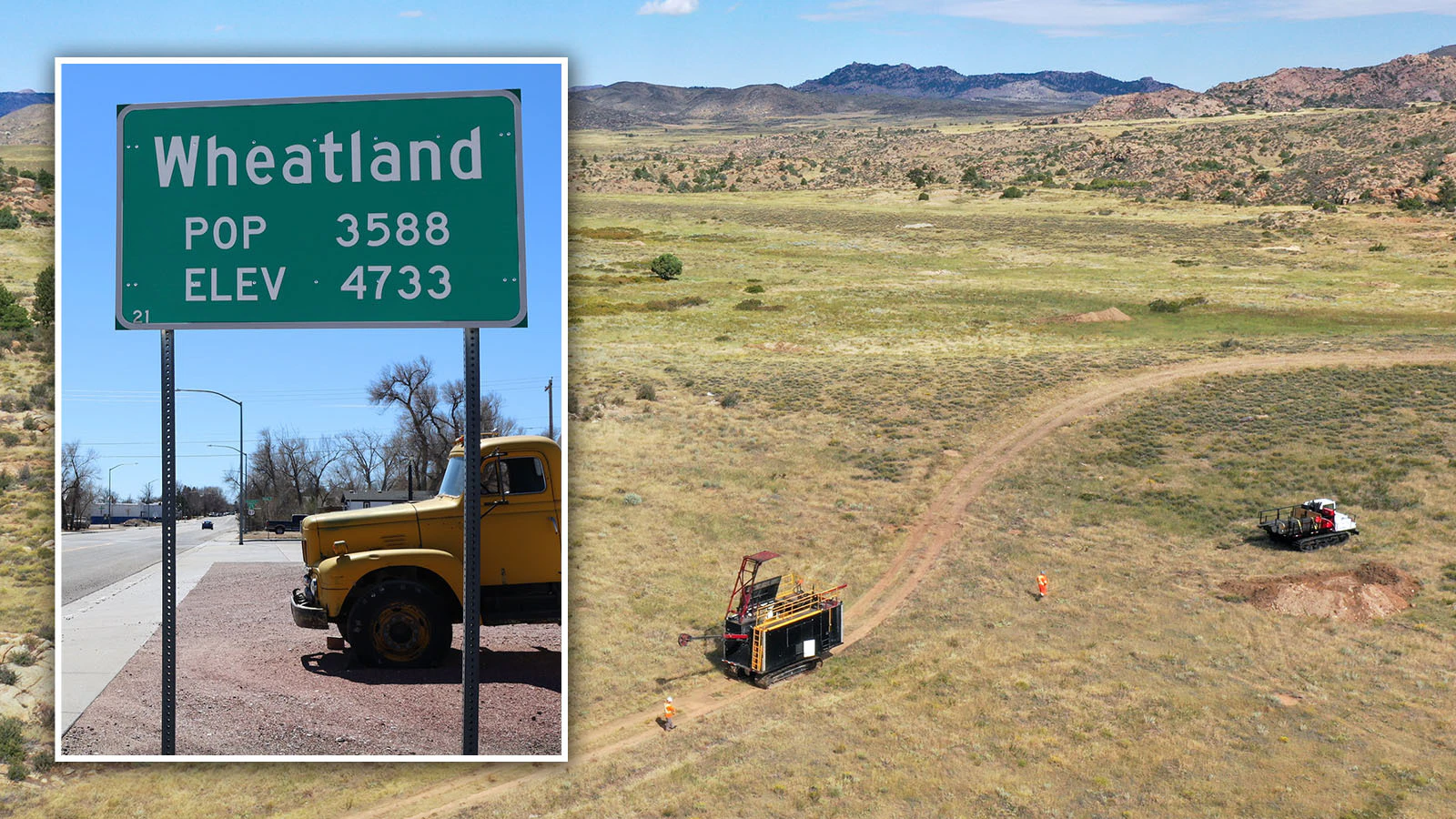
American Rare Earth’s Halleck Creek project near Wheatland, Wyoming, has always been an ambitious project.
It’s poised to mine one of the largest, if not the largest, rare earths deposits in America, but the site doesn’t just have light rare earths like neodymium or praseodymium, used in industrial magnets for wind turbines and electric vehicle motors.
It also has heavy rare earths like terbium, dysprosium and samarium, which are rarer metallic elements used in high-tech applications.
Those heavy rare earths are harder to come by but critical for everything from fighter jets to smartphones. Their presence in significant amounts means the opportunity at Halleck Creek could be bigger than just mining a natural resource and shipping it out.
That has American Rare Earths commissioning a study of whether it should be economically feasible to not only mine those heavy rare earths, but take them all the way from mine to metal in Wyoming.
If so, that would mean building an additional processing facility at the Halleck Creek site, as well as adding more jobs to the economic bottom line.
Halleck Creek and American Rare Earths are operating in a “special moment in time,” Vice President of Corporate Development and Strategy Nick Lissolo told Cowboy State Daily.
It's a moment that means Wyoming could potentially capture more of the economic value of the resources at Halleck Creek, he said.
“We have an administration that wants to support mine to magnet,” he said. “Within the United States, we have an increasing metal price for kind of broader metal markets. Those are all pretty robust at the moment.
"And then we have in the Halleck Creek deposit one of the largest, if not the largest, rare earths deposits in North America. So I think all those are exciting things that we’re piecing together to drive a really great outcome.”
That’s exciting for Lissolo not just for his company, but also because he’s from Wyoming.
“This is the state I’m from,” he said. “I’m originally from Newcastle, so this has been really exciting for me, to get to work on something that’s in my home state.”
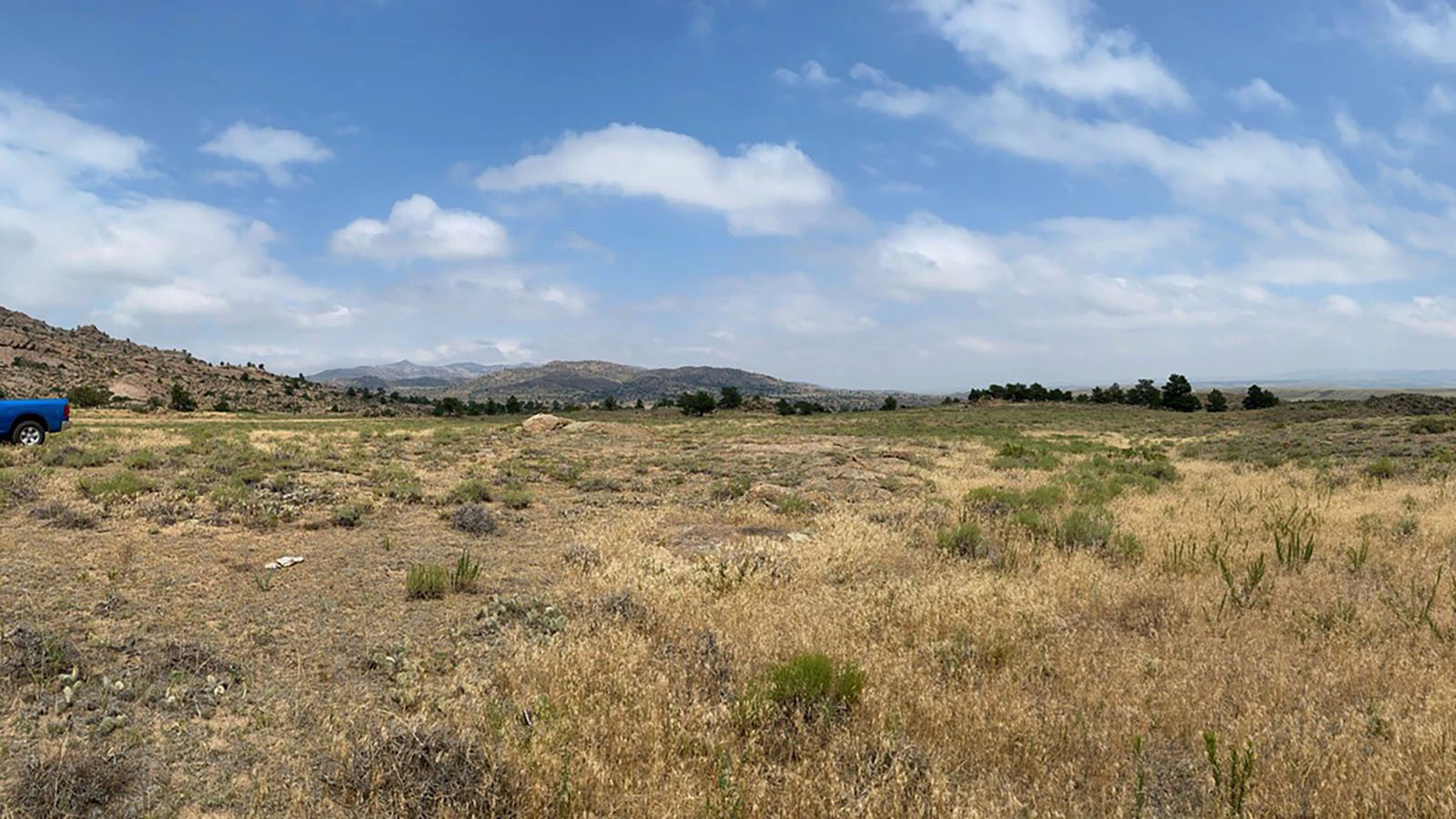
Ground Zero For Rare Earth Resurgence
American Rare Earths’ announcement comes as Wyoming has become ground zero for a modern-day gold rush, one where the gold is actually the silver-grey metallic elements known as rare earths.
If realized, the Halleck Creek heavy rare earth metals facility would be the first of its kind in the state and the second rare earth processing plant announced in the Wyoming.
The first rare earths processor is situated in the tiny town of Upton. There, Rare Element Resources is pioneering a new approach to processing neodymium and praseodymium, one that it says will be more economical and efficient than any to date.
China has long had a stranglehold on these valuable metals by keeping prices so low that it’s not economically viable for companies in other countries to mine and process them.
The country has also restricted the amount of some rare earths it will sell on global markets, particularly those useful for military applications.
Creating new processes that are less expensive will help break that stranglehold and create a much-needed domestic supply chain, vital to the American economy, as well as national security, say industry leaders and the Trump administration.
The Upton demonstration plant will run for up to 12 months, proving out this new novel process for purifying neodymium-praseodymium oxide.
If the process pans out, the company has talked with Wyoming officials about the possibility of building out a national scale plant in Upton, one that will offer more than 300 permanent, high-paying jobs.
Together, Upton and Halleck Creek would give Wyoming two rare earth processing hubs, keeping more of the mine-to-metal economic value inside the state.
Light Vs. Heavy
Much of the conversation around rare earths in Wyoming has revolved around light rare earth elements, like neodymium and praseodymium, which are more common and have lower market prices.
Heavy rare earths elements, however, are a big part of the Halleck Creek project, in addition to the light rare earths that are there.
“In our case, the heavy rare earths are terbium, dysprosium, and we also have samarium, which is a really interesting one,” Lissolo said. “They’re (present) in smaller quantities, but they’re a lot more rare and carry higher value as well.
"And they’re pretty important metals, specifically around the supply chain shortage within the United States.”
Terbium is a silver-white metal used as a crystal stabilizer for high-temperature fuel cells. It also finds its way into naval sonar systems and sensors.
Much of the world’s terbium is used for fluorescent lamps and cathode ray tubes for television screens and other monitors.
Dysprosium, meanwhile, is often used for control rods in nuclear reactors thanks to its ability to absorb neutrons in a high-heat environment, but it also finds applications in data storage.
Samarium is useful for corrosion resistance, making it a workhorse for military and aerospace hardware. It’s also useful in medical applications like cancer treatment, as well as nuclear power, where it acts as “neutron poison,” meaning it’s really good at absorbing neutrons.
“We’ve always said we were going to produce these heavy rare earths,” Lissolo said. “The question for us is whether there’s enough value in it to take it from an oxide into a metal.”
Bigger Economic Impact For Wyoming
For Wyoming Mining Association Executive Director Travis Deti, what’s really exciting about all these rare earth projects in Wyoming is the chance that Wyoming might capture additional value from its rare earths by setting up processing facilities within the state.
Wyoming has long mined resources that are shipped to other states for refining, meaning it loses out on a significant portion of the economic impact that’s generated by its natural resources.
“This is really exciting,” Deti told Cowboy State Daily. “These projects have been under development for some time. Both the mine and the processing facility are going to put not only Wyoming, but America, on the rare earths playing field.”
It’s important from the standpoint of both America’s economy and national security, he added.
“Rare earths are used in a variety of important products ranging from cell phones to sophisticated weapons systems,” he said. “With the Chinese controlling roughly 95% of the market, it is absolutely critical to develop our domestic resources.”
Closer to home, though, it will mean good-paying jobs and revenue, and that’s what Deti is most focused on.
“The opportunity to build the full chain from mine to product is exciting,” he said.
Racing The Clock
Beyond the potential expansion of scope in Wyoming, American Rare Earths is also stepping on the gas.
“We’ve gotten significant interest from different government entities around bringing more (rare earths) online quicker,” Lissolo said. “So we’re trying to do this as quickly as possible.”
The company’s present timeline looks to bring Halleck Creek online by 2030 or 2031, according to its last investor presentation.
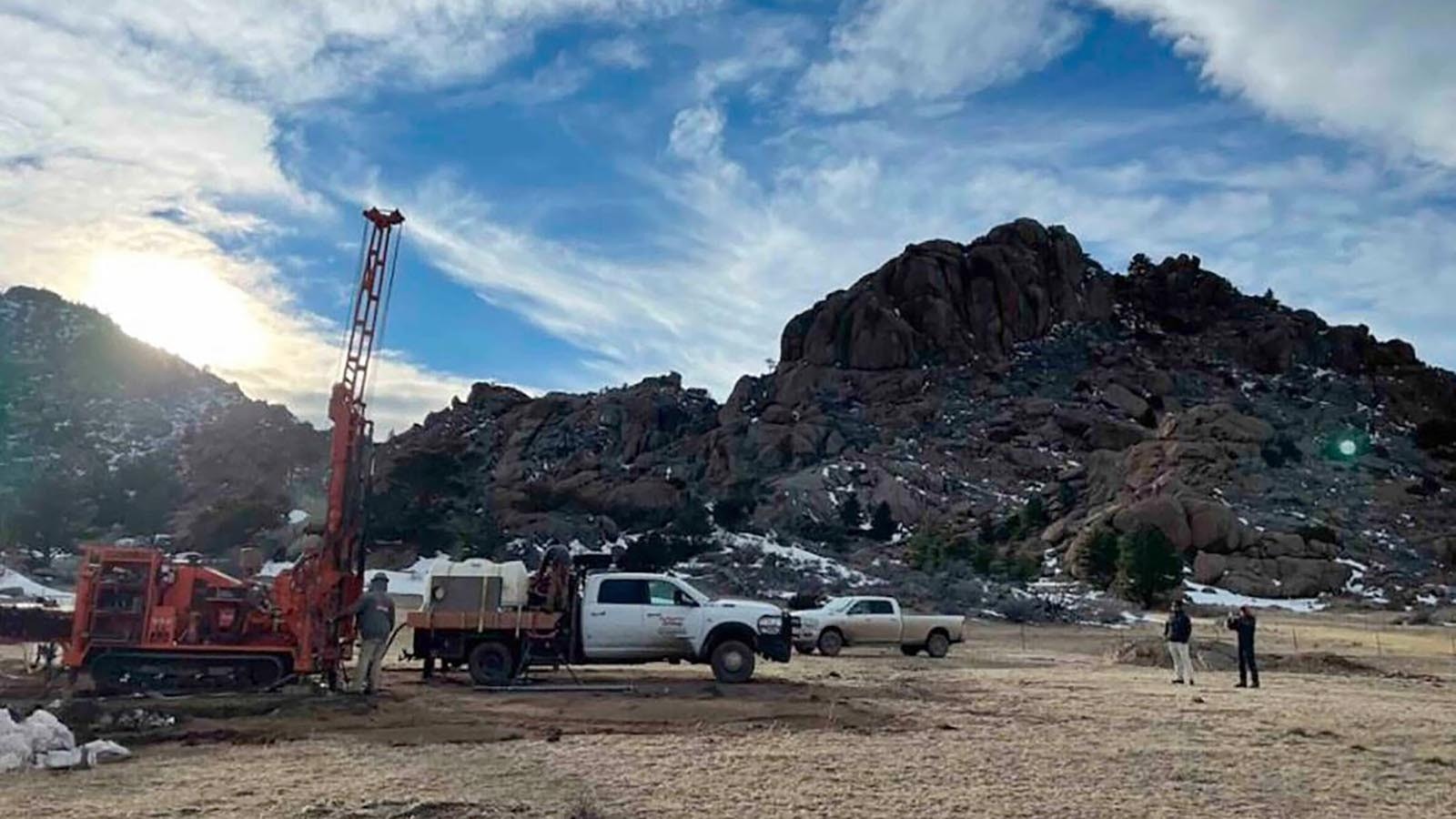
The company has already ordered specialized equipment that it will be using to test-drive its process from beginning to end, even as it’s engaging in a study to see whether it should expand its refining process to include the final metal product.
“These are special-order, long-lead-time type items,” he said, noting they’re being engineered and fabricated in places like Utah and Florida before being shipped to Wyoming.
Lissolo also believes the company’s timeline benefits greatly from being on Wyoming state land, rather than federal land. That means it can navigate the permitting process without engaging in a full, federal NEPA analysis.
The company’s next moves — whether it green-lights a heavy rare earth metal refinery in Wyoming — will help determine just how large a role Wyoming will have in winning America’s independence from Chinese-controlled rare earths, as well as just how many jobs and economic impact will remain in the Cowboy State.
Renée Jean can be reached at renee@cowboystatedaily.com.


