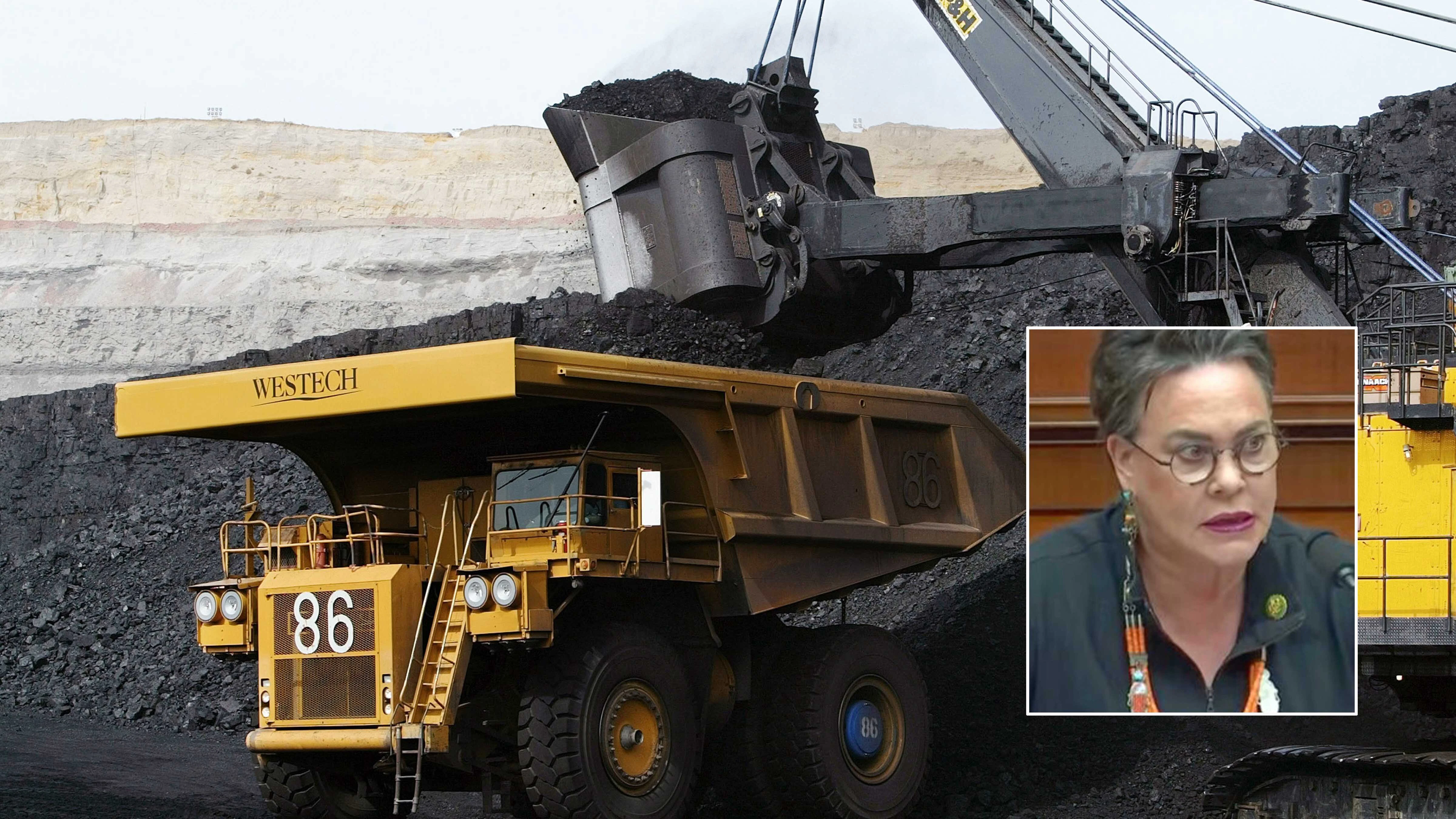
A decades-old fight between a Campbell County ranching family and the federal government over 130 million tons of coal is seeking an innovative resolution that its supporters say would benefit not just the family, but the entire state of Wyoming.
The proposal, presented to the Campbell County Commission on March 18 by McKenna Sorenson and her father Charles, would have the state buy the Hall family’s condemned coal rights and use them as leverage in a federal mineral exchange that could unlock up to 250 million tons of coal currently stranded in state school trust land.
“Instead of us going to court and settling, it would be better for everybody,” Charles Sorenson told the commission.
“There’s several hundred million dollars, maybe as much as $1 billion” in potential benefit to the state, he said, through royalties, severance taxes and extended employment at Powder River Basin mines.
One Of The First Families
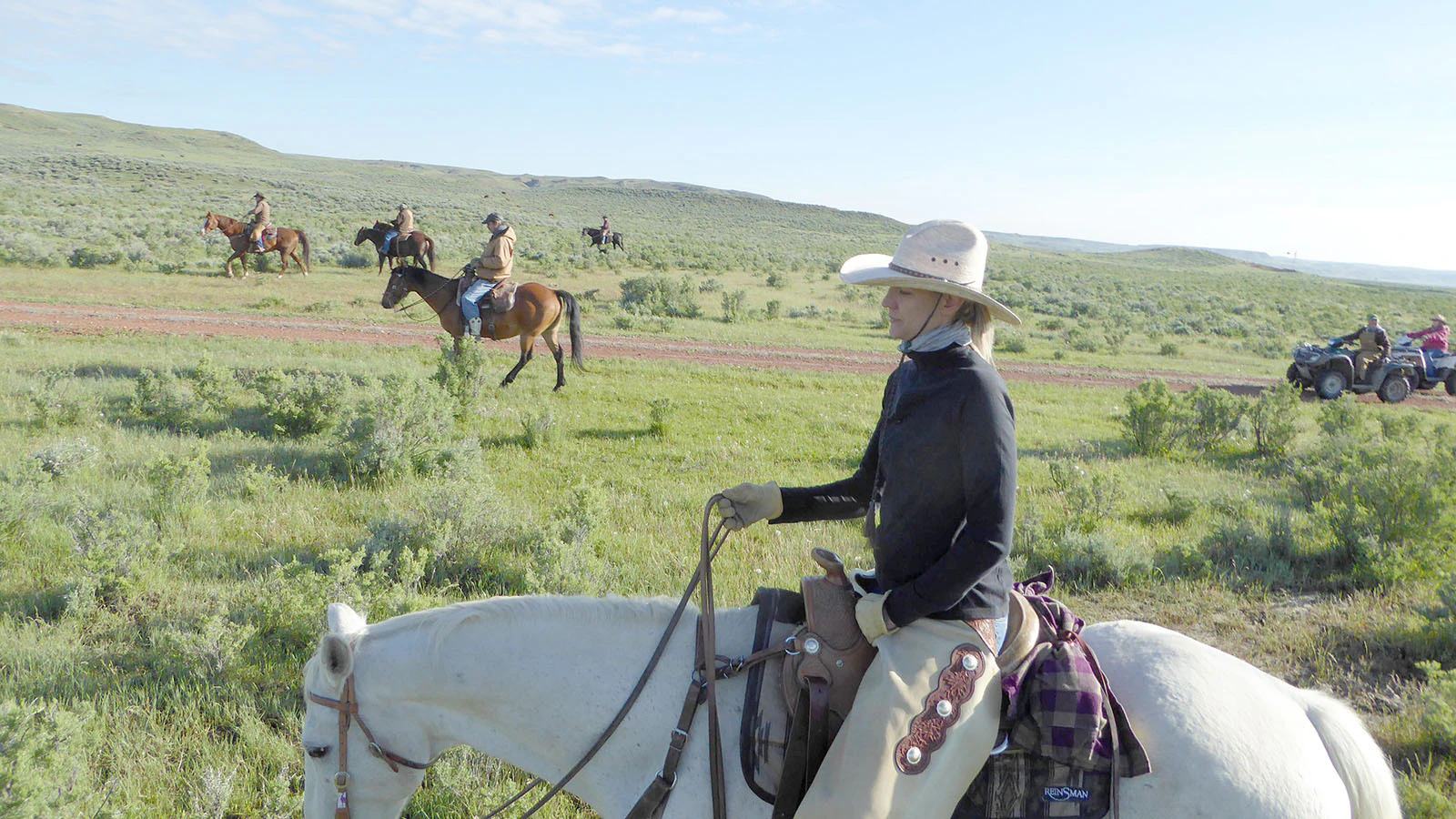
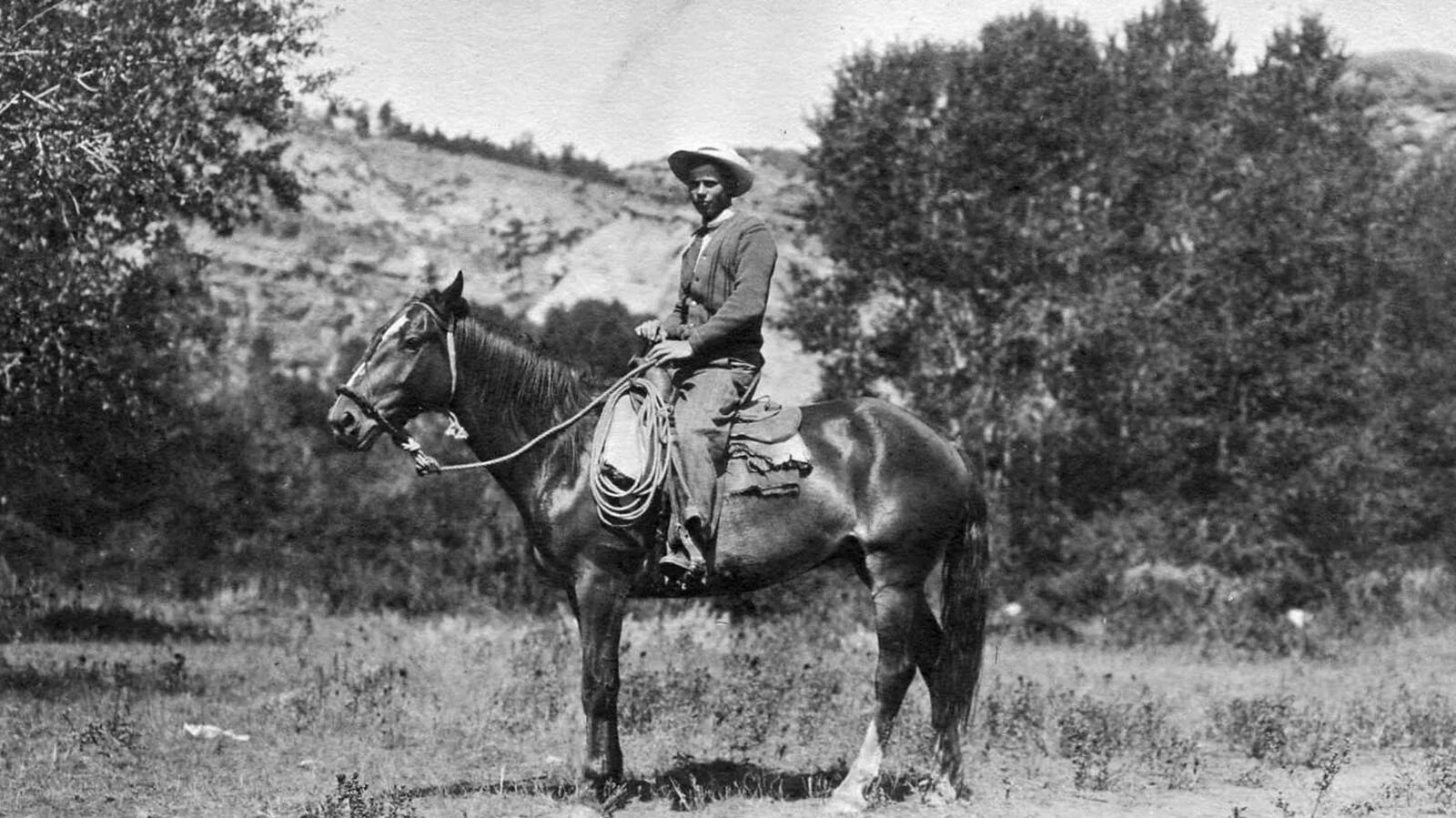
The Hall family was one of the first to homestead in Campbell County, and because they arrived earlier than almost anyone else, they were among the only families to retain ownership of the coal beneath their land.
In the 1960s, Exxon secured one of the first coal leases in the county on the Hall property, and a mine plan was developed that would have made it one of the earliest operations in the basin, according to testimony before the commission.
Then in the 1970s, a landmark federal law called out a significant environmental flaw in the mine plan.
The Surface Mining Control and Reclamation Act prohibited mining on alluvial valley floors, the water-rich bottomlands along creeks and rivers whose soil and hydrology cannot be restored once strip-mined.
The Hall Ranch, situated along Wildcat Creek in northern Campbell County, was designated an alluvial valley floor, and its coal was effectively condemned.
McKenna and Charles Sorenson are longtime friends with the Halls and are representing them.
McKenna told Cowboy State Daily the grandson of the original homesteader — a decorated World War II veteran who survived the Bataan Death March — tried for years to work with the federal government on a coal exchange, but eventually gave up, she said.
In 2012, recalled McKenna, a federal court ruled that the Halls were entitled to exchange their 130 million tons of “fee coal” for an equivalent federal tract. But that ruling marked the beginning of a new battle.
Dragged On For Years
The Bureau of Land Management, which administers federal mineral rights, pushed back, according to the Sorensons.
Charles told the commission that the BLM initially appraised the Hall coal at negative $10 million and refused to share its methodology. Negotiations dragged on for years.
To break the impasse, McKenna recruited a professor at the University of San Francisco School of Law.
“I got to be really good friends with the professor,” she told Cowboy State Daily.
The Harvard-trained attorney with a boutique law firm took the Hall case on contingency, she said.
The firm then secured a binding mediation agreement. An independent appraisal of the Hall coal is now underway, McKenna said.
"So then based on the appraisal, the state would just buy out their position,” said McKenna, allowing the Halls to “finally be done with this horrible long battle. I mean, it's really taken a toll on them."
The state would then use those rights to negotiate directly with the federal government and be able to select small federal parcels that currently block access to state-owned school trust sections adjacent to operating mines.
That’s how the swap could open up roughly 250 million tons of coal for future production.
“Who’s the big winner in all this? It’s the state of Wyoming,” Charles told the county commission. “About 25% of that income would go right to the state of Wyoming.”
County Support
The Campbell County Commission unanimously signed a letter of support on March 18 and directed it to each of the five members of the State Board of Land Commissioners, which would need to approve any state purchase of the Hall’s coal rights.
The letter states that “transactions that promote orderly development, enhance recoverability of mineral resources, and provide economic certainty for operators and communities alike are in the best interests of both the County and the State of Wyoming.”
Specifically, the commission endorsed the “timely completion and execution of the Hall Ranch/Wildcat Creek AVF Fee Coal Exchange,” coordination with the Wyoming Office of State Lands and Investments, and “continued interagency collaboration to ensure efficient implementation consistent with state and federal law.”
Commissioner Jim Ford voiced strong support but added a caveat.
“There is a unique time here, I think, under the Trump administration — maybe they could get this pushed through after your long, long efforts and your persistence there,” Ford said.
But he also warned that, “I would not be in favor of the state using public dollars to acquire fee coal if they can’t get the federal swap accomplished. If they can get the coal available for mining, I’d be in favor. But I wouldn’t want state dollars to create a situation where the coal still doesn’t get mined.”
Growing Need?
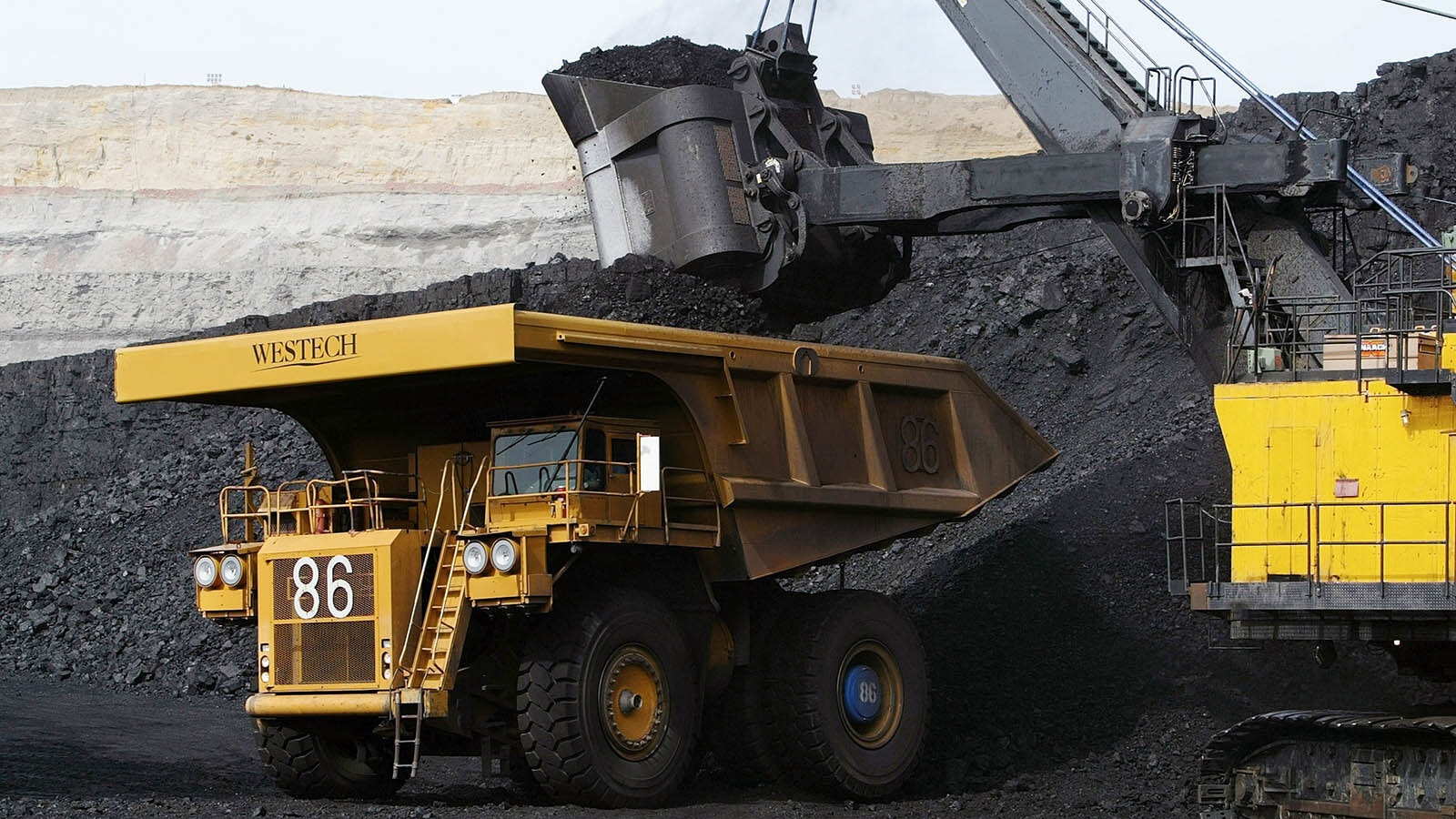
In her interview with Cowboy State Daily, McKenna Sorenson argued that the proposal addresses an urgent and growing problem in Campbell County: the mines are running out of accessible coal.
“Actually, the mines here are starting to get fairly desperate to get more coal,” she said.
“If we can open up and get back to digging, I think it is really beneficial for the community,” McKenna said during the commission discussion while Charles also celebrated the idea of gaining access to more coal.
“Twenty years ago, it wasn’t a big deal because we were mining 500 million tons a year,” he told the commission. “Well, now we’re only mining 250.”
Matt Fry, director of the Center for Energy Regulation and Policy Analysis at the University of Wyoming’s School of Energy Resources, said the concept of state land exchanges to consolidate holdings is not new, but the specifics of this proposal raise questions that would need to be worked through.
“I suspect there would be a lot of front-end work on the state side to derisk the transaction,” Fry told Cowboy State Daily.
The state would also need to evaluate the coal market and its ability to sell the resource, Fry said.
“The state has looked at opportunities for exchanges to consolidate state lands in order to maximize earnings for the state for a long time,” Fry said.
But this deal, said Bob LeResche, a board member with the Powder River Basin Resource Council, may not deliver the desired earnings.
Before retiring to Sheridan, LeResche said, “I was commissioner of natural resources in Alaska, so I was in charge of oil and gas, coal and other mining. So I know a fair amount about that stuff."
LeResche acknowledged many in Wyoming believe the coming data center boom and other energy needs are going to increase demand for coal, but he doesn’t see it that way.
"You remember several months ago the feds tried to have two coal sales? Nobody came,” said LeResche. “And those who did come did what? Bid half a cent a ton or something.
"There's no reason to drag the state into this. And there's no reason to think that just because the state would own some coal, that suddenly there'd be a market for coal leases.”
Next Steps
The Sorensons hope to eventually present the proposal to the State Land and Investment Board, which would need to evaluate and vote on any future swap.
Micky Fisher with the Wyoming BLM told Cowboy State Daily that, “The land exchange between the state and federal is possible.”
As for the drawn-out legal battle over the Hall Ranch’s coal and valuation, Fisher said, “The litigation is what it is.”
“We’re in the business of getting proposed projects — getting them to the finish line if they make sense,” Fisher said.
David Madison can be reached at david@cowboystatedaily.com.