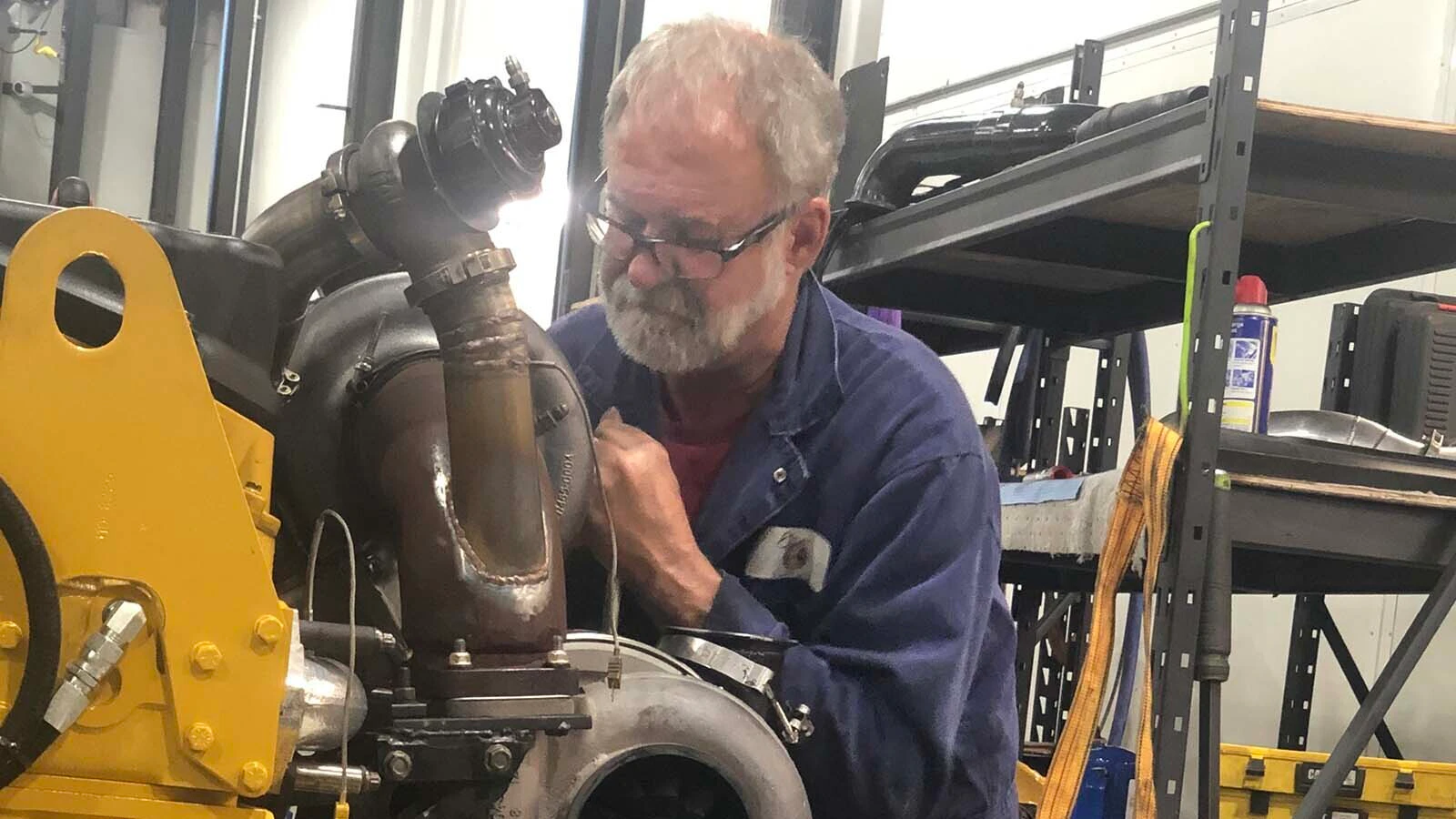
It seems the federal government is working to help truckers and others who use diesel engines, Troy Lake, Wyoming’s most well-known diesel mechanic, told Cowboy State Daily.
But a new rule change the U.S. Environmental Protection Agency (EPA) unveiled Friday could do more harm than good, Troy Lake and his son TJ both told Cowboy State Daily in a Friday phone interview.
The EPA on Friday echoed an announcement by President Donald Trump that the agency is removing the diesel exhaust fluid (DEF) sensor requirement for all diesel equipment.
DEF sensors test the quality of the urea-based solution known as DEF that diesel trucks now use as aftertreatment to reduce nitrogen oxide (NOx) output. An unsatisfied sensor may reduce the engine's power, leading to dangerously slow speeds on the highway.
The wrong DEF concentrations aren’t the only things that flummox the sensor: temperature changes and other factors can do so as well.
Failing DEF systems cause costly and time-consuming repairs, the agency noted.
Will Save Billions
EPA’s new guidance claims it “removes DEF sensors” the agency’s Friday statement says.
It essentially eliminates the "derate" or power reduction that the DEF sensors cause, TJ Lake said.
Citing the U.S. Small Business Administration, the EPA believes the new rule will save farmers $4.4 billion a year and Americans $13.79 billion a year.
The agency is still allowing manufactures to use NOx sensors to hold trucks within the same environmental-related parameters.
Troy Lake also said the rule may cause ultimate harm in the industry.
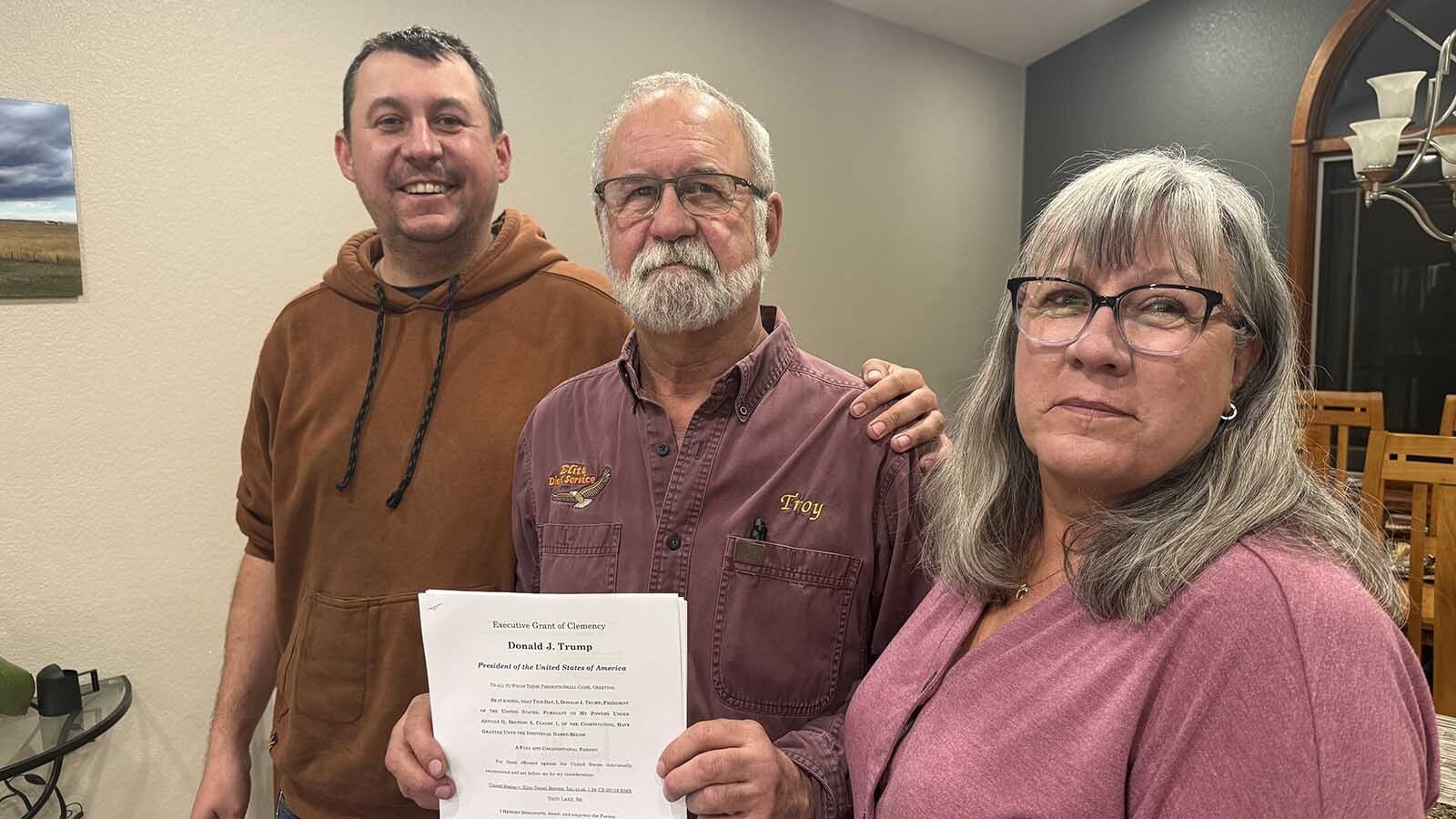
Troy Lake gained national attention last year for winning a full pardon from President Donald Trump after the Biden administration placed him in federal prison for deleting emissions components.
“Well, this gets rid of the derate (power reduction) thing that has been a big complaint,” said Troy Lake of the Friday rule change. “And people hear (about) that more, so.”
But the rule change, he said, seems to be “just shutting those devices off from doing that but not taking the problem away.”
’Not Even Curing The Symptom'
TJ Lake said it’s not even like curing the symptom rather than the disease.
“They’re taking the symptom, and they’re transferring it to another thing. They’re not even curing the symptom,” said TJ. “They’re just changing the verbiage of the symptom and passing it down the road.”
TJ Lake predicted turbo failures, injector failures, and issues with “everything upstream” in the system.
Troy Lake has long theorized that smart diesel mechanics could devise new and better ways to make clean diesel engines that fit within environmental parameters, but don’t cripple trucking businesses and other diesel-borne efforts — like ground firefighting or ambulance — as the current systems sometimes do.
He reiterated that point in his phone interview, in which TJ also joined.
“We all want clean air,” he said. “And I know we’re going to all have to compromise with the government in that aspect of it.”
In response to Cowboy State Daily’s inquiry on the Lakes’ concerns, EPA Region 8 Denver Office community involvement coordinator Katherine Jenkins referred Cowboy State Daily back to the original press release.

Maybe It’s Part Of A Bigger Arc
Levi Krech is another well-known diesel mechanic, recently of Wyoming, who was under federal prosecution for deleting emission systems until the Wyoming U.S. Attorney’s Office dropped its case against him, in line with Trump’s more lenient direction on such cases.
The Trump administration earlier this year announced it would no longer pursue criminal cases against delete mechanics, though they still may face civil actions.
Krech told Cowboy State Daily on Tuesday that the Lakes are correct that removing just one part of the emissions system could cause more damages. The move could cause “massive” engine failures, he said.
And that’s either a blunder by non-mechanical people in bureaucratic agencies, or just one step in a bigger master plan to eliminate the costly emissions systems altogether, he said.
“We got rid of DEF just a little bit,” said Krech with a chuckle. “Well, now they’re going to have massive engine failures, and that’s where (industry groups) are going to push it even more with (the government) and say, ‘Just take it off. That’s not OK.’”
Krech was sympathetic to the ongoing administrative and legal battles of EPA Director Lee Zeldin, saying “one step at a time” might be Zeldin's most viable approach to deregulating industries that have suffered harmful, regulation-induced setbacks in the past two decades.
“I believe we’re headed in the right direction, but you know just – if I could just put in there, keep calling your senators if you guys want the right to repair (engines),” he said.
Krech, like Troy Lake, believes that some mechanics could make cleaner diesel engines than the federal government and major manufacturers have so far devised.
“(We need to) show the world how bad these systems really are,” he said. “The world needs to know.”
Clair McFarland can be reached at clair@cowboystatedaily.com.