Water is the lifeblood of eastern Wyoming — sustaining our farms, our families, and the rural way of life that defines our communities.
When the Bureau of Reclamation tunnel located near Fort Laramie, Wyoming — managed by the Goshen Irrigation District and serving the Gering-Fort Laramie Irrigation District in Nebraska — failed, it threatened not just infrastructure, but the livelihoods of Wyoming citizens and all who depend on this system every day.
This system does not exist in isolation. Our water, our agriculture, and our communities are deeply interconnected.
When farmers and ranchers in Goshen County are impacted, it is also felt by neighboring communities that share processing capacity, markets, and long-standing working relationships.
When one part of our state faces an emergency like this, the effects ripple outward — and Wyoming responds as it always has: neighbors stepping forward to support one another.
This is how government should work — local knowledge, state leadership, and federal responsibility coming together to solve real problems.
Today, we are seeing results.
Contracts have been signed, work is underway, and the announcement of $100 million in federal funding through the Bureau of Reclamation — confirmed in press releases from the Department of the Interior and Wyoming’s federal delegation — marks a significant turning point.
This infusion of funding helps ensure that the burden does not fall disproportionately on local producers and water users, whose assessments must remain within their ability to pay.
We are also seeing something equally important: follow-through and accountability.
The Department of the Interior and the Bureau of Reclamation are stepping forward to fulfill their responsibility on this non-transferred project. That sets an important precedent — not only for Goshen County, but for communities across the West facing similar challenges.
This is not an isolated issue. Across Wyoming and the western United States, irrigation infrastructure — much of it more than a century old — is aging and under increasing strain.
The challenges we have faced here reflect a broader need for long-term investment, coordination, and responsible stewardship of the systems that sustain our agricultural economy.
From the first day, I have been alongside our irrigation boards, farmers, and producers, working together to navigate the situation and pursue practical solutions.
This has been a coordinated effort — local districts, state leadership, and federal partners working through the realities of a complex and urgent challenge.
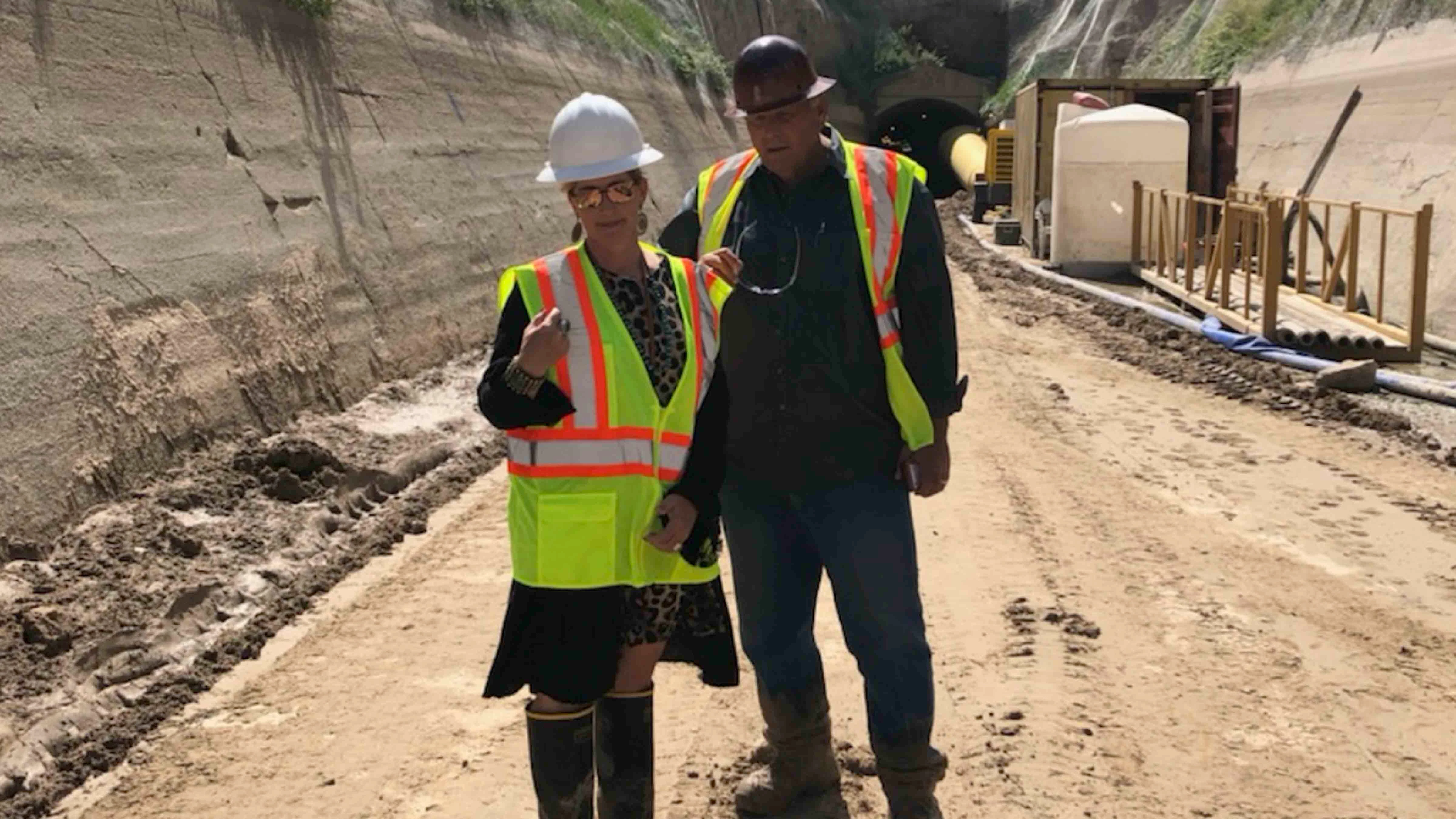
That work has included on-the-ground assessments, numerous meetings, and direct engagement with the Bureau of Reclamation and the Department of the Interior, along with formal correspondence outlining both the urgency of the situation and the federal responsibility for non-transferred infrastructure.
What began as a breach is becoming a breakthrough — one that protects our producers, strengthens our infrastructure, and secures Wyoming’s water future.
Senator Steinmetz represents Goshen, Niobrara, and Weston counties.