Campaign season in Wyoming used to be pretty simple.
Candidates shook hands at the county fair, bought coffee at the local diner, and ran a modest newspaper ad reminding voters they loved cattle, coal and the Constitution. If things got spicy, somebody mailed out a flyer accusing the other fellow of being “too cozy with Cheyenne.”
Those days are fading fast.
Modern campaigns are messaging machines. Political consultants now test slogans in focus groups, micro-target voters online, and flood mailboxes, phones and social media feeds with carefully engineered messages.
The modern principles for persuading voters were first described nearly a century ago by Joseph Goebbels, the propaganda minister for Nazi Germany.
Before anyone falls out of their chair, let’s be clear. Pointing out propaganda techniques does not mean Wyoming campaigns resemble Nazi Germany. It simply means political persuasion has been studied for a long time—and modern campaigns use what works.
Understanding those techniques helps voters separate truth from manipulation. As campaigns get more sophisticated in their techniques to persuade voters, voters need to become more astute in separating the crap from the cream.
One classic propaganda trick is simplification.
Real policy is complicated. Campaign messaging is not.
A 200-page bill becomes a six-word accusation.
“You voted to raise taxes.”
“You voted to force feed pornography to children.”
“They want to take your guns.”
Truth languishes during campaign season. Simple slogans travel faster than complicated explanations.
Another time-tested tactic is repetition.
Say something once and voters might shrug.
Say it twenty times—through mailers, social media ads, text messages, and radio spots—and suddenly it sounds familiar.
And here’s the funny thing about familiarity: the human brain often mistakes it for truth.
Psychologists call it the “illusory truth effect.” Political consultants just call it Tuesday.
Expect repetition this election season. Lots of it.
Then there’s transfer.
Campaign ads love symbols. American flags. Oil rigs. Coal trains. Rifles. Ranch gates swinging open against a Wyoming sunset.
Those images send signals before a candidate even opens their mouth.
The message is simple: I’m Wyoming. My opponent isn’t.
You’ll also see a heavy dose of scapegoating.
Political messaging loves a villain.
Sometimes it’s “The Elite.”
Sometimes it’s “Liz Cheney RINOS.”
Sometimes it’s “out-of-state money.”
Blame is powerful. If voters are frustrated—and many are—campaigns will happily point to someone who supposedly caused the problem.
The final tool is volume. Lots and lots of volume.
Political scientists sometimes call it the “firehose” approach to messaging. Instead of persuading voters slowly, campaigns blast out information from every direction at once.
Mailers. Texts. Facebook ads. YouTube clips. Door-to-Door. Cheesy videos. Commentators.
The idea is simple: overwhelm the conversation.
When voters are bombarded with information, they rarely stop to fact-check every claim. They react to emotion instead.
Sound familiar?
Wyoming saw a preview of this new style of campaigning in 2024, when out-of-state political groups poured forklift loads of money into legislative races. Suddenly, even small districts were seeing messaging campaigns that looked more like national politics than small-town Wyoming.
That trend isn’t slowing down.
If anything, the coming primary season may turn the volume knob even higher.
None of this means voters are helpless.
In fact, the cure for propaganda is surprisingly simple: slow down.
When a mailer says a candidate “voted to destroy Wyoming jobs,” look up the vote.
If you are not sure, call the candidate.
When a text message claims someone “wants to take your guns,” read the bill yourself. No elected politician in Wyoming wants to take your guns, although there are interest groups who want you to believe there are, and to encourage you to donate to support their advocacy.
When a social media post tries to make your blood pressure spike, ask a basic question: Who paid for this message?
Campaigns are designed to trigger emotion. Anger spreads faster than analysis.
You are more easily manipulated when you are angry.
But Wyoming voters have always prided themselves on being a little harder to fool.
We live in a state where people still read the fine print, attend the town hall meeting, and ask uncomfortable questions.
That habit is about to become extremely valuable.
Because if the coming campaign season follows national trends, Wyoming voters are about to experience a historic amount of political noise.
And some will be propaganda dressed up in a cowboy hat.
The challenge for Wyoming voters isn’t avoiding the noise.
The challenge is keeping enough Wyoming common sense to tell the difference.
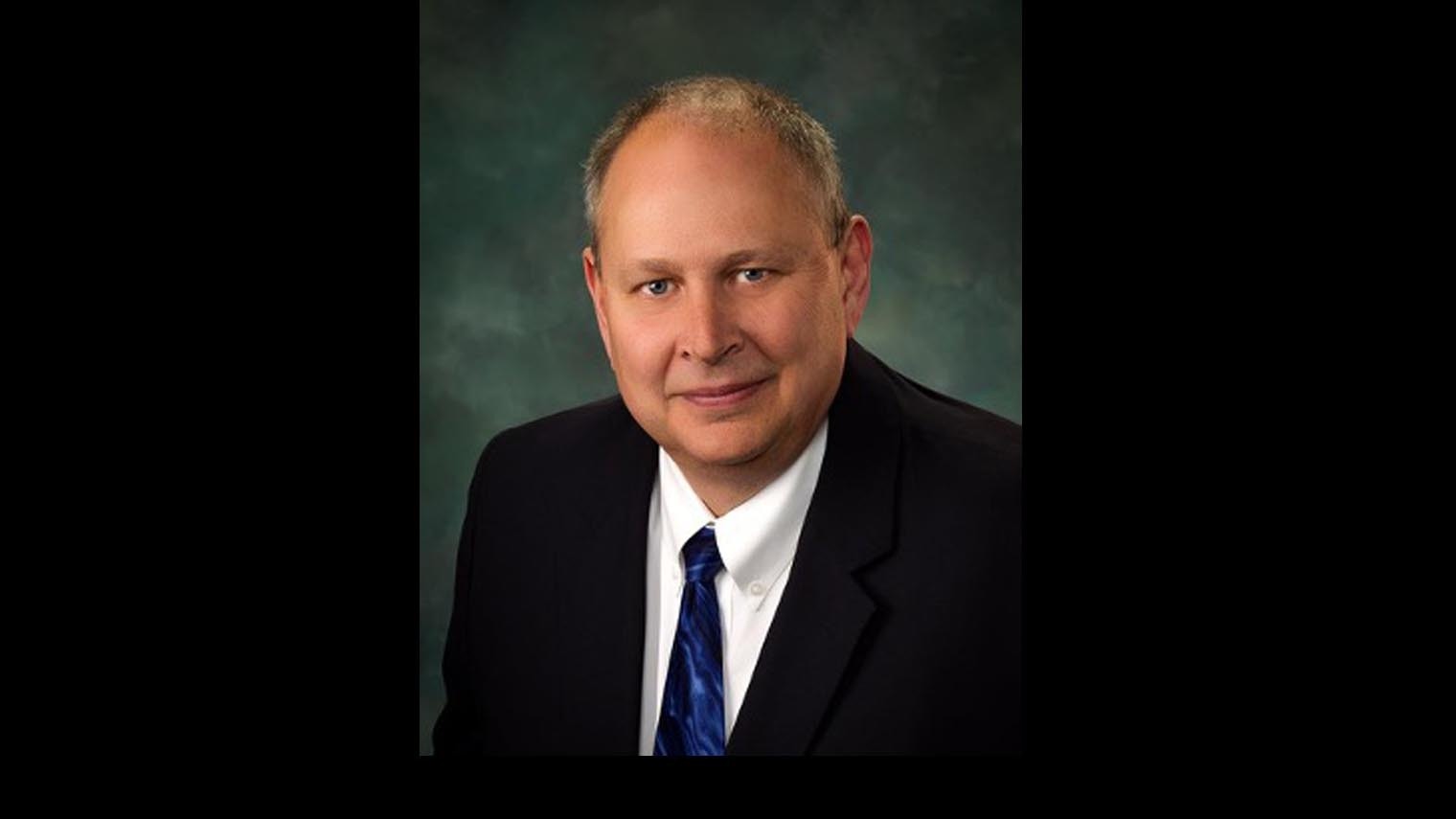
Tom Lubnau served in the Wyoming Legislature from 2004 to 2015 and is a former Speaker of the House. He can be reached at: YourInputAppreciated@gmail.com