If you haven’t been living under a rock lately, you’ve seen it: heated budget fights, proposed cuts to the University of Wyoming, attempts to gut the Wyoming Business Council, and the lingering fallout from the “checkgate” controversy on the House floor.
What you haven’t seen is any rational explanation on why these cuts were needed – except for “we needed to get their attention.”
That’s the real issue voters should be thinking about in this election. Did they get your attention with their proposed future for Wyoming? If they didn’t, I hope this piece helps a little.
When the budget was released and there were major cuts to the University of Wyoming, the response from around the state was decisive. Residents contacted lawmakers and made it clear: UW is not just another line item.
It trains our workforce, supports agriculture and energy research, and keeps Wyoming students in Wyoming. Deep, punitive cuts without a strategic plan don’t strengthen the state — they weaken it.
The same debate is happening around the Wyoming Business Council. Critics portray it as unnecessary government spending. But communities across the state know its role in recruiting business, supporting local entrepreneurs, and stepping in when disaster hits.
When the irrigation tunnel collapsed in Goshen County, it wasn’t rhetoric that helped local agriculture — it was coordinated public (GOVERNMENT) support.
When sugar beet crops froze in northern Wyoming, it wasn’t ideology that steadied those producers — it was practical economic assistance. Those weren’t handouts. They were targeted interventions that protected Wyoming jobs and Wyoming families.
Yet some members aligned with the Wyoming Freedom Caucus continue to frame nearly every public investment as “welfare.” That argument might sound good for national talking points, but it falls apart when those that scream about it actually are exposed.
Because here’s the uncomfortable truth: several of the loudest voices against “government dependency” had no hesitation accepting federal pandemic relief funds, business stabilization programs, or other public dollars when their own operations were at risk.
Wyoming voters are fair-minded — but they are not blind to hypocrisy.
If government support is wrong in principle, then it should be wrong consistently. If it’s acceptable when your own business needs it, then perhaps it’s not inherently immoral when farmers, communities, or local industries need it either.
This election should also force an honest conversation about transparency.
The “checkgate” episode — where campaign checks were distributed on the House floor during session — damaged public confidence at a time when trust in government is already at an all-time low.
Whether legal or not, the optics reinforced what many people already think about politicians: that insider politics and power plays matter more than deliberation and public trust.
Let me be clear – it may not have been illegal, but it doesn’t make it right. That kind of damage lingers.
Wyoming has long valued independence. Lately we seem to elect representatives who parrot talking points drafted by national organizations.
Instead, we should expect them to think for themselves, to understand our economy, and to make decisions rooted in what works here — not what wins applause in partisan circles.
Budget reform is legitimate. Oversight is necessary. Government should always justify its spending. We’ve done that over the past decade.
But cuts for the sake of cutting — without a replacement strategy, without measurable outcomes, without acknowledging real-world consequences — aren’t reform. They’re disruption.
Here’s some real world questions to ponder as your candidates knock on your doors and fill your mailboxes with scare tactic flyers:
· What is your plan for maintaining workforce development if you cut UW?
· How will rural communities recruit employers without the Business Council’s tools? OR frankly, do rural counties even want employers?
· Where is the consistent principle behind your stance on public dollars?
· Who is funding your campaign, and what expectations come with that support?
Anger is easy to manufacture. Governing is not.
Wyoming faces real challenges: diversifying our economy, keeping young families here, sustaining agriculture, balancing energy development with fiscal responsibility.
Those problems require serious leadership — not ideological litmus tests or votes on crafty titled bills that don’t actually do what they say they do.
This election should not be about who can shout the loudest about “waste” or “welfare.”
It should be about who has a coherent plan, who applies principles consistently, and who understands that institutions like our university and economic development agencies exist because they serve a purpose.
Wyoming works best when we combine independence with practicality. When we reject hypocrisy. When we expect transparency. And when we choose leaders willing to govern — not just campaign.
That’s the conversation voters deserve.
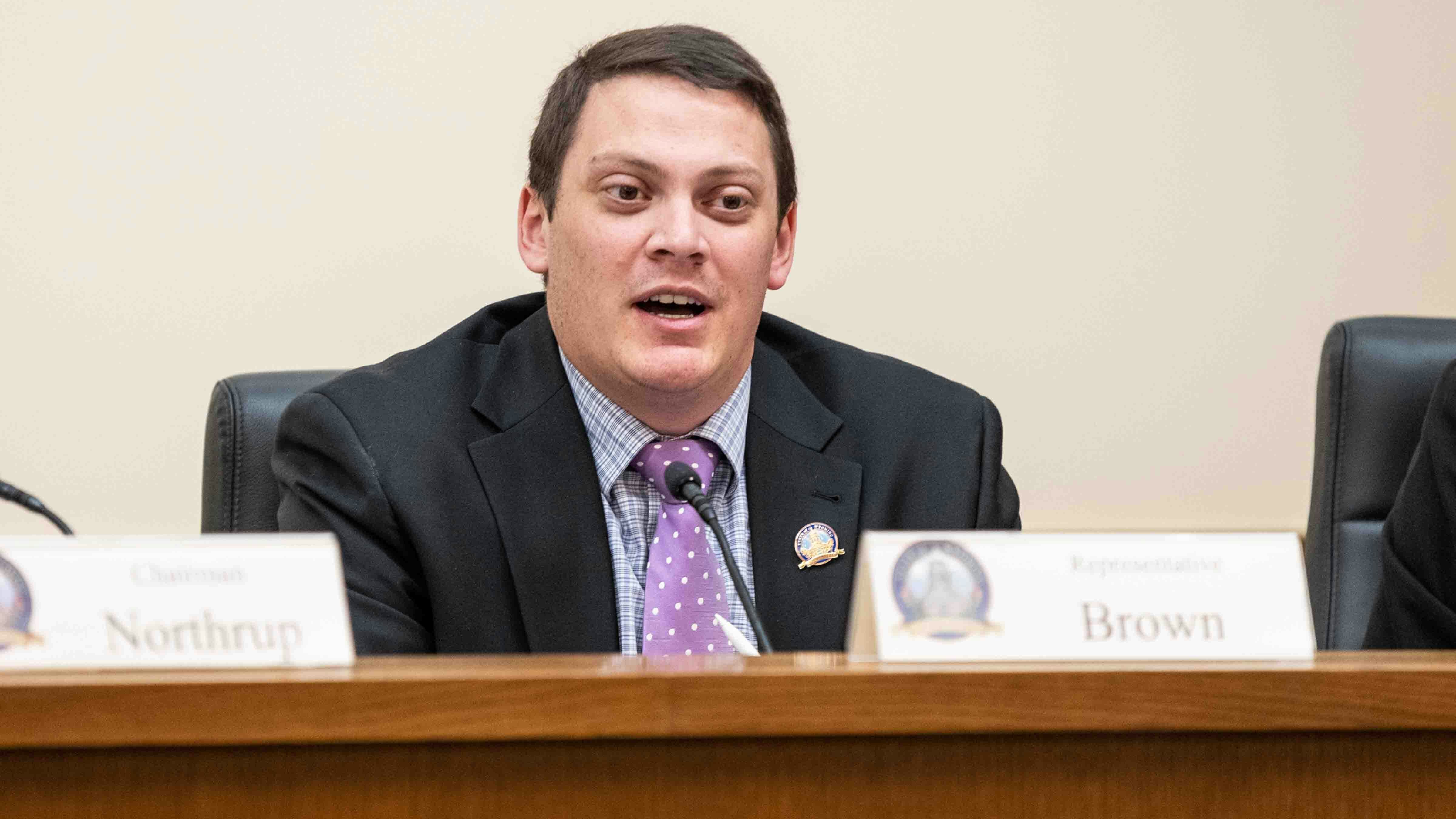
Landon Brown represents House District 9 in Cheyenne