As the president prepares for the State of the Union address on Tuesday night, Wyoming’s meteorologists are analyzing the “state of the atmosphere” as winter yields to spring.
Tuesday was a great day of winter weather in Wyoming, even if most of the state didn’t notice.
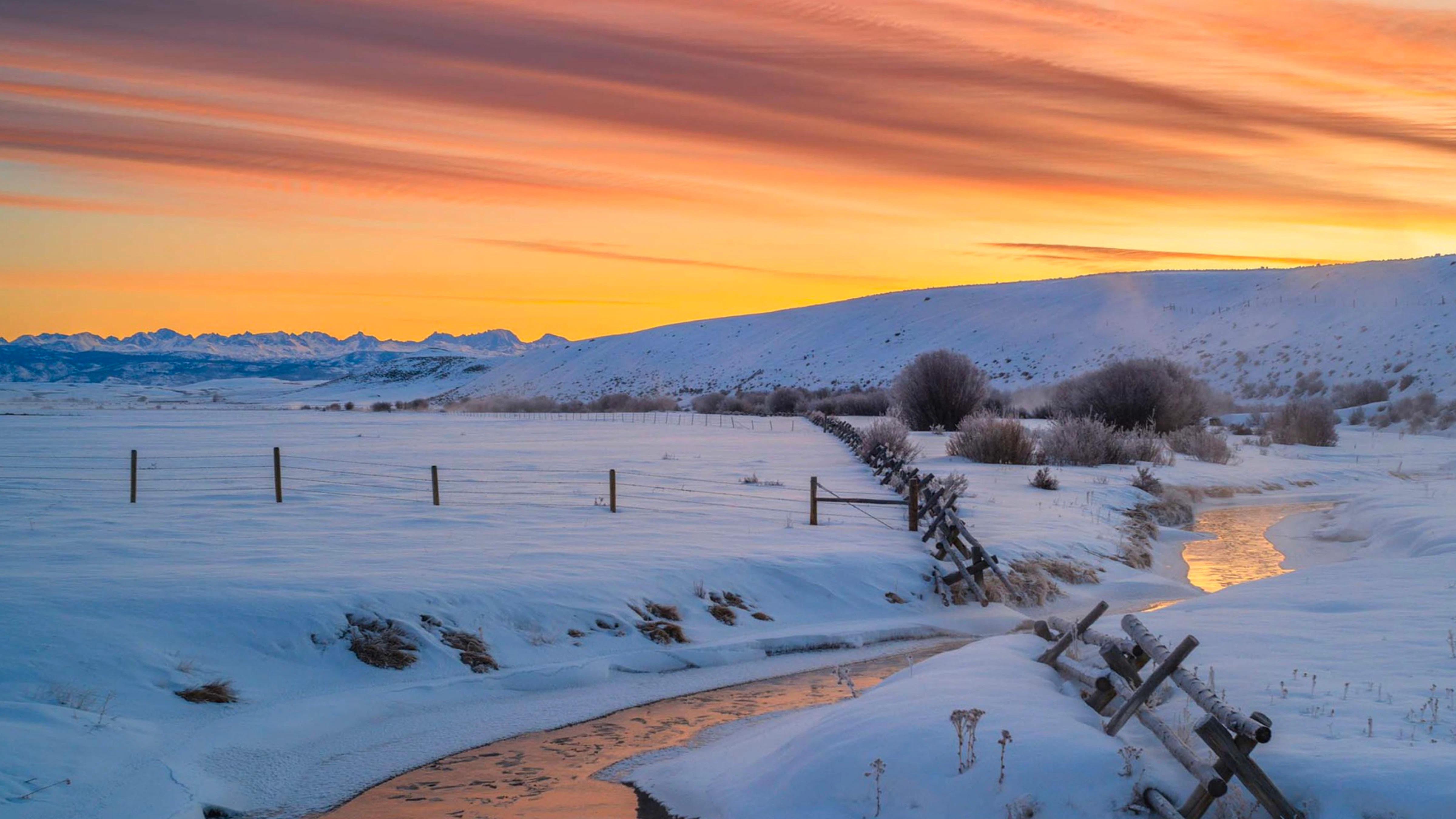
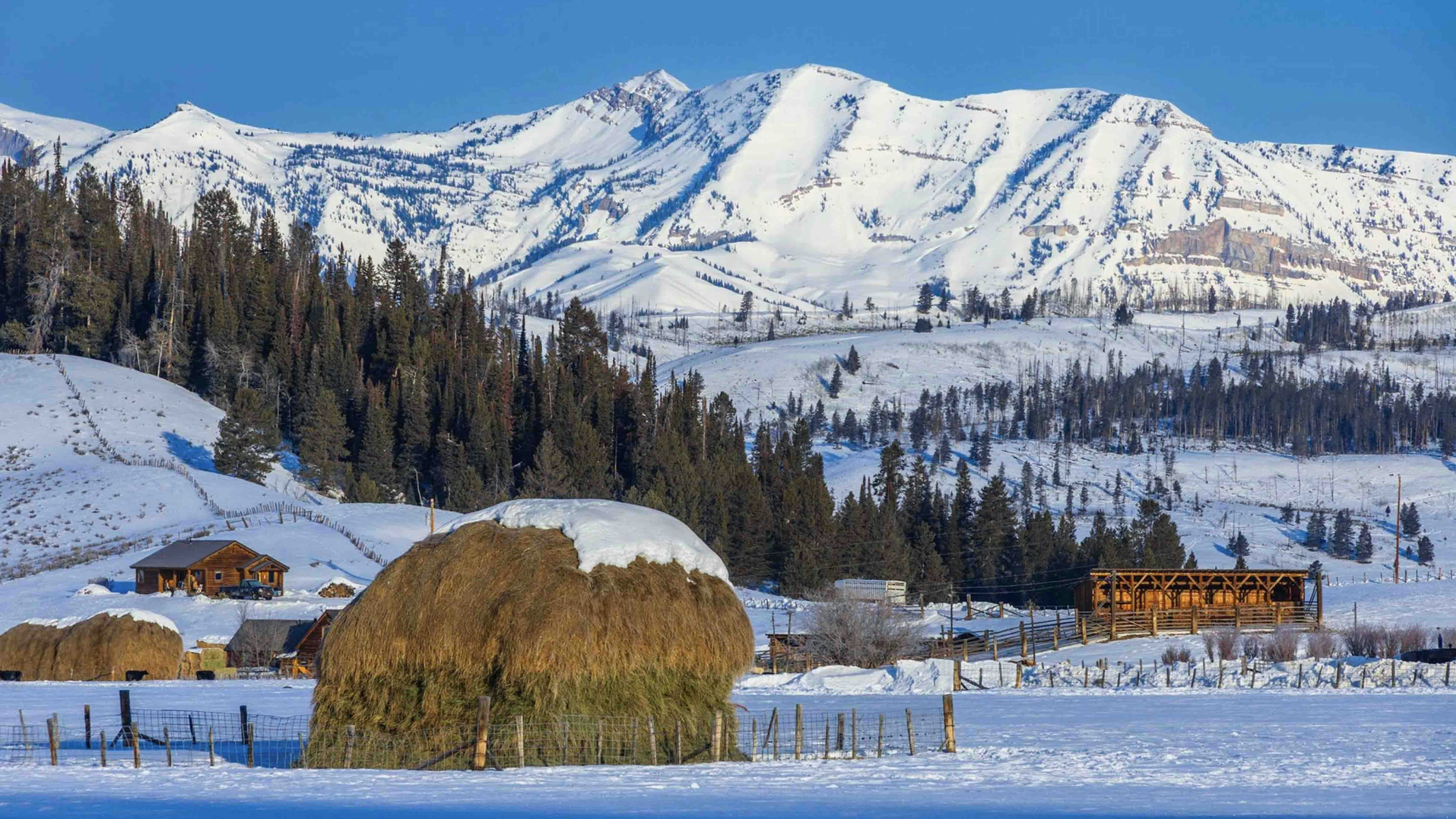
A winter weather system moved into the western mountains on Monday night, dropping several inches of wet, heavy snow by Tuesday morning. The National Weather Service (NWS) anticipates at least a foot of new snow across western Wyoming before it's over.
“We finally got some taste of winter,” said meteorologist Taylor Wittman with the NWS office in Riverton. “By the time the storm is done Wednesday evening, there could be two to maybe even three feet up on the higher elevations of the mountains.”
Meanwhile, it’s still bone-dry across the rest of Wyoming. There’s less than a month before meteorological winter ends on March 20, and there hasn’t been much to show for it.
December, January, and February were dominated by above-average temperatures and below-average precipitation. That means March, April, May, and June have their work cut out for them.
“These are the money months,” said Cowboy State Daily meteorologist Don Day. “The next six to eight weeks are absolutely critical, and the state of the atmosphere is a different animal than what drove the winter.”
Finally In February
Despite a lack of widespread snow, Day said the few winter weather events Wyoming experienced in February were “really good.” Many places got more moisture in a few days than they’ve seen for entire months.
“We saw three to six inches of snow over most of the central, northeast, and southeast Wyoming last week,” he said. “We had water content of a quarter to over a half inch in some areas, which is the normal amount of precipitation for the whole month of February.”
The “disappointment” was in the mountains. Day said last week’s winter weather wasn’t as productive at the higher elevations, but that doesn’t mean it was devoid of snow.
“We saw snowpacks in the western and southern mountains have a 3% to 6% increase,” he said. “That’s still good, and the water content of all the snow was really good.”
That’s not a bad way to end February, even if the lower elevations are left wanting for more moisture. According to Wittman, the mountain snowpacks should be at or near their seasonal averages by the end of the month.
“On the whole, you're going to probably see a lot of places where it looks pretty good or near normal,” he said. “With this storm, it might jump back up to a little bit more above normal.”
That should be some reassurance for the bulk of Wyomingites, who live in the lower elevations that have gone without much winter this winter. Is there a change on the horizon?
There should be — and there’d better be.
The Money Months
Many meteorologists across the western states will mark this winter season as one of “the worst” in recorded history. More snow has fallen in eastern cities like New York and Boston in a single week than Salt Lake City and Denver have gotten all season.
However, Day has an oft-stated mantra that Wyomingites know well.
“The lack of snow in November, December, January, and February is remarkable, without question,” he said. “At the same time, climatology says you get the bigger snows in March and April, and the atmospheric state is changing.”
Wittman agreed that Wyoming, historically, gets much more moisture in spring than winter. The last two weeks have been encouraging indications that that pattern will persist into the coming months.
“We tend to see some of our wetter systems in spring, usually because there’s more moisture available,” he said. “In Riverton, we’ve received eight to nine inches during the last storm. One system could double that, either as snow, rain, or a rain-snow mix.”
That won’t happen this week, according to Wittman’s forecast. The winter weather won’t make it out of the mountains for the moment, but the long-range forecast is more promising.
“It's going to stay fairly dry, warm, and windy this week,” he said. “Looking ahead, the Climate Prediction Center has us in warmer-than-normal temperatures, favoring near-equal chances of precipitation. That’s what we would expect for the start of March.”
The State Of The Atmosphere
While Wyoming remains warm and dry, Day is seeing encouraging signs across the Northern Hemisphere. Widespread trends are developing that could be more favorable for Wyoming as it moves into meteorological spring.
“There's a lot going on in the Northern Hemisphere,” he said. “This week, Greenland could experience the coldest temperatures it’s seen since the 1990s. There’s a lot of cold air available in the high latitudes, big changes over the Pacific Ocean, and a rapid warming trend in sea surface temperatures over the equator.”
Individually, those are promising developments. Together, Day believes they could have a profound impact on Wyoming’s spring.
“We need the weather to get stormy, and you’ve got to have storms to get precipitation,” he said. “There’s a lot on the table that Wyoming can opt into, and there are indications that that's going to continue as we start the new month.”
Even if the bulk of this week’s winter weather won’t escape the mountains, Day sees two weeks of consistent weather patterns as a strong indication of widespread change.
“I would not blame anybody whatsoever for being skeptical,” he said. “When it's all said and done, we dug such a big deficit that it's going to be hard to catch up. But the state of the atmosphere is changing, and it all coincides with patterns that normally change in March and April. There’s going to be a lot to work with.”
Don’t Give Up (Yet)
There’s no denying that the 2025-2026 winter season has been unorthodox. Most Wyoming communities have consistently experienced record-breaking high temperatures and a concerning lack of moisture for months.
“I would not blame anybody who has thrown in the towel on winter,” Day said. “I'm hearing from people waving the white flag, saying we’re not going to get any winter. They've had their hearts broken before, so they're just not going to go with it, and I totally understand that.”
Nevertheless, Day encourages everyone to retain their optimism. It’s entirely possible that the upcoming spring will have more winter weather than the outgoing winter.
“March, April, May, June, as I tell you all the time, are the four wettest months on average,” he said. “It is a fool’s errand to think that the wettest three out of the four months coming up are not going to produce something.”
In summary, Day’s “state of the atmosphere” message is to hold off on putting away your snow shovels, snowmobiles, and winter boots. There could be a lot more winter this spring.
“There’s the possibility, at least, that you’ll wake up one morning to shovel your driveway through the middle of May,” he said. “Does it get persistently cold in March and April? No, but it’d be wrong to assume that our chances of widespread winter weather are gone.”
That said, the “money months” will be the make-or-break period. If the next four months don’t provide, the dry spring will yield to a dangerously dry summer.
“You can recover from a bad December, January, and February,” Day said. “You cannot recover from a bad March through June. We’ve had two weeks in a row of decent systems in the mountains, so things are picking up.”
Andrew Rossi can be reached at arossi@cowboystatedaily.com.