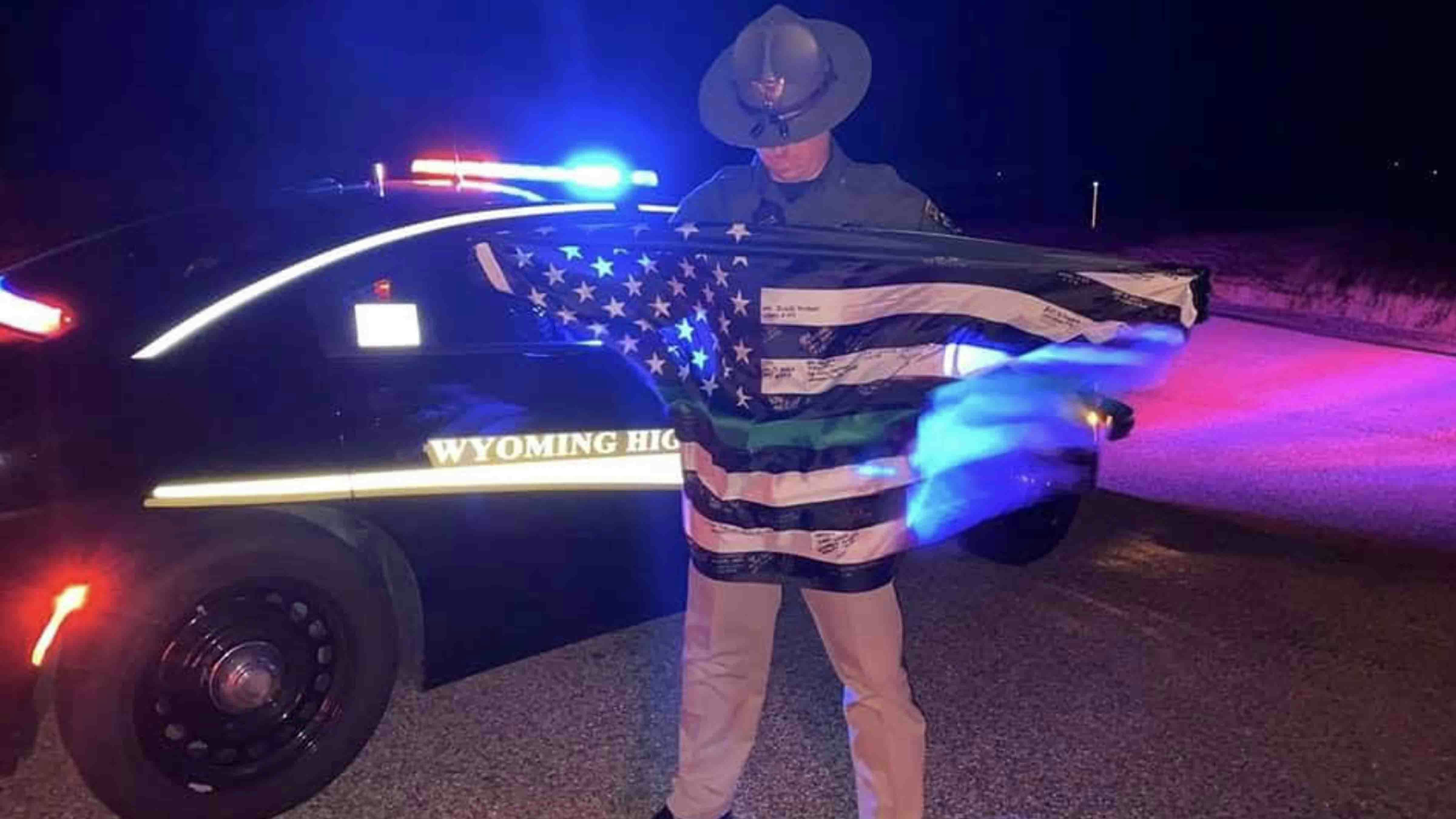
She watched for eight years as the Wyoming Highway Patrol deteriorated around her husband, a veteran trooper who gets called out in the middle of the night to drive icy, unplowed highways to remote crashes because the agency is too short-staffed to send anyone else.
When the patrol eliminated overtime pay in December 2025 — after, she writes, it “so badly mismanaged their funds” that no money remained — the family lost the one financial consolation that had kept them going.
“I want my husband to quit this agency because WHP leadership has shown, through its choices, that it values administrative hierarchy over frontline service, budget optics over safety, and command authority over the people who actually patrol Wyoming’s roads,” she writes.
Her anonymous account, titled “I Want My Husband to Quit WHP,” is one of dozens of first-person stories collected by the Wyoming Highway Patrol Association and published at wystatetroopers.org/whpmatters — the centerpiece of the association’s first-ever social media campaign, which has significantly increased traffic on the WHPA’s social media channels and website as the Legislature debates the 2026 biennial budget.
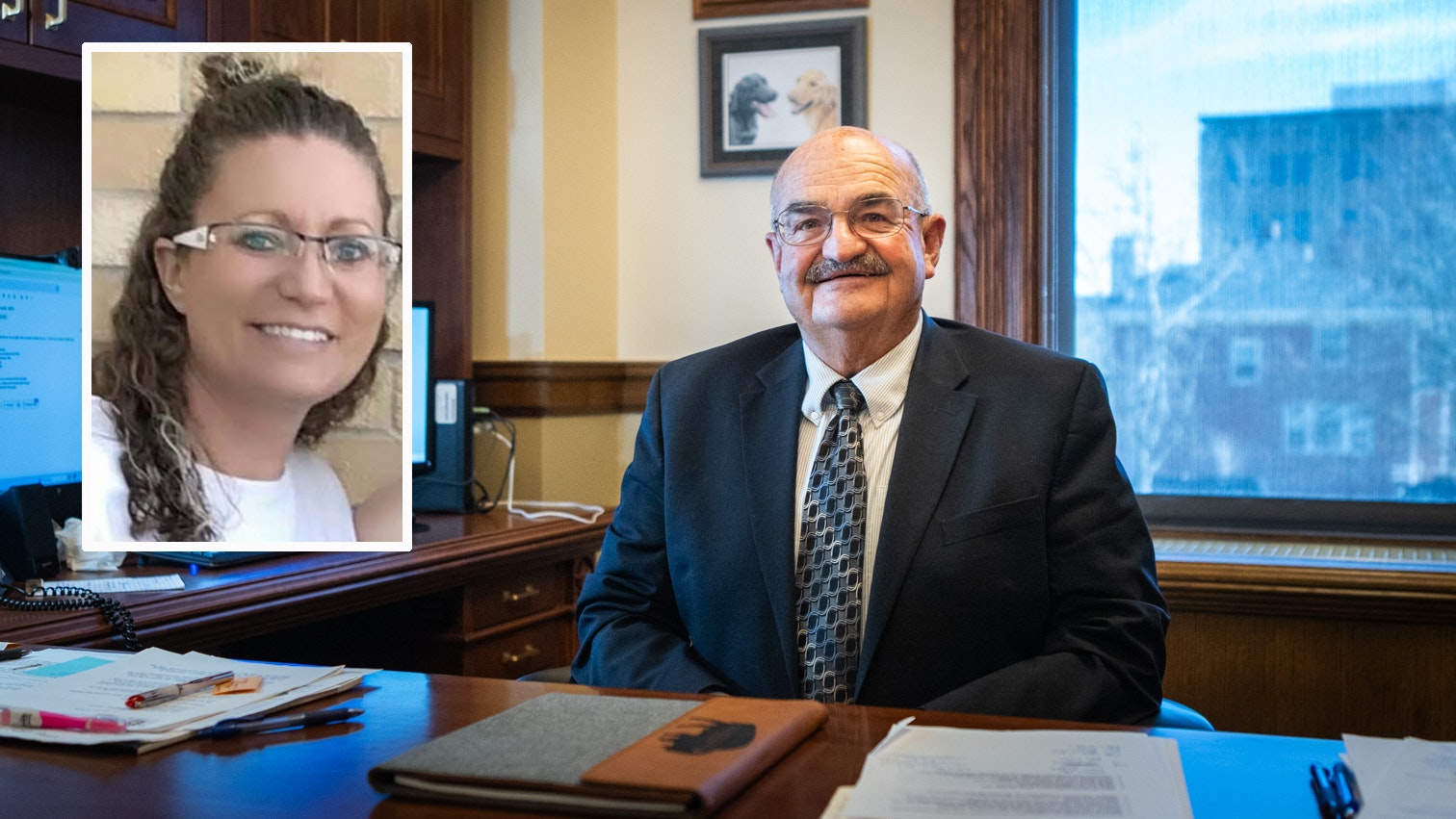
The man who collected the stories is Lt. Matt Arnell, the association’s president and a 25-year highway patrol veteran who doesn’t have Facebook, doesn’t want Facebook and, by his own admission, never will.
But he knew social media had to be part of this fight.
“This is the first time that we’ve ever tried this, to launch a campaign like this — social media and online,” Arnell said. “I’m kind of learning as I go here.”
Arnell put out a call to the membership: How does inadequate pay affect your life? Your car payment? Your mortgage? Your ability to take the family somewhere or pay the doctor bills? The stories poured in, and the posts have since generated thousands of views and been picked up by nationwide law enforcement pages.
“I guess I’m the one to blame,” Arnell said with a laugh.
Arnell collected every story on the site. He works with Rally Point Alpha, an Arizona-based law enforcement PR firm, which built the website and posts the content. Trooper Austin Bluemel, the association’s vice president, manages the social media side — the part Arnell cheerfully concedes he knows nothing about.
“It’s definitely being seen across, at least in some small pockets across the country and definitely across Wyoming,” said Bluemel about the current campaign.
Quiet Exhaustion
The spousal voices have proven to be one of the campaign’s most potent weapons. Another post features a different trooper’s wife writing of watching “my husband’s light dim, the pride he once carried replaced by quiet exhaustion and heartbreak.”
Bluemel said those posts generate the most traction because they reframe the issue. “It doesn’t sound like a bunch of troopers are just whining because they want more money,” he said. “It’s coming from a spouse talking about what they’re going through and what they see and how they see it.”
Among the stories Arnell collected is one titled “Why I’m Leaving WHP,” from an 18-year veteran who finally left the patrol for a county sheriff’s office — a decision Arnell said was purely financial.
Nothing surprised him, he said, because the problem isn’t new.
“This has been an ongoing issue. I’ve been on for 25 years, and this has been an ongoing issue the entire time I’ve been on the highway patrol,” he said.
Stark Numbers
The data paints a picture of an agency in crisis.
The patrol has experienced a 56.29% attrition rate among sworn officers over the past five years, with 178 troopers voluntarily resigning.
The agency currently has 28 vacant positions out of an authorized strength of 208, with seven additional recruits still in the academy. The Communications Center faces a 37% vacancy rate, and all 44 dispatch positions have turned over within five years — a 100% attrition rate costing more than $1.2 million in training alone.
“It’s not that all 44 dispatchers have left,” Arnell clarified. “But out of the 44 dispatch positions that they are allotted, they’ve had to fill 44 of them within the last five years. Because some dispatchers come on, they’re there for a year or less or two years and then they resign and leave because they just can’t make it on that pay.”
Wyoming’s starting trooper salary of approximately $60,949 ranks 44th out of 49 state agencies nationally. The surrounding-state average is approximately $80,957. Each departing trooper costs the state an estimated $116,717 in training and equipment investment.
In fiscal year 2025, troopers investigated nearly 5,000 crashes and assisted more than 12,000 stranded motorists. Dispatchers handled more than 150,000 calls for service. At any given time, only 15 to 20 troopers may be actively patrolling the state’s 6,859 miles of road.
Overtime Axed
Bluemel, an 11-year trooper on the agency’s crash investigation team, said the elimination of overtime pay amounts to a pay cut.
He responded to the Green River Tunnel crash last year — where Trooper Timothy Howell rescued people from a multi-vehicle collision that set the tunnel ablaze — and was paid overtime for that work. If such a catastrophe occurred today, he would receive flex time off instead.
“When I get called to those and I take my specialized knowledge and equipment and the training that I have, we should be compensated for that,” Bluemel said. “Right now, I can’t be compensated for that. I have to flex that time off later in the week.”
The flex-time arrangement compounds the staffing problem, he said, because taking time off in an understaffed agency leaves additional gaps in road coverage.
Pay Gap
Bluemel said his base salary is approximately $80,000 after 11 years. He said he could go to the Lyman Police Department, where he lives, and start at $96,000.
“That should be embarrassing,” he told Cowboy State Daily. “We shouldn’t have our state troopers actively looking at smaller agencies because they pay better.”
The association supports the governor’s proposal to bring state employees closer to median pay parity at 2024 levels — which Bluemel characterized as a pay adjustment, not a raise, since employees are currently compensated at 2022 levels. Even that would leave employees two years behind, Arnell acknowledged, “but two years behind is better than a good four years behind.”
Bluemel stressed the campaign is the work of the association — separate from the Wyoming Highway Patrol itself, which said it fully supports the governor’s budget request. Both he and Arnell said they are advocating for all state employees.
“I’m hoping to bring all state employees along with us because they’re in the hurt locker as well,” Arnell said.
Bluemel said substandard pay also threatens the quality of recruits for positions of public trust. “When the pay is not even comparable or competitive, we’re only going to attract the people that ‘I just need a job,’” he said. “That is not the people we want to be giving badges.”
Saturday Session
As the WHPA’s online campaign gained traction, state employee compensation was playing out on the floor of the Wyoming House during Saturday’s budget debate.
Rep. Art Washut, R-Casper, cited the patrol’s dispatcher crisis directly: “I saw a report that indicated that our dispatchers who dispatch for the transportation people, including our folks who wear green stripes down their legs — they’ve had a 100% turnover in that position over the last five years. 100%.”
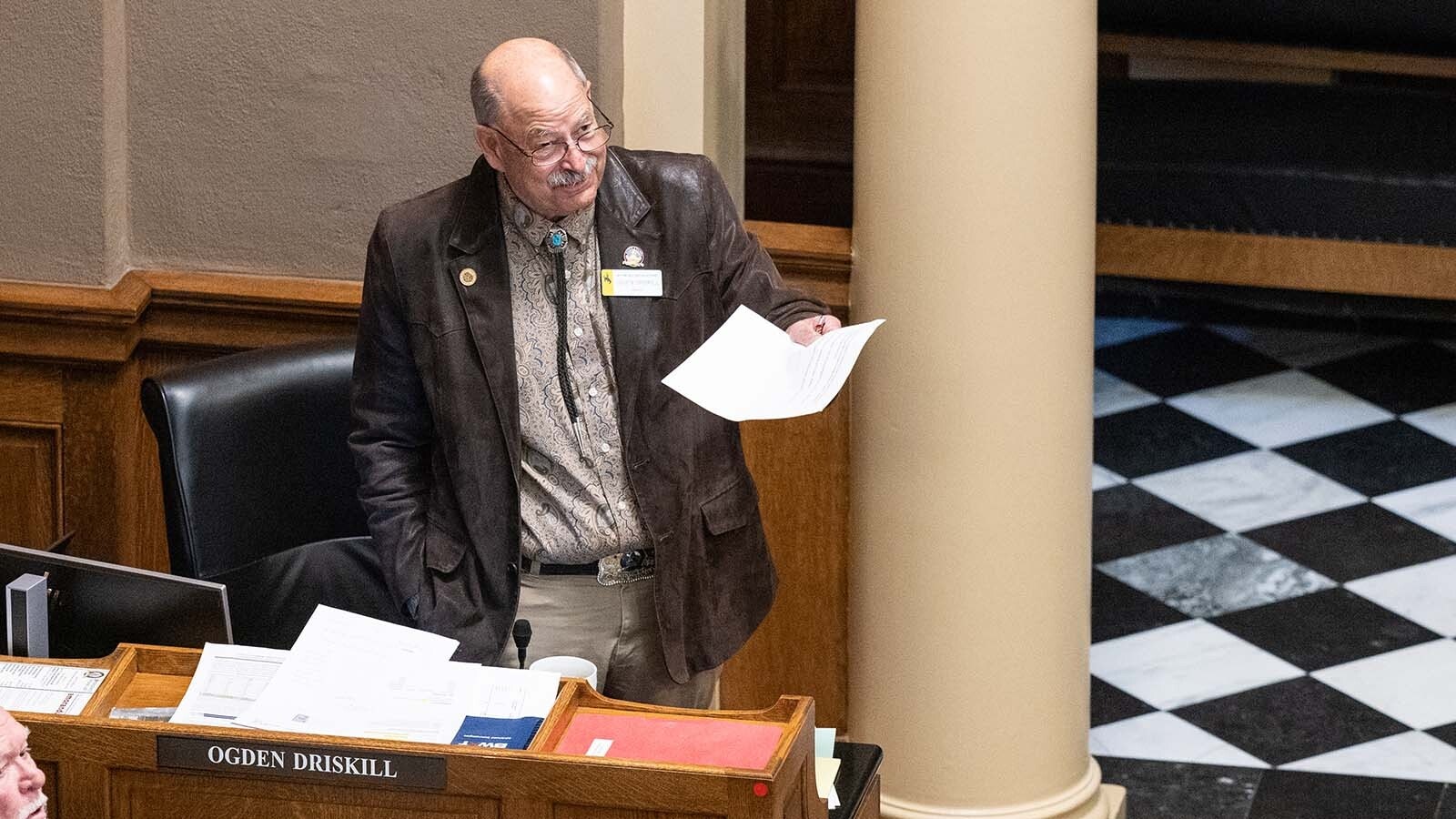
Rep. Landon Brown, R-Cheyenne — whom Arnell identified as a lawmaker particularly engaged on the issue, noting Brown attended an association meeting — pushed a fully funded 3% COLA (Cost Of Living Adjustment) for all state retirees in his Amendment 105 to House Bill 1.
“It is completely funded, paid for, and sustains a 3% COLA for all retirees,” Brown told the House. “That includes your firefighters, that includes your EMTs, that includes your highway patrol, that includes your state employees.”
Brown urged colleagues to “send a message to our retirees that worked hard for our state that have been on a fixed income for far too long.”
The amendment failed 25-35.
One piece of legislation benefiting the patrol sailed through: House Bill 41, sponsored by Rep. Joe Webb and cosponsored by Washut and others, passed 61-0 on the consent list.
The bill provides a monthly death benefit for highway patrol troopers, DCI agents and wardens killed in the line of duty. A surviving spouse would receive 90% of the officer’s salary, plus 6% for each child under 18.
Arnell said a similar bill passed for other law enforcement officers, but the highway patrol was inadvertently left out because lawmakers didn’t realize the patrol’s retirement system is separate, said Arnell.
Later Saturday evening, Rep. Jayme Lien, R-Casper, and Rep. Trey Sherwood, D-Laramie, found a bipartisan path to approve raises for all state workers. Sherwood’s amendment to House Bill 1, approved 31-29, would bring employees from 2022 pay levels to the 2024 market equivalent — funded by $111.8 million in severance tax money — and includes approximately $8 million for a one-time “thirteenth check” for retirees.
The vote is not final and must survive House-Senate negotiations but may be well-positioned: the Senate had already approved state employee raises in its own budget draft.
Sherwood told Cowboy State Daily the broader amendment means troopers, snowplow drivers and mental health nurses for whom the Joint Appropriations Committee had drafted targeted raises last month will still receive raises — but not in addition to the across-the-board increase.
Governor’s Office Watching
Amy Edmonds, a spokesperson for Gov. Mark Gordon, said the governor has been supportive of state employee compensation from the start.
“The governor’s recommendation has been, from the beginning, that all state employees deserve that compensation,” Edmonds said. “And he’s watching the process, and he’s very pleased to see both chambers moving forward with compensation.”
Arnell said the association has not had direct communication with the governor’s office, but the goals are aligned.
“I just want to get support for the governor’s budget proposal to adjust state employee compensation to the 2024 levels,” he said.
David Madison can be reached at david@cowboystatedaily.com.