The controversy over grizzlies in southwestern British Columbia, Canada, mirrors the situation in Wyoming and Montana, as grizzlies wander into new places and run afoul of people and cattle.
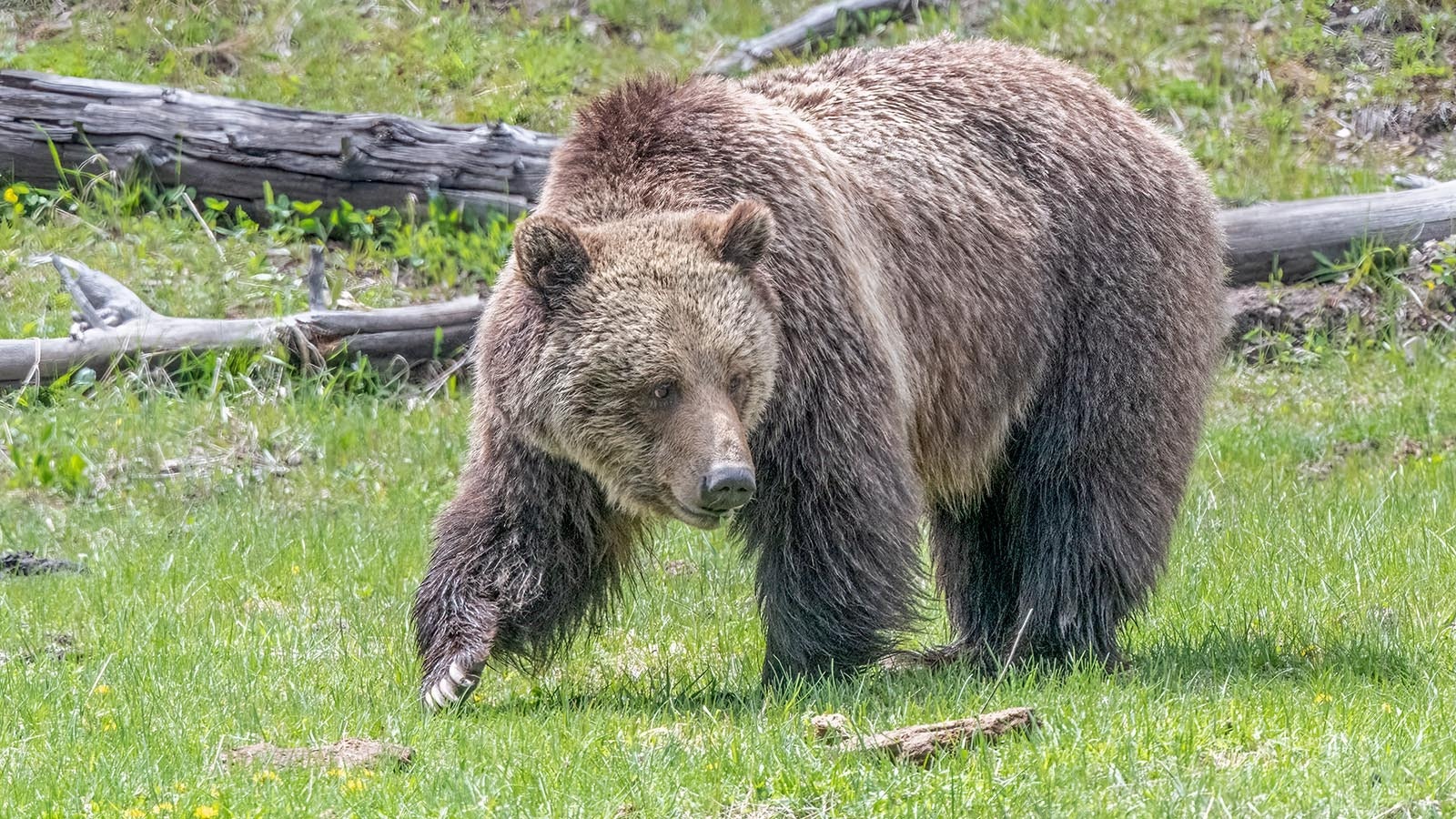
Such was the case with a young male grizzly called Tex. He was so named because he showed up on Texada Island off the B.C. coast. He was the first grizzly residents recalled seeing there.
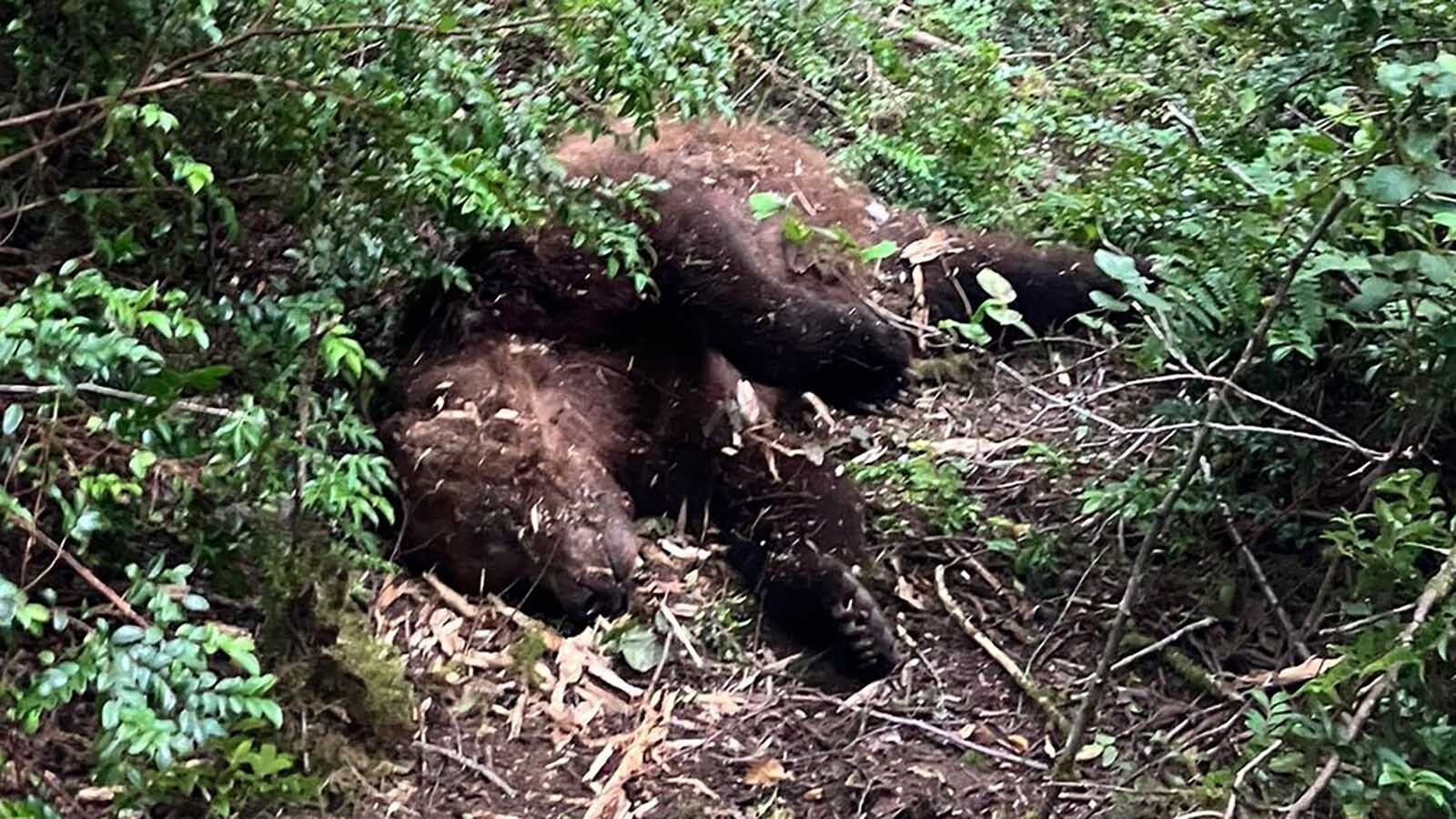
In July, Texada residents Kody Bevan and Seneca Anthony killed Tex with shotgun slugs, claiming they were defending their dairy cows from the bear.
They were recently convicted of failing to report the shooting in a timely manner and fined $3,000 each, the CBC reported.
Bevan and Anthony started a GoFundMe campaign, which had raised $8,000 as of Saturday morning.
A message left for Bevan through the GoFundMe page wasn’t returned. However, he wrote a long message on the page, giving the couple’s side of the story.
Meanwhile, it was evident that Tex narrowly missed a chance to live.
After a series of conflicts between Tex and people on the island, grizzly advocates and First Nations (Native Canadian) tribes put together a plan to capture and relocate him.
But the bear was shot before the plan could be put into action, Nicholas Scapillati, executive director of the Grizzly Bear Foundation, told Cowboy State Daily.
“It just didn’t happen fast enough before these individuals took it into their own hands,” he said.
Tex was thought to be about 4 years old, he said.
“He was just a young bear out exploring,” Scapillati said.
‘He Swam Into A Settler Community’
Southwest British Columbia is a grizzly recovery zone, because bears are sparse there, Scapillati said.
There is a “critical lack of corridors” for bears to move about and intermingle in the area, he said.
There has also been a decline in critical food sources for the bears, including salmon and wild berries, he added.
Grizzly recovery efforts have been underway for decades including a ban on hunting grizzlies about 20 years ago, Scapillati said.
As in Wyoming and Montana, grizzlies have been dispersing, sometimes showing up in places where people aren’t used to bears, he said.
Tex was first spotted along the coast about a year ago, he said. And at some point, he decided to head over to Texada Island.
“He swam into a community that is a settler community, so they hadn’t seen bears, though historically, bears would have gone there,” Scapillati said.
Local opinions about having a grizzly on the island were sharply divided, he said.
Some people loved having Text there, while others wished he would go away, Scapillati said.
“It tore the community apart,” he said.
‘Large Brown Fuzzy Thing’
In his account of events, Bevan claimed that Tex had been raising hell before he showed up at his and Anthony’s place.
“They (Canadian conservation officers) told us about this bear's rap sheet before and during its six weeks on Texada Island — that he had chased two people into the ocean and ate their clothes, that he chased a woman who was walking with her horse, and stalked people on trails several times,” Bevan stated.
He wrote that he and Anthony were walking up their driveway one evening “to go find our milk cows” when they saw “this large brown fuzzy thing.”
“Next thing we know, a grizzly bear is running towards us. We panicked and ran away back down the driveway. The bear chased us, but we didn't look back; we were both praying our crocs wouldn’t fly off or the bear's jaws would close on us as we ran,” Bevan wrote.
He stated that they returned to their house, loaded shotguns with slugs and went back outside to check on the cows.
When they saw a bear about 10 feet from the cows and “purposefully heading right for them,” they opened fire, he stated.
The bear retreated into an area of about 50 acres of thick brush, and they searched for 45 minutes before finding it and finishing it off, Bevan wrote.
Bevan claims the incident was sensationalized in news reports, and that “government officials failed the people of this island in spectacular fashion,” by not doing more to protect them from Tex.
“This bear had been trapped twice and relocated (previously), and he didn't want to take the bumpy ride in the tin can again,” Bevan stated.
‘Tex Got The Short End Of The Stick’
Fear of grizzlies has been running high in British Columbia, after high profile attacks on humans, Canadian bear safety expert Kim Titchener told Cowboy State Daily.
That included a November grizzly attack on a group of 20 people, including young children, out on a school picnic.
“There were a number of people that were mauled last year in British Columbia, and that can make people scared,” she said.
Grizzlies are also showing up in areas where people aren’t expecting them, and aren’t prepared, with such things as “bear-resistant garbage cans,” Titchener said.
Scapillati said that large agricultural operations in Canada are prepared for grizzlies, with such protective measures as electric fencing around livestock pastures.
However, people with smaller “hobby farms” like those on Texada Island aren’t as well prepared, he said.
Wildlife photographer Jason Leo Bantle lives in Alberta, Canada, and documents the life of Canada’s most famous grizzly, The Boss.
He said many Canadians were rooting for Tex.
“The community really embraced this bear and really wanted to protect this bear,” he said.
He thinks people can learn to “coexist with bears,” but he understands that things can get complicated.
“I understand that they were trying to protect livestock,” he said.
Like Scapillati, he wishes the plan to trap and relocate Tex would have come together in time.
“Unfortunately, Tex got the short end of the stick here,” Bantle said.
Mark Heinz can be reached at mark@cowboystatedaily.com.