
A bill seeking to remove sexually-explicit materials from children’s sections of public and school libraries is headed to the Wyoming House of Representatives, after the House Judiciary Committee advanced it Friday on a 6-1 approval vote.
That followed not just hours, but years of debate in iterations of the Wyoming legislative Judiciary Committee, in which opponents of this bill its predecessors call it censorship, and opponents say it’s necessary to protect kids from sexually-explicit language and imagery.
It now falls to the state House of Representatives to hear House Bill 10, debate on it, possibly amend it and if the body wishes, send it to the state Senate for a repeat of the same process.
This controversy erupted in 2022, after Cowboy State Daily published multiple reviews of sexually-explicit books in school and public libraries.
What It Would Do
If it becomes law, HB10 would define “sexually explicit materials” in graphic and anatomical terms, as describing or depicting specific sex acts.
It would require county libraries to open a materials-challenge process to residents of the county. The challenge process would give the library a chance to send a children’s-section book deemed sexually-explicit to the adult section and craft a written decision on the challenge within 60 days.
The bill would give county residents a mechanism to sue a library violating that provision, and possibly win damages, costs, fees or other legal remedies.
It would require the libraries that fail to adopt the challenge process to pay $500 for every day they fail to craft it.
On the school-library side, the bill would impose an outright ban on sexually-explicit materials, and the same lawsuit and penalty provisions for failure to follow the challenge process or implement it, respectively.
Only people living within the relevant school district could challenge books, and sue. And the reviewers of the challenged books under this law would be the school board members - who are typically elected officials - rather than an appointed committee like the kind some districts currently use.
The Clash
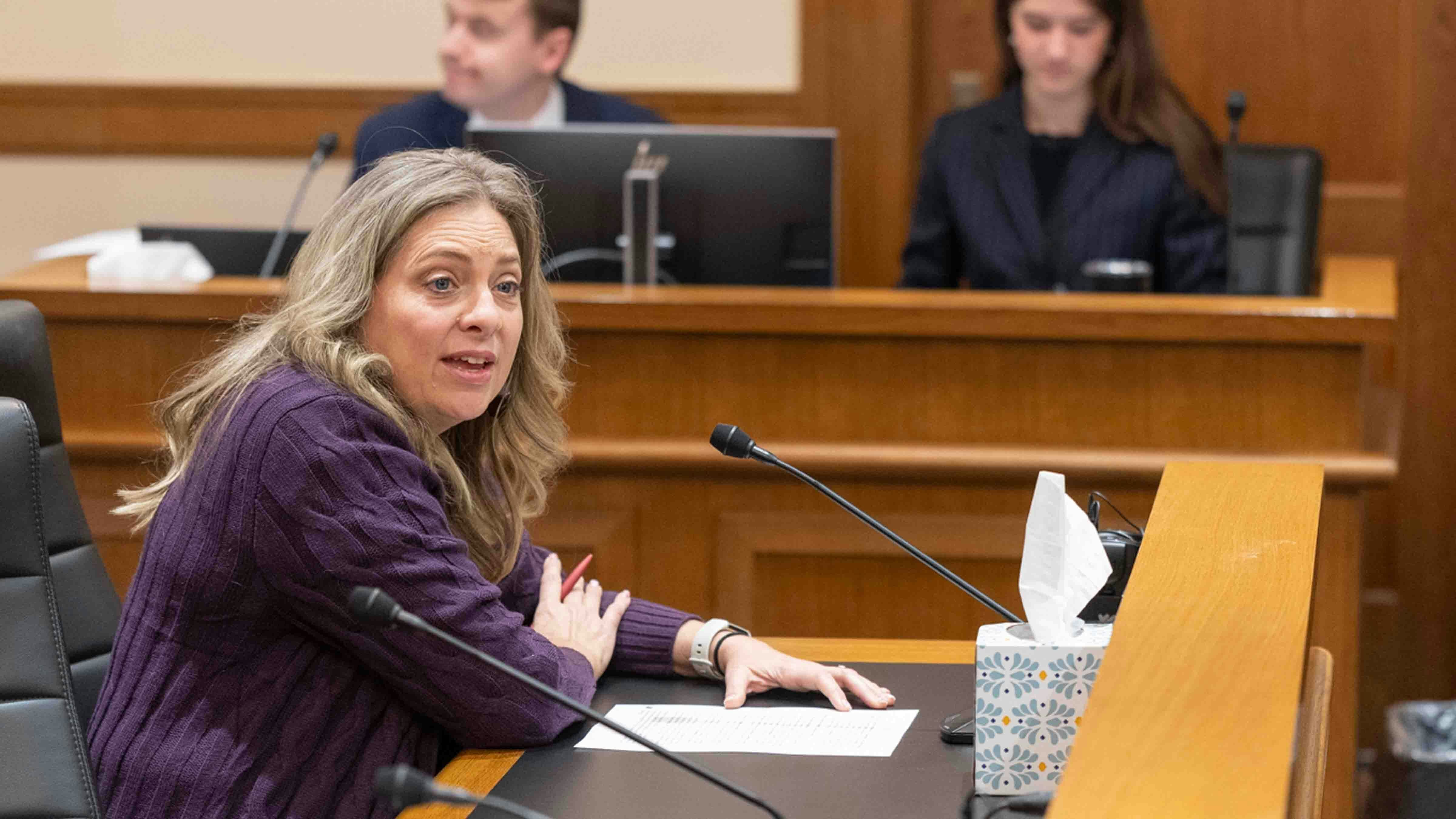
Cristine Braddy, Wyoming Library Association president, said the association is “steadfastly opposed to this bill, and to other bills that restrict access to information.”
She touted libraries’ aim to curate diverse collections, help with literacy, application of local control and community engagement.
“Moving a book from the location of its intended audience is censorship,” said Braddy. “There has been a prevalent narrative that Wyoming libraries contain pornography. Let me be clear: Wyoming libraries do not house pornography in any part of their facility.”
She said HB10 doesn’t represent a compromise or collaboration.
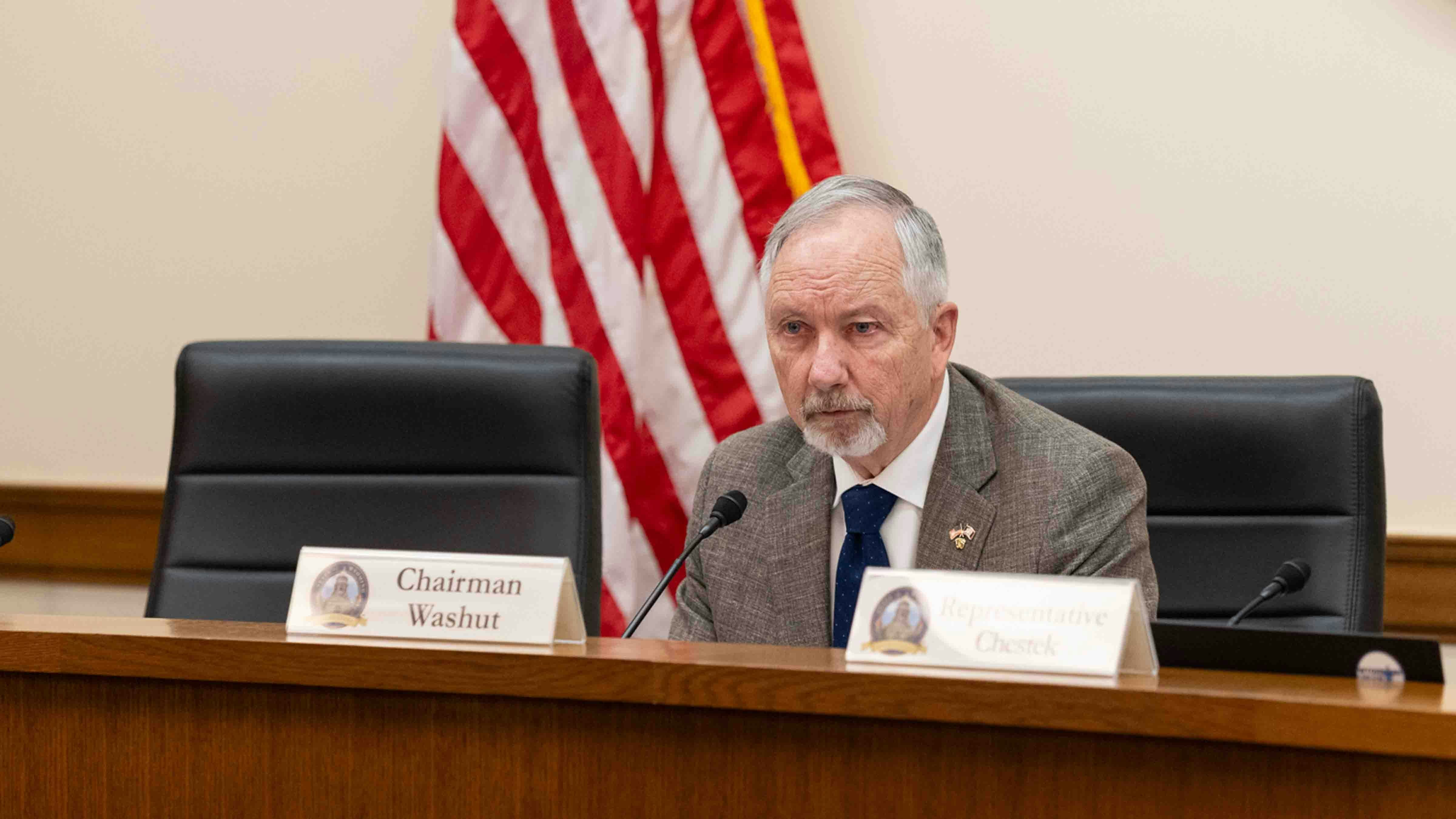
That contrasts a comment Committee Chair Art Washut, R-Casper, made in the meeting, that many members of the public believe the bill does not go far enough to protect children.
It’s also been heavily amended since last year, when an original version of it proposed $50,000 civil penalties and other heavier-handed provisions.
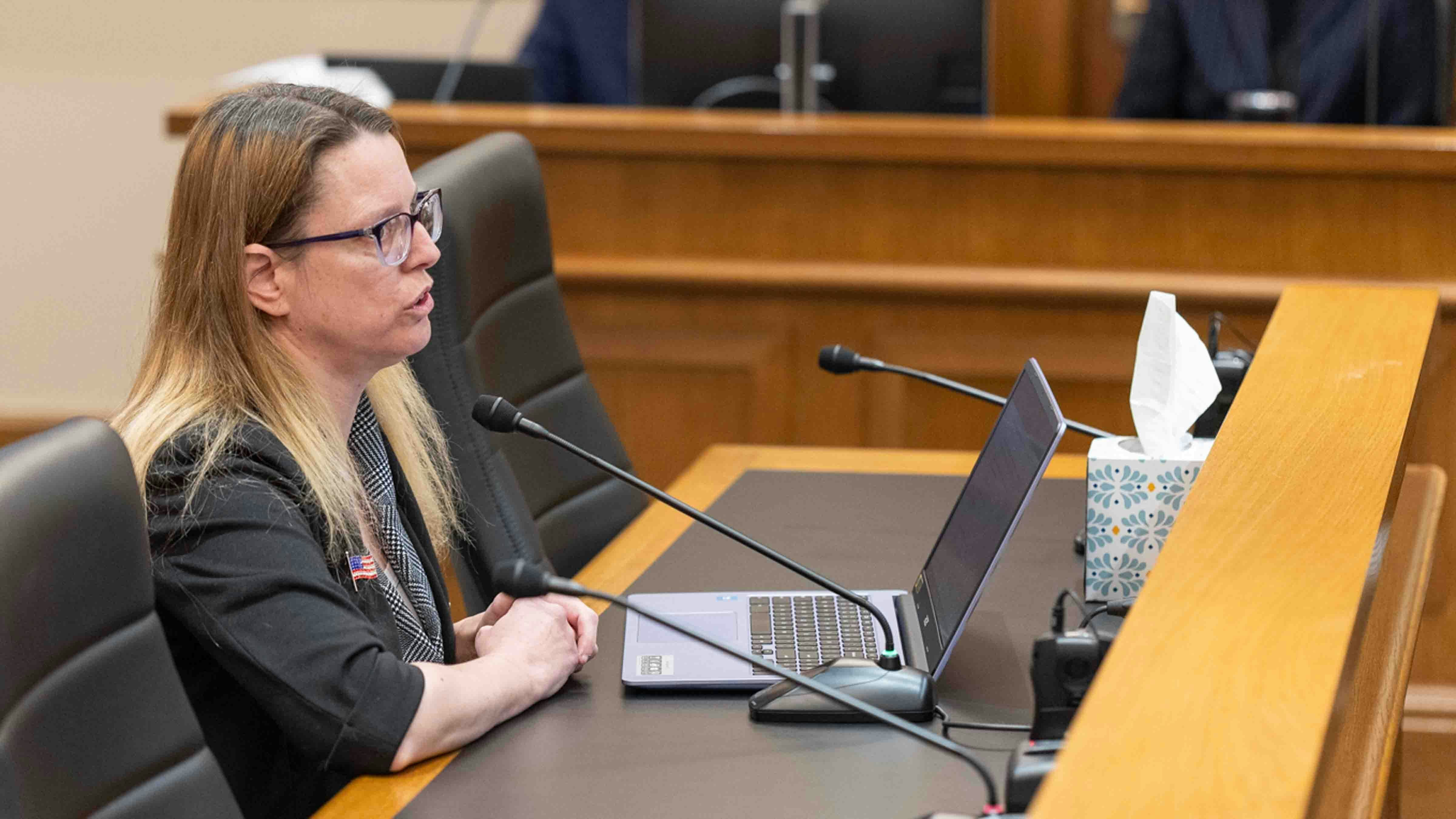
Speaking for Wyoming chapters of Moms for Liberty, Patricia McCoy told the committee HB10 applies the same commonsense principles as other laws restricting what children can access, such as bans on alcohol or cigarettes.
“Protecting childhood has never been about limiting ideas. It has always been about recognizing that children and adults are not the same,” said McCoy. “And public policy should reflect that reality.”
Speaking in his capacity as a Republican and a father, but not as mayor of Rock Springs, Max Mickelson told Cowboy State Daily over the course of an in-person and later email interview that he believes the bill is a good idea, but lawmakers should narrow its definition of sexually explicit materials.
“I support protecting children from pornography, but this bill is written far too broadly,” said Mickelson.
Its definition could purge legitimate health, abuse-prevention and medical resources, he said, “and libraries will remove books simply to avoid legal risk.”
Circular Reasoning
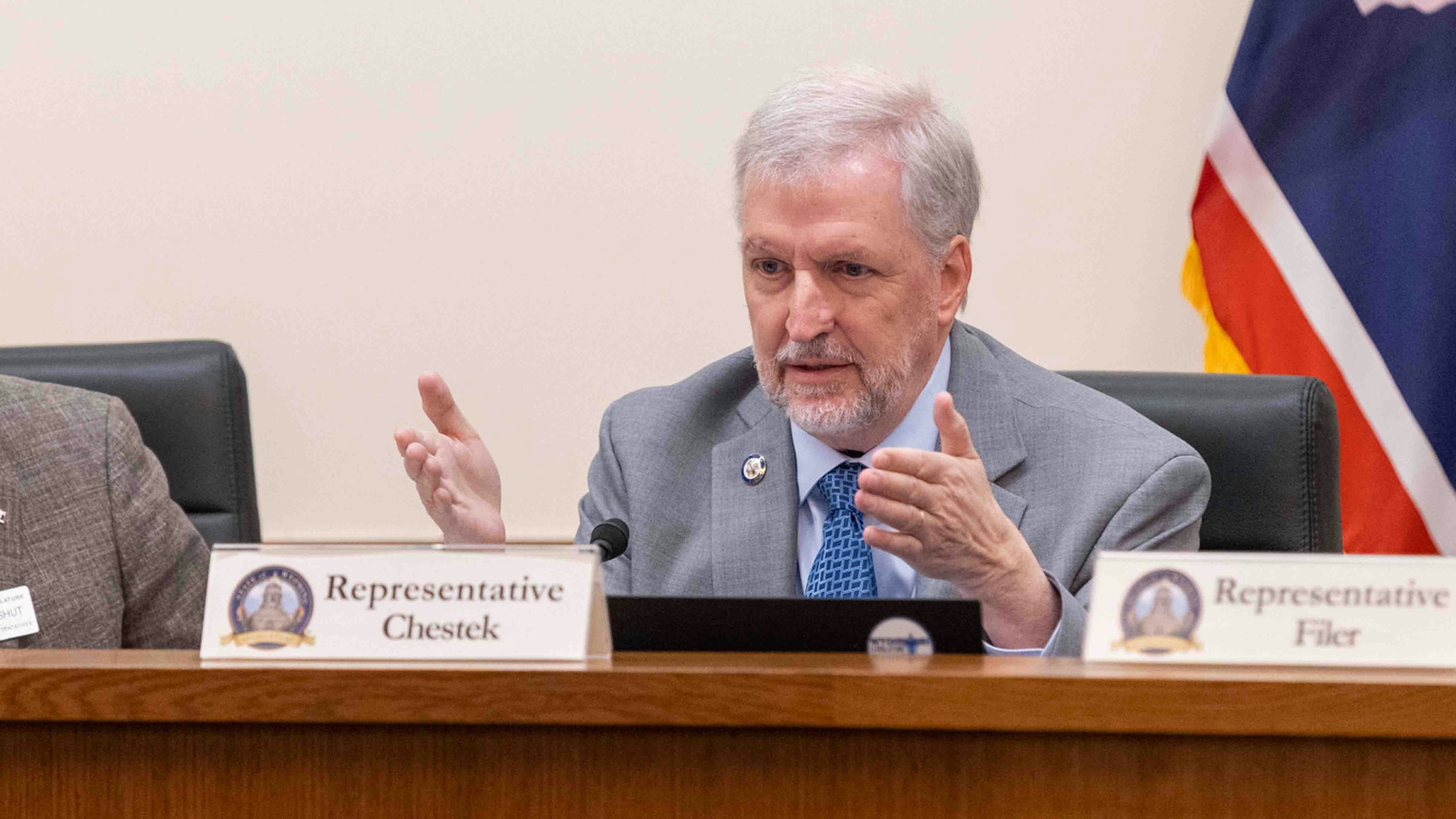
Rep. Ken Chestek, D-Laramie, renewed his longstanding concern in Friday’s meeting, that the bill deploys circular reasoning.
It defines the children’s section as a section providing materials geared toward minors. So, Chestek, said, the adult section would become a children’s section under the law as soon as a librarian moved a sexually-explicit children’s book to it.
The bill’s lone opponent on the committee, Chestek offered an amendment to winnow the definition of children’s section to a section “devoted primarily to” materials for minors.
He called the amendment “a very clean way to make sure that you don’t inadvertently turn the entire library into a children’s section” and block books altogether from it.
Chestek’s amendment failed.
His concern wasn’t lost on the committee, however.
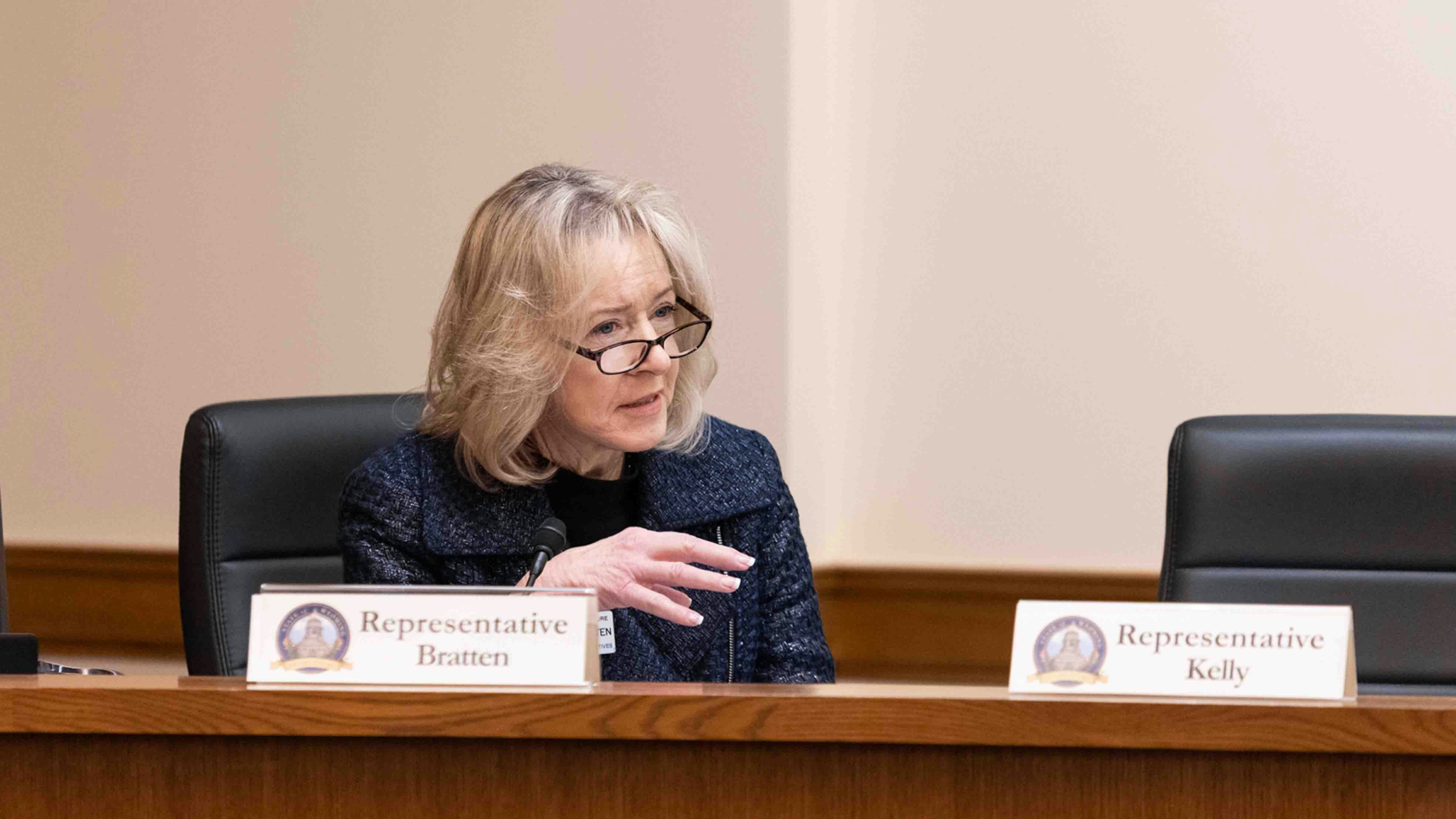
Rep. Laurie Bratten, R-Sheridan, successfully advanced an amendment specifying that a children’s section is primarily devoted to materials for minors, and “primarily” offers materials geared toward minors.
Having the word “primarily” in the sentence twice would render it confusing, countered Chestek.
Bratten said she’d go with Chestek to the Legislative Service Office to develop better language.
Clair McFarland can be reached at clair@cowboystatedaily.com.


