CHEYENNE — A bill moving through the Colorado Legislature would pave the way for law enforcement agents to be sued by people injured during civil immigration enforcement, including protests and demonstrations.
Senate Bill 26-005 targets the qualified immunity from being sued that U.S. Immigration and Customs Enforcement (ICE) agents — or any other agents or officers — now have when doing their jobs.
It opens a door for people to sue federal ICE agents in state court for constitutional rights violations, saying that agents are “liable to the injured person for legal or equitable relief,” according to the bill.
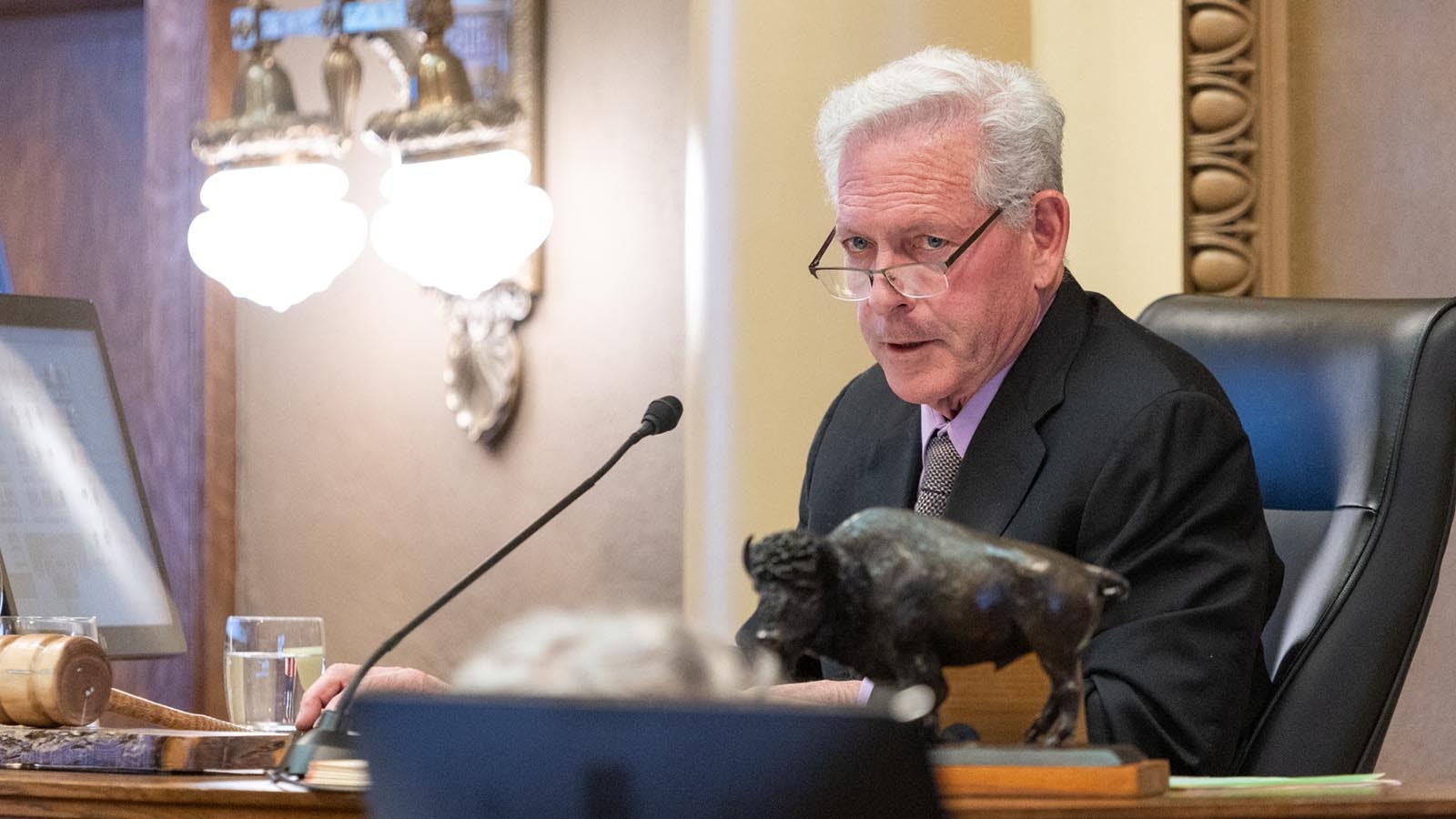
While ICE enforcement has become a political powder keg across the nation, clearing a path for potential lawbreakers to sue individual agents or officers is a bad idea, said Wyoming state Sen. John Kolb, R-Rock Springs.
Kolb, who sits on the Wyoming Legislature’s Joint Judiciary Committee, said a law like this that weakens the legal immunity law officers have “just isn’t reasonable.”
“It’s not even a no for me, it’s hell no,” he said. “It’s an insane bill, and thank God I live in Wyoming.”
He said the qualified immunity for law enforcement is there for a reason, and that emotions over immigration running high right now isn’t an excuse to change it.
“There are laws in place that protect those with a sworn duty to serve and protect,” Kolb said, adding that his son is in law enforcement. “They don’t have a choice in this; that’s what their job is. You don’t go after the people who enforce the law.”
Kolb said he agrees that if someone’s constitutional rights are violated, they should be able to sue — and they already can.
“I support a civil society, and that goes for (law enforcement) too,” he said. “But it also does not include rioting and hurting people.”
Not So Fast
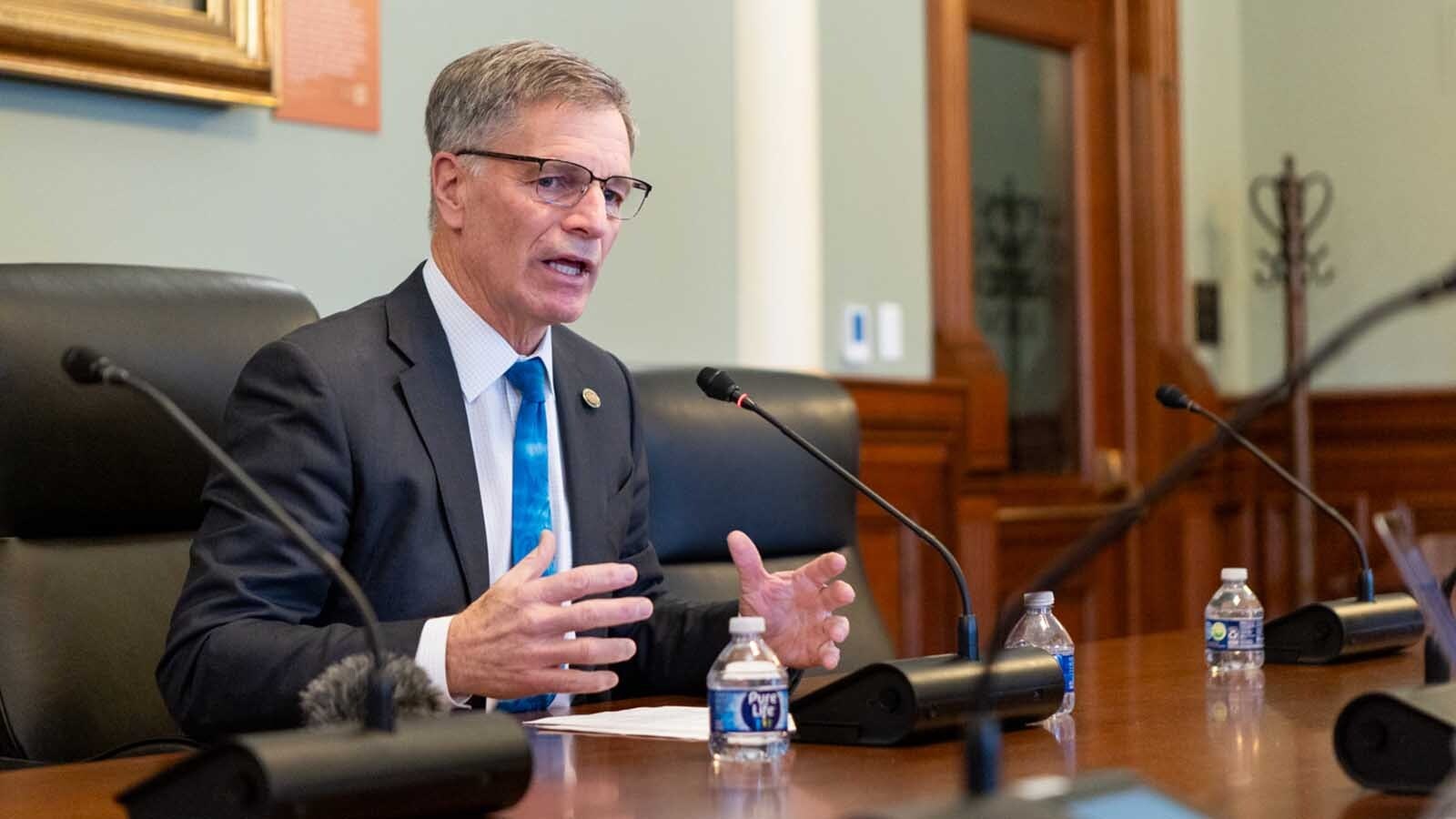
Despite its timing with the recent deaths of Renee Good and Alex Pretti during protests in Minneapolis, Minnesota, SB26-005 is not a reaction to the escalating national conflict over enforcement of immigration laws, said Colorado state Sen. Mike Weissman, D-Aurora, one of the bill’s main sponsors.
The trigger “was not the one thing. It wasn’t just Minnesota, it wasn’t just Durango,” he said, referencing an uproar after ICE operations in that southwest Colorado city last fall.
“It’s the totality of what’s happening in the state and the country. That’s the issue,” Weissman said.
He said when people have their constitutional rights trampled on, those who perpetrate that can’t be immune from being held accountable. And under President Donald Trump’s administration, that’s not going to happen at the federal level.
“The ball is really being put back in the court of the states,” he told Cowboy State Daily. “You would think that, hey, these constitutional rights are important. It makes sense there’s a remedy, right?
“But an analysis of state and federal law (shows) there’s not an obvious remedy.”
He added that “under the Trump regime,” even people in the United States legally “have gotten caught up in these nets. Even if you’re not moved in a humanitarian way, there are economic effects of this … putting shockwaves of fear into their communities.”
Weissman also said he understands Colorado and Wyoming are miles apart politically and that a bill like his likely wouldn’t be proposed or passed in the Cowboy State.
“I know people like to rag on Colorado. It’s true that it’s bluer than when I came here (20 years ago), but it’s not a totally blue state,” he said. “How should a conservative audience like Wyoming look at this?
“If a Wyoming person is down here visiting family, maybe they join a protest — or they don’t but happen to be of Hispanic ancestry — and somebody cracks their head, they would deserve some (legal remedy).”
He said what’s happening with the Trump administration and ICE now would be comparable to a Democratic president declaring a war on guns and forcibly rounding up all the firearms.
“That’s no different to what’s going on now with immigrants,” he said. “If government can violate the rights of its citizens, then that’s not a country we should (support).”
A Balancing Act
Wyoming state Rep. Ken Chestek, D-Laramie, also sits on the Joint Judiciary Committee and is a retired University of Wyoming law professor.
He said he hasn’t seen the proposed Colorado bill, but that trying to change qualified immunity for law officers can be a tricky legal prospect.
“Even with qualified immunity, if somebody thinks their civil rights have been violated by an officer, they have a right to seek redress in court,” Chestek said. “But qualified immunity is an attempt to balance public safety versus private rights.”
That’s important for law enforcement because officers and agents need leeway to enforce laws, he said. But not so much that it violates constitutional rights.
“It has to be very obviously against the law to sue them,” Chestek said. “This is a perfect kind of law school debate — where do you draw the line between those concepts?”
In Wyoming, multiple law enforcement agencies have agreements with ICE to assist with operations and enforcement of immigration-related laws.
The Laramie County Sheriff’s Office is one of those agencies and has a 25-person ICE task force that was sworn in last fall.
A law like Colorado’s SB26-005 would make it more difficult to recruit officers if there’s a higher potential for being sued for doing their jobs, Sheriff Brian Kozak said.
After looking at the language of the bill, which passed that state’s Senate Judiciary Committee earlier this week, Kozak said it seems more about making a statement than changing the law.
That’s because it specifically references people who are injured by agents in actions that violate the U.S. Constitution, he said.
People already can sue others for that, which he agrees with.
“Of course, you should be able to be sued if you’re violating someone’s constitutional rights,” Kozak said. “I think this is a feel-good law for their state.
“Of course, it wouldn’t fly in this state. It really doesn’t matter and is a waste of time.”
One benefit Kozak said he could see coming from the bill passing is an increase in law enforcement officers wanting to work in Wyoming instead of Colorado, the sheriff said.
“That’s just another thing that causes us to recruit more officers from Colorado,” he said.
Kolb said he can’t imagine a Wyoming legislator proposing a similar bill, but if it ever happens, “I look forward to voting no on that, and I would do it with great glee to not support that type of action.”
Greg Johnson can be reached at greg@cowboystatedaily.com.