Wyoming’s future depends not on how loudly we argue about spending, but on how well we understand it.
A free people can only make wise and informed decisions when they accept accurate information. Nowhere is that more important than in understanding how tax dollars are collected and spent.
Wyoming’s state budget is complex; but it is not mysterious, and we all deserve a clear account of what it does and why.
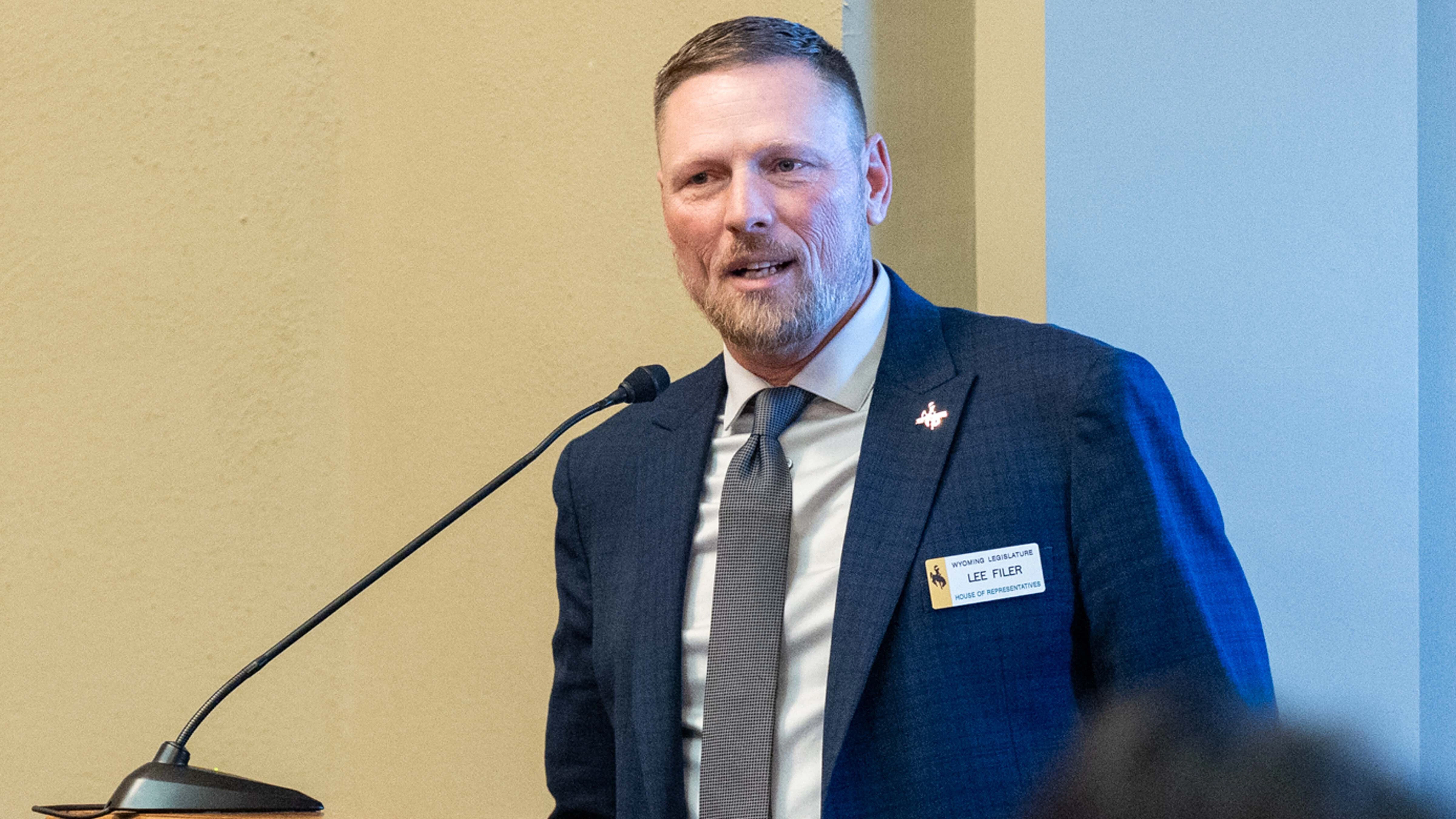
Recent actions by Freedom Caucus members of the Joint Appropriations Committee regarding federal funding for healthcare on the Wind River Reservation illustrates that point exactly.
Their vote to deny federal funding, initially justified as saving Wyoming taxpayers money, was later reversed when it became clear that decision would, in fact, cost the state more.
This episode stands as a cautionary tale of what can happen when policy becomes a political exercise in “cutting just to cut,” rather than an exercise in governing with a full understanding of the consequences.
As the Chief Executive, I want to take a moment to share some of the more important data points about how our state budget actually works.
Let’s start with taxes. Wyoming’s largest taxpayers are mineral producers, energy companies, and industries that extract the state’s natural resources.
Those tax dollars flow into state accounts, a portion are then channeled outward to schools, towns, counties, and hospitals through a system of legislative directives.
For many, the biggest talk of taxation has been around the compelling topic of property taxes.
It is important to note that, unlike mineral taxes, by and large all of your property taxes stay in your community, to help fund schools, roads, fire districts, and other local needs.
These are the funds directed locally and about which you have a say.
So keep in mind, every reduction in property taxes directly affects those key services in your community. However it is also important to look at this in context.
In the 2026 Tax Foundation Index, Wyoming already has the lowest family and business overall tax burden of all 50 states. If Wyomingites are overtaxed, we are the least overtaxed people in the entire country.
As to the budget, over the last five budget cycles, Wyoming’s total budget has grown from $8.11 billion in 2019–2020 to a recommended $11.13 billion for 2027–2028.
This growth is neither accidental nor reckless. It is largely influenced by federal dollars.
It reflects deliberate policy choices made primarily by the legislature, but also with my consent. This growth also reflects economic realities like the inflation we have all experienced rather than some kind of unchecked expansion.
Another important fact, the fastest-growing part of the budget is Grants and Aid Payments, federal and statewide tax dollars collected in Cheyenne but sent directly to fund Wyoming communities and Wyoming citizens.
This category represents approximately 66% of the total budget and over 80% of the Department of Health’s budget.
Wyoming distributes billions in federal aid and state mineral wealth to local schools, hospitals, counties, cities, and healthcare providers.
The largest portion of the state budget returns to communities, not to expand bureaucracy in Cheyenne. Only 16% of the state budget pays state employees, most of whom live outside of Cheyenne.
This budget also includes surplus dollars.
Wyoming invests in permanent savings using today’s surplus tax dollars we have collected so future generations are protected when mineral revenues decline. That is how we have weathered the pandemic without fiscal chaos.
My recommendation to place at least $250 million of the now $750 million surplus the state currently enjoys is sound and I ask the full Legislature to restore it.
Keep in mind since my budget was submitted in November the state has seen additional income investment dollars (which are not profiled) bringing the surplus up to $750 million.
Surely we can be disciplined enough to permanently save some of that mineral wealth for future generations? We must not be the generation that forgets to save.
That discipline is why Wyoming can now focus on stability rather than crisis as we used to in the 1980s.
Trust begins with transparency. Those elected to office must understand the consequences of their votes.
“Cutting just to cut,” or to see “how low can you go” axes priorities and cuts programs that affect your town, your county, your kids’ education.
Wyoming’s future depends not on how loudly we argue about spending, but on how well we understand what we are getting.
You can find more information about the state budget and its structure on my website.