On Monday, February 9th, the Wyoming Legislature will gather for its Joint Session, and the governor will deliver his final State of the State address.
The great hall we call “the people’s house” will be filled with pomp, pageantry, and the familiar declaration that “the state of Wyoming is strong.”
But many Wyomingites question if this is the truth.
Don’t get me wrong — the Wyoming people are strong and spirited. Cowboy grit and a can‑do spirit are part of our state’s DNA.
We have a rich well of talented people and resources to draw from, and we have nowhere reached the ceiling of our potential, but our state’s actions no longer reflect belief in its people.
Wyoming’s greatest resource has never been coal, oil, or land. It is, and has always been, the people who call this place home. Yet our policies increasingly treat money as the primary resource and people as an afterthought.
This is why Wyoming feels adrift. We are like a barge tossed at sea, factions rowing against one another, no shared direction, no common pull.
Of all the things we could be focused on, our Legislature pays the most attention to a tool — a tool called “money.”
Money matters, but it is not as valuable as people.
While lawmakers argue over how to move, manage, or weaponize this tool, our most vital resource remains underdeveloped. A government that knows how to manage money but not how to cultivate people has forgotten its purpose.
The proposal to eliminate property taxes is a perfect example.
On its face, it sounds like a populist win. But property taxes fund the institutions that make communities livable: schools, fire districts, local governments.
Eliminating them may put an extra $2,000 in some pockets, but it comes at the expense of hollowing out local governments, education, and any coherent vision for the future.
And that is the deeper issue: Wyoming does not suffer from a budget crisis so much as a vision crisis.
Leaders no longer speak about what we should build. They speak only about what must be torn down. Institutions no longer promise progress.
The majority in power has a vision for money — centralizing it, redirecting it — but no vision for people.
This is not just a Wyoming problem. It is a Western civilizational problem.
The belief that government can be used to make the world a better place is collapsing.
Modernity promised progress; post‑modernity exposed its failures. Yet post‑modernity offers no alternative future — only nostalgia, grievance, and revenge.
Many countercultural movements, including political movements here in Wyoming, are defined more by what they reject than what they hope to build.
They operate in a world of pure ideology, pillaging what future does exist to live out a revenge fantasy against the institutions they believe betrayed them. Their only policy is destruction because they do not believe a future exists to plan for.
A portion of the political right has even adopted a Christian brand of eschatological pessimism that discourages long‑term investment altogether.
If the world is expected to end soon, why invest in infrastructure, education, or institutions? Why steward the land or address inequality? Why build anything that requires patience, sacrifice, or hope? Neglect accelerates decline, and decline is interpreted as prophecy fulfilled.
This worldview produces a self‑fulfilling decay. When leaders stop believing in the future, they stop building for it. Citizens respond by withdrawing trust, withdrawing money, withdrawing hope. The world and its systems becomes something to escape, not something to steward, and the people without a shared vision pay the price.
Wyoming is now a microcosm of this larger collapse. Wyoming politics is embodying the national pattern: rejection without creation, demolition without design.
Political ideologues tear down institutions without any plan to build something better. They offer no coherent account of what Wyoming should become — only what must be destroyed. This is not leadership. It is nihilism dressed up as populism.
As a Christian, I reject the pessimistic eschatology that sees the world as disposable. Christians are not called to wait for escape. We are called to steward, cultivate, and hope. The Christian story is not about abandoning the world but acting as agents of its renewal. A politics without hope is not Christian — it is despair masquerading as faith.
So what is the true state of our state.
Wyoming’s crisis is not fundamentally about taxes or budgets. It is about the collapse of a shared belief in a future worth building.
When a society loses its vision, it defaults to suspicion, nostalgia, and destruction. When leaders abandon the future, they abandon the people. And when a political movement stops believing in tomorrow, it inevitably harms the people of today.
The question before us this legislative session is simple:
Will we choose to build a future for Wyoming, or will we continue to burn down the present because we no longer believe in tomorrow.
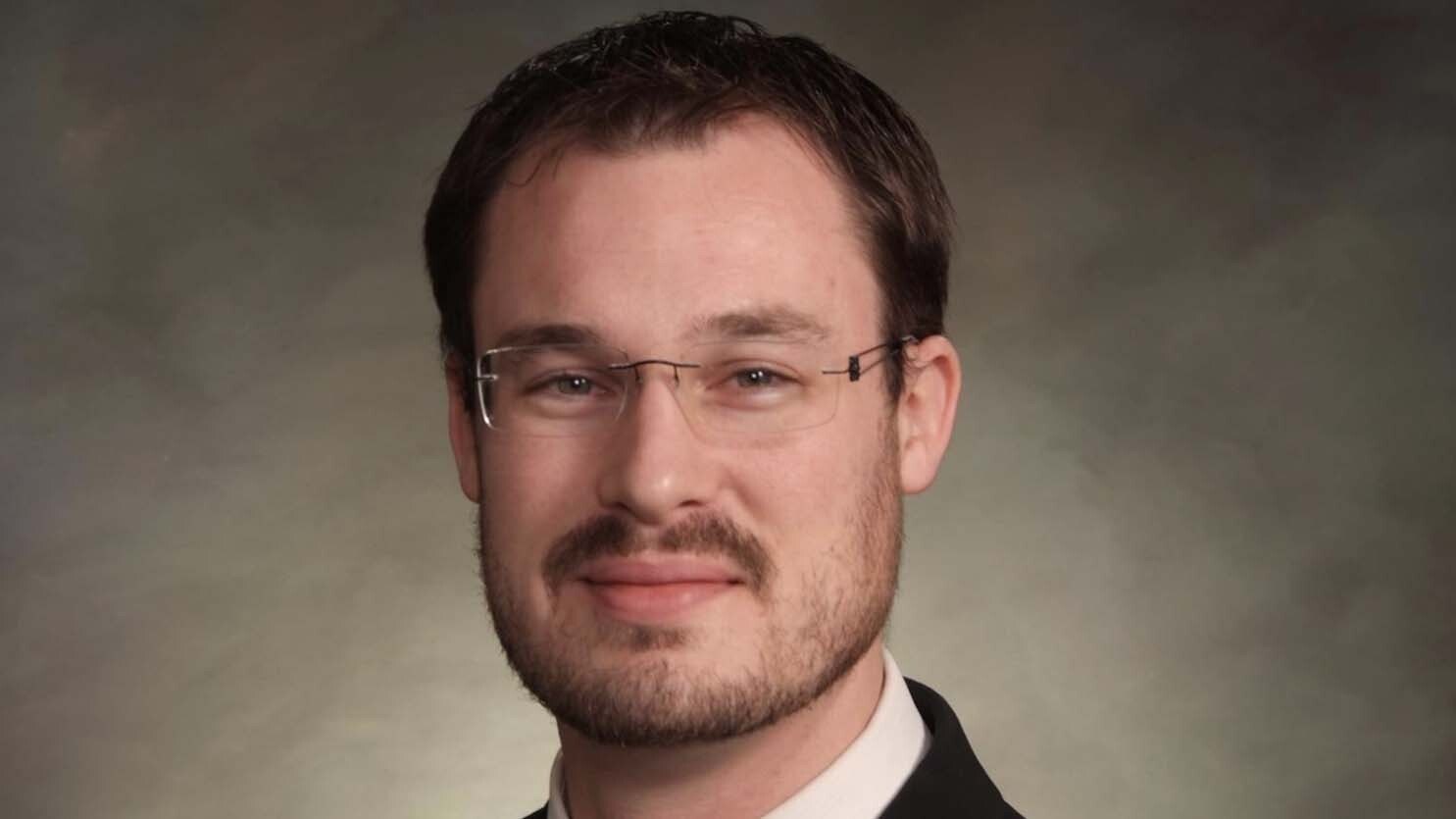
Scott Clem can be reached at: ScottClem@live.com