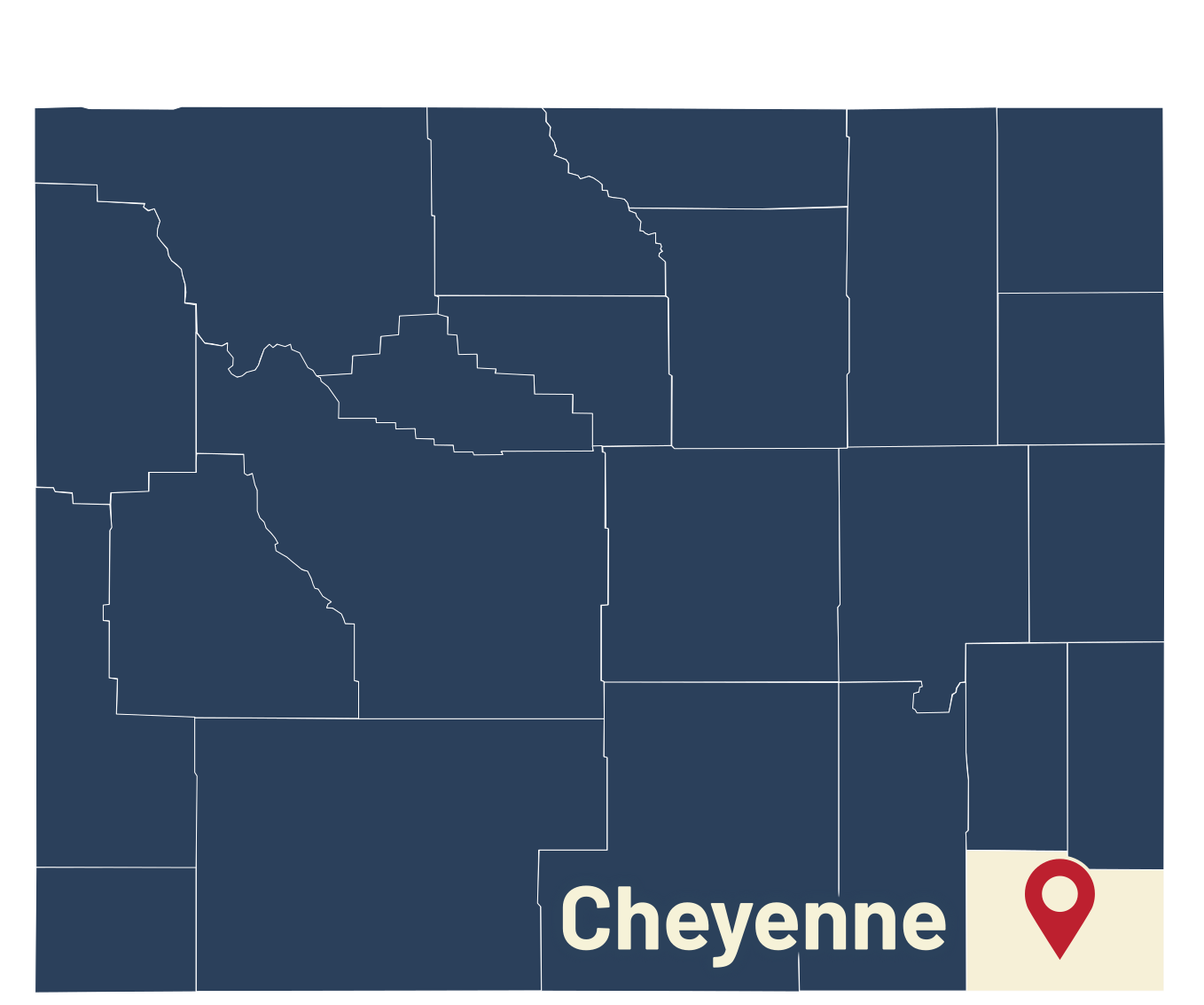
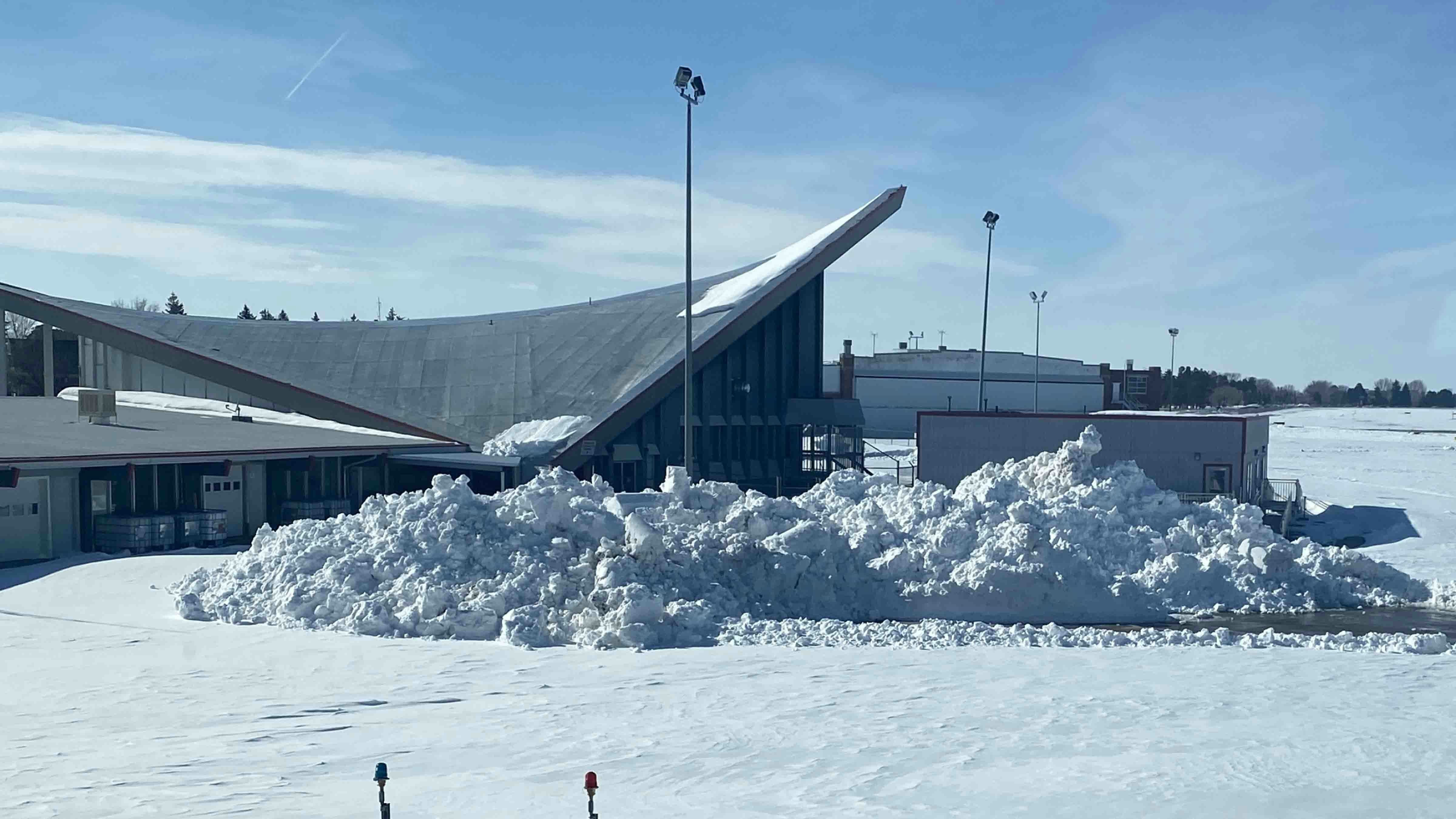
It was a different story nearly five years ago in Cheyenne.
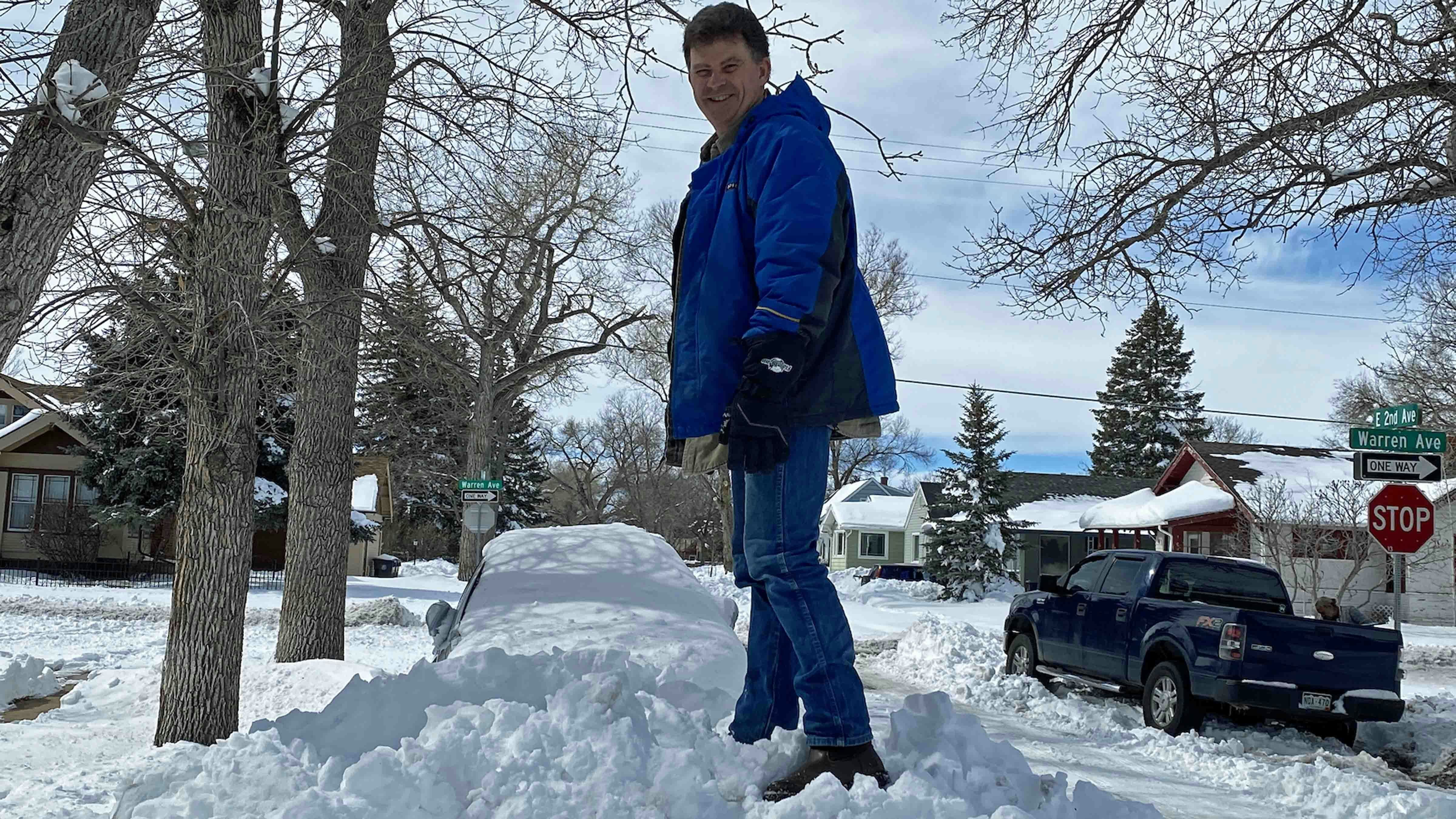
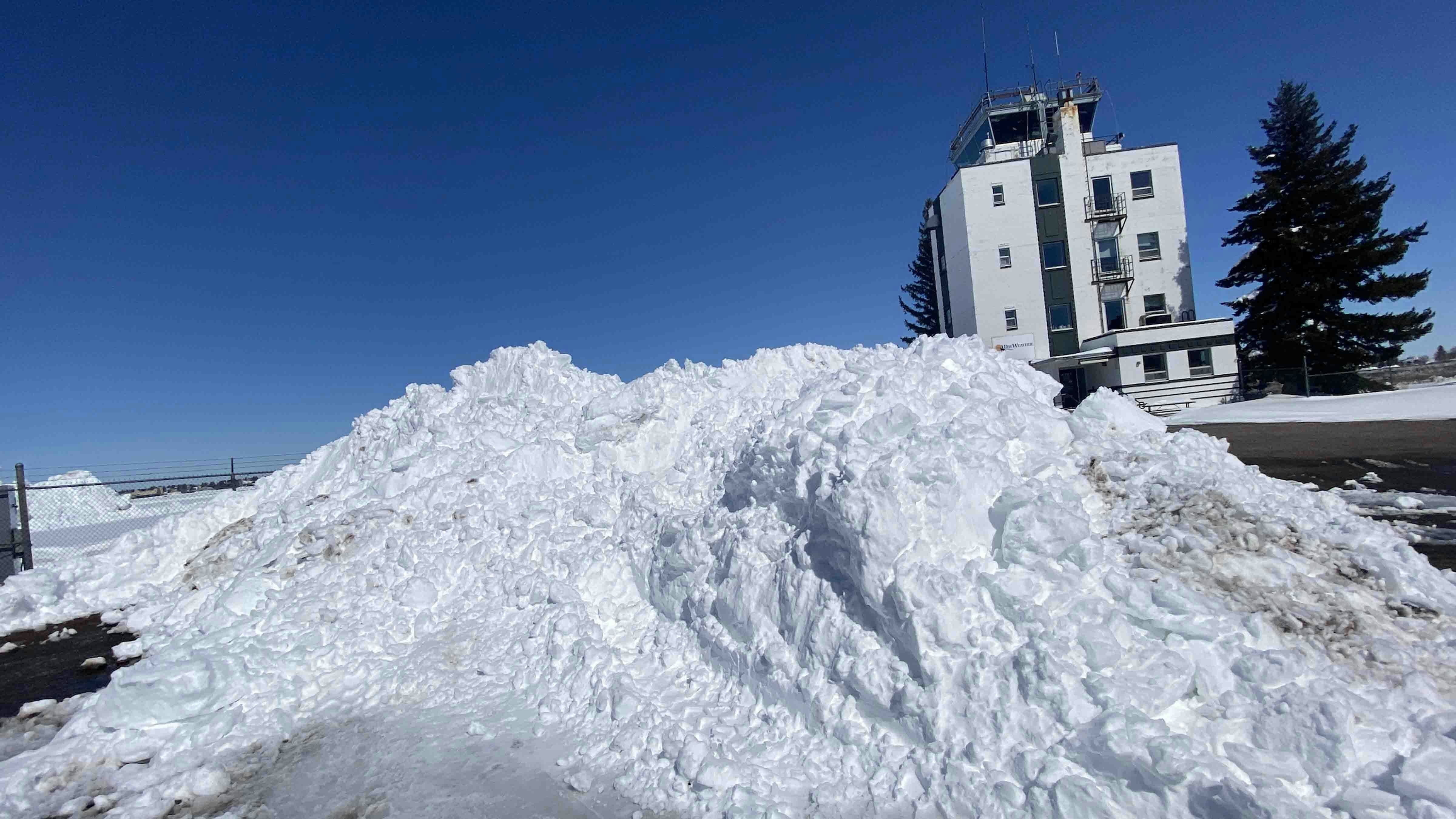
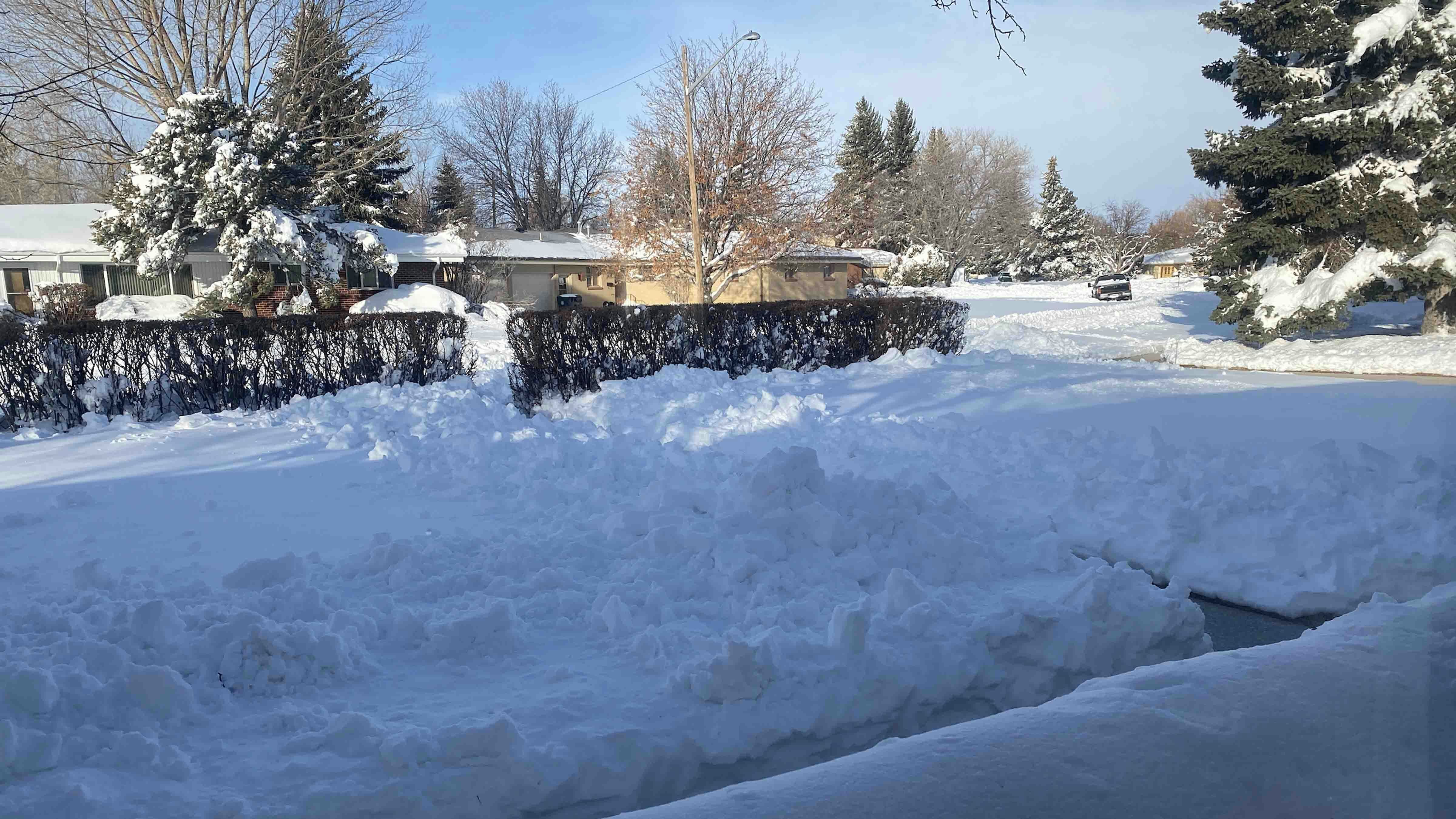
The capital city received over 30 inches of snow in a 24-hour period from March 13 - 14, 2021. It all but paralyzed the city as it took residents days, and in some cases a full week, to get themselves shoveled out.
Cheyenne Mayor Patrick Collins referred to the snowstorm as a "zombie apocalypse" and urged people to stay inside -- and that was three days after the snowfall.
This year, Cheyenne has received just a dusting of snow so far but as meteorologist Don Day frequently says the last three months are the driest of the year.
And now we're entering the wettest season of the year.
Plus, it's almost "solar spring."
Here Comes The Sun
Between early February and early May, there will be a rapid increase in daylight as the doldrums of winter slowly ebb away. Wyoming will gain over 70 minutes of daylight in the 28 days of February, which will be accompanied with an overall rise in temperature and the gradual melting of snow and ice.
The problem is that there hasn't been much snow and ice this winter. January turned out to be one of the warmest in Wyoming’s recorded history, and temperatures in the first week of February are still above average.
Will the beginning of solar spring undercut the final month and a half of meteorological spring?
“It cuts both ways,” said Cowboy State Daily meteorologist Don Day. “We can get some of our best storms in spring, but we have to have access to those storms.”
You Are My Sunshine
Solar spring officially stretches from Feb. 5 to May 5 every year. The Northern Hemisphere has been steadily gaining daylight since Dec. 21, the winter solstice, but this three-month period is when the gains become much more noticeable, especially in the evening.
“Almost everybody in Wyoming sees an increase of about an hour and 10 minutes of daylight, probably most noticeable at the end of the day for most of us,” meteorologist Chris Jones told Cowboy State Daily in February 2024.
Wyoming gets the greatest gain in sunlight during February, and that sunlight is accompanied by a steady gain in temperature. According to Jones, the temperature change is most noticeable in March.
“March is the month where we see the greatest difference in temperature,” he said. “Over the course of March, it's about a 10-degree gain in high temperatures.”
A rise in temperature would be welcomed by many during an ordinary winter, but the 2025-2026 winter season has been anything but ordinary. After months of unseasonably warm temperatures, a steady increase in daylight and temperature seems more like a threat than a consolation.
Two’s Company
Wyoming has missed out on a lot of winter weather. Now that we’re entering solar spring, will the steady increase in daylight and temperatures affect future winter weather?
According to Day, that depends on the weather we get. Warmer air can actually be better for winter storms, provided they’re carrying moisture.
“The warmer the air is, the more water it can hold,” he said. “We don't get much snow from Arctic fronts, because that air is always very dry, and we don’t get a lot of precipitation. As the days get longer, the air warms up, and the natural water content in the air rises.”
Day often points out that December, January, and February are the driest months in the year in Wyoming, specifically because the predominant weather systems are cold, dry Arctic fronts.
The wettest months of the year are March, April, May, and June. That’s specifically because the warmer air leads to wet, heavy snow that might not last long but is more easily absorbed into the ground.
“The best thing about spring snow in Wyoming is that it melts more than it evaporates,” he said. “If you get a big snow dump in November or December, it'll be on the ground for all winter because of the low sun angle. When it sublimates, it evaporates back into the air, and you don’t get much into the ground.”
Wyoming did get big snow dumps in November and December, but they were almost exclusively in the western mountain ranges. That’s why, despite weeks of warm temperatures and little to no snow, the snowpacks in western Wyoming are still doing well, with between 91% and 112% of their seasonal averages as of Feb. 3.
However, heavy, wet spring snow depends on cold temperatures and moisture-laden air. That will require a combination of cold air from the Arctic and wet air from the Pacific, which has eluded Wyoming for most of the winter so far.
“If you can finally get those fronts and storms to come to the west, they've got more water to work with,” Day said. “We're not going to get wet from an Arctic front. We’ve got to introduce the Pacific back into the equation, and we’ve been shut off from those systems so far.”
The Wrong Angle
Daylight increases during solar spring as the sun gradually reaches higher into the sky. That not only adds more minutes of daylight but also changes the angle of that sunlight.
Meteorologist Noah Myers with the National Weather Service office in Riverton said the increased and differently angled sunlight is what typically begins the slow and steady warming into spring. The reason Wyoming’s been so warm this winter is the lack of snow on the ground.
The fact that there's no snow layer on the ground has kept us warmer,” he said. “Snow keeps temperatures down, and there’s been a lack of snow across most of the state since the beginning of winter.”
As the sun stays up longer and climbs higher in the sky, it signals the long thaw, ushering Wyoming into spring. Myers said that will still happen, but with less to melt, the increased daylight will keep the air warm.
“We’re already in February, and the sun is getting higher every day,” he said. “My educated guess is that we're going to end up with a warmer-than-normal winter, overall.”
If Wyoming can tap into high-quality snowstorms with plenty of Arctic air and Pacific moisture, conditions will undoubtedly improve. However, Myers said solar spring will make it very difficult for anywhere except the highest points of the state to stay “persistently cold.”
“We are entering the time of year where locations east of the Continental Divide get the most moisture,” he said. “There’s still the potential for some bigger snowstorms, but we’ve already missed the mark for really cold weather with no snow on the ground.”
Solar Spring To Actual Spring
Solar spring begins on Feb. 5, while meteorological spring begins on March 20. In the weeks between these two important dates, Wyoming could see a seasonal shift that might make up for the lackluster winter so far.
Long-range weather modelling indicates an influx of Arctic air will head toward the western U.S. sometime during the second week of February. Day sees this as a promising sign that Wyoming will get some substantive winter weather before meteorological winter is over.
“There's a major shift that's rearranging weather patterns in the whole Northern Hemisphere,” he said. “If you were to take the logical steps forward based on this change, that should lead to a stretch of winter weather finally coming into the Western United States.”
Day said the modelling “strongly indicates” that Arctic air will descend upon Wyoming, Colorado, and Utah sometime next week. That will bring the cold, but what about the wet?
'We could have some really cold weather before February’s over, but what we really need to root for is moisture,” he said. “We have to have access to that Pacific air, and that appears to be the case with the incoming system.”
Myers was more cautious in his assessment. He acknowledged “hints” of a significant pattern change in mid-February, but a week is still too far for a confident forecast.
“The Climate Prediction Center is forecasting back towards normal as far as the temperature, but they're still kind of showing the potential for lower-than-normal precipitation, at least through this month,” he said. “We take that with a grain of salt.”
Regardless of what does or doesn’t come to pass with winter weather, solar spring will continue unabated. Wyoming’s days will get steadily longer and warmer as we move through February, and that will directly affect the quality and quantity of the winter weather yet to come.
“We need the weather to get going and bring us the precipitation,” Day said. “If we do not see this phase change next week that continues into March, that's going to be a huge concern, but the data suggests otherwise. Punxsutawney Phil saw his shadow for six more weeks of winter. Perhaps what he's told us is that we're going to finally get six weeks of winter.”
Andrew Rossi can be reached at arossi@cowboystatedaily.com.