
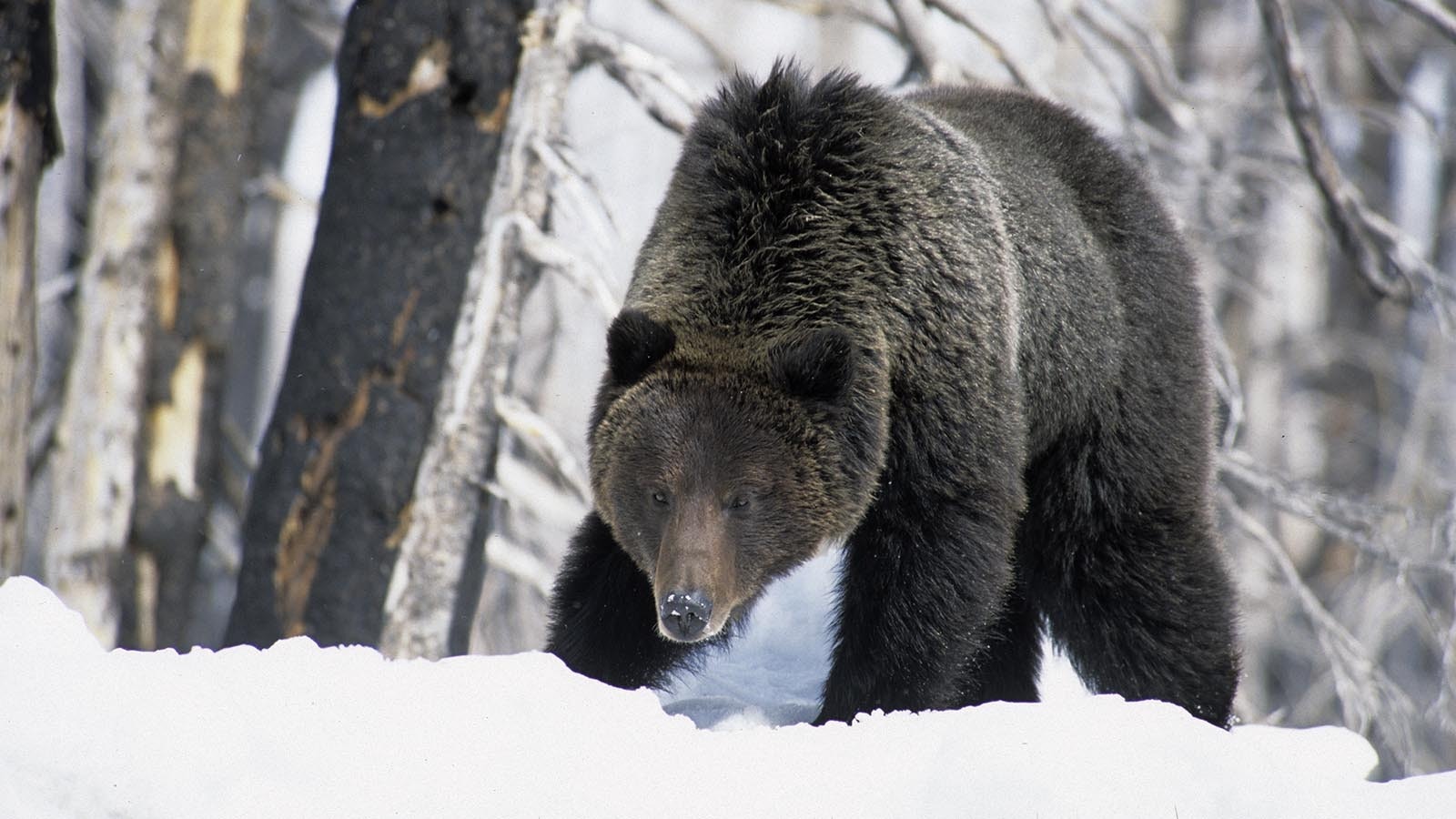
After a Jan. 31 deadline passed without the U.S. Fish and Wildlife Service issuing a decision on the status of grizzlies in the Lower 48, bear advocates worry the next move could be to delist them entirely from federal Endangered Species Act protection.
The Fish and Wildlife Service (FWS) was supposed to have revised or removed a rule placing grizzlies on this list of “threatened” species by the end of January. However, a federal district court judge granted the agency’s request for an extension to Dec. 16.
That doesn’t mean FWS will wait that long to render a decision; it could come at any time, said Lizzy Pennock, carnivore coexistence attorney for WildEarth Guardians.
And when a decision does come, “They can do it in a way that I think effectively delists grizzlies,” she told Cowboy State Daily.
The group opposes grizzlies ever being hunted, even if they are delisted, Pennock added.
Meanwhile, Wyoming Republican U.S. Rep. Harriet Hageman told Cowboy State Daily that she will continue to push for delisting through Congressional action.
A message to FWS from Cowboy State Daily wasn’t answered by publication time.
How Did We Get Here?
The last FWS Grizzly bear rule was issued during the final days of the Biden administration. It called for keeping grizzlies listed as an endangered species. But it also allowed more leeway for such things as landowners being able to kill bears for attacking livestock.
In 2022, a group called Save the Yellowstone Grizzly sued FWS and the state of Idaho over protections for grizzlies.
As part of a settlement stemming from that lawsuit, FWS was given until Jan. 31 to revise or remove the Biden-era grizzly rule.
FWS requested an extension until Dec. 16, after receiving more than 200,000 public comments on the matter.
FWS Director Brian Nesvik is the former director of the Wyoming Game and Fish Department.
During his tenure at Game and Fish, he openly advocated for grizzlies to be delisted from federal protection, and for Game and Fish to take over direct management of the bears in Wyoming.
As FWS director, he’s stated that one of his goals is to have grizzly policy settled once and for all within two years.
Pennock said she and other bear advocates think that the Trump administration is bent on delisting grizzlies as soon as possible.
And when a new FWS rule is announced, it could include measures that would allow the killing of more bears, even if they aren’t formally delisted, she said.
Wyoming officials have advocated for a grizzly hunting season here. The last time grizzlies were delisted, in 2018, Game and Fish issued grizzly tags and scheduled hunts.
However, a federal judge reversed that delisting just before the hunts were scheduled to begin.
Hageman Pushes For Congress To Delist
In a statement emailed to Cowboy State Daily, Hageman said she’s pushing to take grizzly policy out of the realm of “lawfare,” and have Congress settle the matter.
"Grizzly bears in the Greater Yellowstone Ecosystem surpassed the recovery goal in 1997— we cannot wait any longer.
Every additional day of federal listing denies Wyoming its rightful place in managing the species and prolongs the Endangered Species Act’s overwhelming failure rate,” Hageman said.
Congressional action could end legal wrangling over grizzly bears and make delisting stick, she said.
“It is abundantly clear that Congress must act, and my Grizzly Bear State Management Act is prepared for swift consideration in the House," Hageman said. "Numerous entities in and outside of government are rallying behind Congressional action in light of continued lawfare, and the Wyoming delegation is hard at work to deliver this long overdue return of the GYE (Greater Yellowstone Ecosystem) grizzly bear to state management."
Do Grizzlies Need More Protection?
Pennock said that her group and others don’t trust Wyoming, Montana and Idaho to properly manage grizzlies because of the states’ “anti-predator” stance.
If anything, recent grizzly mortality rates indicate that grizzlies need more protection, not less, she said.
“Under the current rule, grizzlies are dying at a record rate in the GYE and other ecosystems,” she said.
In 2024 and 2025, the recorded grizzly death toll topped 70 bears each year. That included various causes of death, such as bears killed by wildlife agents for preying on cattle, those struck by vehicles, or bears killed by other bears.
The debate continues over what a truly recovered grizzly population should entail.
Pennock said WildEarth Guardians takes the stance endorsed by some biologists and other bear advocacy groups. That being a fully connected grizzly meta-population stretching from the U.S.-Canada border in Northern Idaho and Montana, to the southern end of the GYE.
That should include a permanent, reproducing population of grizzlies in Idaho’s remote Bitteroot-Selway region.
Hagman and other delisting advocates argue that the sheer number of grizzlies in the Lower 48 makes their case.
Between the GYE grizzly population, and Montana’s Northern Continental Divide population, there are estimated to be more than 2,000 bears.
Mark Heinz can be reached at mark@cowboystatedaily.com.


