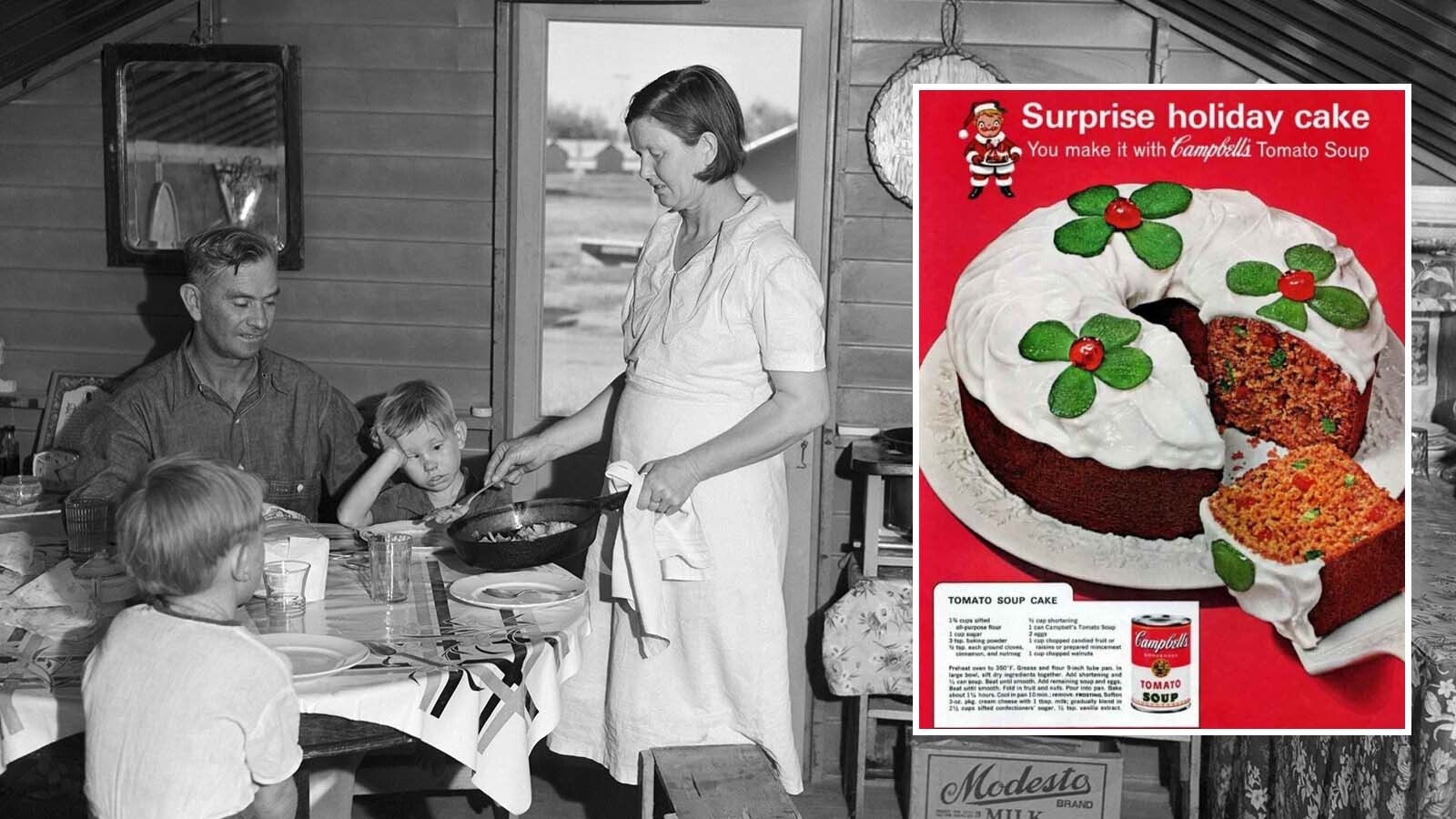
From tomato soup cake to mock apple pie, Depression Era recipes were innovative as people got creative to try to keep their food normal and their families happy.
“There was roast dandelion for coffee, pickled nasturtium seeds, mock apple pie made with oyster crackers and many another,” a chef wrote in 1934 for the San Antonio Light. “There were dishes like these because many cooks were forced to use substitutes to save money as many foods were expensive.”
During World War I and again during the Great Depression in the 1930s, eggs, oil, milk and other common ingredients became difficult for many people to get. As a result, Americans became extremely creative with their cooking.
Jessica Fritz, owner and the baker at the Blossoms & Boba Cafe in Riverton, has experimented with these same historic recipes for over 30 years. She said that this exploration of food has connected her with the past and resulted in some strange but tasty results.
“I recently made a mock apple pie that was eaten during the Depression,” Fritz said. “It’s weird to us, but it's because they had to get creative and try to make things that seemed normal without their usual ingredients.”
To make the mock apple pie, innovative cooks discovered that they could use a combination of sugar, lemon juice, and cinnamon to make a pie that gave their families the illusion that they were eating a real apple pie.
Innovative Cakes
A popular substitute food during wartime was known as ‘war cake.’ It was an “Eggless Butterless Milkless Cake” that became a staple during the food shortages of both World War I and World War II according to newspapers of the time. During the wars, women were urged to conserve food, let nothing go to waste, and to bake plenty of these war cakes. War cakes were cakes made without milk, butter, eggs, or white sugar.
“A fruit cake without eggs was much used in England during the holidays and further popularized by being called a war cake,” the Crook County Monitor wrote in 1916, “It is really very good and undoubtedly economical.”
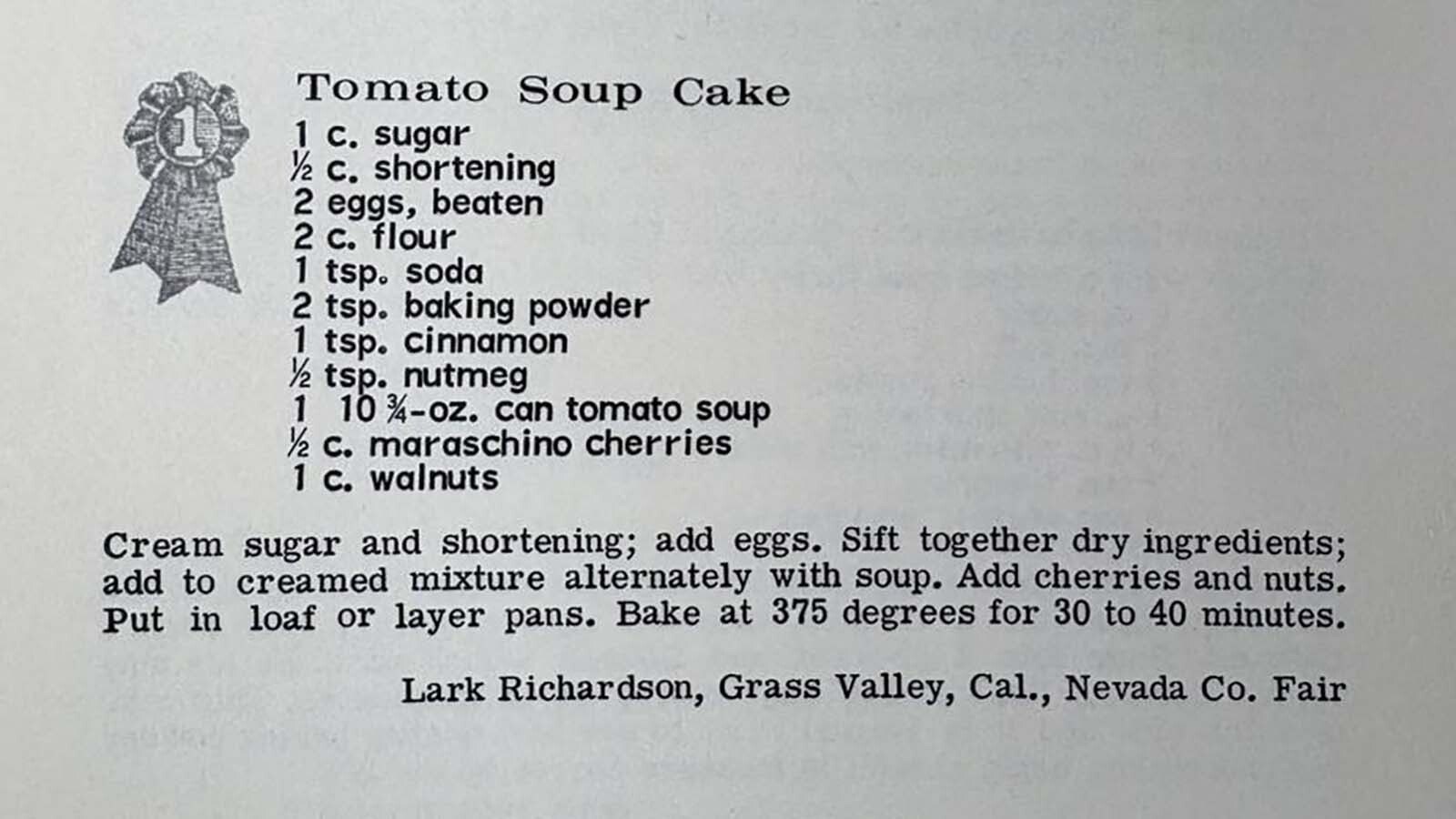
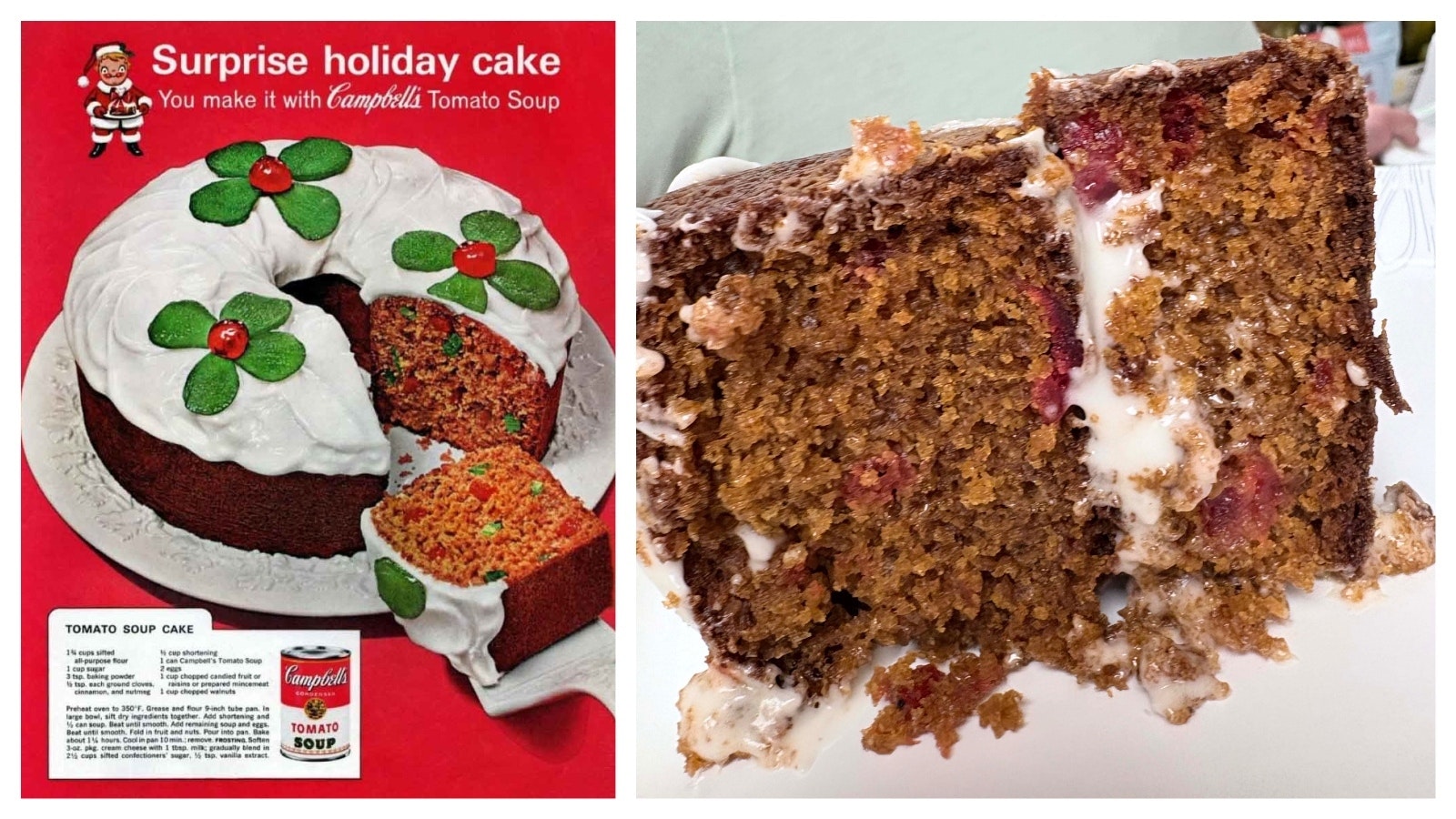
Tomato soup cake was another favorite treat as cooks tried to find not just filling food, but tasty as well. They were able to fool their family into thinking they were eating a richer cake than they actually were.
“The tomatoes in the cake helped draw out a lot of the flavor and the spices,” Fritz said. “They could use less cinnamon and use less spices to draw out the flavor and basically trick you into thinking it's a legit normal spice cake.”
Mayonnaise cake became another family favorite during the Depression since mayonnaise wasn't as expensive and already had the oil and eggs in it. It also worked as a binding ingredient for a lot of baked goods according to Fritz.
Another dessert that was made during the lean years was water pie. Resourceful cooks learned to add water, flour, butter, sugar and vanilla extract into an unbaked pie crust. The result was a custard pie that people still enjoy to this day.
“It was a horrible era to live in, but I was always fascinated by the creativity that people would come up with in the food aspect,” Fritz said.
Filling Up Empty Stomachs
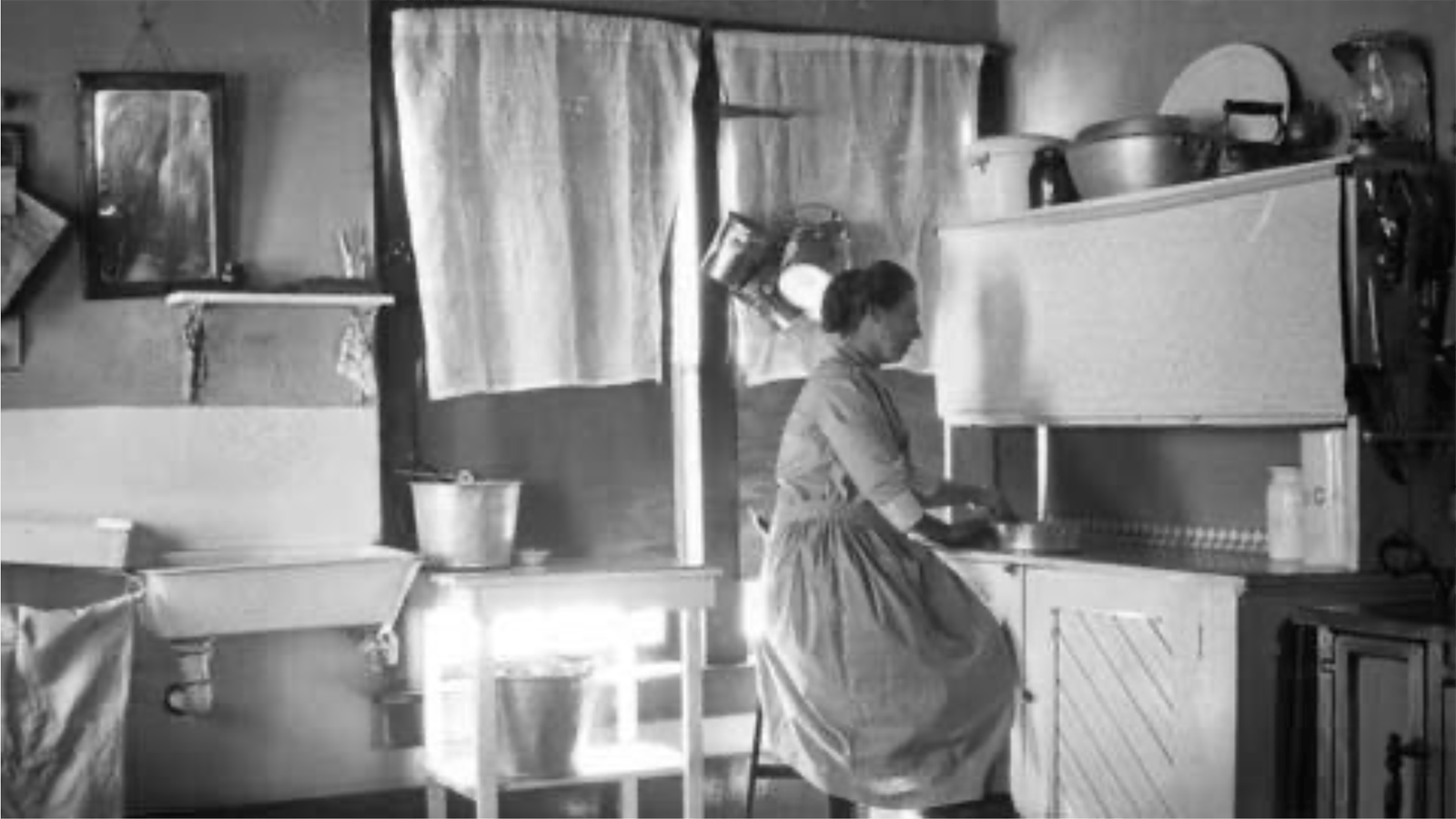
While desserts could still be served during the ‘struggle years,’ it was also important to keep their families well fed. Meatloaf was invented out of necessity. By throwing in whatever was handy into their meager meat allotment, the cooks were able to extend the food farther.
“Mulligan stew is another really good one because they would save all of their little, tiny scraps and everything but the kitchen sink to throw in the stew pot,” Fritz said. “There wasn't a lot of waste with their consumptions.”
Potato skins were no longer thrown out since they could be boiled and become the base for many foods including potato bread.
Johnny Cakes were another cheap alternative that made a comeback during the Depression years. They were a flat cake made with water instead of milk and usually made with cornmeal to resemble a pancake.
“Johnny Cakes are just a cheap type of bread that you can make even today,” Fritz said. “Traditionally they would serve them with beans because beans were super cheap, but also gave you all the needed protein.”
“I always had an interest in the creativity and the ingenious aspects of coming up with good food that kept my grandparents alive when food was hard to get back then,” Fritz said. “They would even save their old bread to put it in soups as a thickening agent.”
Happy Drinks
As cooks searched for cheap meals, they also discovered a drink that would help their families through the lean hungry years.
According to the State Historical Society of Missouri, Lithiated Lemon-Lime soda was sold as a drink by its creator, Charles Leiper Grigg, that could affect your mood as a ‘pick me up’ during these hard times. That was because it was made with lithium, the chemical later used to help bi-polar patients.
While the brand name was 7Up, several manufacturers offered the beverage as lithiated lemon soda in Wyoming including the Coca-Cola company in Sheridan. This “Un-cola” took a while to catch on since it debuted a few weeks before the stock market crash of 1929. However, once people realized Grigg’s claims were true, sales soared even though money was tight because they indeed needed a pick me up during these lean years.
Now, nearly one hundred years later, people still remember the strange food their grandparents fed them, such as milk soaked in bread. There are those, like Fritz, who have been revisiting the old recipes and making them for their own families. Fritz said that these foods are a connection to our past and a fun way to explore our history.
“We have the luxury of being able to look things up on Google and just to see what kind of food they had,” Fritz said. “You can travel back in time and eat some of the same dishes our grandparents survived on.”
Jackie Dorothy can be reached at jackie@cowboystatedaily.com.