Dear editor:
Wyoming is no longer debating a single wind project. We are confronting a growing industrial corridor stretching across southeastern Wyoming, built one permit, one appeal, and one workaround at a time. The proposed Laramie Range Wind Project sits squarely inside that pattern.
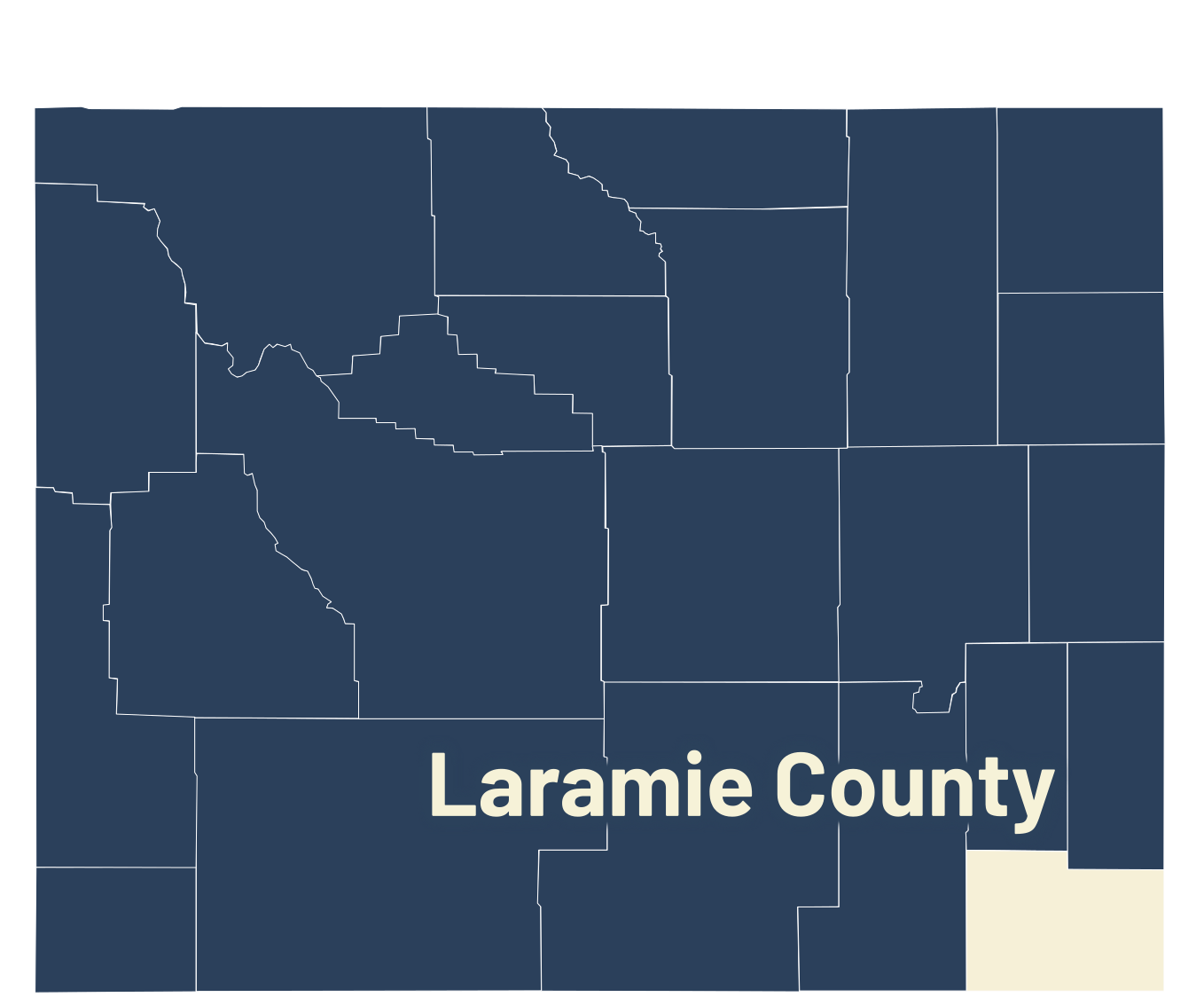
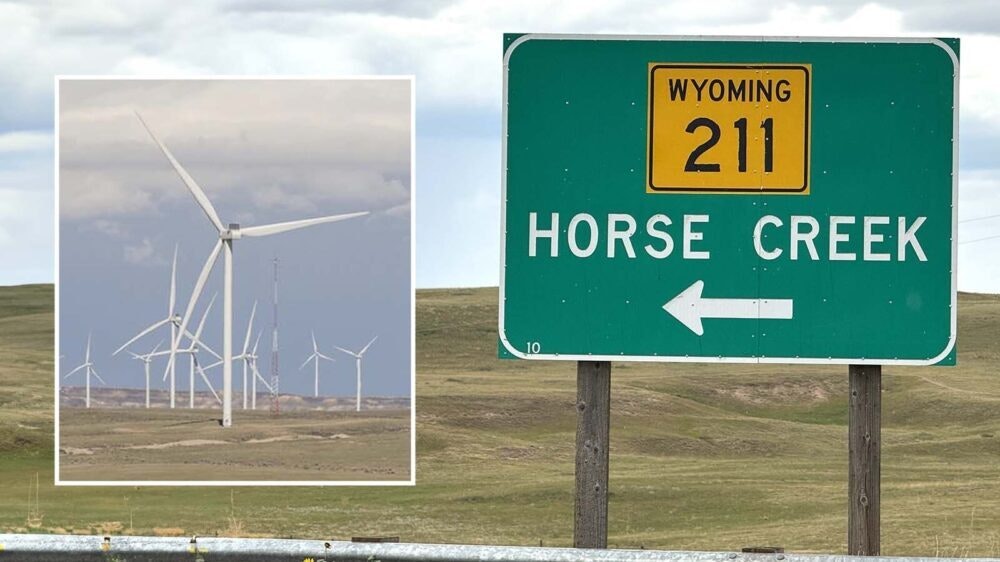
Located about 26 miles northwest of Cheyenne in Horse Creek, the project would place large scale industrial development into a historic ranching community where the high plains meet the Rocky Mountains. Horse Creek is easily accessed from I-25 and Horse Creek Road, and its working lands, open space, and wildlife corridors have long defined the character of this part of Wyoming.
The January 29, 2026 public open house for the Laramie Range Wind Project comes at a critical moment.
While the developer frames the meeting as an opportunity to share information and answer questions, residents should recognize that this project is part of a much larger development pattern often referred as the Wyoming Wind Wall.
The scale of this project alone warrants serious public attention, particularly neighbors along Horse Creek Road, north Cheyenne, and throughout the I-25 corridor.
The Laramie Range stretches roughly 125 miles from the Colorado border north toward Casper. It is a living landscape of ranching heritage, wildlife migration routes, and open space that reflects Wyoming’s identity. Today, that entire corridor faces increasing pressure to become one of the largest industrial zones in state history.
Last June Repsol/ConnectGen formally notified our family of plans for a 170-turbine wind project near our Horse Creek property, proposing development across approximately 56,000 acres. In September, the Laramie County Commissioners denied the site permit.
That decision was not arbitrary or political. It was based on unresolved deficiencies, including incomplete road access and truck haul route plans; unanswered questions about emergency response and fire mitigation; unfinalized agreements with Wyoming Game and Fish; and vague or unenforceable commitments regarding wildlife protection and long-term compliance. These were not minor technical issues.
They were fundamental land-use failures that did not meet county standards designed to protect residents, infrastructure, and rural character.
The wind developer has appealed the denial. Meanwhile, similar wind projects are advancing in neighboring counties, often on the assumption that local decisions will eventually be overturned.
Each wind project is reviewed individually. Collectively, they form an expanding industrial corridor stretching from Rawlins to Cheyenne, from Cheyenne to Chugwater, and north toward Glenrock.
This includes 700 ft-turbines, transmission lines, substations, access roads, heavy construction traffic, and permanent landscape transformation. Yet no state or regional authority is evaluating what these projects mean together.
The Laramie Range Wind Project in not an isolated proposal. It is a key link in a cumulative development pattern that raises serious questions about long term land use compatibility, wild life migration and habitat fragmentation, rural road degradation, state trust land stewardship, and impacts on agriculture, tourism, and historic landscapes.
These are not abstract concerns. They have been raised repeatedly by informed residents through testimony, written comments, and regulatory proceedings.
The developer has scheduled a public open house for Thursday, January 29, from 5:30 to 7:30 pm at the Cheyenne Kiwanis Community House (4603 Lions Park Drive).
The company has indicated it will share information about revisions, including fewer turbine numbers, increased setbacks, and a reduced project footprint.
Public meetings matter. But an open house does not resolve the deficiencies that led to the county’s denial, nor does it substitute for meeting land use standards.
Residents should feel empowered to ask direct questions. What is the long-term goal for this region?
How does this project fit into the cumulative Wyoming Wind Wall footprint? What impacts cannot be mitigated? How will commitments be enforced? What is being offered to the informed citizens beyond promises?
Wyoming is not anti-energy. Rural communities understand development. But scale matters. Location matters. And cumulative impact matters.
Public participation matters most before decisions are finalized and appeals are resolved. Showing up on January 29 sends a clear message that Wyoming residents expect transparency, accountability, and an honest discussion about cumulative impacts.
When projects stack up across a region, impacts multiply even when each project claims compliance in isolation. Wyoming must decide whether its energy future will be built with communities, or merely presented to them at open houses after the fact.
Attend. Ask questions. Engage respectfully. And make your voice part of the public record.
Sincerely,
Wendy Volk, Cheyenne