It has recently been said that there is simply no common ground left between the right and the left. That our politics are so fractured that agreement on even basic principles is no longer possible.
I disagree.
There is still common ground. One of the clearest examples is the Fourth Amendment.
Right now, two policy discussions unfolding in Cheyenne raise serious constitutional questions that affect everyone, regardless of party or ideology. These are not abstract debates. They touch on privacy, property rights, and the basic limits we place on government power.
Let me say this plainly. I do not believe local officials are acting with ill intent. I am not accusing city leaders or staff of deliberately trying to infringe on anyone’s rights. I believe most people involved genuinely want safer streets and a safer community.
But good intentions do not eliminate constitutional tradeoffs. History shows that rights are rarely taken by villains. They are eroded by well meaning people who believe the ends justify the means.
The first issue involves the deployment of advanced camera systems across the city. Cheyenne has installed more than twenty automated license plate reader cameras through the Flock Safety system.
These cameras capture images of vehicles and license plates and allow law enforcement to search and analyze those records over time. Supporters argue the technology helps recover stolen vehicles, identify suspects, and reduce crime without putting officers in harm’s way.
Those benefits may be real. But they come with real costs. These systems create a continuous record of movement, including the movements of innocent people who are not suspected of any wrongdoing.
Cameras placed near busy roadways and residential areas do not only observe crime. They observe daily life. Even when policies limit how data is used, the existence of mass, searchable surveillance raises a fundamental question. Are you truly free if your movements are constantly recorded?
The Fourth Amendment was written precisely to guard against this kind of power. James Madison and the other founders were deeply concerned about general warrants and suspicionless searches, which had been used by the British Crown to monitor colonists without cause.
Madison viewed unchecked surveillance as incompatible with liberty, because it allowed government to observe first and justify later. The requirement of particularized warrants and judicial oversight was not a technicality. It was a deliberate barrier against a government that could otherwise watch everyone and accuse anyone.
The second issue is the city’s proposal to expand the use of administrative inspection warrants. These warrants are not criminal warrants based on probable cause of a crime. They are a mechanism that would allow government officials to seek court approval to enter private property for inspections when consent is not given. While framed as a public safety tool, many residents reasonably fear that lowering the standard for entry weakens the strongest protections our Constitution provides to homes and property.
Our rights do not disappear with the invention of new technology. Technology should complement our way of life, not strip us of our freedom or our humanity. It is the responsibility of those in authority, regardless of party, to familiarize themselves with new tools so that innovation does not become an excuse to erode the freedoms of the people they serve. The task is not left versus right. It is foundational to representative government.
There is an old idea, often attributed to Benjamin Franklin, that if you give up liberty to get security, you will gain neither and lose both. Once we accept that technology or administrative convenience can serve as a backdoor around constitutional protections, someone will always come along to push that door wider.
This is where people of very different political philosophies actually agree. Whether you are an elephant, a rhino, a donkey, or a dino, when the Leviathan shows up, we all have a common enemy. The threat is not our neighbor. The threat is unchecked power that grows quietly until it is too large to stop.
I am calling specifically on the Cheyenne City Council to slow down and carefully reconsider these policies, with a focus on narrow scope, clear limits, and genuine respect for the Fourth Amendment. I am also working with people from across the political spectrum on legislation to address government surveillance at the state level.
This is not anti police. It is not anti technology. It is pro Constitution.
We still have common ground. The Fourth Amendment is one place where we should stand together.
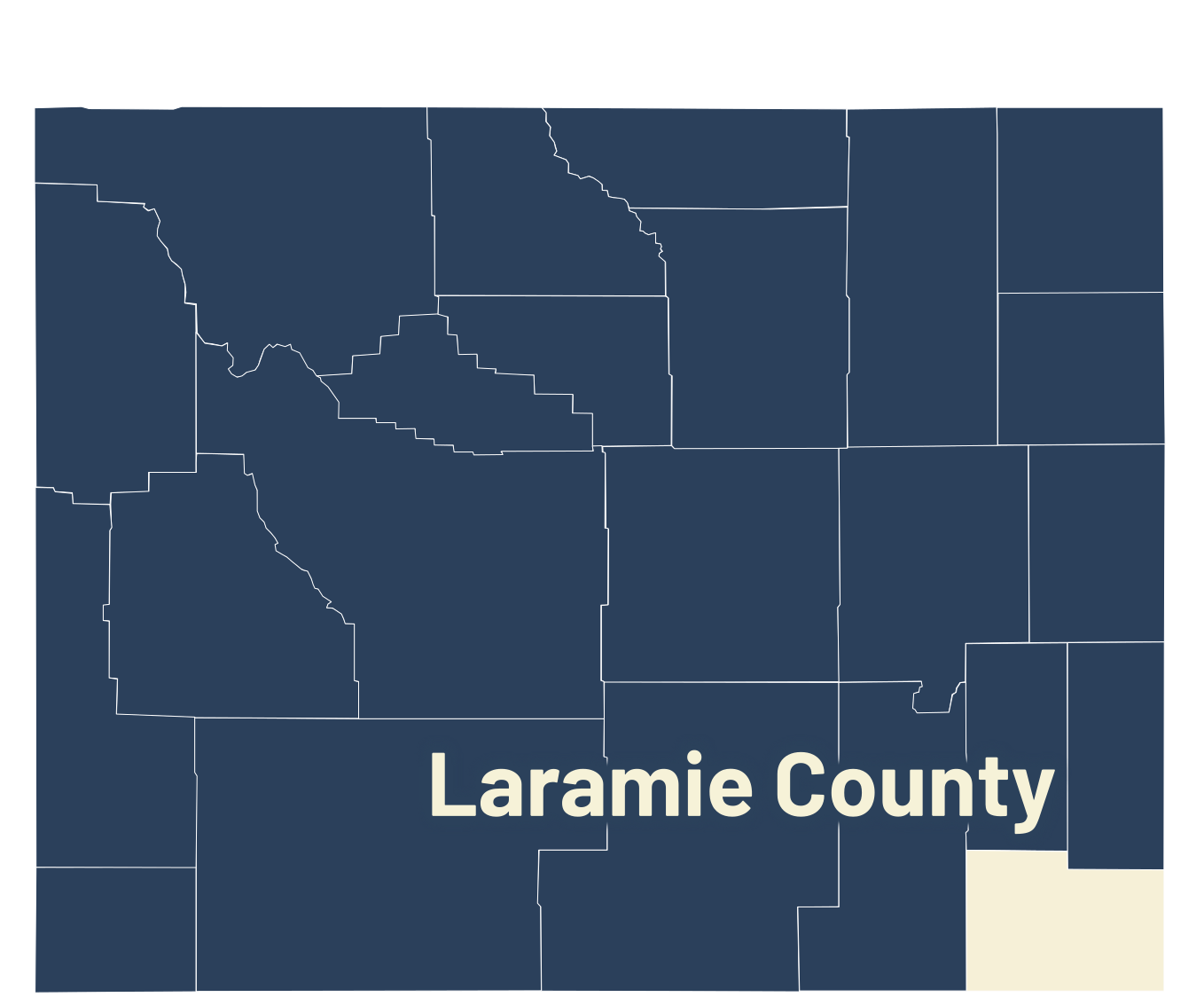
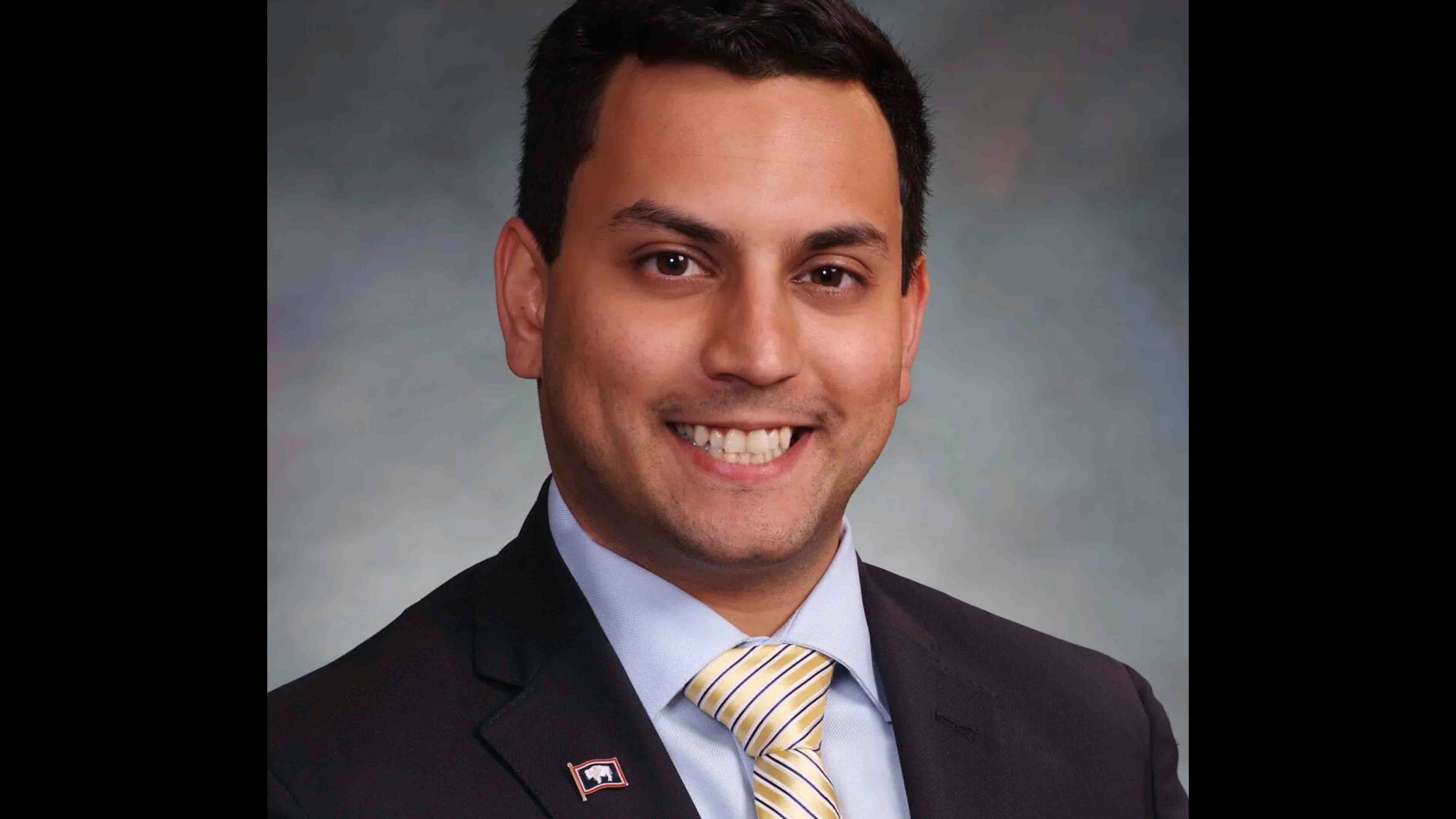
Daniel Singh represents Wyoming House District 61 and lives in Cheyenne