I read with interest the guest column titled “Guest Column: Democrat Math — What’s NOT Being Said About the Budget”, by Rep. John Bear, chair of the Wyoming House Appropriations Committee and “chairman emeritus” of the House Freedom Caucus.
In that piece, clearly opinion, not fact, Chairman Bear states, “If state spending continues to increase at this rate, our own projections put us $800 million in the red by 2029 – that’s three short years away.”
After doing a little research on the Wyoming Legislature’s website, it was apparent Chairman Bear was using some kind of new math — Freedom Caucus math.
The Legislative Service Office (LSO) fiscal staff produces the LSO Long-term Profile built upon the governor’s recommended budget for FY 2027-2028.
The profile provides a high-level view of where Wyoming’s finances are headed over the course of three biennia, through the end of FY 2030. Understand these are high-level projections with assumptions, but they are the best analysis we have of Wyoming’s future fiscal health.
According to Box 4 of the January 2026 Long-term Profile, by the end of the FY 2029-2030 biennium, the state is projected to be $124.5 million in the red, not Chairman Bear’s “own projections” of $800 million by 2029.
According to the math I grew up with, that is a pretty large discrepancy, but it’s consistent with most Freedom Caucus math.
A closer look at what is driving that $124.5 million deficit shows the School Foundation Program (SFP) is underwater by $117.5 million. The General Fund is nearly flat, being only $7 million in the red.
Given that General Fund expenditures are over $3.8 billion during the FY 2029-2030, a $7 million gap is easily fixable.
So why the SFP gap? Look at Box 2 of the Long-term Profile, and Ad Valorem (property tax), Federal Mineral Royalties, and Investment Earnings are all declining.
When the Legislature cuts property taxes, it results in a loss of revenues for K12 education. It is that simple.
There is another detail Chairman Bear left out. The last line of the Long-term Profile shows that by the end of FY 2029-2030; Wyoming will statutorily transfer $212.1 million to savings.
Under plain cowboy math, if you compare the projected gap of ($124.5 million) with the statutory savings transfer ($212.1 million), we are not headed off a fiscal cliff and are actually in the “black” by $87.6 million.
Chairman Bear also stated, “The JAC budget limits runaway government growth by cutting waste while fully funding the necessary functions of government.”
But on Jan. 13, JAC voted to cut the state’s funding of the University of Wyoming by $40 million, almost 11% of what UW receives from the state.
According to UW President Ed Seidel, “UW’s block grant was larger in 2013 ($371 million) than it is today ($366 million), not even considering the $40 million cut proposed.”
I would not call that “runaway government growth”.
Wyoming taxpayers deserve straight talk. I encourage folks to look at the published fiscal profile themselves.
Follow the facts and don’t be fooled by Freedom Caucus math.
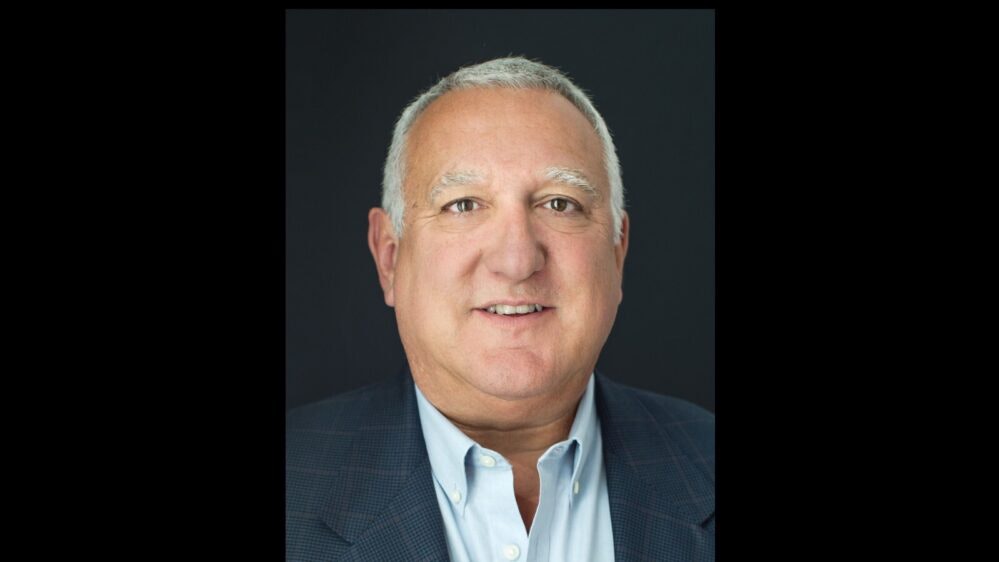
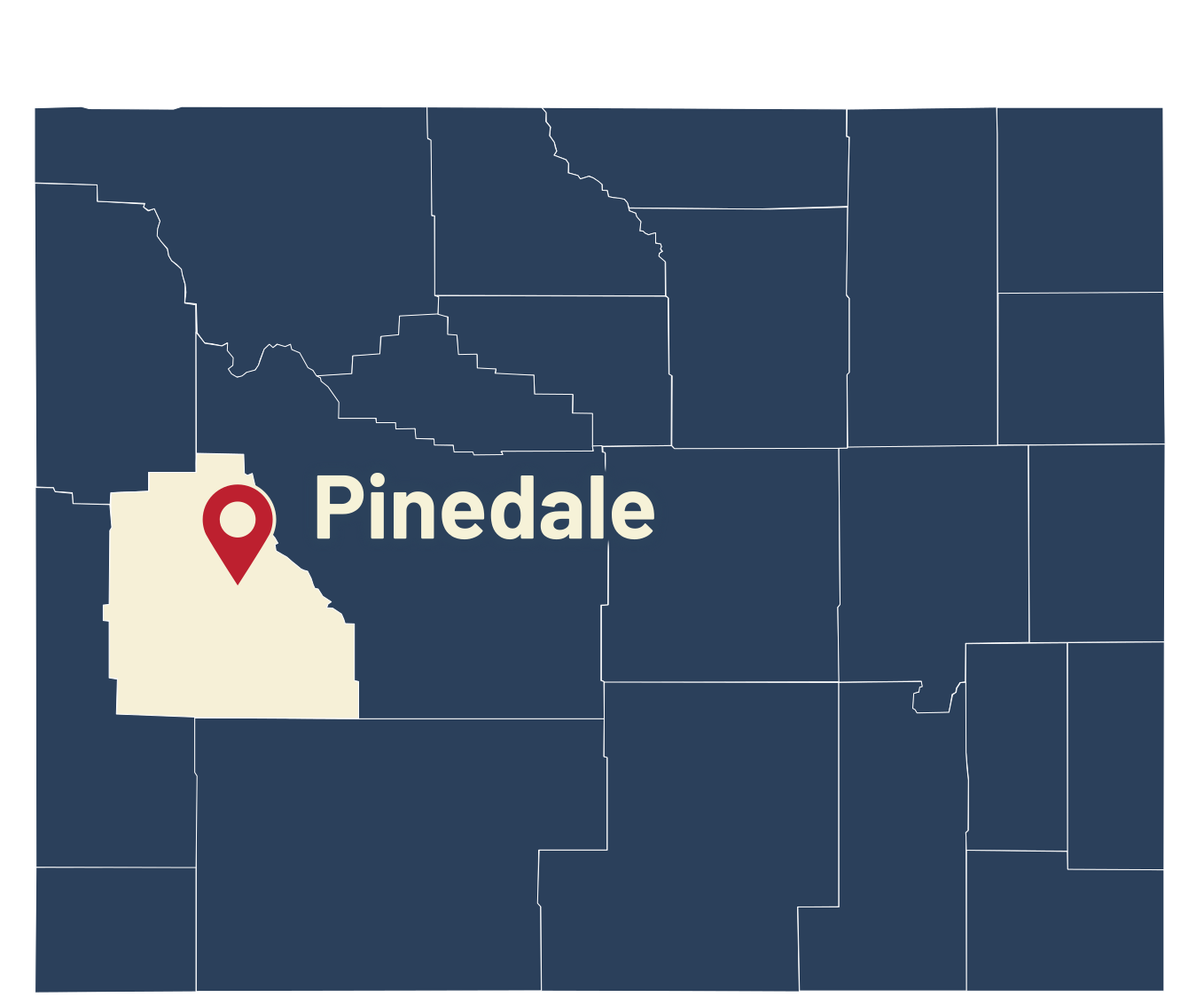
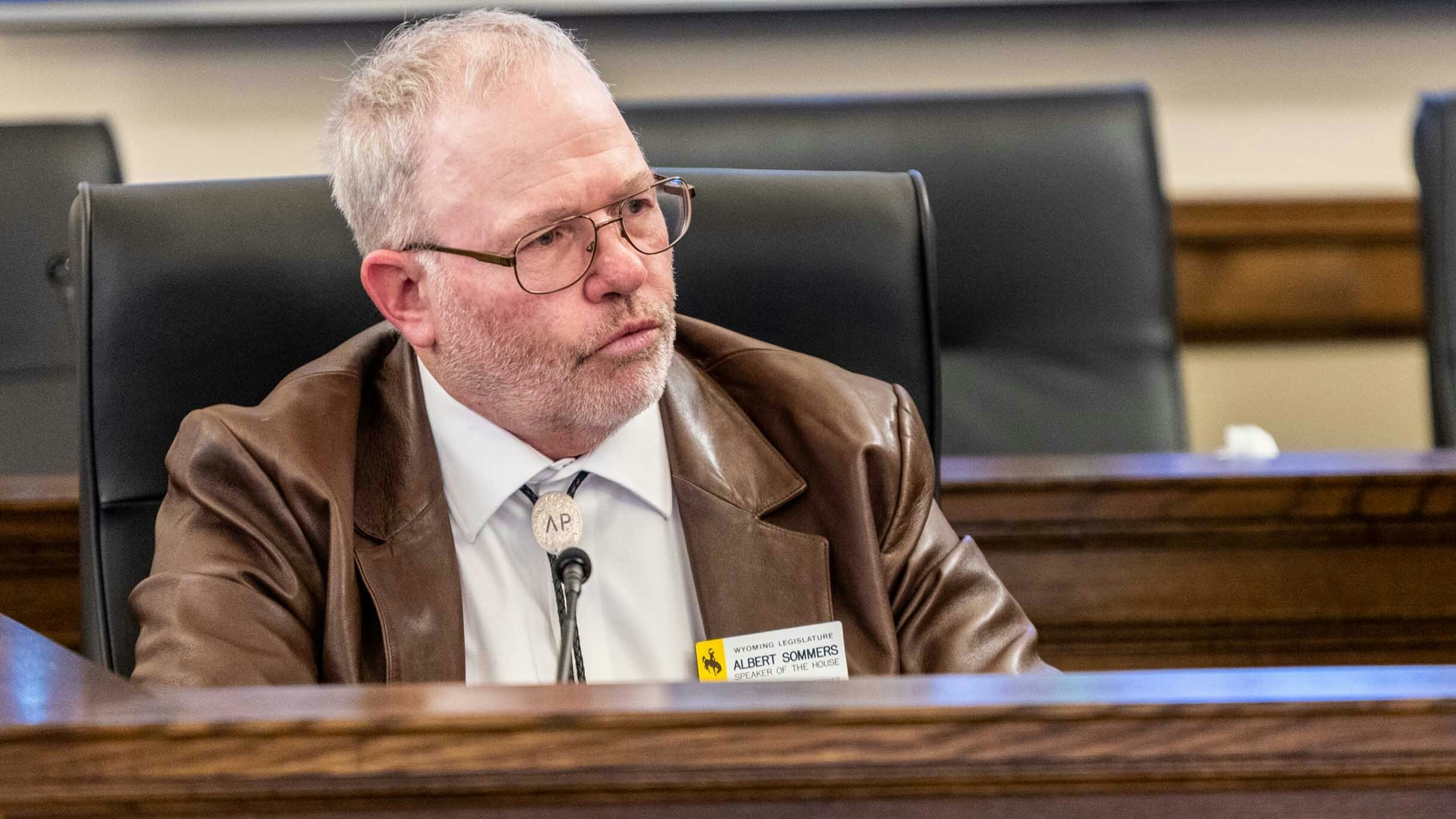
Albert Sommers is a former legislator who represented House District 20 from 2013 - 2024. He served as the Speaker of the House from 2023 - 2024.