Myles Recny calls it “the robot bubble bath.”
The co-founder of Realm Alliance, a Texas-based AI software company, is describing how artificial intelligence can optimize the froth flotation process that cleans coal at preparation plants — watching bubble size, flow dynamics and chemical balances in ways no human ever could.
“You’re not going to as a human sit there and count thousands of bubbles in their sizes millisecond by millisecond, but this is something that AI can do,” Recny told Cowboy State Daily from London, England.
The technology isn’t science fiction. Realm Alliance is already deploying AI systems at coal mines in Alabama, and Recny sees Wyoming’s coal operations as a natural fit.
The key insight, Recny said, is that mining operations don’t need to replace everything to benefit from artificial intelligence. They can upgrade what they already have.
“You can roboticize existing machines with AI and with systems integrations,” Recny said. “You may be looking to upgrade, but you don’t have to replace everything.”
Essentially, coal producers can give their gear new brains.
That means connecting AI to existing camera systems to monitor safety compliance, watch conveyor belts for blockages and detect when equipment is drifting toward failure.
A camera watching a belt can spot a foreign object and automatically shut down the system before damage occurs. Another can detect when a worker isn’t wearing proper safety equipment, said Recny.
“We’re not replacing humans in coal,” he added. “We’re kind of addressing a reality, which is that there are fewer and fewer people available to work in coal. And so AI can kind of fill a gap where we’re not able to hire new talent at the same rate.”
The flotation cell optimization alone, he said, could improve coal yield by 2% to 5% — translating to millions of dollars in additional revenue from coal that would otherwise wash away as waste.
Already Here
While AI enhances coal processing, robotics are changing how oil producers operate.
Tom Kropatsch, supervisor of the Wyoming Oil and Gas Conservation Commission, said automation is increasingly common on drilling rigs operating in the state right now.
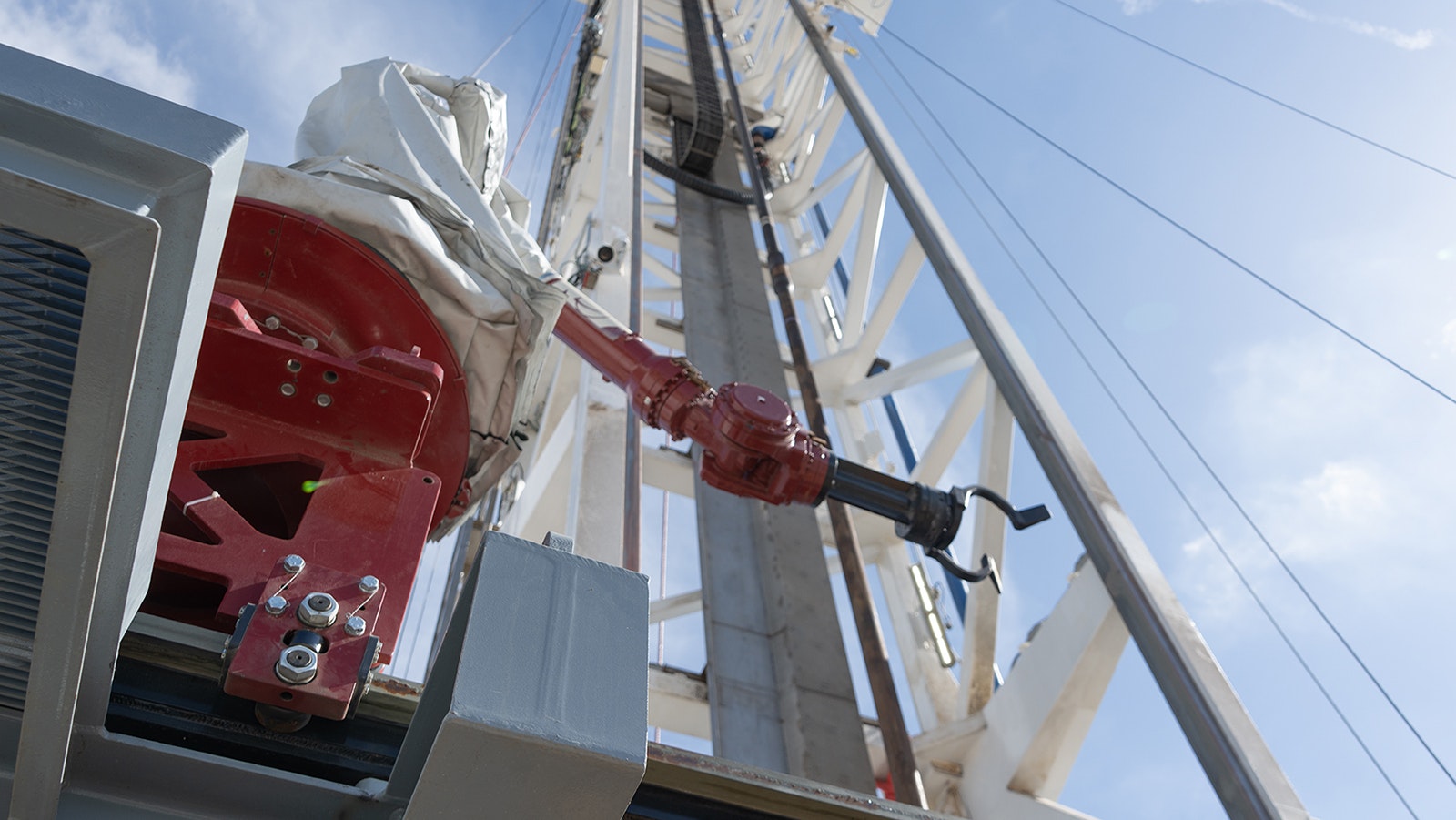
“We are starting to see certain drilling rigs with more automation involved,” Kropatsch told Cowboy State Daily. “It’s not always the deckhands up there on the rig floor doing work. There’s more automation built into that. More robotics.”
Robotic arms now handle tasks that once required workers to manually wrestle with drill pipes and chains in a work environment with many safety challenges.
“You can make those joints on drill casing and things like that with those robotic arms and tongs that used to be done manually,” Kropatsch said. “Now it’s the robotics that are able to make those joints, put the drill pipe together or take it apart, stack those joints on the rig.”
“It’s for the parts of the process that expose humans to potential risk,” he added. “Anytime you’re removing people from that, that’s where I’ve seen it.”
Industry Spotlight
The conversation about robots in energy and mining gained fresh momentum this month at the Consumer Electronics Show in Las Vegas, where Korean automaker Hyundai and its subsidiary Boston Dynamics unveiled a sweeping artificial intelligence robotics strategy.
The presentation featured the company’s Atlas humanoid robot, an AI-powered machine designed to help with repetitive tasks in factories and warehouses.
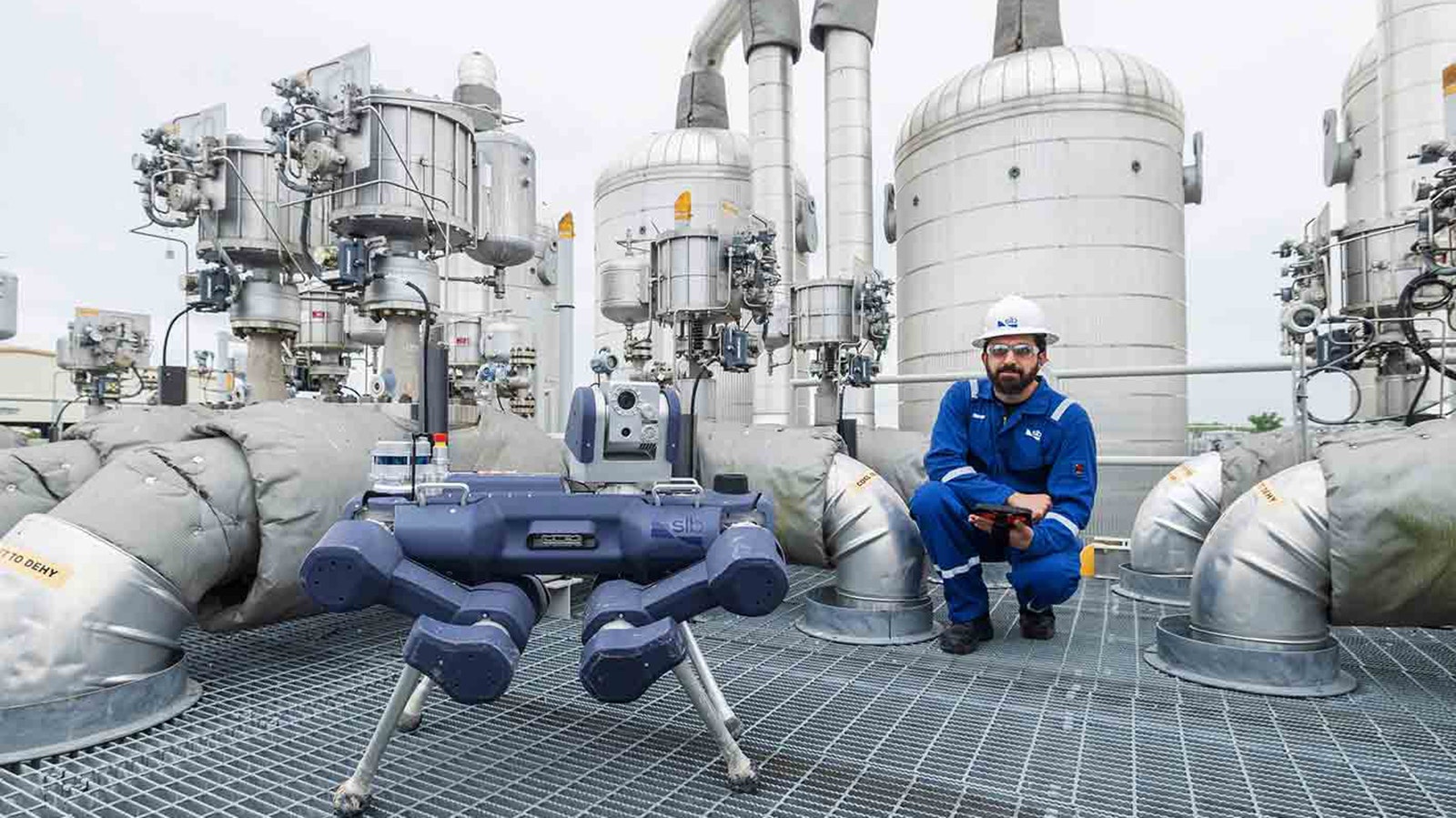
Boston Dynamics’ Spot quadruped robot is already deployed at energy facilities worldwide, including BP platforms in the Gulf of Mexico where it reads gauges, monitors corrosion, and detects methane leaks.
Hyundai announced plans to expand robotics applications to logistics, energy, construction and facility management sectors.
Other companies showcased robots designed specifically for energy work.
China-based DEEP Robotics demonstrated its Jueying X30, which has taken a leading position in the global energy inspection market with autonomous navigation that achieves centimeter-level positioning in indoor environments.
The company recently deployed a robot nicknamed “SPock” to patrol sections of a 40-kilometer underground power transmission tunnel in Singapore — the first Chinese quadruped robot deployed to an overseas power system.
Mining’s Pace
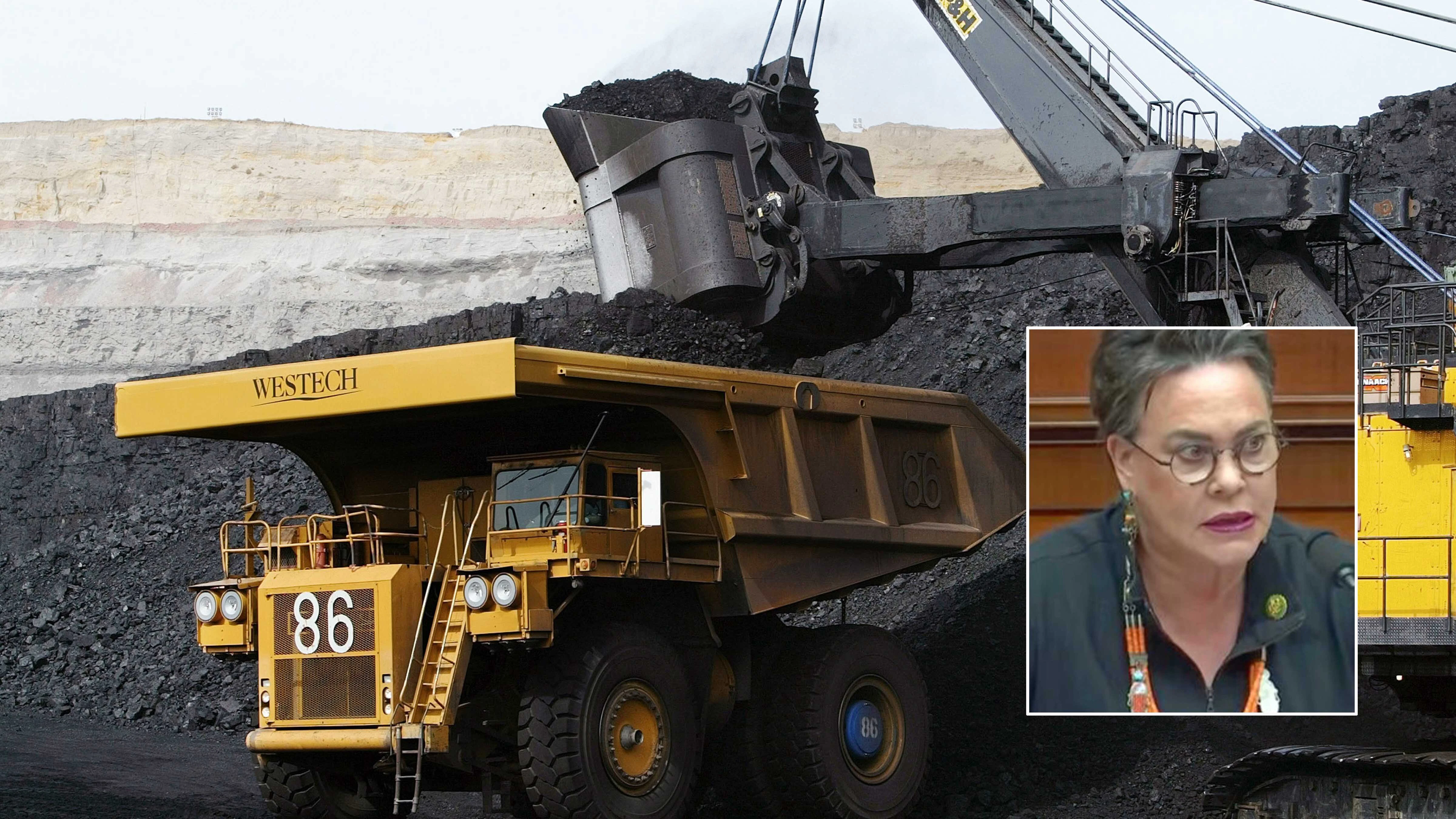
Wyoming’s mining sector has been slower to adopt robotics, according to Travis Deti, executive director of the Wyoming Mining Association.
“I don’t believe we are using much in the way of robotics in our conventional mining operations,” Deti told Cowboy State Daily. “We’re still pretty old school with people and equipment.”
Some automation exists at processing facilities, he said, such as bagging operations at bentonite plants. And larger surface mines use drone technology for surveying and monitoring. But walking robots and AI-enhanced systems remain largely on the horizon.
That could change as workforce challenges mount and technology costs decline.
The U.S. Department of Energy recently announced its Mine of the Future initiative, offering up to $80 million to establish proving grounds for next-generation mining technologies, with “innovations in robotics and autonomous mining” listed as a core focus area.
Four Ds
The case for mining automation has been building for years. A 2023 article in Geo Drilling International titled “Applying robotisation’s four Ds to real-world mining automation” examined the framework that has long guided robotics adoption: deploying machines for work that is dull, dirty, dangerous or difficult.
AI continues to find new applications in the ongoing work of developing Wyoming’s energy resources. Companies like Realm Alliance are betting that AI can bridge the gap between legacy operations and the automated future.
“AI isn’t something we should just try and slap on everything,” Recny said. “It should be used intelligently and strategically where appropriate.”
David Madison can be reached at david@cowboystatedaily.com.