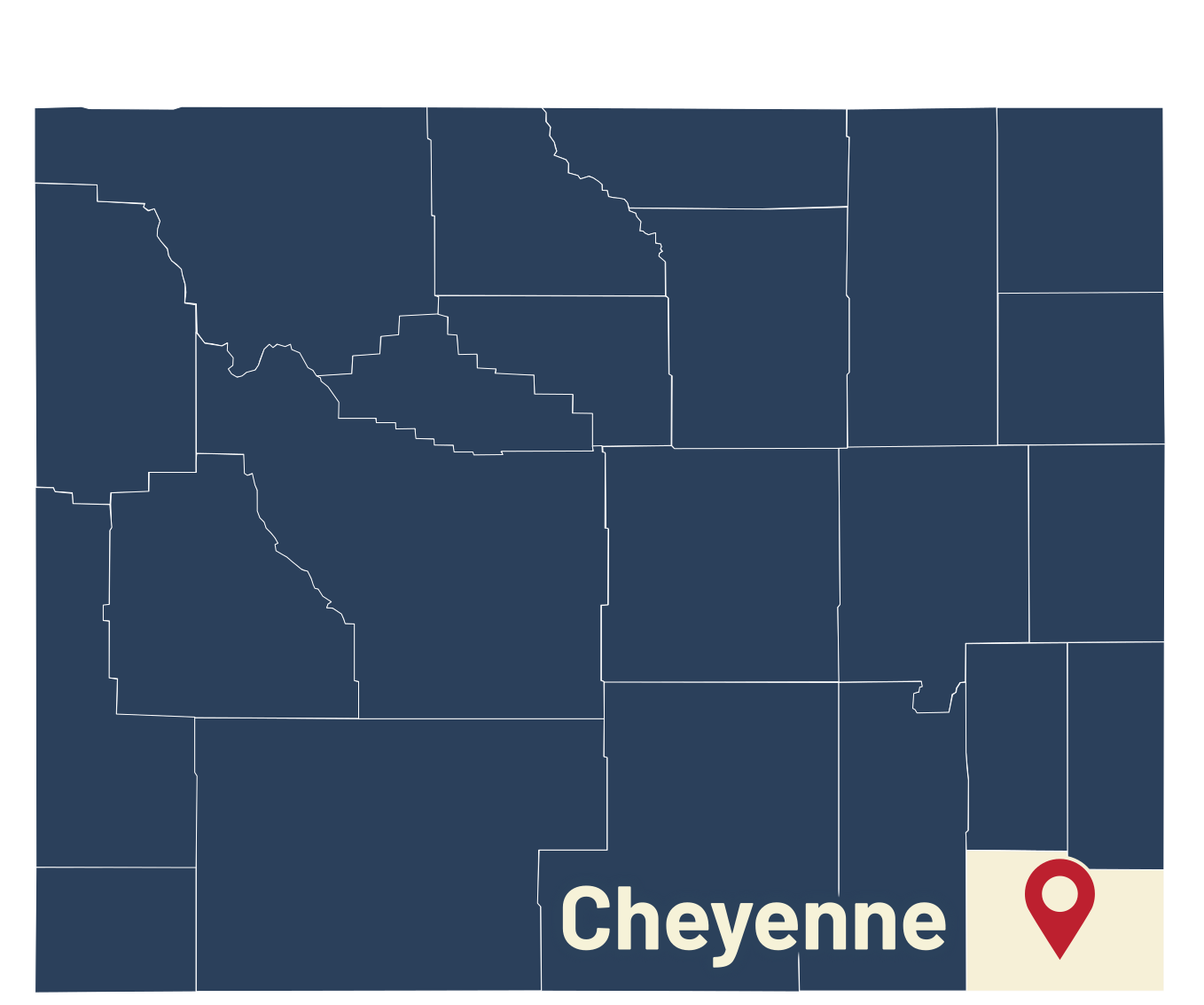
An agreement announced Friday between TerraPower and Meta to build up to eight advanced nuclear reactors across the United States has put Cheyenne in position to become home to a dual-unit Natrium power plant, according to a TerraPower executive.
Andrew Richards, TerraPower's vice president of government affairs, told Cowboy State Daily that Meta's massive data center footprint in Cheyenne makes the capital city a natural candidate for one of the reactors the company plans to build under the new agreement.
"All things are on the table and it's possible," Richards said. "We're getting to look all over the country where we could site these eight reactors.
"Wyoming is on the list, and it's definitely possible that if it were to work out and it makes sense for both Meta and TerraPower, we could bring another reactor to Wyoming."
When asked specifically whether Cheyenne's proximity to Meta's data center gives it an advantage, Richards said, "I would say it would be favorable.”
Massive Partnership
The scale of the TerraPower-Meta agreement is unprecedented for the advanced nuclear sector, according to the companies.
Under the deal, Meta will fund development of up to eight Natrium reactors capable of producing 2.8 gigawatts of carbon-free baseload energy, with built-in storage that can boost total output to 4 gigawatts.
The first two units — configured as a dual-reactor facility — are targeted for delivery as early as 2032. An additional six units could come online by 2035.
"To successfully address growing energy demand, we must deploy gigawatts of advanced nuclear energy in the 2030s,” said Chris Levesque, TerraPower president and CEO, in the company's announcement.
"This agreement with Meta is designed to support the rapid deployment of our Natrium technology that provides the reliable, flexible, and carbon-free power our country needs,” he said.
Each Natrium reactor provides 345 megawatts of baseload power, with built-in energy storage that can ramp up to 500 megawatts for over five hours.
A dual-unit facility — the type that could come to Cheyenne — would provide 690 megawatts of firm power and up to 1 gigawatt of dispatchable electricity.
TerraPower beat out competing advanced nuclear companies through a rigorous request-for-proposal process, Richards said.
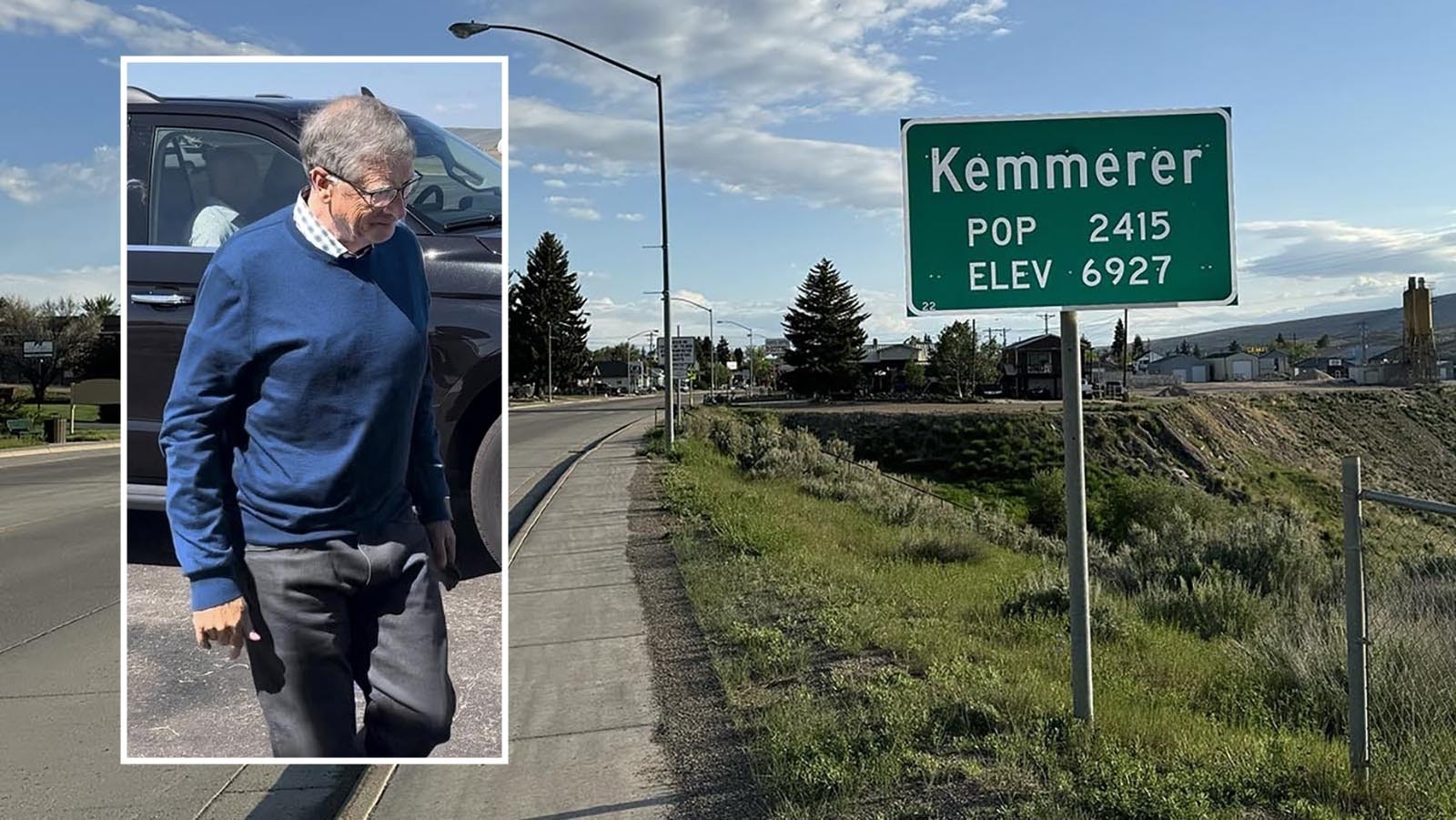
"We went through a vigorous RFP process that Meta put out, and this is the result of Meta basically pulling to TerraPower, looking at the work on Kemmerer unit one and just saying, ‘We have faith and trust in this technology,'" Richards said. "They've selected us above any other advanced reactor technology. So we're very, very proud of that fact."
Meta's Joel Kaplan, chief global affairs officer, said in a company blog post that the agreements make Meta "one of the most significant corporate purchasers of nuclear energy in American history."
"State-of-the-art data centers and AI infrastructure are essential to securing America's position as a global leader in AI," Kaplan said. "Nuclear energy will help power our AI future, strengthen our country's energy infrastructure, and provide clean, reliable electricity for everyone."
Urvi Parekh, director of global energy for Meta, said the company is committed to supporting innovative energy solutions.
"This agreement with TerraPower — the result of Meta's nuclear RFP process, which identified leading developers of nuclear energy to help us advance our energy goals — marks a significant step forward in advancing next-generation nuclear technology," Parekh said as part of Friday’s announcement.
Growing Footprint
Cheyenne Mayor Patrick Collins said the possibility of nuclear power serving the city's growing data center industry has always seemed like a logical next step.
"It has not come up to this point, but I've always thought that eventually, with the amount of electricity that's going to be demanded by the industry that's coming to Cheyenne, it just makes business sense, I think, at some point that someone would look at it," Collins told Cowboy State Daily. "I think TerraPower is probably the one that makes the most sense, coming from Kemmerer and the investments they're making in Wyoming, that we might be one of the places they would look."
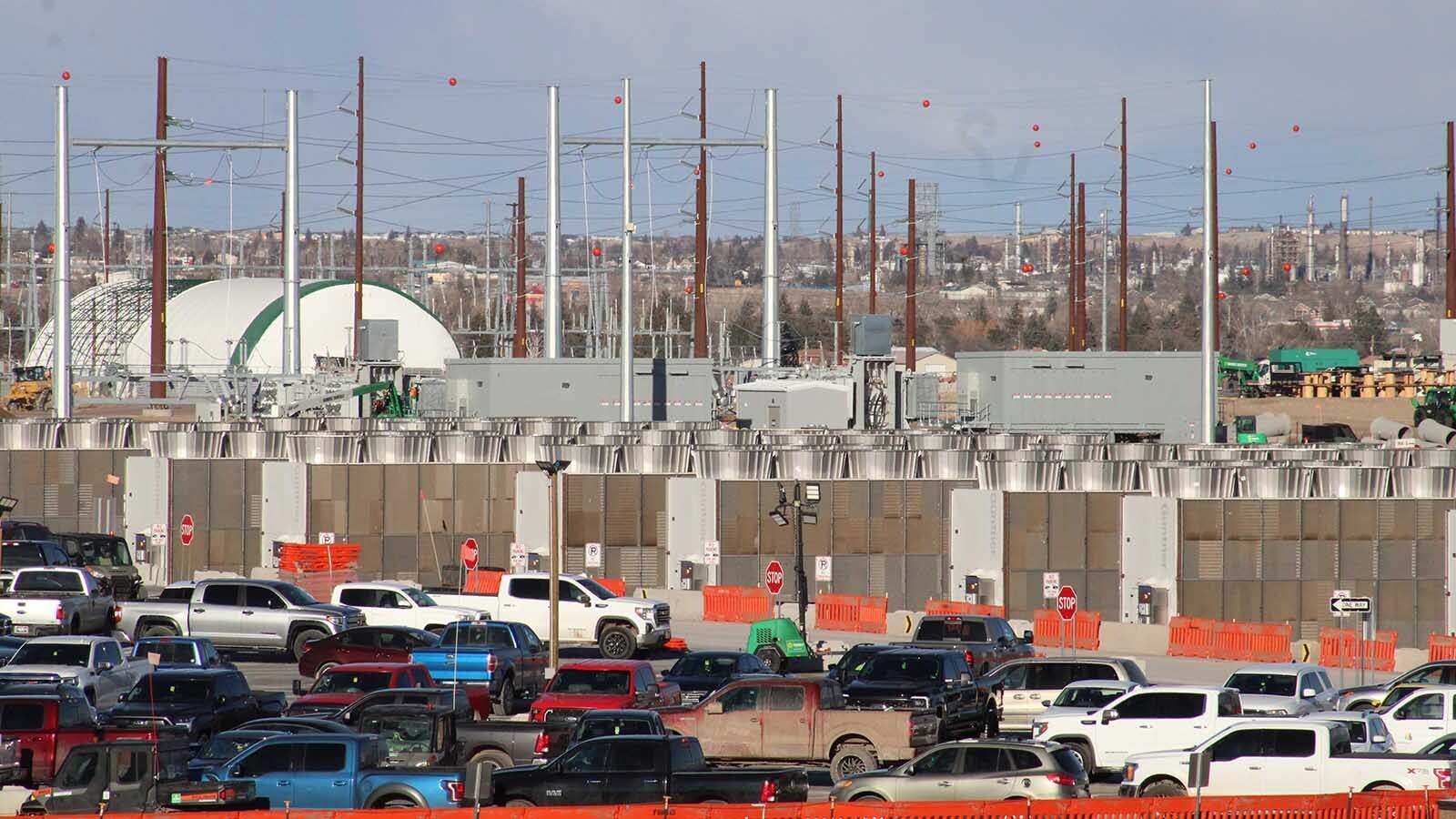
Meta's investment in Cheyenne has been substantial.
The company bought 900 acres in south Cheyenne in what is now called the High Plains Business Park.
Collins said Meta has completed about 700,000 square feet of building, with plans that could eventually total 2.1 million square feet.
"An unbelievable capital investment in Cheyenne and Wyoming," Collins said.
Collins emphasized that Cheyenne has worked to ensure data center growth doesn't burden local residents.
Under Black Hills Energy's large power contract service tariff, data centers must pay 100% of the cost of their impact on the electrical system — unlike in other parts of the country where those costs are shared with ratepayers.
"You're seeing places in other parts of the country where maybe electric rates have gone up two or three times because of that," Collins said. "But here in Cheyenne, we don't allow that to happen."
'Awesome News'
Dale Steenbergen, president and CEO of the Wyoming Chamber of Commerce, called the TerraPower-Meta partnership a major win for the state.
"I think it's awesome news," Steenbergen told Cowboy State Daily. "It leverages a couple of things we're trying to do here in Cheyenne, where we're developing the tech sector, and trying to advance power production, which we are desperately going to need moving forward."
Steenbergen noted that Wyoming's existing uranium mining industry positions it well to benefit from nuclear expansion.
"We are uranium miners in Wyoming,” he said. "We’re working on developing fuels from that uranium for packaged nuclear plants.
“So (that) just means jobs and progress for us. What an awesome opportunity."
When asked whether he anticipates pushback to nuclear development in Cheyenne, Steenbergen said he expects most Wyoming residents will be supportive.
"People in Cheyenne, and largely people in Wyoming, understand what it can mean for our future, and these plants that are being developed are extremely safe," he said. "They're not like the old power plants — cutting edge technology and opportunities for kids."
He added: "This is progress for Wyoming, where we're always looking for ways to be able to keep our kids here and make them have a good standard of living. This is exactly the kind of project that it takes to do that."
Pro Or Con?
Not everyone is certain how Cheyenne residents will react to the prospect of a nuclear plant in their backyard.
Betsey Hale, CEO of Cheyenne LEADS, the local economic development organization, said it makes sense that a company the size of Meta would pursue nuclear power.
"I guess I would say that they want to have power of every type. Generation of every type. So, it would make sense that they would look at nuclear," Hale told Cowboy State Daily. "When you're that big a company, you have to have a diverse portfolio."
But Hale pointed to the recent controversy in Natrona County where Radiant Industries faced local opposition to a proposed microreactor manufacturing facility in Bar Nunn.
That opposition contributed to Radiant's decision to relocate its plans to Tennessee.
"Do we truly have an appetite?" Hale asked. "With this recent finding and outcome up there, I don't know."
She suggested that community conversations about nuclear power are inevitable as data center demand grows.
"Over the next five to 10 years, there's going to need to be a conversation," Hale said.
World Watching
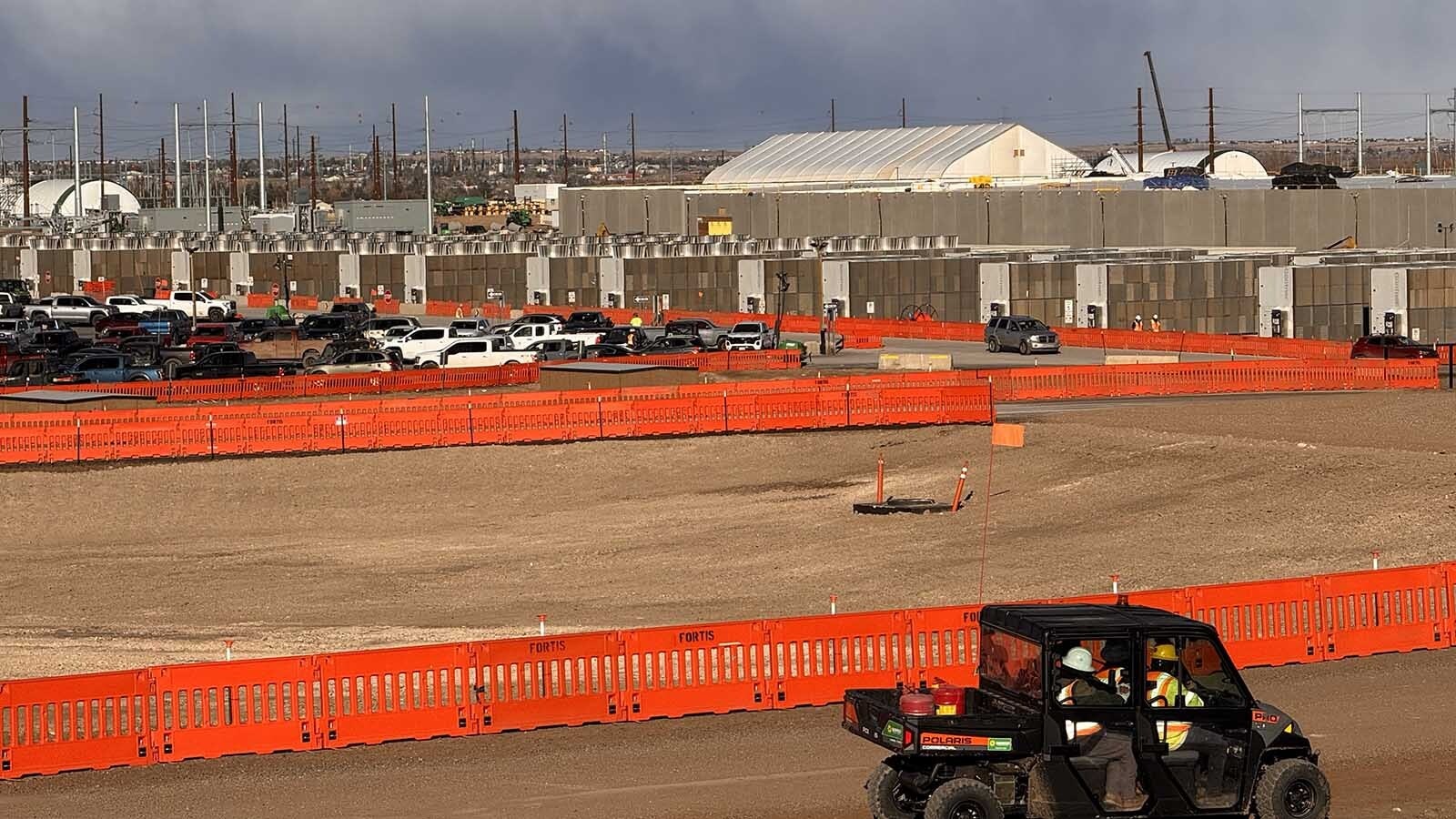
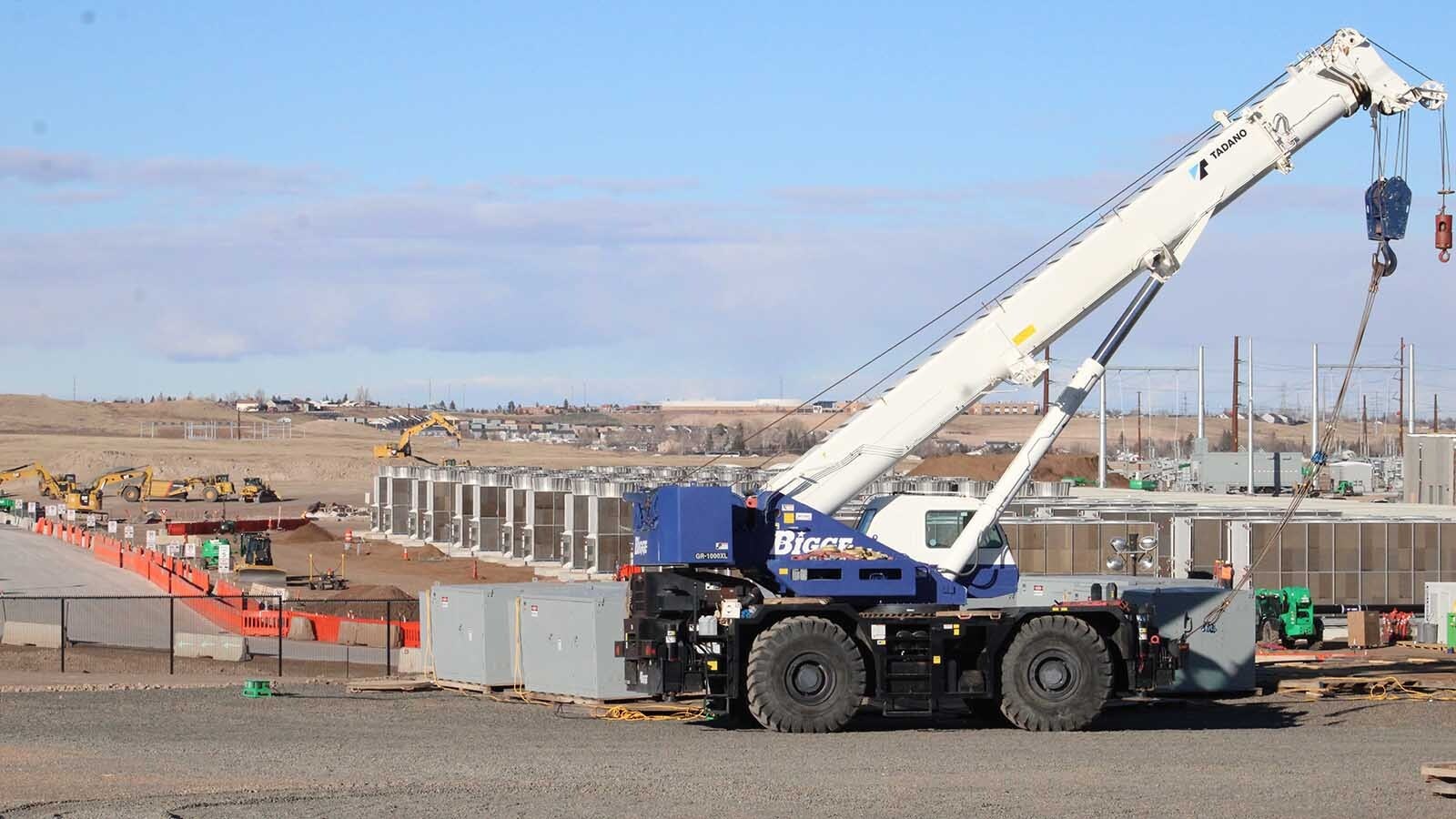
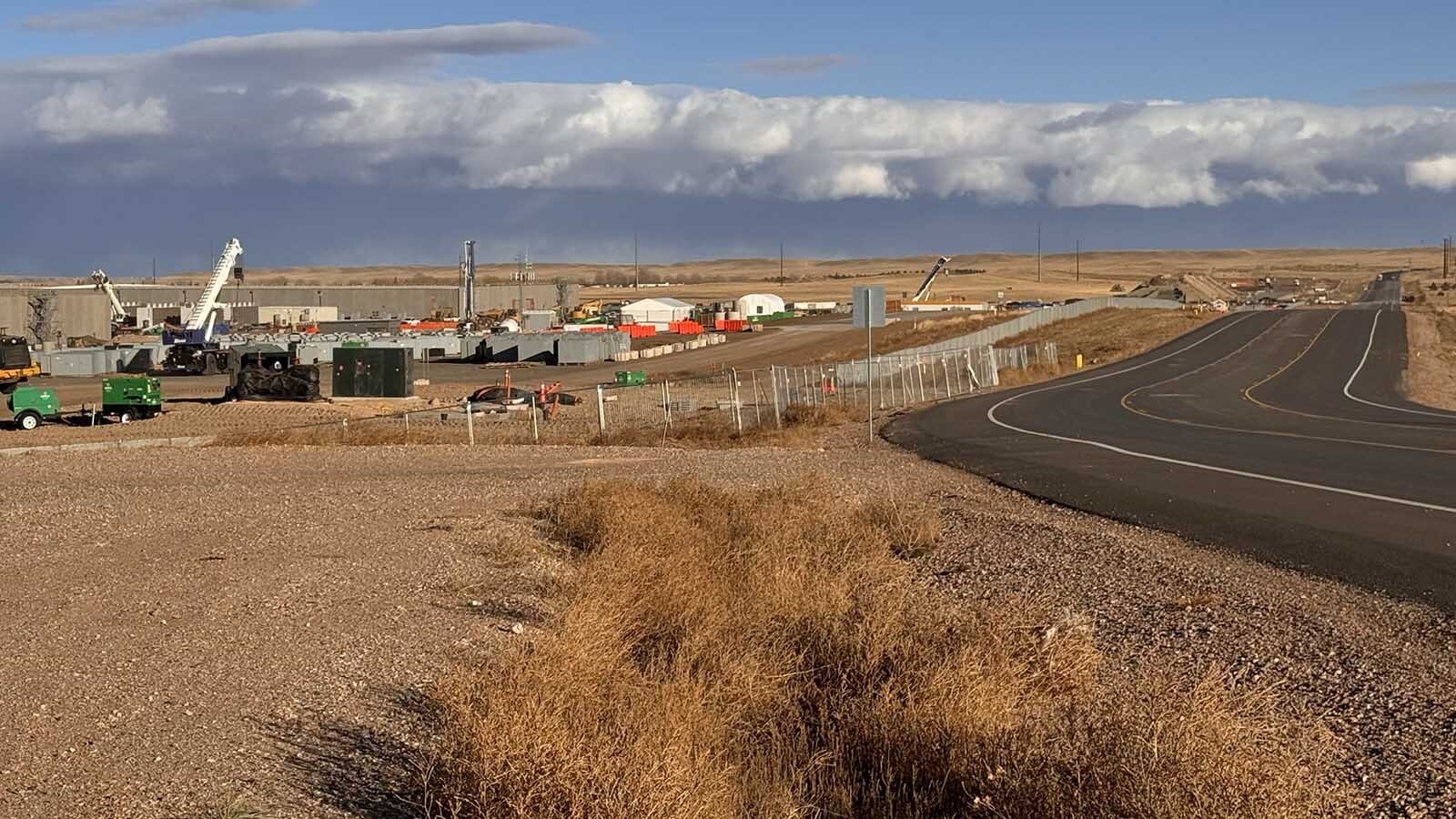
Richards said the lessons TerraPower is learning from building its first Natrium reactor in Kemmerer — expected to be complete in 2030 — will be applied to all eight reactors planned under the Meta agreement.
"It shows the work we're doing on Kemmerer unit one. They (Meta) have their their needs for power and it matches very well with the abilities of our innovative reactor," Richards said. "The world's watching."
The Natrium plant under construction in Kemmerer is the first commercial-scale advanced nuclear project in the U.S.
It remains the only commercial advanced nuclear technology with a complete environmental impact statement and final safety review as part of a construction permit application pending with the U.S. Nuclear Regulatory Commission.
David Madison can be reached at david@cowboystatedaily.com.