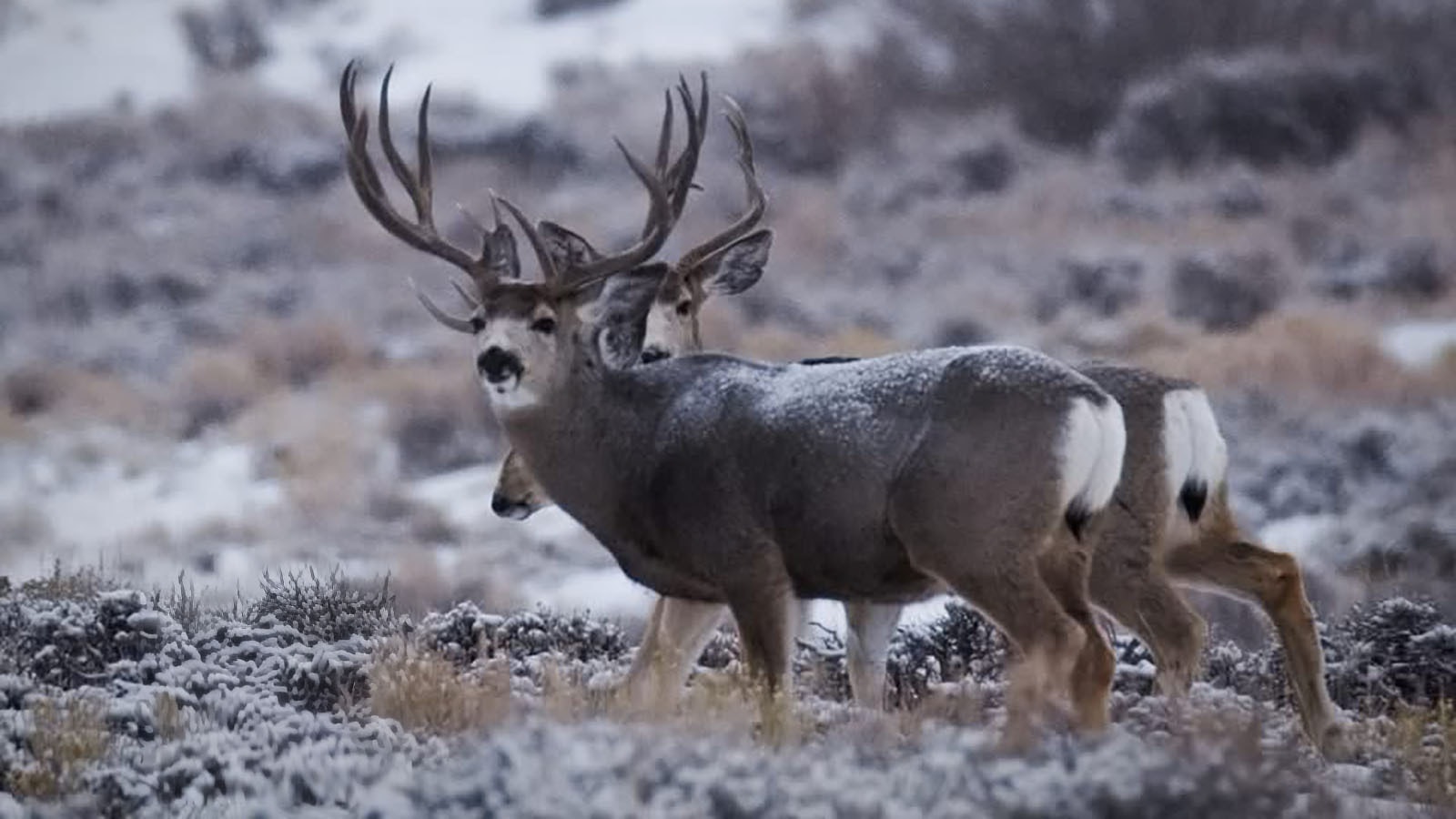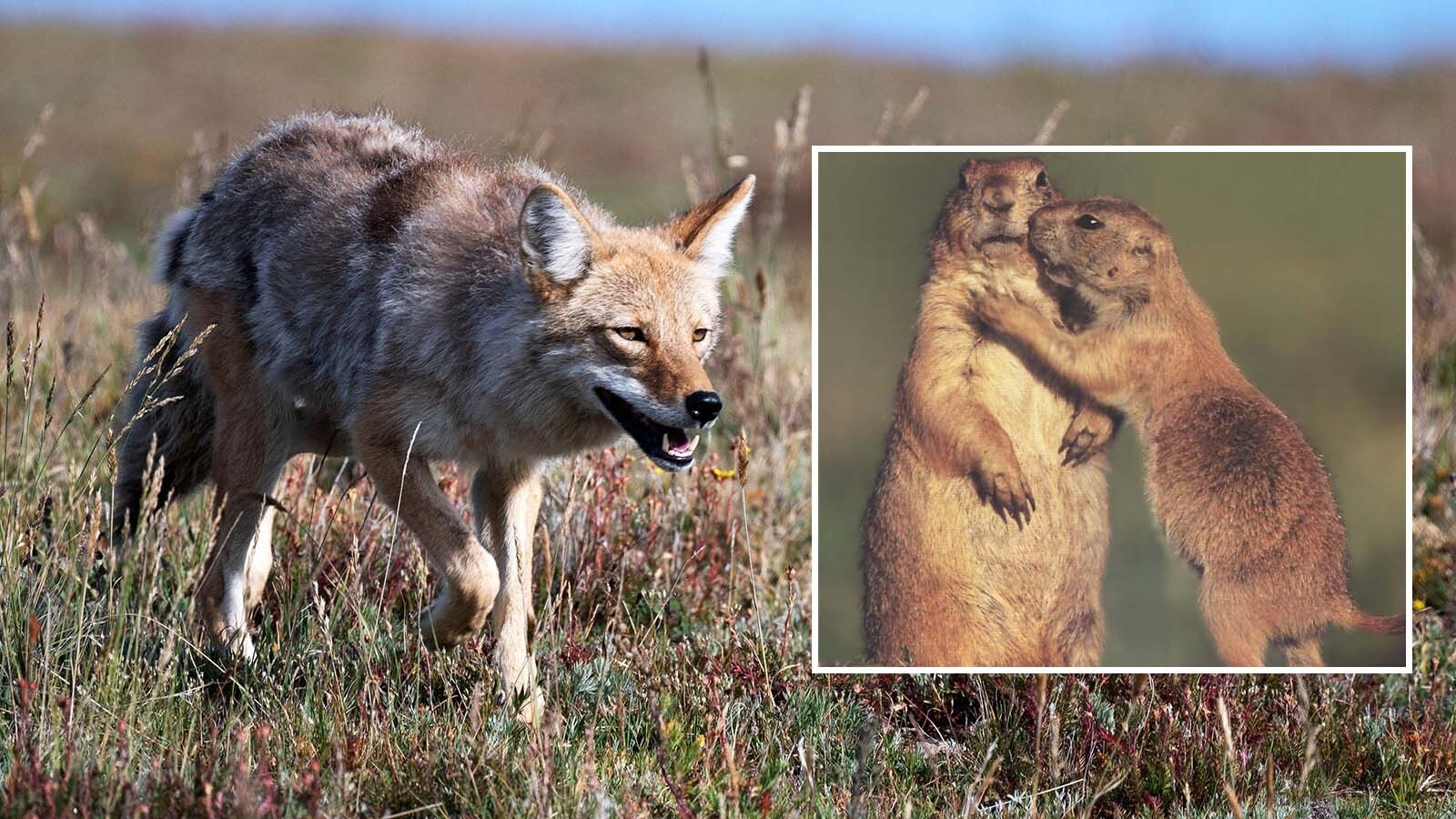
So many prairie dogs have been killed or relocated to make room for development along Colorado’s Front Range, hungry coyotes and other predators have started devouring people’s pets, prairie dog advocates claim.
Boulder County, Colorado, officials claim the area still has a healthy prairie dog population, as well as rabbits and other natural prey.
Town Of Erie Gets Hit
Residents in the town of Erie, a Boulder suburban community that resides in both Boulder and Weld counties north of Denver, are livid over their pets being killed by coyotes, and possibly mountain lions.
They’ve called for the state to take action against predators.
Calls reached a fever pitch in November, when a mini-Australian shepherd named Sage was dragged from her backyard and killed by a wild animal, CBS News reported.
Erie’s current woes aren’t the first pet massacre reported in or around Boulder County.
In 2022, residents of another small rural community, Nederland, claimed that mountain lions killed 23 dogs there that year. That included 15 dogs killed in 30 days during November.
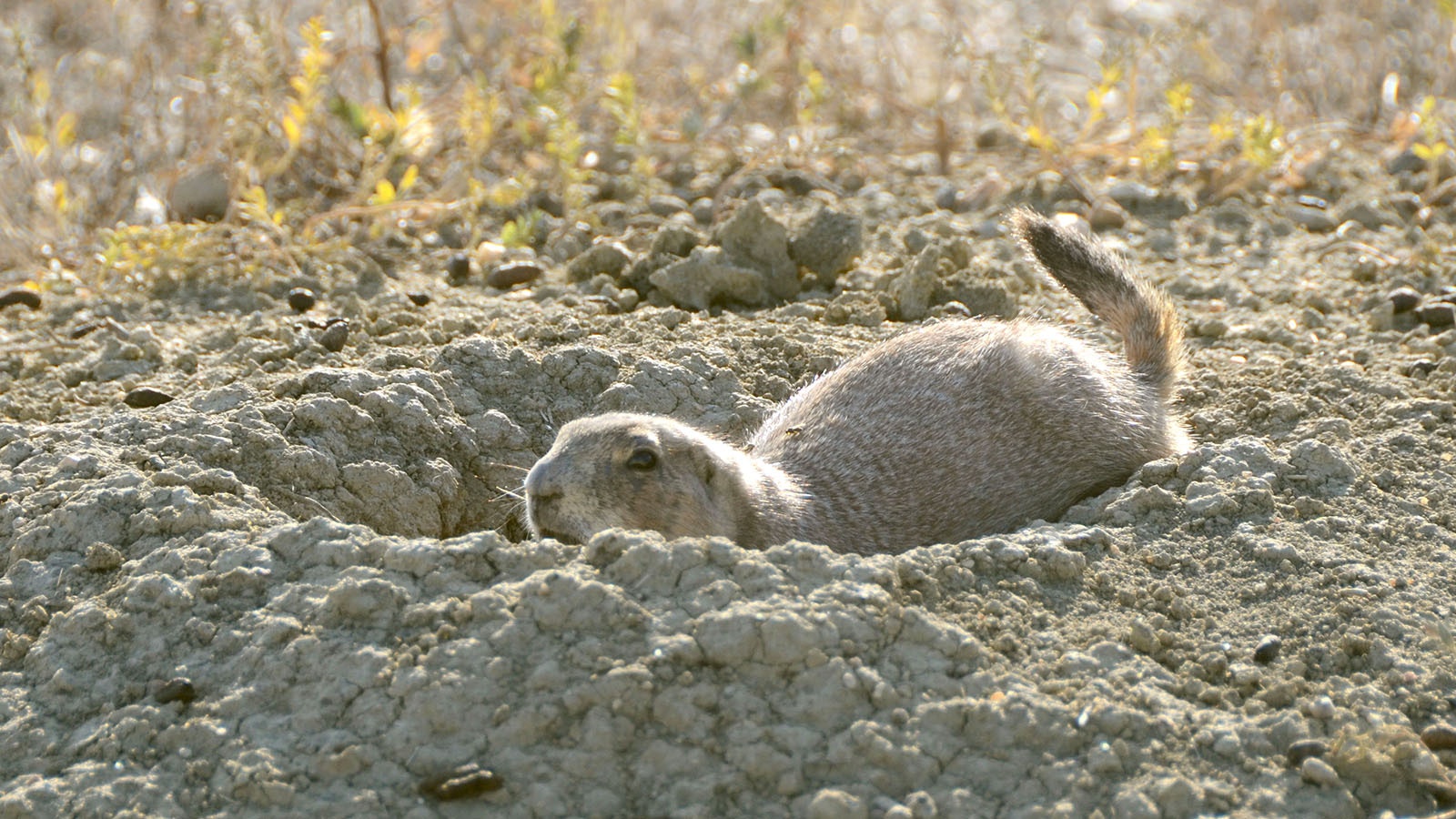
Tried To Tell Them This Would Happen
Deb Jones, a founding member and president of the Prairie Dog Action group, told Cowboy State Daily that as she sees it, the pet deaths are a case of I-told-you-so.
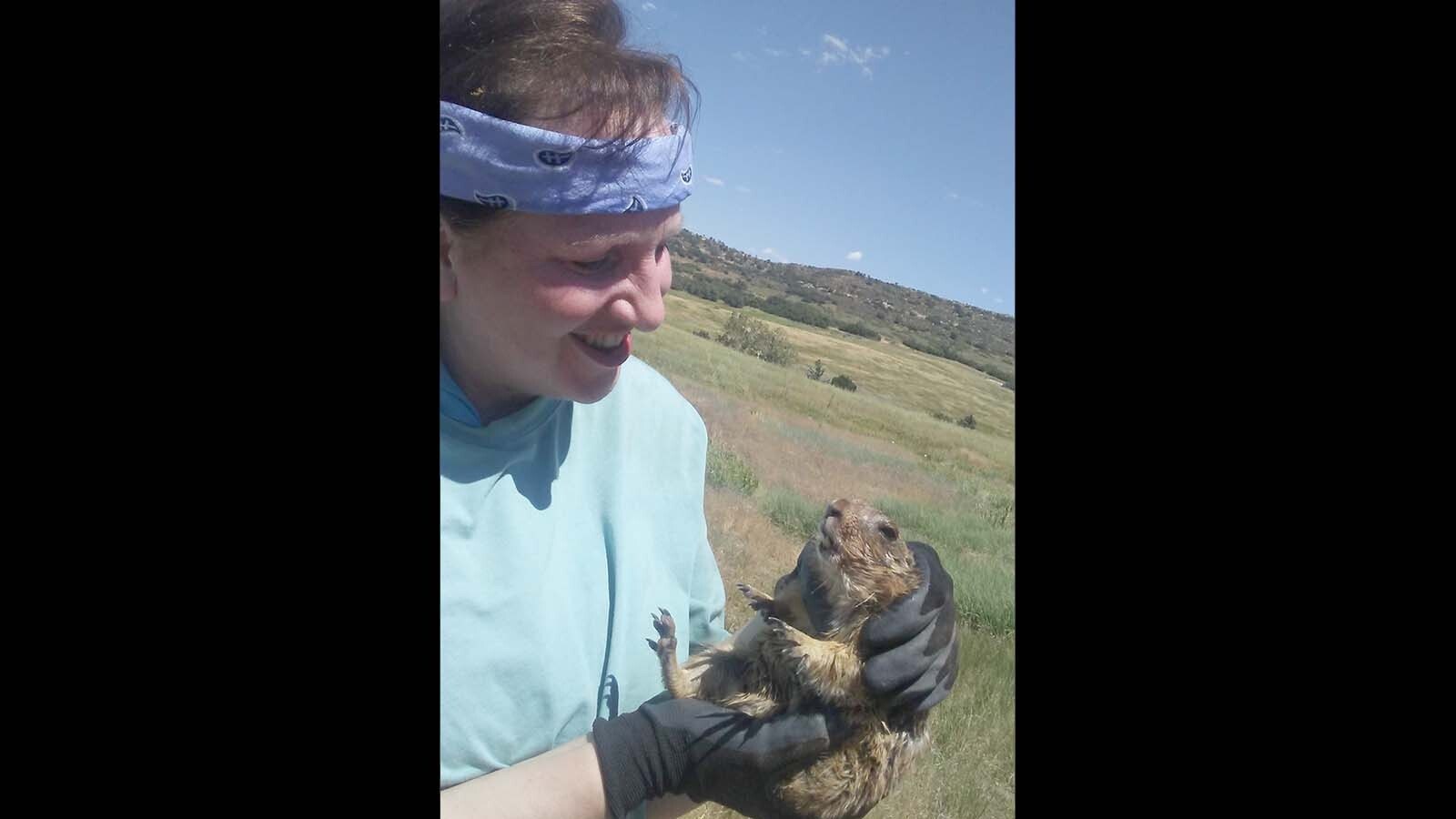
She’s been working with prairie dogs in the area since the early 2000s, frequently helping to capture and relocate them, so they won’t be killed.
She said she started warning Boulder city and county officials years ago that predators would get desperate and start gobbling pets if developers and municipalities kept eliminating the natural prey base of prairie dogs.
“The city and county management plans can’t just include taking out huge number of them (prairie dogs), with them thinking there won’t be blowback from that,” she said.
“My take on this is that in Boulder County in particular, they’ve created this problem,” she added.
Recently in Boulder County, 30,000 prairie dogs were removed — many of them captured and relocated — to make way for development, Jones said.
And while capturing and relocating prairie dogs is better than mass poisonings, it still leaves local coyotes, raptors, foxes and other predators without a good food source, she said.
“This is something we warned them about and told them about. And now peoples’ pets are the target,” she said.
Is It Really That Simple?
As the urban-wildland interface continues to grow in Boulder County, there’s bound to be complications with wildlife, Amy Schwartz a resource specialist with Boulder County Parks and Open Space, told Cowboy State Daily.
However, the claim that a decline in prairie dogs in some areas will lead directly to more pets being devoured by predators is an oversimplification, she added.
In terms of numbers, Boulder County’s overall prairie dog population has been stable for years, even if they’ve been removed from some locations, Schwartz said.
There are rarely more than a few miles between prairie dog colonies in the area, she said.
So, there’s not truly a lack of prairie dogs in the county, she said. And she also questions how much coyotes, for example, really rely on the burrowing rodents as a food source.
“As much as I’d love to tell you that coyotes get prairie dogs all the time, that’s not what happens,” she said.
Coyotes also rely on rabbits, small rodents and other prey, she said.
Moreover, the coyote population ebbs and flows, so there might be more attacks on pets during peak periods in some locations, Schwartz said.
Habitat fragmentation, rather than the number of prairie dogs, is likely a big driving factor in human conflicts with coyotes and other predators, she said.
“Coyotes are opportunists. They’re going to go through the garbage. They’re going to go for the easy meal,” she said.
And with more big-box stores, suburbs and other developments springing up along the Front Range, there’s more potential for those easy meals to put coyotes at odds with people, she said.
Room For Everybody
Jones said prairie dogs are frequently regarded as a nuisance, a barrier to development, and even a vector for disease, such as the plague.
There are sometimes plague outbreaks among prairie dogs, spread by fleas, she said.
But in urban or suburban areas, prairie dog colonies can be dusted for fleas, sparing the rodents from outbreaks, as well as eliminating the risk of transmission to humans, Jones said.
Having at least a few prairie dogs around can be beneficial, she added.
While digging their dens, they churn up the soil, pushing nutrient-rich layers to the top, she said.
And the short grass and bare dirt around prairie dog colonies can serve as a fire break, sparing subdivisions from wildfires, she added.
While the number of prairie dogs might have to be lowered in certain spots as development moves in, it’s best not to eliminate them entirely, Jones said.
That can cause problems later on, such the attacks on pets, she said.
And that, in turn can result in what she sees as the unnecessary killing of coyotes and other wildlife, Jones said.
“There’s a bigger price to pay later on if you don’t do things the right way up front. That’s the point I’m trying to make,” she said.
Mark Heinz can be reached at mark@cowboystatedaily.com.