Dear editor:
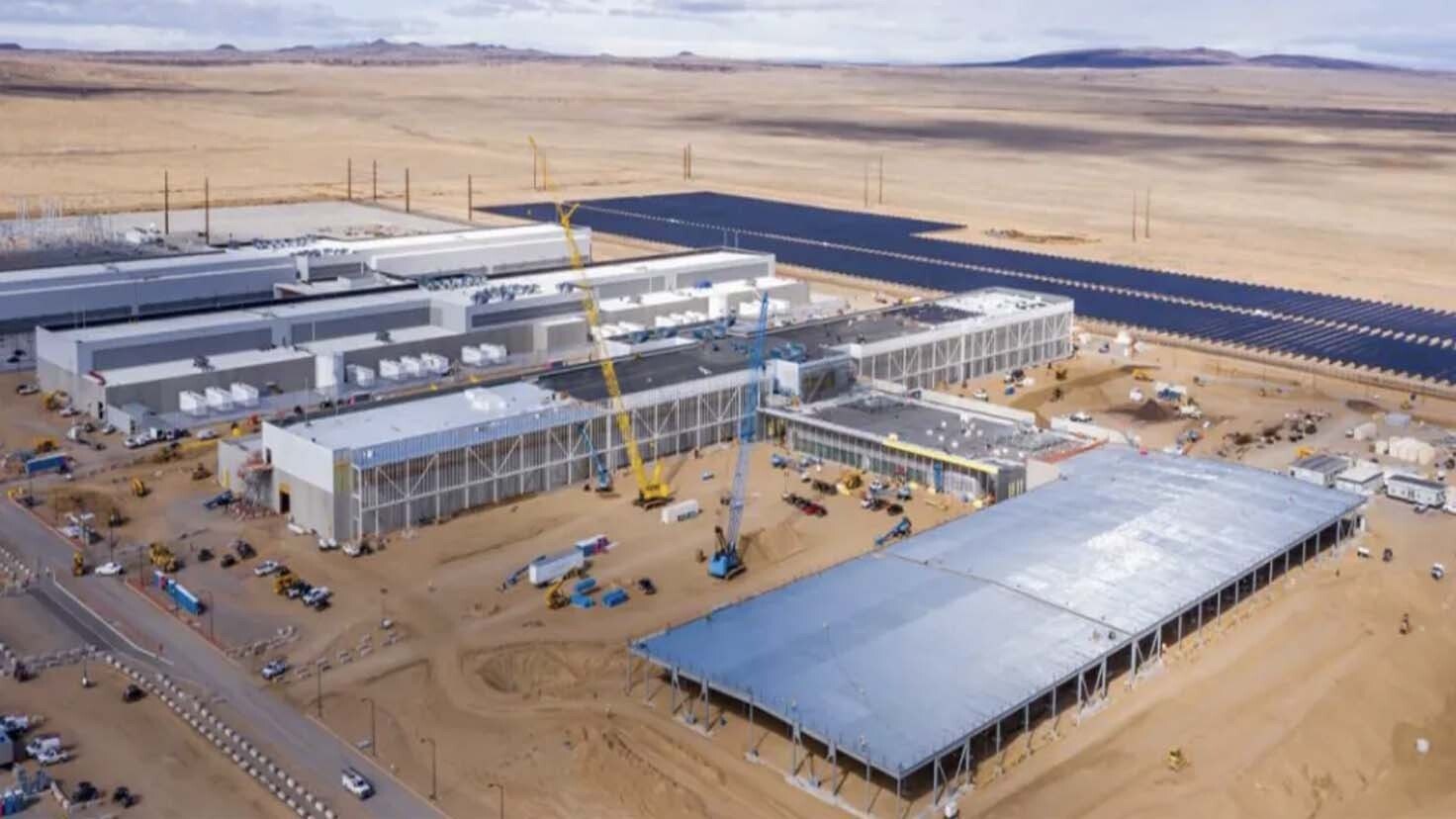
In the heart of rural America, where fields of corn and soybeans stretch to the horizon and small towns hum with the quiet rhythm of community life, a new force is reshaping the landscape: artificial intelligence (AI). The rise of AI data centers, sprawling complexes of servers humming with computational power, is transforming rural regions in ways few could have predicted a decade ago.
Across the country, rural landscapes are being reshaped to accommodate these tech behemoths. Take, for example, Mesa, Arizona. In 2023, Meta announced plans for a $1 billion, 2.5-million-square-foot AI data center in Mesa, occupying land that could have supported local agriculture or housing. The project, while promising jobs, required rezoning agricultural land, a pattern repeated nationwide.
AI data centers require large, flat parcels near power infrastructure, making rural areas prime targets due to cheaper land and looser regulations. This has led to a significant loss of farmland and green spaces.
New Albany, Ohio: Amazon’s data center projects have consumed thousands of acres of farmland since 2017, contributing to Ohio’s loss of 100,000 acres of agricultural land in a decade.
Council Bluffs, Iowa: Google’s 1,000-acre data center campus, expanded multiple times since 2007, has replaced cornfields, sidelining local farmers.
Loudoun County, Virginia: Known as the “data center capital of the world,” this region has lost over 10,000 acres of rural land to data centers since 2015, disrupting family farms.
A 2024 American Farmland Trust report notes that the U.S. lost 1.9 million acres of farmland from 2012 to 2022, with AI data centers as a growing driver. These facilities, often covering hundreds of acres, pave over fertile soil, threatening food security and rural economies.
AI data centers are water-hungry, using millions of gallons annually for cooling servers. In water-scarce rural areas, this demand strains local supplies, pitting tech companies against farmers and residents.
The Dalles, Oregon: Google’s data center consumes 355 million gallons of water yearly—about a third of the town’s supply—drawing from the Columbia River and sparking conflicts with farmers.
Berkeley County, South Carolina: Google’s facility taps the local aquifer, contributing to a 15% drop in groundwater levels over a decade, impacting farmers facing drought restrictions.
Reno, Nevada: Microsoft and Google data centers exacerbate water scarcity in this arid region, pulling from already stressed groundwater reserves.
A 2023 University of California study estimates that a single large AI data center can use 1-2 billion gallons of water annually, including cooling and energy production. This massive consumption threatens rural water security, especially in drought-prone areas.
The human and environmental costs are significant. In Grant County, Washington, Microsoft’s data centers have driven up property values, pricing out locals and farmers.
The AI boom is unstoppable, but its costs don’t have to fall on rural America. The fields and rivers of America’s heartland are not infinite. As data centers multiply, we must balance technological progress with the needs of those who feed and sustain the nation. Rural America deserves a future, not a sacrifice.
Sincerely,
Steve Abramowicz
Steve is the editor of HeartlandJournal.com and host of the Heartland Journal podcast