The International Energy Agency (IEA) reports that global coal demand is expected to reach a new record high in 2025.
Demand is expected to rise 0.5% from 2024, and it is expected to increase 8% in the U.S., breaking a 15-year run of 6% annual declines.
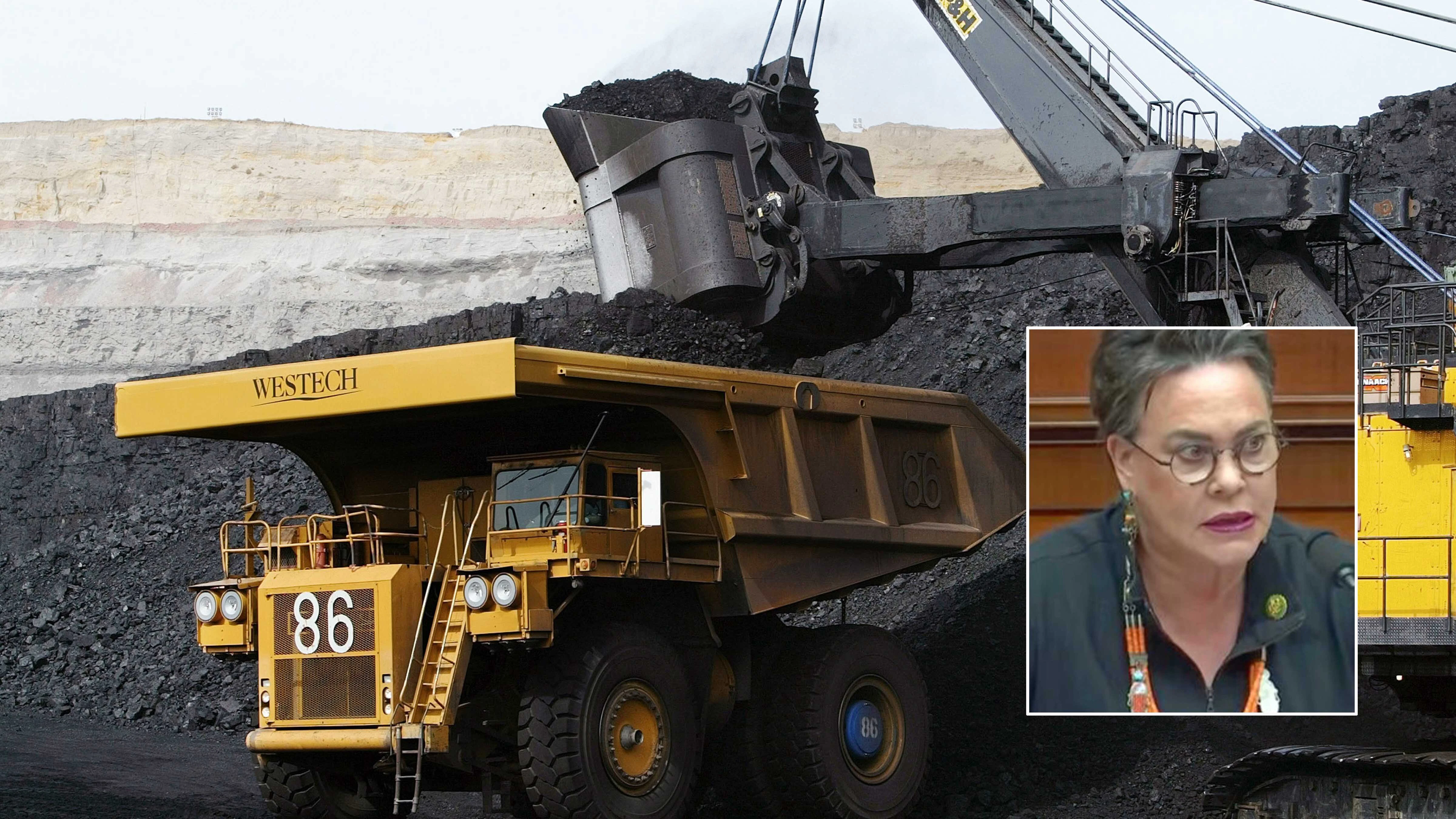
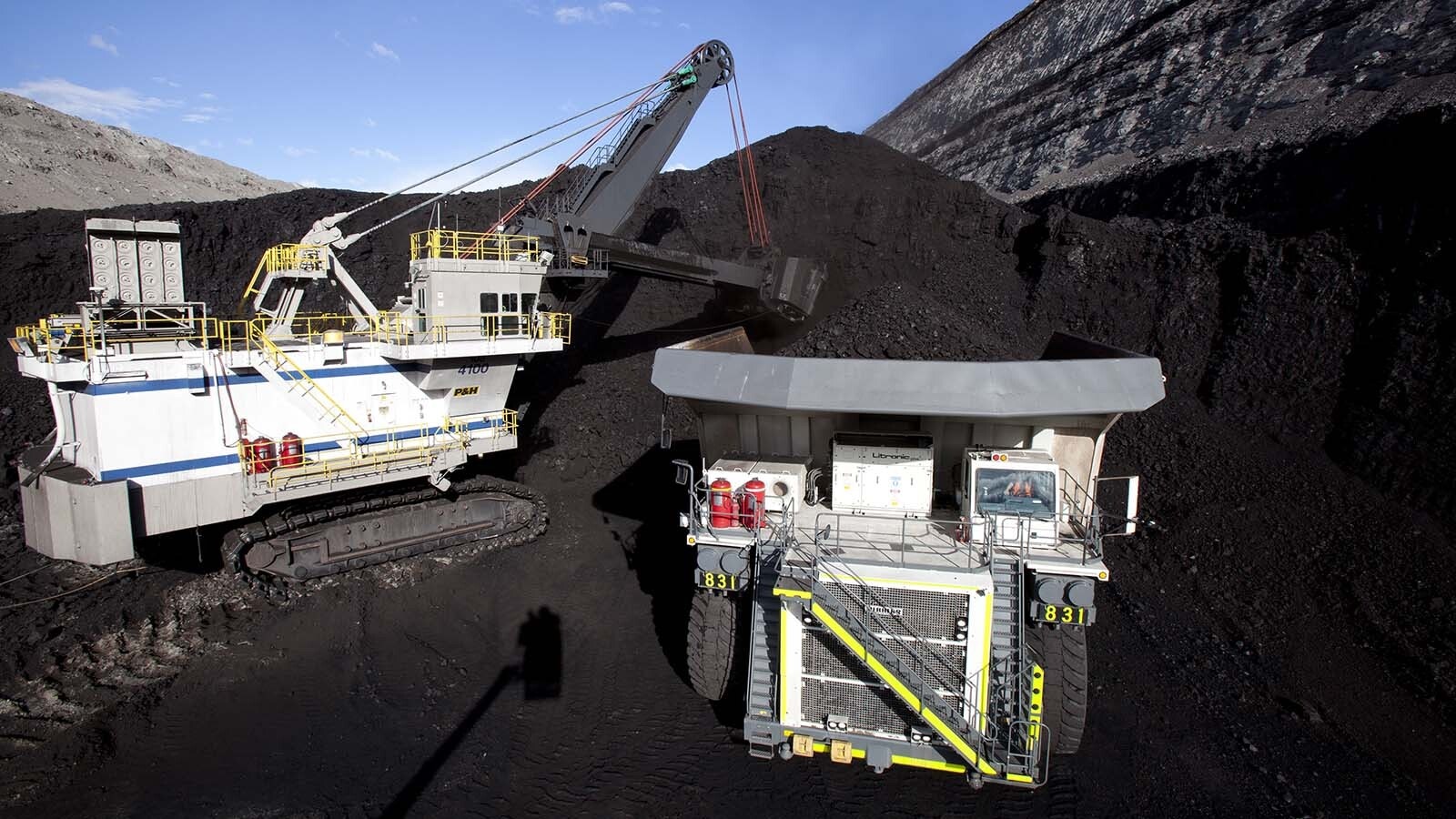
Over that time, Wyoming’s Powder River Basin went from producing more than 400 million tons of thermal coal a year to an average of a little more than half that in recent years.
While large countries like India and China are greatly increasing their coal power production, that doesn’t translate to more demand for Wyoming coal, according to University of Wyoming Energy Economist Rob Godby.
That’s because most of Wyoming’s coal is sent to domestic power plants. International exports of Wyoming coal are sporadic, Godby said.
“While the coal market internationally is increasing ,and it certainly is looking stronger in the U.S., it’s still pretty unlikely to offset the (yearslong U.S.) decline,” Godby said.
An 8% increase in demand seems notable on the surface, but it is really just a bump, Godby said.
He told Cowboy State Daily it likely reflects a sudden surge in demand with which the power generation infrastructure hasn’t caught up.
“What they’re forecasting is not going to offset the decline we’ve seen,” Godby said.
The increase is being driven by higher natural gas prices and slower-than-expected closures of coal-fired plants, according to the IEA report.
President Donald Trump also has signed a pair of executive orders this year that are intended to boost the U.S. coal industry.
They include measures like opening and expediting more federal land for coal leases and pushing back or halting scheduled closures of coal-fired power plants.
The IEA previously projected that global demand for coal would peak in 2023. But demand reached a new record in 2024, largely because of surging electricity demand in China, India and other fast-growing economies.
Two Types Of Coal
When considering the demand for coal, Godby said it’s important to distinguish the types of coal.
Two main types of coal are produced in the U.S. — metallurgical (met) coal used to make steel and thermal coal burned for power generation, such as that produced in Wyoming.
Met coal — heavier and bulkier than standard coal — is mined primarily in the eastern United States, and the export market for it is strong, Godby said.
“The reason the Powder River Basin has become so dominant (for producing power) is because even though it produces a lower quality coal, it is so cheap to get out of the ground relative to other places,” Godby said.
Therefore, it still makes sense to use for power generation — and it is still competitive.
Campbell County Commissioner Scot Clem said even if it doesn’t directly affect Wyoming, good news for the global coal industry is good for the Cowboy State.
He praised the news of coal’s rising demand, noting that “minerals, in particular coal, have carried the state for decades. It has built this state’s wealth.”
Wyoming coal is the preferred fuel for a lot of coal plants in the United States, according to Godby.
On the IEA’s news, Clem said he believes Wyoming is seeing “a bit of a rebound” with coal production.
“I’m pretty optimistic,” Clem told Cowboy State Daily. “I don’t think this is just a flash in the pan. You look at the energy demand. It all bodes well for energy.”
Trump’s Coal-Friendly Administration
Clem said he believes the global demand for coal should give some incentive for the Trump administration to continue to pursue some kind of coal export terminal.
That would open international markets for Wyoming coal, particularly in Asia, where more coal-fired plants are coming online.
“When you have that market demand, it creates an environment for people to rise up and meet that demand with actual tangible goods and services,” he said. “I’m hopeful that we’ll see more coal-fired power plants in the future.”
Most coal plants in the U.S. are old and wearing out, Godby said. The last new coal plant in the U.S. was built about 15 years ago.
In October, Gov. Mark Gordon announced that Basin Electric Power Cooperative would receive $4 million in state matching money through the Wyoming Energy Authority (WEA) to study building a second unit at the Dry Fork Station power plant.
About 10 miles north of Gillette, Dry Fork is one of the newest and most technologically advanced coal plants in the U.S.
Under the Trump administration, planned coal plant retirements have been pushed back or delayed indefinitely due to electricity demand and particularly a surge of high-powered data centers necessary for artificial intelligence.
Even still, “long-term, the market is likely to shrink rather than grow,” Godby said.
Future Energy Diversification
The IEA reports that demand for coal is expected to slowly decline by the end of the decade. But less demand for coal does not mean less demand for energy.
New power plants will have a lot of technologies to choose from, said Godby.
“Coal has fallen a long way, nationally and in Wyoming,” he said, adding that “coal is not at the top of the list” for new plants.
But the future of energy is still booming.
Late last week, Governor Gordon and the WEA announced $100 million in Large Project Energy Matching Funds to BWXT in Campbell County.
BWXT will be the first nuclear fuel fabrication site built in the U.S. in decades and is expected to reduce the nation’s reliance on foreign fuel.
What’s happening with coal demand coincides with the larger energy demand, Clem said.
“It’s all very promising,” he said.
Kate Meadows can be reached at kate@cowboystatedaily.com.